Limited Time Offer: Get 15% Off Your First Treatment + Complimentary FREE Consultation!

Jumeirah 1, Dubai · Cavity Assessment & Restoration

Dental Tooth Filling in Dubai for Cavities & Tooth Decay

If a toothache or a small dark spot on your tooth has been on your mind, you're not alone — cavities are one of the most common reasons people visit a dentist. Tooth decay develops gradually, starting as a weak spot in the enamel and, if left untreated, spreading deeper into the tooth. A dental filling is the treatment most patients think of first, and for good reason: when caught early, it's often a straightforward way to remove the decayed portion of a tooth and restore it to a functional, comfortable state. This guide on Dental Tooth Filling in Dubai explains how decay develops, what actually happens during a filling appointment, and when a filling may not be the right treatment at all.

It's worth saying clearly at the outset: not every cavity can be treated with a simple filling. Some decay is shallow and limited to the enamel; other cases have progressed closer to the nerve of the tooth, or the tooth has cracked in a way that changes what's structurally possible. That's why an in-person dental examination — often supported by an X-ray — comes before any treatment plan. At Rama Care Polyclinic in Jumeirah 1, Dubai, our dental team assesses the depth and extent of decay first, then discusses whether a filling, a crown, root canal treatment or another approach is the most appropriate option for that specific tooth.

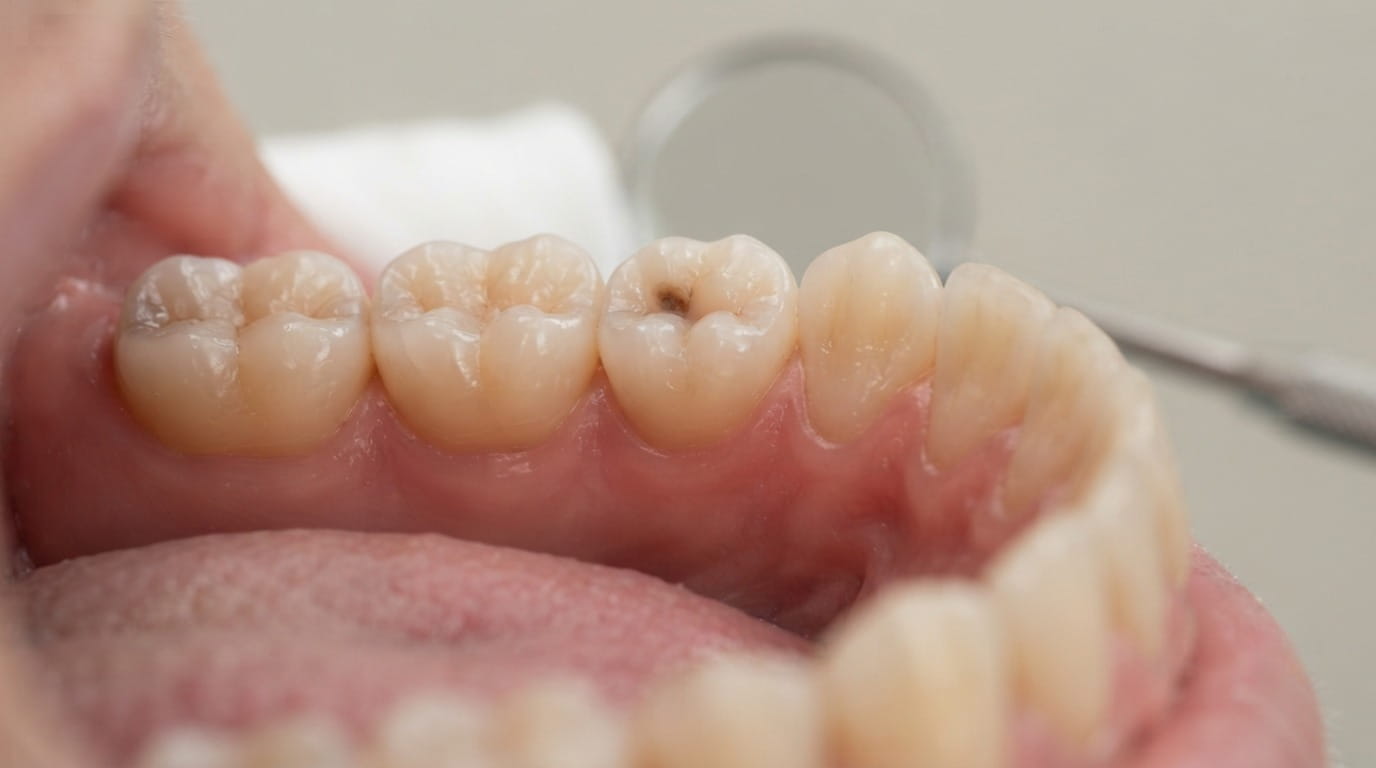
Diagnostic View
Decay flagged for assessment
Understanding the Treatment

What Is a Dental Tooth Filling?

A dental filling is a restorative treatment used to repair a tooth that has been affected by decay, or in some cases by minor chips or wear. In general terms, the dentist removes the damaged or decayed tooth structure, cleans the area to remove bacteria and debris, and then restores the tooth using an appropriate filling material — commonly a tooth-colored composite resin. The restoration is then shaped to match the natural contour of the tooth, and the bite is checked so the tooth feels comfortable when chewing. The exact steps, materials used and number of visits can vary depending on the size, location and depth of the cavity, which is why a clinical assessment always comes first.

Stage 01

Decayed

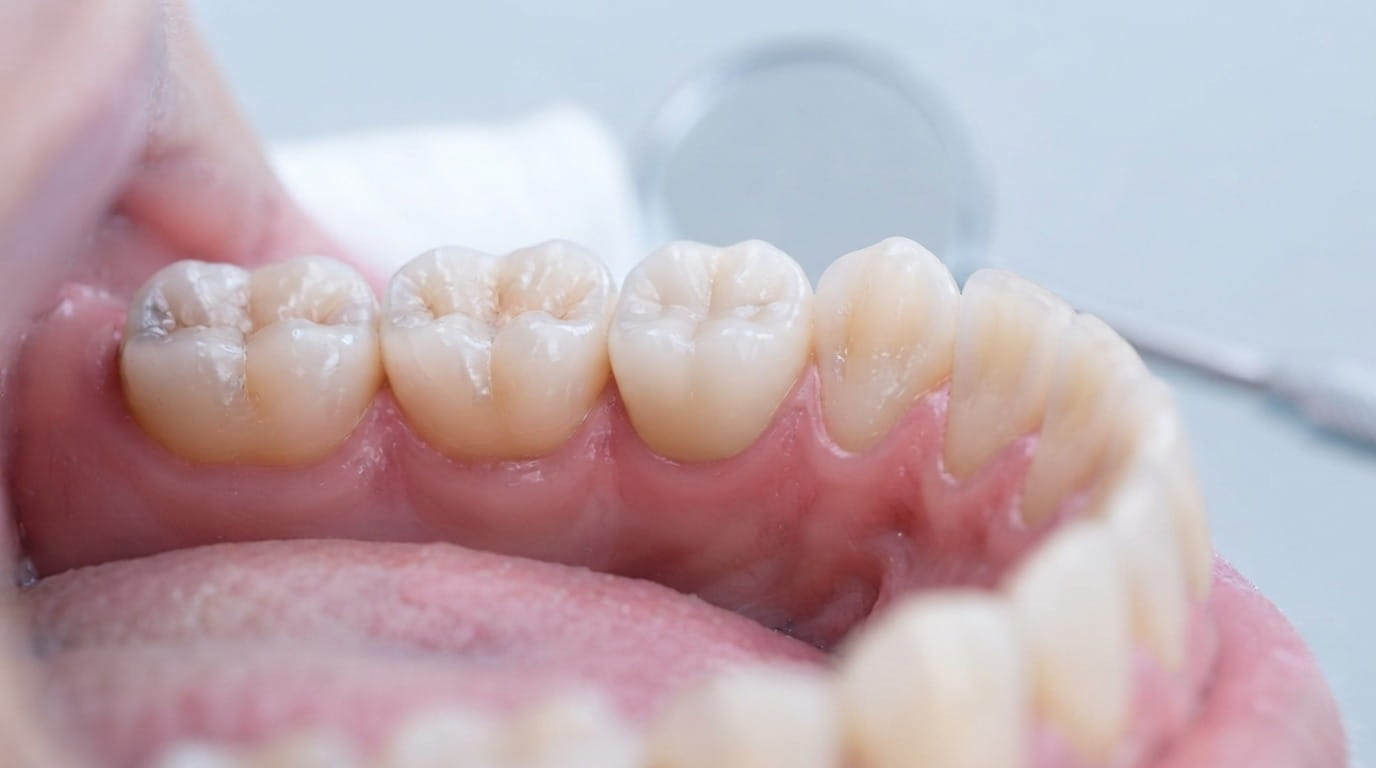
Stage 02

Cleaned

Stage 03

Restored

The Root Cause

Why Do Teeth Need Fillings?

Teeth need fillings when decay has broken down enough tooth structure that the area can no longer repair itself naturally. Tooth decay, also called dental caries, begins with plaque — a sticky film of bacteria that constantly forms on tooth surfaces. When these bacteria come into contact with sugars and starches from food, they produce acids. Repeated acid exposure gradually strips minerals from the enamel, the hard outer layer of the tooth, in a process called demineralization.

In its earliest stage, this process can sometimes be reversed with fluoride and good oral hygiene, before a cavity ever forms. But once the enamel surface actually breaks down, the damage becomes physical rather than just chemical — a true cavity has formed. If untreated, decay can progress from the enamel into the dentin, the softer layer beneath it, and eventually toward the dental pulp, where the nerve and blood supply of the tooth are located. This general progression looks like:

tooth decay and dental cavity anatomy illustration
1

Plaque

2

Demineralization

3

Enamel damage

4

Dentin involvement

5

Deeper decay

6

Pulp involvement

The earlier decay is identified, the more likely it is that a relatively conservative filling can address it. This is one of the main reasons dentists encourage routine check-ups rather than waiting for pain — by the time a cavity causes noticeable discomfort, it has often already reached the dentin. That said, not every cavity that reaches deeper layers automatically requires root canal treatment; this depends entirely on the individual tooth and how the pulp responds, which your dentist evaluates during examination.

Prevention Starts With Understanding

What Causes Tooth Decay?

Understanding what causes tooth decay helps explain why prevention matters as much as treatment.

Plaque and bacteria.

Your mouth naturally contains bacteria that form plaque on tooth surfaces within hours of brushing. These bacteria metabolize sugars from food and drink and release acids as a by-product, which is the direct mechanical cause of enamel breakdown.

Frequent sugar exposure.

It isn't only the amount of sugar that matters, but how often the teeth are exposed to it. Sipping sugary drinks throughout the day, or frequent snacking, keeps the mouth in an acidic state for longer periods than eating the same amount of sugar in one sitting.

Poor oral hygiene.

Inconsistent brushing and flossing allow plaque to build up and mineralize into tartar, which is more difficult to remove and creates a more persistent environment for decay-causing bacteria.

Dry mouth.

Saliva helps neutralize acids and wash away food particles. Reduced saliva flow — from certain medications, medical conditions, or dehydration — can increase decay risk because that natural buffering effect is diminished.

Fluoride exposure.

Fluoride helps strengthen enamel and can assist in remineralizing early, very superficial decay before a cavity fully forms. Limited fluoride exposure, whether through toothpaste, water, or professional treatments, can leave enamel more vulnerable.

Diet.

Frequent consumption of sugary drinks, sticky snacks, and refined carbohydrates gives decay-causing bacteria more fuel, more often.

Previous dental work.

Older fillings and restorations can develop tiny gaps or wear at their edges over time. Bacteria can collect along these margins, sometimes leading to recurrent decay around an existing restoration — one reason dentists check old fillings at routine visits.

Know the Signs

Signs You May Need a Filling

Cavities don't always announce themselves the same way in every patient. Common signs include:

Sensitivity to cold foods or drinks
Sensitivity to sweets
A dull or sharp toothache, sometimes intermittent
Food repeatedly getting stuck in the same spot
A visible hole, pit, or dark spot on the tooth
A rough or uneven feeling on the tooth surface when you run your tongue over it
Pain or discomfort when chewing or biting down
A cracked, chipped, or broken area of a tooth
An unpleasant taste localized to one area of the mouth
Patient consultation photo — add here
Good to Know

It's also important to understand that a cavity can exist without causing any noticeable pain at all. A small cavity may not cause noticeable pain at first. Some patients only discover decay during a routine dental examination or X-ray, while others seek treatment after noticing sensitivity to cold, sweets, or pressure when chewing. This variability is exactly why regular dental check-ups matter, even when nothing feels wrong.

Know When to Act

When Should You See a Dentist?

You don't need to wait for a full-blown toothache before booking an appointment. Consider scheduling a dental visit if you notice:

Persistent toothache lasting more than a day or twoIncreasing sensitivity to hot, cold, or sweet foodsPain specifically when biting downA visible cavity or dark spot on a toothA broken, chipped, or cracked toothFood repeatedly trapping in the same area between teethAny dental symptom that lasts several days without improving
Urgent Care Note

If you experience significant facial swelling, fever, difficulty swallowing, difficulty breathing, or rapidly worsening pain, please seek urgent dental or medical assessment right away rather than waiting for a routine appointment.

A Clinical Process

How Dentists Diagnose a Cavity

Diagnosing a cavity properly is a clinical process, not a guess based on symptoms alone.

Medical and dental history.

Your dentist will ask about your symptoms, any previous dental treatment, sensitivity patterns, oral hygiene habits, diet, and relevant medical history that could affect treatment planning.

Clinical examination.

During the exam, the dentist checks tooth surfaces for visible decay or discoloration, reviews the condition of any existing restorations, evaluates gum health around the area, and assesses the overall structure of the tooth in question.

Dental X-rays.

X-rays may be recommended when decay is suspected between teeth or deeper within a tooth, since these areas often aren't visible to the naked eye. Not every patient automatically needs an X-ray at every visit — your dentist will recommend one based on your specific clinical picture and history.

Diagnosis

Together, this information allows the dentist to determine the size, depth, and location of the decay, which directly shapes the treatment recommendation.

The Appointment, Step by Step

Dental Tooth Filling in Dubai: What to Expect During Treatment

Once decay has been diagnosed, here's a general outline of how a dental tooth filling in Dubai is typically carried out at RamaCare:

Step 1

Consultation.

The dentist reviews your concerns and takes a general look at the affected tooth or teeth.

Step 2

Diagnosis.

Using the clinical exam and, when appropriate, X-rays, the dentist determines the location, size, and depth of the decay, along with the condition of the surrounding tooth structure.

Step 3

Anesthesia.

Local anesthesia may be used when appropriate to keep the area comfortably numb during treatment. Whether it's needed depends on the depth of the cavity and individual patient preference.

Step 4

Removal of decay.

The dentist carefully removes the decayed and damaged tooth structure, taking care to preserve as much healthy tooth as possible.

Step 5

Cleaning and preparation.

The prepared area is cleaned to remove bacteria and debris, creating a suitable surface for the restoration to bond to.

Step 6

Filling placement.

The selected filling material is placed into the prepared cavity in layers, depending on the material used.

Step 7

Shaping.

The restoration is shaped and contoured so it blends naturally with the rest of the tooth.

Step 8

Bite check.

Finally, the dentist checks how the restored tooth meets the opposing teeth, adjusting as needed so the bite feels even and comfortable.

Material Options

Types of Dental Fillings

There isn't a single filling material that's automatically the right choice for every patient. Selection depends on the tooth involved, the size of the restoration, remaining tooth structure, cosmetic considerations, bite forces, and your dentist's clinical judgment.

Tooth-colored

Composite resin

Blends naturally with surrounding tooth structure

Metallic restoration

Amalgam

Durable but less aesthetic, still used selectively

Tooth-colored material

Glass ionomer

Used in specific situations, including some pediatric or lower-stress-bearing cases

Lab-made restoration

Ceramic / indirect

May be considered for larger areas of missing tooth structure

Your dentist will walk you through which option fits your particular tooth, rather than defaulting to one material for every case.

Aesthetic Restoration

Composite / White Tooth Fillings

Composite resin is a tooth-colored material made of a mixture of plastic and fine glass particles. Many patients choose composite fillings for aesthetic reasons, since the material can be matched closely to the natural shade of the surrounding tooth, making the restoration far less noticeable than a metallic filling.

Composite fillings can be appropriate for a wide range of cavities, particularly in visible areas like front teeth or the visible surfaces of back teeth. Proper placement matters a great deal with composite material — it needs to be applied in careful layers and bonded correctly to perform well over time. This isn't a claim that composite is always the superior option in every clinical situation; for some larger restorations or specific bite conditions, your dentist may discuss other materials or approaches instead.

Shade Match Guide
Your match

Composite is shade-matched to sit close to your natural tooth color, rather than one fixed shade for every patient.

Comfort

Does a Tooth Filling Hurt?

NumbPressureSensation

This is one of the most common questions patients ask, and the honest answer is that the experience varies from person to person and from tooth to tooth. Local anesthesia is commonly used to numb the area being treated, so most patients don't feel sharp pain during the procedure itself. You may still notice pressure, mild vibration from dental instruments, or the sensation of water spray — these are normal parts of the process rather than signs that something is wrong.

Some patients experience temporary sensitivity in the treated tooth for a short period after the appointment, particularly to temperature changes, as the tooth adjusts. If you feel any discomfort during treatment, it's important to let your dental team know right away so they can address it.

Appointment Length

How Long Does a Filling Take?

Simple · single visit
Complex · multiple visits

Treatment time depends on several factors: the number of teeth being treated, the size of the cavity, its location in the mouth, its depth, the filling material selected, and individual patient factors. If a simple filling is being performed, it can often be completed in a single appointment. More extensive or complex cases may require a different restorative approach or additional visits.

Comparing Treatments

Filling vs Root Canal vs Crown

Patients often want to know how a filling compares to other common restorative treatments. Here's a general guide, though the final decision always depends on individual diagnosis:

Step 1

Filling

Decay is limited and enough healthy tooth structure remains to support the restoration

Step 2

Root canal treatment

The dental pulp is infected or irreversibly inflamed, often causing persistent pain

Step 3

Crown

Significant tooth structure has been lost, or the tooth needs greater structural protection after treatment

If the decay has reached the inner part of the tooth, your dentist may discuss whether root canal treatment is more appropriate than a conventional filling. Please don't attempt to self-diagnose based on symptoms alone — pain levels don't always correlate directly with the extent of internal damage, and only a clinical exam (often with an X-ray) can confirm what's actually happening inside the tooth.

A Realistic Limit

When a Filling May Not Be Enough

A filling may not be the right solution when:
Decay is very extensive and has destroyed a large portion of the tooth
The remaining tooth structure is significantly weakened
The dental pulp has become infected or inflamed
The tooth is significantly cracked or fractured
There simply isn't enough sound tooth structure left to support a filling
Possible alternatives your dentist might discuss
Root canal treatmentDental crownInlay or onlayExtraction (select cases)

Which path is right depends entirely on the diagnosis for that specific tooth — there's no universal answer that applies to every patient.

What a Filling Restores

Benefits of Dental Fillings

When a filling is the appropriate treatment, it offers several realistic benefits:

Removes decayed tooth structure and the bacteria within it
Restores the natural shape of the affected tooth
Helps restore normal chewing function
Can reduce sensitivity that was being caused by exposed decay
Helps prevent further structural damage when treated appropriately and in time
Preserves the remaining healthy tooth structure, rather than requiring more extensive treatment
Can improve the appearance of the tooth when a tooth-colored material is used and clinically appropriate

It's worth noting that a filling addresses the cavity that's being treated — it doesn't prevent all future decay elsewhere in the mouth. Ongoing oral hygiene and regular check-ups remain important regardless of how many fillings you have.

Recovery

Aftercare: What to Do After a Tooth Filling

Good aftercare supports a smooth recovery and helps your new restoration settle in well.

Follow your dentist's specific instructions for your case
Avoid chewing on the treated side until any numbness has fully worn off
Be cautious with hot foods and drinks while still numb, since you may not sense temperature accurately

Mild, temporary sensitivity can sometimes occur after a filling, particularly to cold or pressure, and this often settles within a short period.

Contact Your Dentist If You Notice
Persistent pain
Severe sensitivity
Pain specifically when biting down
Swelling
A filling that feels noticeably too high
A filling that appears fractured or has come loose
Longevity

How Long Do Dental Fillings Last?

There's no single fixed lifespan for a dental filling — longevity genuinely varies based on several factors:

Filling material usedSize of the restorationLocation of the toothChewing or grinding forcesOral hygiene habitsDietBruxism (grinding or clenching)Recurrent decay at the edgesConsistency of check-ups

Rather than promising a specific number of years, your dentist will monitor the condition of your existing fillings during routine examinations and let you know if a restoration shows signs of wear, cracking, or recurrent decay that may need attention.

Setting Expectations

Before & After: What Can You Expect?

The objective of a dental filling is to restore the treated tooth's structure, function, and comfort — and, where a tooth-colored material is used, its natural appearance. This is a functional and restorative treatment rather than a cosmetic transformation, so it's realistic to expect the tooth to look and feel like a healthy version of itself, not a dramatically different smile.

tooth filling before and after dental restorationBefore
tooth filling before and after dental restorationAfter

Where before-and-after photography is used for educational purposes, it should reflect real patient cases, obtained with appropriate consent, photographed under consistent conditions, and free from misleading editing.

Practical Info

Tooth Filling Cost in Dubai

Many patients search for a fixed number when researching tooth filling cost in Dubai, but an accurate figure genuinely depends on individual factors, including:

No fixed price

An accurate estimate is unlocked only after a clinical examination.

What Affects Cost
Number of teeth requiring treatment
Size of the cavity or cavities
Location of the affected tooth or teeth
Filling material selected
Overall complexity of the case
Diagnostic requirements, such as X-rays
Whether additional treatment is needed alongside the filling
Worth Weighing Beyond Price
The dentist's qualifications and experience
Thoroughness of the clinical assessment
Quality of materials used
Sterilization and safety standards
Aftercare guidance you receive
How well the clinic plans for long-term dental health

Because these factors vary so much from patient to patient, an accurate cost estimate can typically only be provided after a clinical examination.

Coverage

Does Dental Insurance Cover Tooth Fillings?

Whether your dental filling is covered depends on your specific insurance provider and policy. Coverage can be affected by your dental benefits structure, annual limits, whether the clinic is within your insurer's network, waiting periods, and any applicable deductibles or co-payments.

Because policies differ so widely, we'd recommend confirming your individual benefits directly with your insurance provider — our team can also help clarify what information you may need when you contact us.

Coverage Depends On
Dental benefits structure01
Annual limits02
In-network status03
Waiting periods04
Deductibles & co-payments05
Not sure? Our team can help clarify.
Prevention

How to Reduce Your Risk of Future Cavities

Preventing cavities involves more than brushing alone. Helpful habits include:

Brush twice daily with fluoride toothpaste
Clean between teeth daily, using floss or interdental brushes
Limit frequent sugary snacks and drinks, especially between meals
Drink water regularly throughout the day
Keep up with routine dental examinations, even without symptoms
Address dry mouth appropriately if it's an ongoing issue
Avoid smoking, which is linked to a range of oral health problems
Protect teeth from excessive forces, such as a nightguard if you grind
Follow any preventive care recommendations your dentist gives you

Consistent, small habits tend to matter more for long-term oral health than any single treatment.

The Clinic

Why Choose RamaCare Polyclinic?

01

Multidisciplinary environment

RamaCare Polyclinic, located in Jumeirah 1, Dubai, brings dental care together with other healthcare specialties — including general medicine, dermatology, physiotherapy, and Ayurveda — under one roof.

02

Personalized assessment

We believe treatment decisions should be based on the condition of the individual tooth in front of us, not a generic protocol. Every recommendation follows a proper clinical examination.

03

Patient-focused communication

Our team takes time to explain the diagnosis, the treatment options available, what to expect during the procedure, and clear aftercare guidance.

04

Convenient Jumeirah 1 location

Our clinic is easily accessible from major roads across Dubai, with a calm, welcoming environment designed to help patients feel comfortable from the moment they arrive.

05

Multidisciplinary access

Should your case benefit from input across specialties, being part of a polyclinic means coordination can happen without needing to visit multiple separate locations.

From Booking to Prevention

Patient Journey

Here's what the process generally looks like when you visit RamaCare for a tooth filling assessment:

1

Book Appointment

2

Dental Consultation

3

Clinical Examination

4

X-ray if Required

5

Diagnosis

6

Treatment Discussion

7

Tooth Filling / Restoration

8

Bite & Comfort Check

9

Aftercare Guidance

10

Follow-Up

11

Preventive Dental Care

Each step is designed to make sure you understand what's happening and why, before any treatment begins.

FAQs

Frequently Asked Questions

Don't Ignore a Toothache or Cavity

Ready When You Are

A toothache or a suspicious dark spot on a tooth is easy to put off, especially when it doesn't hurt yet. But early dental assessment can help determine whether a simple, conservative filling is appropriate, or whether the tooth needs more extensive care before the situation progresses. The sooner decay is evaluated, the more treatment options are usually available.

If you're looking for dental tooth filling in Dubai, the RamaCare Polyclinic team in Jumeirah 1 is here to assess your tooth and walk you through what we find, clearly and without pressure.


Book a Dental Consultation
+971 4 286 2006WhatsApp +971 56 659 7878Jumeirah Terrace Building, Jumeirah 1, Dubai

Dental fillings remain one of the most common and effective ways to treat a cavity, but the right approach always depends on the individual tooth — its size, its depth of decay, and the amount of healthy structure that remains. Understanding why cavities develop, recognizing early signs, and attending regular dental check-ups all make it more likely that a straightforward filling, rather than more extensive treatment, will be enough.