
Leech Therapy in Dubai, Jumeirah 1
Leech therapy is the controlled use of medicinal leeches: freshwater worms that attach to the skin, take a small amount of blood and release substances that keep the blood from clotting while they feed. If you are searching for leech therapy in Dubai, it helps to know from the start that the phrase covers two quite different things.
In traditional Ayurveda, the practice is called Jalaukavacharana and is described in classical texts dating to the early first millennium[9]. In modern hospitals, medicinal leeches are used in a narrow set of surgical situations, mainly to relieve blood congestion in reattached or reconstructed tissue[2][3]. These are different contexts with different purposes and different levels of evidence. Support for one does not prove the other, and neither makes leech therapy a general answer for pain, skin disease or "detox".
This page explains what leech therapy involves, what the evidence does and does not support, the risks that deserve to be taken seriously, and who should avoid it. RamaCare Polyclinic is a DHA-licensed clinic in Jumeirah 1 with an Ayurveda department, and you are welcome to contact the team to ask whether leech-based treatment is available and whether it could be appropriate for you. This page does not present it as a confirmed service.

What Is Leech Therapy?

Medicinal leeches are bred for clinical use, most often Hirudo medicinalis or closely related European species. When a leech attaches, it releases a mild anaesthetic, which is why the bite is usually painless, along with compounds such as hirudin that inhibit clotting[1][16]. A leech typically takes around 5 to 15 mL of blood over roughly 20 to 45 minutes, and oozing can continue after it detaches[5][1].
In a clinical setting, a trained professional decides whether the therapy is suitable, applies the leech to a chosen area and monitors the patient. A leech that has been used for one procedure is not reused, even on the same patient, and is disposed of as regulated medical waste. Leeches carry bacteria in their gut, which is one reason supervision matters[4].
Traditional Ayurvedic practice and hospital-based medicinal leech use differ in their reasoning, their setting and the monitoring they involve. Hospital use is tied to a defined surgical problem and usually comes with antibiotic cover and regular blood counts[1]. Traditional use rests on a different framework, discussed below.
5 – 15 mL
Blood drawn per leech over 20 to 45 minutes, followed by local oozing.
Hirudin & Enzymes
Mild anaesthetic suppresses bite sensation while anticoagulants delay local clotting.
Aeromonas Flora
Symbiotic gut bacteria required for blood digestion, necessitating clinical supervision.
Single-Use Only
Never reused on any patient; strictly incinerated or disposed of as regulated medical waste.
Leech Therapy in Ayurveda
Ayurveda is a traditional Indian system of medicine. Jalaukavacharana comes from the Sanskrit jalauka, meaning leech, and refers to the application of leeches. It is classed within raktamokshana, the traditional family of bloodletting procedures, and is often described as a para-surgical technique[11][10]. The Sushruta Samhita, an early medical treatise, contains the first detailed description of the practice in the Ayurvedic literature[9].
In the traditional view, leeches are used to remove what practitioners call excess or vitiated blood, a concept tied to the Ayurvedic theory of the doshas[8]. That is a traditional explanation. It should not be read as a proven modern mechanism, and it does not mean that leech therapy purifies the blood or removes toxins.
Traditional sources and present-day Ayurvedic writers describe uses for skin complaints, varicose veins, joint pain and ulcers[13]. These are traditional or proposed uses. A long history of use does not on its own establish that a treatment works, or that it is safe for a particular person with a particular condition.
Raktamokshana: The Para-Surgical Class
In classical Ayurveda, Jalaukavacharana is classified under Raktamokshana, indicated historically for specific blood and Pitta-related imbalances. Classical texts detail strict rules on leech species, water storage, and application seasons.
Modern Clinical Demarcation:
Classical texts use traditional philosophical frameworks (Doshas, Dhatus, Vitiated Blood). RamaCare explicitly communicates that these ancient descriptors are not biomedical diagnoses and do not imply physiological detoxification.
What Is Medicinal Leech Therapy Used For?
Venous Congestion in Microvascular Tissue Flaps
The best-recognised modern use is in reconstructive and microvascular surgery. When a skin flap, replanted finger, ear or similar tissue cannot drain blood properly, the tissue becomes congested. Medicinal leeches can provide temporary drainage until the body grows new vessels that restore normal flow[2]. In June 2004 the US Food and Drug Administration cleared medicinal leeches as medical devices, the first living animal cleared for this kind of use alongside medical maggots[3][17].
This is hospital care, delivered by surgical teams who monitor the patient closely. NHS patient information describes antibiotic cover during treatment, regular blood-count checks, a consent process and further surgery as an alternative[1].
Osteoarthritis, Varicose Veins & Chronic Pain
Other proposed uses sit in a different category. Reviews describe leeches being studied or used for knee osteoarthritis, varicose veins, chronic ulcers and pain[5][6]. One German study of 51 people with knee osteoarthritis reported a larger drop in pain at seven days than a topical anti-inflammatory gel[5]. That is one small finding, not a settled conclusion. Even reviews that are positive in tone call for more rigorous research[7].
Potential Benefits and Limitations
Benefits should be described only for the specific application they were studied in. In selected surgical situations with venous congestion, leeches can help keep compromised tissue alive while circulation recovers[2]. That is a recognised and limited role.
For most other uses, the picture is less clear. Studies tend to be few, varied in design and focused on particular conditions. Outcomes depend on the underlying problem, the clinical context and the quality of the research, and no particular result can be promised.
It is also worth being plain about what leech therapy is not. It has not been shown to remove toxins, purify the blood, cure arthritis, repair damaged tissue or permanently relieve pain. It does not improve circulation in every patient. People who are interested in it should ask a qualified clinician to compare it with other options, rather than treating it as a first or only step.
How Is a Leech Therapy Procedure Performed?
The exact approach depends on the clinical reason and the professional setting, so the following is a general overview rather than a protocol. It is not a guide to doing anything yourself.
Assessment & Consent
A supervised procedure generally begins with an assessment: your medical history, current medicines and supplements, allergies, and any bleeding or infection risks. The practitioner then explains the proposed procedure, its alternatives and its risks, and you decide whether to consent.
Hygiene, Handling & Disposal
Before, during and after the procedure, appropriate clinical precautions apply, including attention to hygiene, the condition of the skin and the safe handling and disposal of the leeches.
Post-Care Monitoring
Afterwards you should be monitored for bleeding, signs of infection and other adverse effects, and given clear written instructions on aftercare and on whom to contact if something is wrong.
This page does not state how long a session lasts, how many leeches are used or how many sessions are needed. Those details depend on the clinician's judgement and, for any particular clinic, on its own confirmed protocol.
Risks and Side Effects of Leech Therapy
Leech therapy carries real risks and should not be described as harmless. Because leech saliva contains substances that affect clotting, bleeding can continue for some time after the leech has come off, and NHS information notes that some oozing is expected[1]. Prolonged bleeding can lead to dizziness, weakness and, with significant or repeated blood loss, anaemia[1][5].
Infection is the other main concern. Medicinal leeches carry Aeromonas bacteria in their gut, and Aeromonas wound infections after leech use are well documented in surgical literature[4]. For this reason, hospital protocols commonly include antibiotics during therapy[1].
Other possible problems include allergic reactions, local skin irritation or scarring, and complications from unsuitable or unsupervised use[5].
Patients should be told what to do if problems arise. Seek prompt medical attention for bleeding that will not stop, fever, spreading redness, worsening swelling, increasing pain or any other symptom that concerns you. Do not wait for a scheduled follow-up.

Who Should Avoid Leech Therapy or Seek Specialist Advice?
Suitability must be decided by a suitably qualified healthcare professional after an individual assessment. The following situations call for particular caution, and the list is not exhaustive:
Anaemia
Anaemia or a history of significant blood loss
Bleeding Disorders
Bleeding disorders
Anticoagulants
Anticoagulants or other medicines that affect clotting
Blood Pressure
Low blood pressure or other conditions that raise procedural risk
Immune Status
Significant immune compromise
Allergies
A known allergy or previous serious reaction
Pregnancy
Pregnancy, or other circumstances that need individual assessment
Skin Condition
Active infection, or unsuitable skin at the proposed site
This list is for general awareness, not self-diagnosis. Tell your clinician about every medicine and supplement you take, your medical conditions and your allergies before any procedure is considered. Never stop a prescribed medicine on your own because of something you have read online.
Leech Therapy Compared With Other Treatment Options
The right treatment depends on the underlying problem. Leech therapy is not a universal option for pain, joint problems or skin complaints, and where established treatments exist, they should be considered alongside it rather than replaced by it.
For persistent joint or back pain, a medical assessment and physiotherapy may be more appropriate starting points. For wounds, ulcers or skin conditions, wound care and dermatology input matter. When a problem needs surgery or a specialist, referral is the safer route. Traditional procedures should not be treated as substitutes for these where evidence favours other approaches.
Evidence-Based Physiotherapy
Supervised exercise rehabilitation, manual mobilisation and posture alignment led by Jeena Mathew (BPT, MPT).
Explore physiotherapyClinical Dermatology
Professional diagnostic skin assessment, wound management, and targeted medical therapies.
Explore dermatologyGeneral Physician Review
Comprehensive health screening, blood investigations, medication review, and coordinated specialist referrals.
See general physicianIs Leech Therapy Available at RamaCare Polyclinic in Dubai?
RamaCare Polyclinic is a DHA-licensed clinic at 12 Al Dhiyafah Road, Jumeirah Terrace Building, Ground Floor, Jumeirah 1, Dubai. Its Ayurveda department is doctor-led: patients are assessed by a BAMS-qualified our Ayurveda doctor before any therapy[14].

Frequently Asked Questions About Leech Therapy in Dubai
Scientific & Historical Literature References (1 – 17)
Peer-reviewed medical publications, US FDA regulatory clearances, NHS clinical leaflets, and classical manuscripts
Contact RamaCare Polyclinic
If you would like to ask about leech therapy or other Ayurvedic and medical options, RamaCare Polyclinic in Jumeirah 1 is happy to hear from you. Contact the team to ask what is currently available and what a suitable consultation could involve.
Meet Our DHA-Licensed Expertise
Highly qualified doctors with decades of combined experience, committed to your healing journey with expertise, compassion, and authentic care.
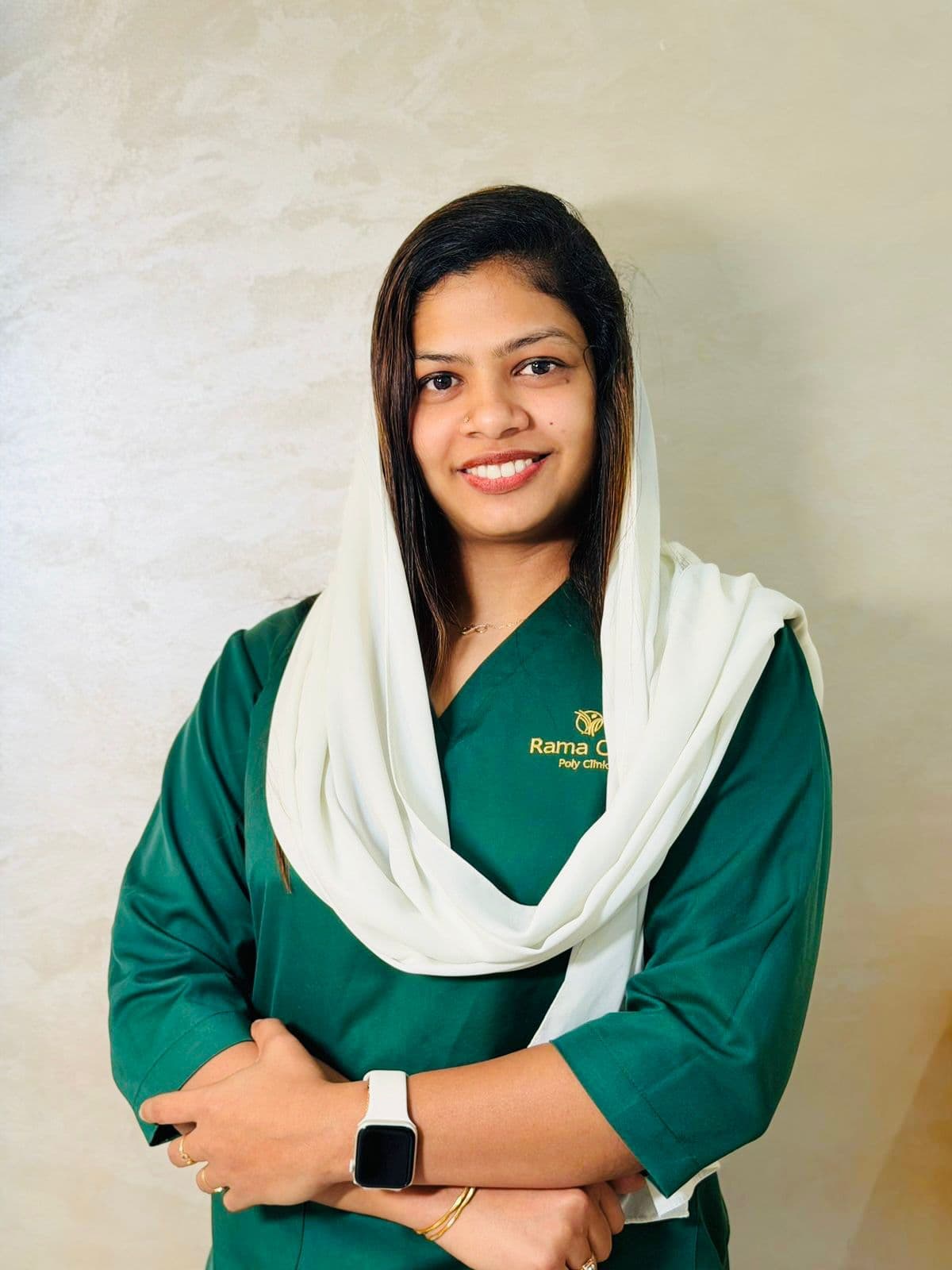
Dr. Shamna Keloth Meethal
BAMS (Ayurveda Practitioner)
General Ayurveda & Preventive Care
11+ Years Experience | DHA LicensedKey Expertise
- General Ayurveda: Prakriti evaluation & consultations
- Preventive Healthcare & Daily Routine guidance
- Ayurvedic Diet & Gut Health counseling
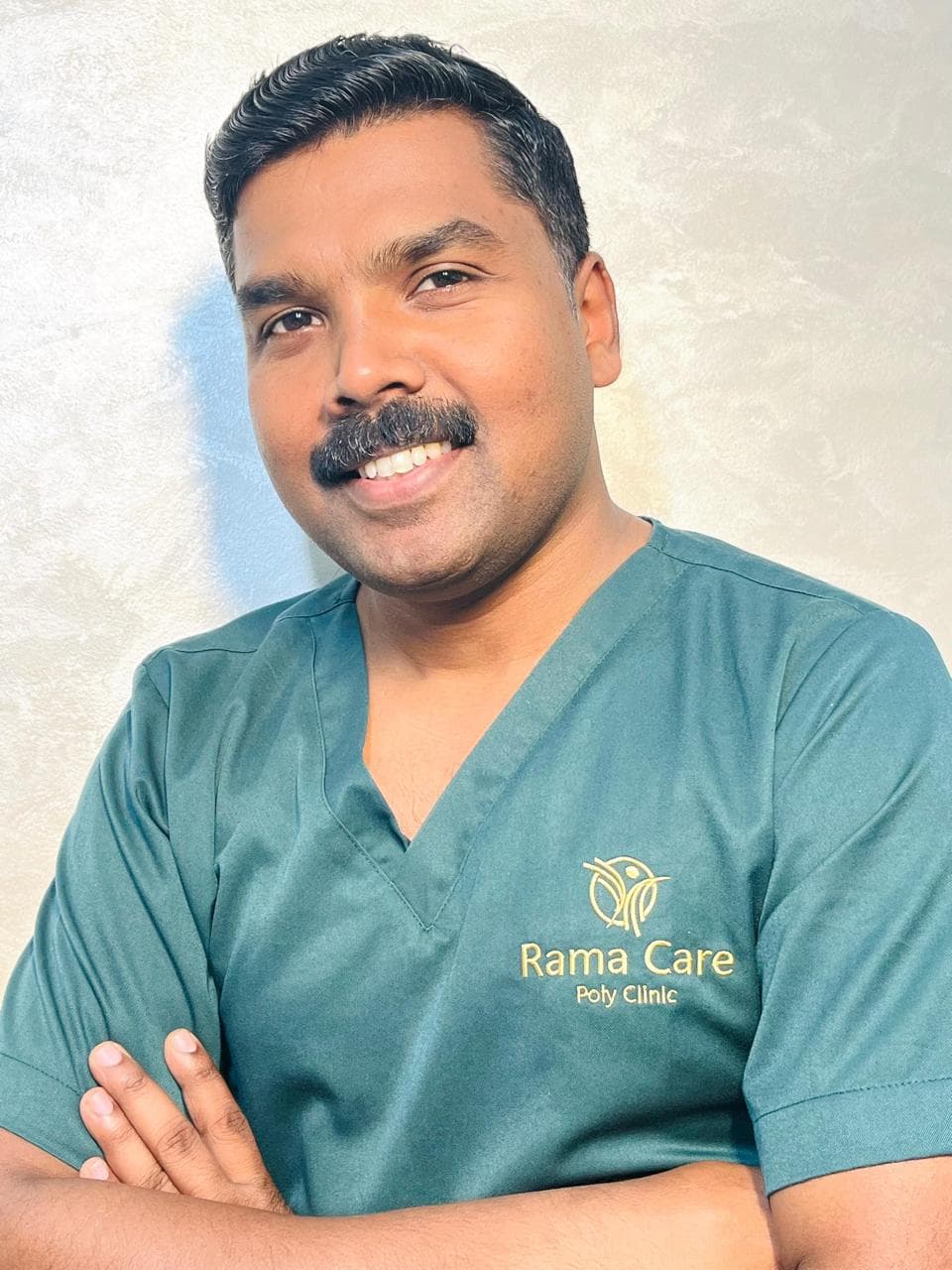
Syamkumar Sasidharan
Diploma in Ayurveda Panchakarma Therapy
Ayurveda Panchakarma Therapy & Holistic Wellness
17+ Years Experience | DHA LicensedKey Expertise
- Delivering traditional Ayurvedic treatments including Abhyanga, Panchakarma, and Shirodhara
- Detoxification therapies and personalized lifestyle consultations
- Holistic diagnosis and restoration of body imbalances
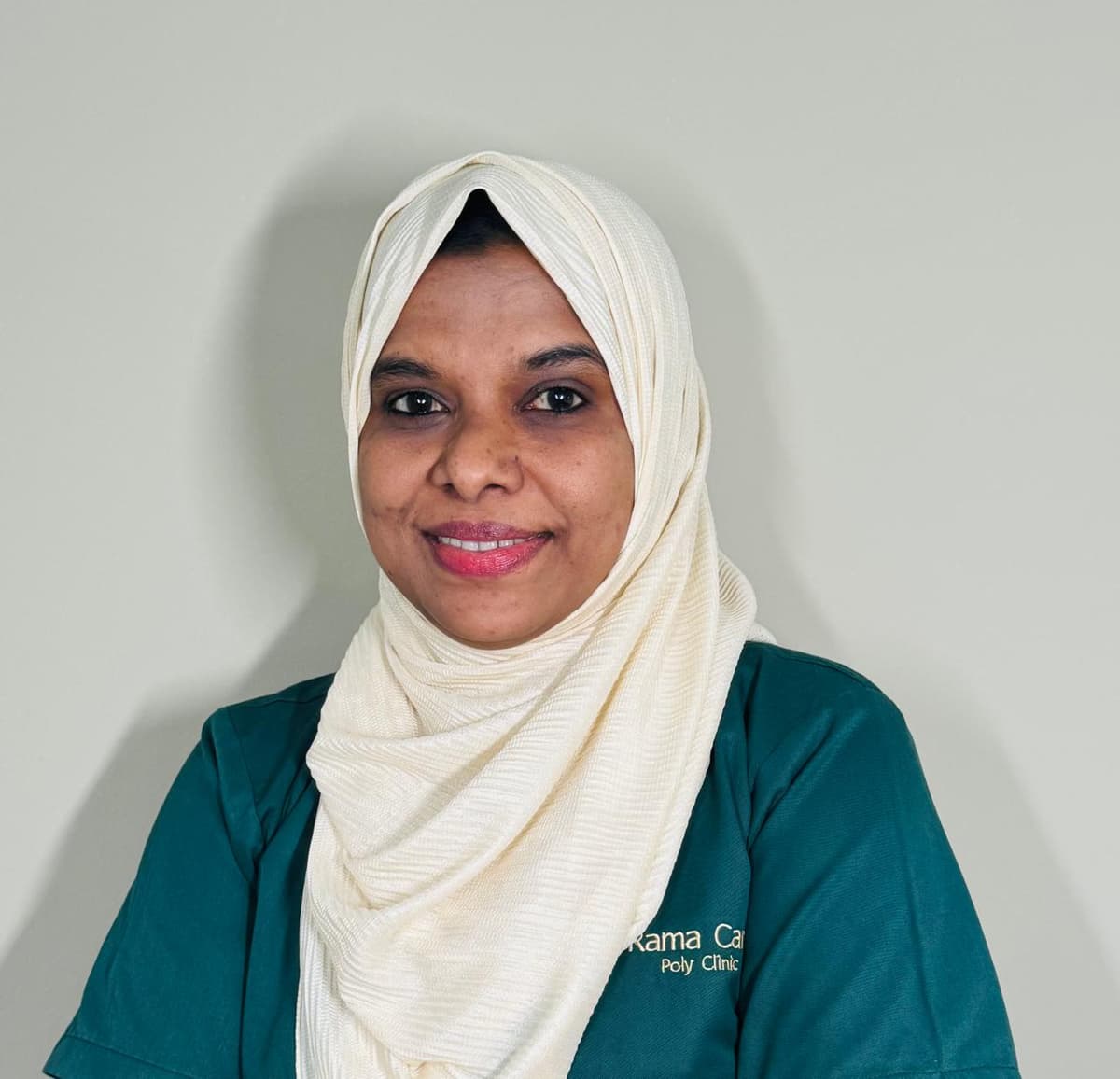
Mariya Thayyil Muhammed
DHA Licensed Ayurveda Therapist
Ayurveda Therapy & Holistic Wellness
14+ Years UAE ExperienceKey Expertise
- Traditional Ayurveda therapies
- Panchakarma support treatments
- Abhyanga and therapeutic massage
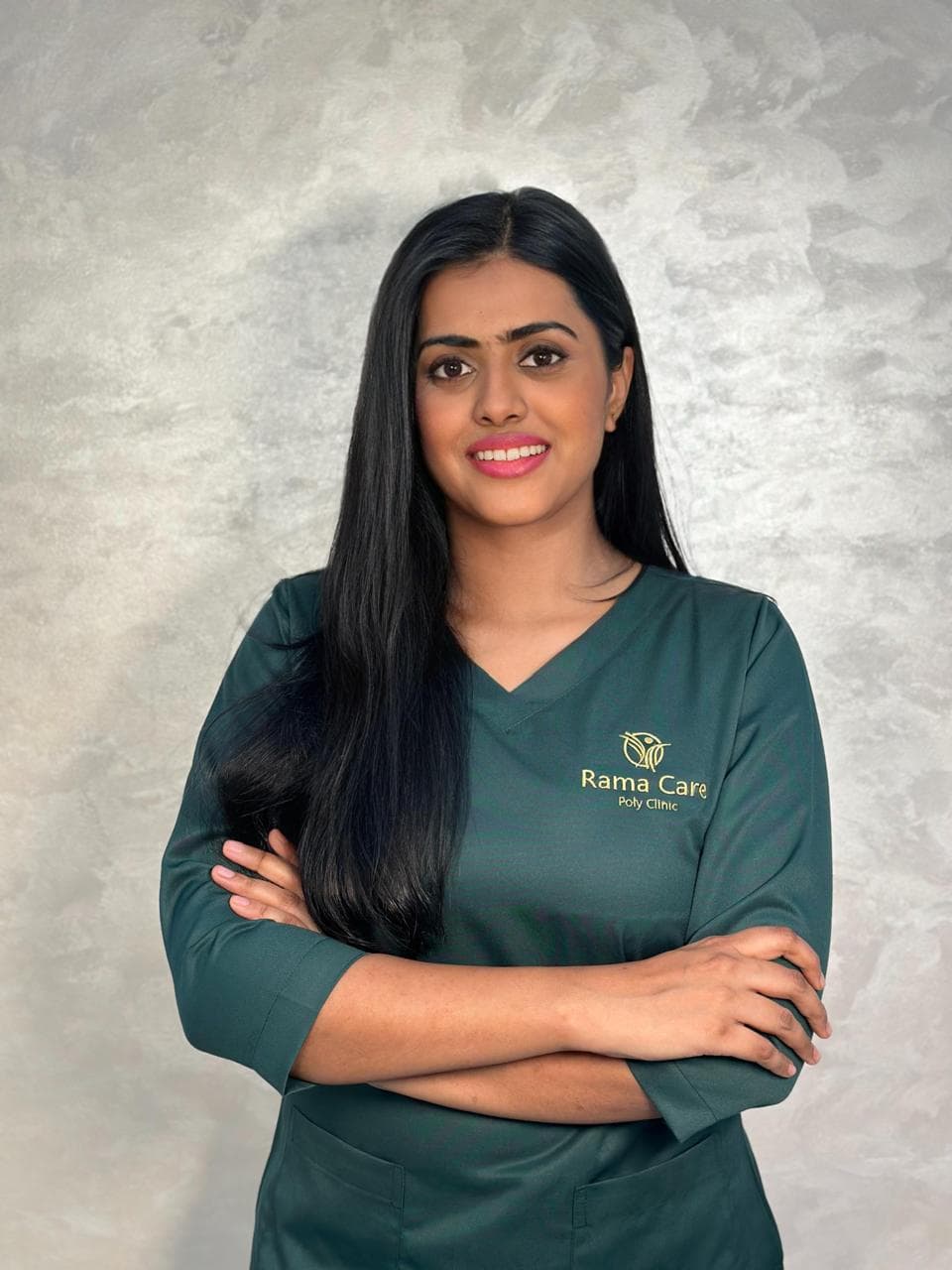
Jeena Mathew
BPT, MPT (Physiotherapy)
Musculoskeletal Physiotherapy
8+ Years ExperienceKey Expertise
- Back Pain & Sciatica: Manual therapy and strengthening
- Neck Pain: Joint mobility and posture advice
- Shoulder & Knee Pain: Rehabilitation
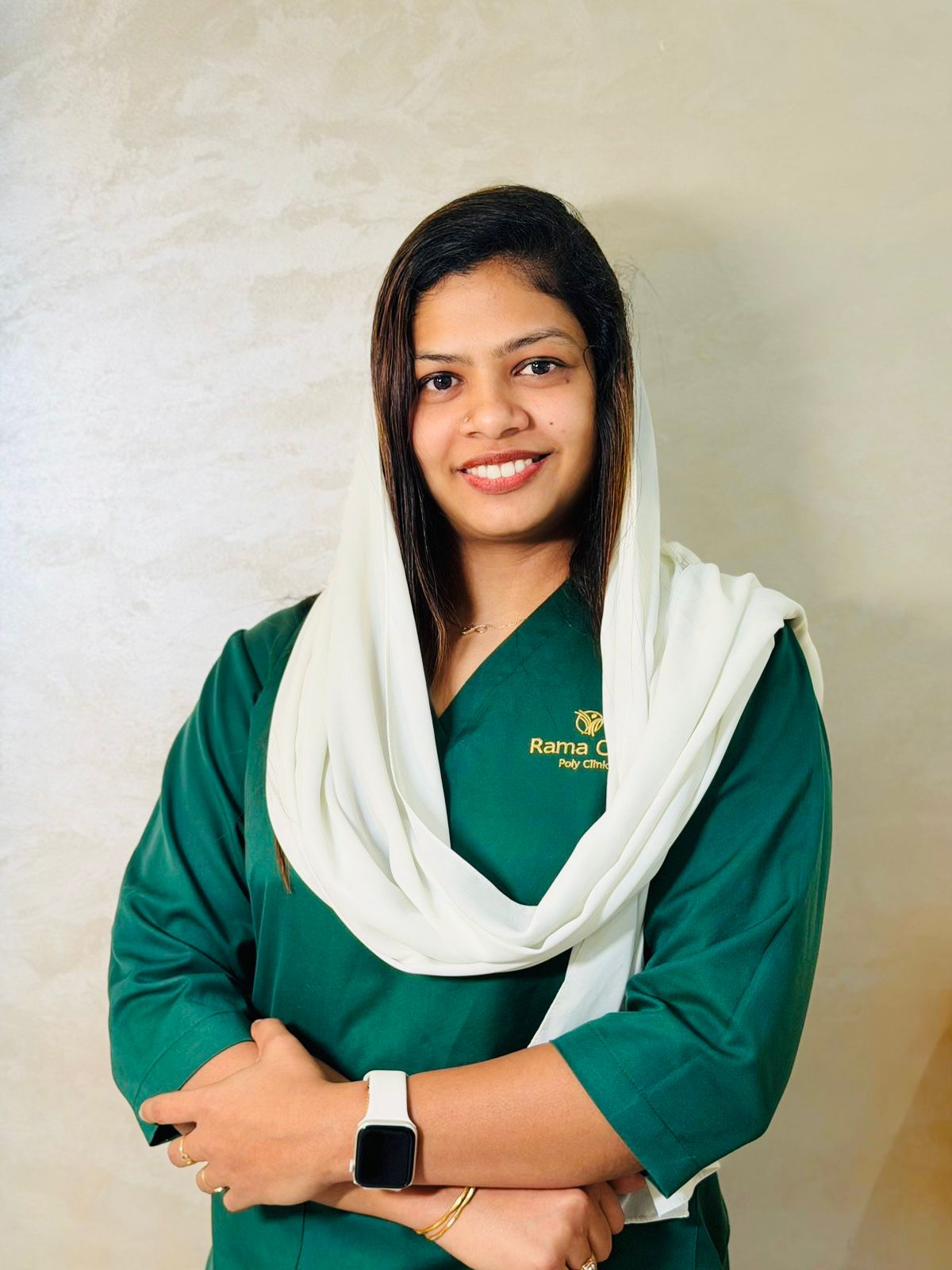
Content Reviewed by Dr. Shamna Keloth Meethal
Ayurveda & Holistic Health Specialist
BAMS · DHA Licensed Ayurveda Doctor • 11+ Years Clinical Experience
Book Your Consultation Today
Take the first step towards better health and wellness. Our DHA-licensed specialists are ready to help.
Get In Touch
Call Us
+971 04 286 2006
Chat with us instantly
query@ramacarepolyclinic.com
Clinic Address
12 Al Dhiyafah Rd - Jumeirah Terrace Building,
Ground Floor, Jumeirah 1 - Dubai
Clinic Hours
Request Appointment
DHA Licensed
Certified Healthcare Facility
DHA-Licensed Team
Doctors, dentists and therapists
Open 7 Days
10am to 10pm, walk-ins welcome
4.8/5 Rating
217 Google reviews
Leech Therapy Dubai
RamaCare Polyclinic • Jumeirah 1