
Microneedling & Skin Renewal
If you've noticed changes in your skin's texture, visible acne scarring, fine lines, enlarged pores, or the general effects of sun exposure over the years, you may have come across microneedling as a possible option. At RamaCare Polyclinic Dubai, Microneedling & Skin Renewal is offered as a professionally assessed treatment designed to support the skin's own collagen remodeling process — not as an automatic solution for every skin concern.
We understand that skin concerns are personal, and no two patients arrive with the same combination of history, skin type, and goals. That's why treatment at RamaCare always begins with a proper conversation and assessment, rather than a one-size-fits-all recommendation. Our clinicians take time to understand what's bothering you about your skin, review relevant medical history, and only then discuss whether microneedling — alone or alongside other options — makes sense for you.
Common concerns patients bring to this conversation include:
"If any of this sounds familiar, the next step isn't booking a treatment — it's booking a conversation."
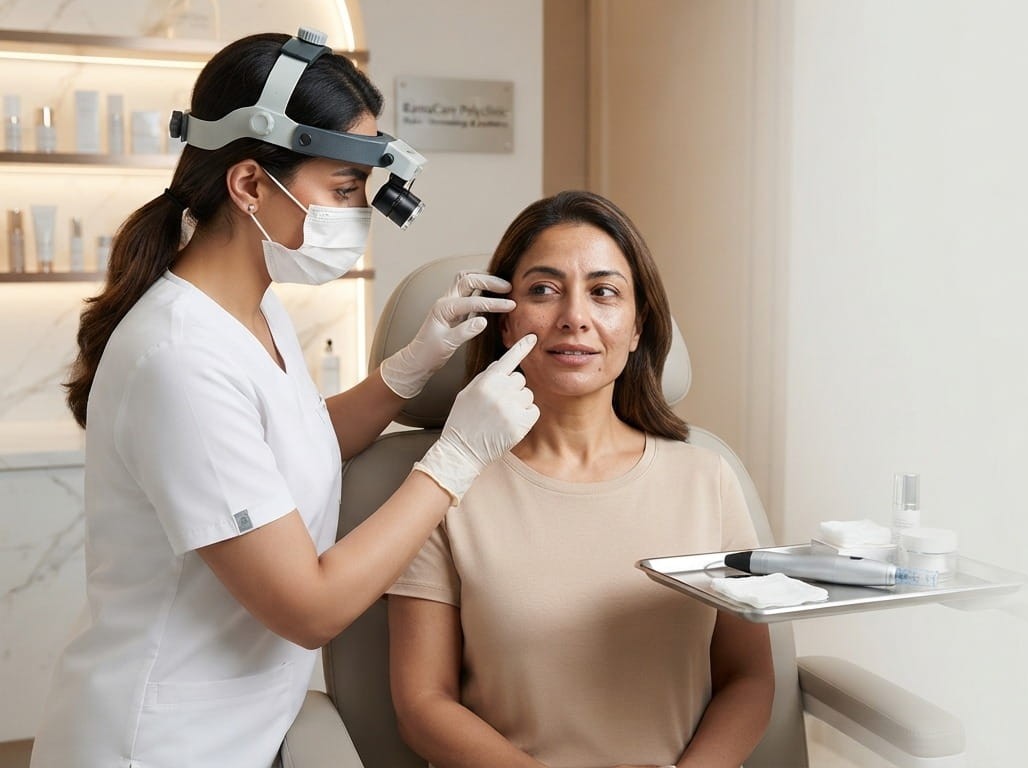
RamaCare Aesthetic Care Dubai
Individualized dermatological skin assessment prior to treatment.
What Is Microneedling?
Microneedling, sometimes referred to as collagen induction therapy, is a professional aesthetic procedure that uses a device fitted with fine, sterile needles to create controlled micro-injuries in the skin. These micro-channels are extremely small and are made in a structured, clinically controlled way — this is quite different from what an at-home roller or device can achieve.
The idea behind microneedling is fairly simple: the skin has a natural healing response. When it detects these tiny, controlled injuries, it begins a repair process that involves the production of collagen and elastin — two proteins that give skin its structure, firmness, and smoothness. Over time, this healing response can contribute to changes in skin texture and overall skin quality.
It's important to be clear about what microneedling does and doesn't do. It does not “create new skin” or replace the skin's surface. What it does is stimulate a biological healing response within the existing skin, encouraging the dermis to remodel itself gradually. This is why microneedling is generally considered a supportive, gradual treatment rather than an instant fix.
Professional microneedling differs from at-home devices in several important ways, including needle depth control, sterility standards, and the ability of a trained clinician to assess your skin and adjust the treatment accordingly. We'll cover this distinction in more detail later in this page.
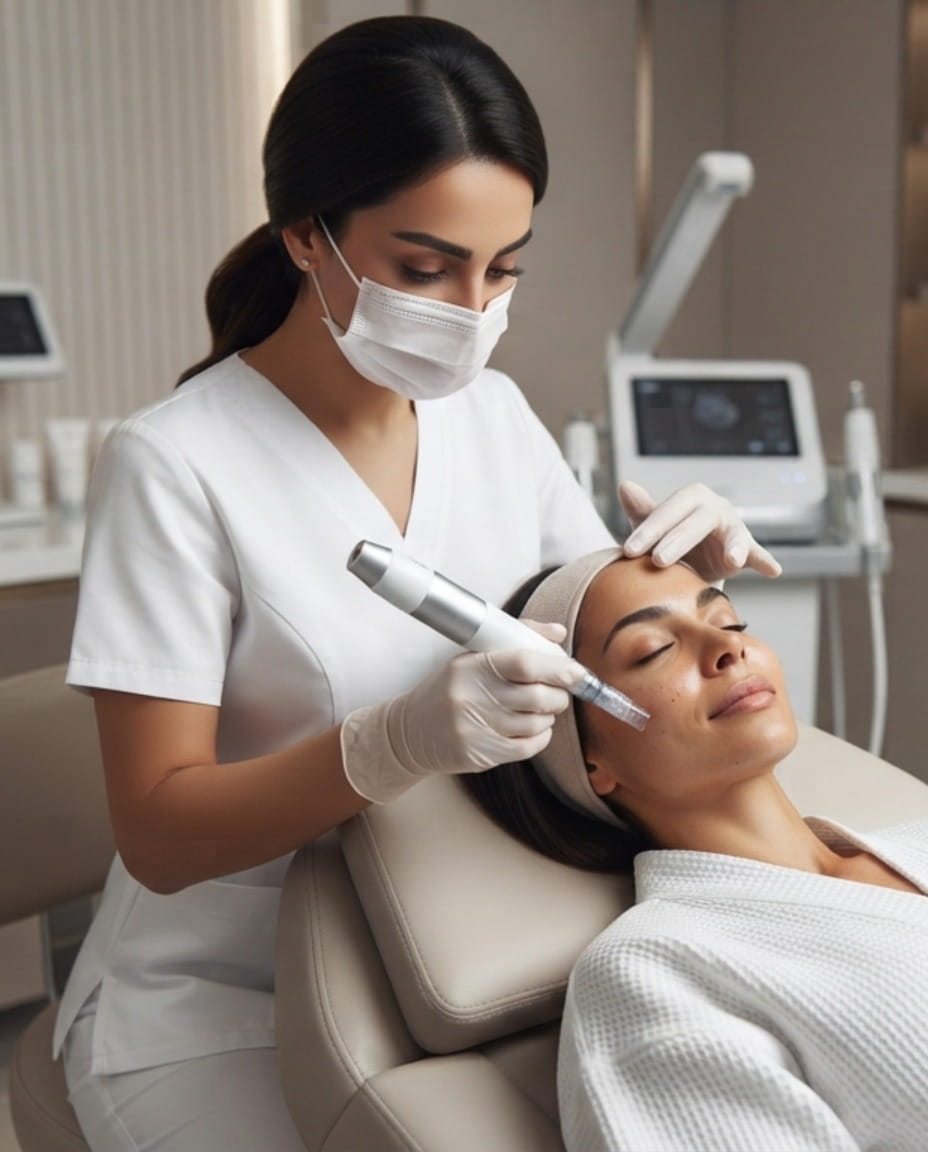
Clinical Mechanism
Controlled Micro-Injuries Triggering Collagen & Elastin Remodeling
How Does Microneedling Work?
Understanding the process can help set realistic expectations. Here's a general step-by-step overview of how a microneedling session typically unfolds:
Skin assessment
Your clinician examines your skin, discusses your concerns, and reviews relevant medical history.
Cleansing and preparation
The treatment area is thoroughly cleansed to reduce the risk of irritation or infection.
Topical numbing where appropriate
Depending on the treatment area and your comfort level, a topical numbing cream may be applied.
Controlled microneedling
A sterile, professional-grade device is used to create controlled micro-injuries in the skin, with depth adjusted based on your skin's condition and the concern being addressed.
The skin's healing response begins
Almost immediately, the body starts its natural repair process.
Collagen and elastin remodeling
Over the following weeks, the dermis undergoes gradual remodeling as new collagen forms.
Gradual improvement over time
Changes in skin texture typically develop progressively rather than appearing overnight.
Follow-up and maintenance
Your clinician may review your progress and discuss whether further sessions are appropriate.
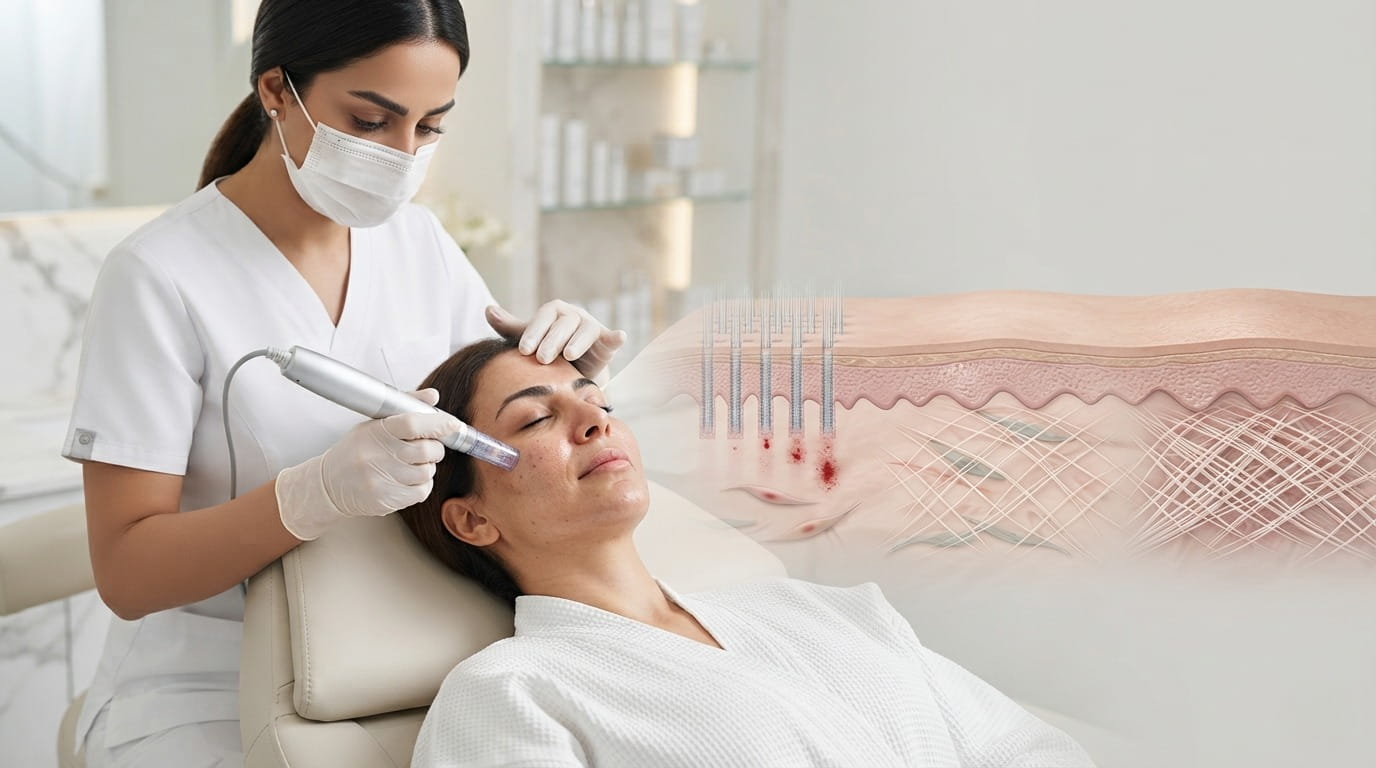
Gradual Dermal Remodeling
Because skin renewal is a biological process, visible changes generally build up over several weeks, not within a single session.
Microneedling & Skin Renewal: What Can It Help With?
Microneedling & Skin Renewal is generally considered for a defined set of cosmetic skin concerns. It's worth understanding how each concern relates to the treatment, since expectations differ depending on what you're addressing.
Acne Scars
Microneedling may help improve the appearance of certain types of acne scarring, particularly textural scars where the skin's surface has an uneven contour. Not all acne scars respond the same way — scar depth, age, and type (textural versus pigmented) all influence how a clinician approaches treatment planning.
Uneven Skin Texture
Rough or uneven-feeling skin texture is one of the more common reasons patients ask about microneedling. The controlled collagen remodeling triggered by treatment may contribute to smoother-looking skin over a series of sessions, though the degree of change varies between individuals.
Fine Lines and Early Wrinkles
Microneedling is sometimes included as part of a broader skin-rejuvenation plan aimed at softening the appearance of fine lines. It is not typically presented as a standalone solution for deeper, more established wrinkles, and your clinician can advise on realistic expectations for your specific skin.
Enlarged Pores
Pores don't shrink, but improvements in the texture of the surrounding skin can sometimes make them appear less prominent. This is a gradual, cosmetic effect rather than a structural change to the pore itself.
Mild Skin Laxity
For patients noticing early, mild skin laxity, microneedling may be considered as part of a wider discussion around skin firmness. Expectations here should remain realistic — this is a supportive treatment, not a substitute for more invasive procedures aimed at significant tightening.
Uneven Skin Appearance
Some patients simply feel their skin looks uneven or lacks clarity, without a single defining concern. In these cases, microneedling may be considered as one component of an individualized skin-rejuvenation plan, alongside appropriate skincare and, where relevant, other treatments.
Benefits of Microneedling
Based on its underlying mechanism, microneedling may offer the following potential benefits. As with any aesthetic treatment, outcomes vary between individuals depending on skin type, concern, and treatment plan.
Clinical Disclaimer:
These are potential benefits associated with the treatment mechanism — not guarantees. Your clinician will discuss what's realistic for your specific skin during your consultation.
Who May Be a Candidate?
Suitability for microneedling is determined on an individual basis. Several factors are taken into account, including:
- Your current skin condition
- The primary concern you'd like to address
- Your general and dermatological medical history
- Any active skin conditions
- Previous cosmetic or dermatological procedures
- Current medications
- Your skin's healing capacity
- Your expectations for the outcome
Consultation Requirement:
A consultation is a necessary first step before any treatment is recommended. This isn't a formality — it's how your clinician determines whether microneedling is appropriate for you, and if so, how the treatment should be tailored.
Who May Not Be Suitable?
There are situations where microneedling may need to be postponed, avoided, or reviewed carefully by a clinician before proceeding. These can include, but are not limited to:
- Active skin infections
- An active inflammatory skin flare-up
- Open wounds or broken skin in the treatment area
- Certain uncontrolled skin conditions
- A history of poor wound healing
- Certain medications that affect skin healing or bleeding
- Recent aggressive cosmetic procedures in the same area
- Other factors identified by your clinician during assessment
Medical Disclosure:
This is not an exhaustive list. It's essential that you disclose your full medical history, current medications, any active skin conditions, and details of recent cosmetic procedures during your consultation, so your clinician can make an informed and safe recommendation.
Microneedling Treatment Process at RamaCare
Consultation
Your visit starts with a conversation. Your clinician will ask about your skin concerns, any previous treatments you've had, your current skincare routine, relevant medical history, medications, and what you're hoping to achieve.
Skin Assessment
Your clinician will evaluate your skin's texture, any scarring, pigmentation, sensitivity, signs of photodamage, and overall condition. This assessment directly informs the treatment plan.
Treatment Preparation
The treatment area is cleansed thoroughly. Depending on clinical judgment and the area being treated, a topical numbing cream may be applied and given time to take effect.
Microneedling Procedure
A professional-grade device is used to create controlled microscopic channels in the skin. Your clinician adjusts needle depth and treatment intensity based on your skin's condition and the concern being addressed.
Immediate Post-Treatment Care
It's common to notice some temporary reactions immediately after treatment, including redness, warmth, mild swelling, tightness, or general sensitivity in the treated area. These are typical short-term responses to the procedure.
Recovery
Recovery time varies depending on treatment intensity and how your individual skin responds. Your clinician will give you a general idea of what to expect based on your specific treatment.
Follow-Up
A follow-up conversation can help assess how your skin has responded and whether additional sessions are appropriate for your goals.
Does Microneedling Hurt?
This is one of the most common questions patients ask, and it deserves an honest answer: sensation during microneedling varies from person to person. Depending on the treatment area and your personal comfort level, a topical numbing cream may be applied beforehand to help minimize discomfort.
During treatment, most patients describe feeling pressure, vibration, or mild discomfort rather than sharp pain. Sensitivity can vary depending on the area being treated and individual pain tolerance. Treatment intensity also plays a role — your clinician can adjust the device settings based on how you're tolerating the procedure.
We won't tell you the treatment is completely painless, because that wouldn't be accurate. What we can tell you is that your comfort is taken into account throughout, and you're encouraged to communicate with your clinician during the session.
Microneedling Recovery and Aftercare
Aftercare plays an important role in how your skin responds to treatment. Here's a general overview — your clinician will provide specific instructions tailored to your treatment depth and skin condition.
First 24 Hours
- Follow your clinician's specific instructions closely
- Avoid unnecessarily touching the treated area
- Avoid harsh or active skincare products
- Avoid excessive heat exposure where advised (such as saunas or hot showers)
Following Days
- Use gentle, non-irritating skincare products
- Maintain appropriate skin hydration
- Apply sunscreen daily as recommended by your clinician
- Avoid picking or irritating the treated skin
- Follow the individualized aftercare plan provided to you
Redness typically settles within a few days for most patients, though this varies. Sun protection deserves particular attention during the healing period, since freshly treated skin can be more sensitive to UV exposure. Your clinician will walk you through exactly what your skin needs during recovery.
When Will I See Results?
Microneedling is generally a gradual treatment, and it's important to approach it with that mindset. Here's what typically happens:
- Initial redness usually settles over the following several days
- Changes in skin texture develop progressively, not immediately
- Collagen remodeling is a biological process that takes time to unfold
- Multiple sessions may sometimes be recommended, depending on your concern
- Results depend heavily on what's being treated — acne scars, texture, and fine lines may all respond differently
- Your individual healing response and skincare habits after treatment also influence the outcome
We won't give you a fixed timeline promising results within a set number of days, because that wouldn't be medically accurate. Your clinician can give you a general sense of what to expect based on your specific treatment plan and skin condition.

Microneedling Before and After
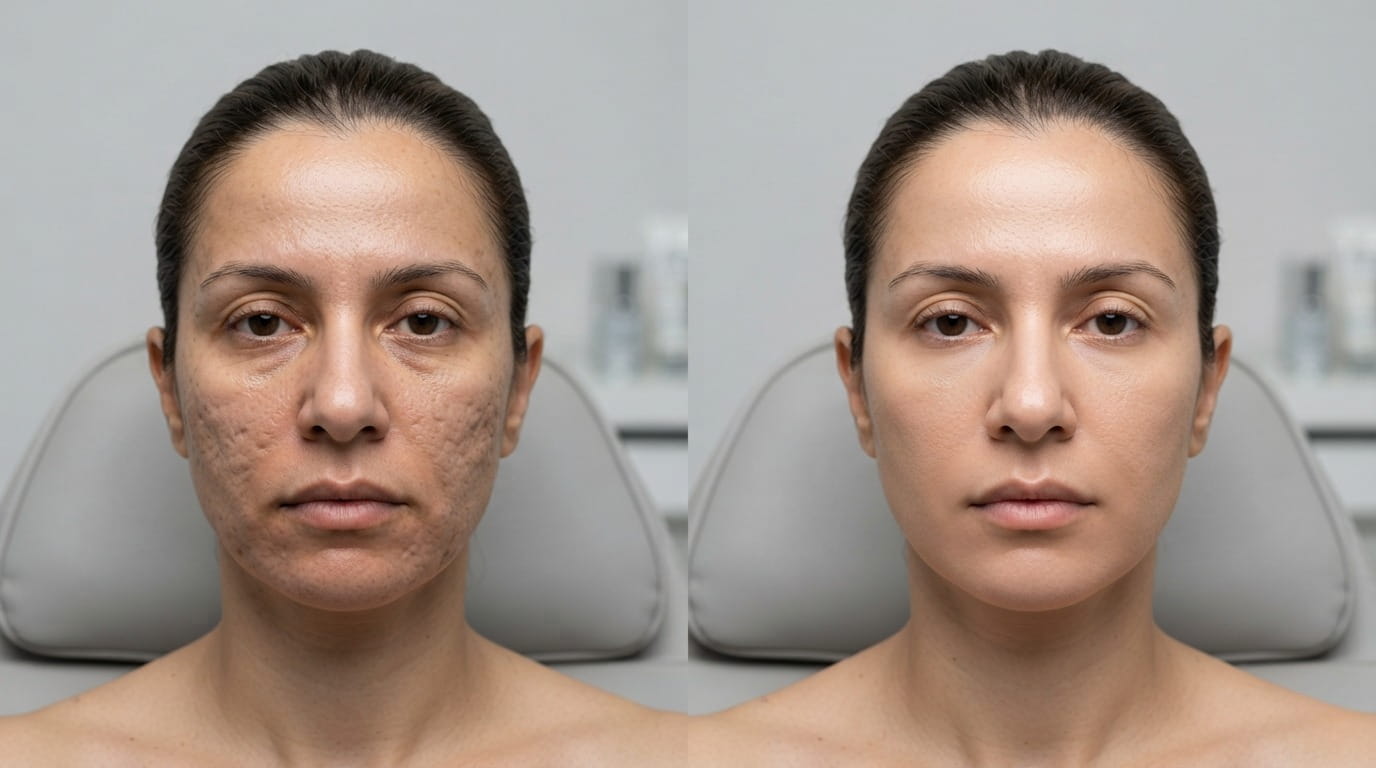
Before-and-after images are common in aesthetic marketing, but they should be interpreted carefully. A number of factors can influence how “dramatic” a before-and-after comparison looks, including:
- Lighting differences between photographs
- Camera angle and distance
- Skin preparation (makeup, hydration, or skincare products) at the time each photo was taken
- The amount of time elapsed between the two photographs
- The number of treatment sessions completed
- Natural individual variation in skin response
We encourage patients to evaluate microneedling based on realistic, clinically documented progress rather than heavily edited or selectively lit social media images. During your consultation, your clinician can discuss what a realistic outcome might look like for your specific skin and concern.
Microneedling vs Other Skin Treatments
Different skin treatments serve different purposes, and the right choice depends on your specific concern and skin condition. Here's a general comparison:
| Treatment | Common Purpose | Key Consideration |
|---|---|---|
| Microneedling | Texture, selected acne scars, fine lines | Gradual collagen remodeling |
| Chemical Peels | Texture and selected pigmentation concerns | Peel depth and skin suitability matter |
| Laser Treatments | Various pigmentation, texture, or rejuvenation concerns | Device and skin type considerations |
| Microdermabrasion | Surface exfoliation | Generally more superficial |
| Skin Boosters | Hydration and skin-quality concerns | Injectable treatment |
| PRP-Based Treatments | Selected rejuvenation indications | Uses autologous blood-derived components |
No single treatment is universally “better” than another — the right approach depends on your skin condition, the concern you're addressing, and your goals. Your clinician can help you understand which option, or combination of options, may be appropriate after assessing your skin.
Microneedling for Acne Scars
Acne scars are not all the same, and this matters when discussing Microneedling for Acne Scars Dubai with patients. Broadly speaking, acne marks can be textural (where the skin's surface has physical unevenness, such as depressed or pitted areas) or pigmented (where discoloration remains after a breakout has healed, without significant textural change).
Microneedling is generally more relevant to textural scarring, where the goal is to support the skin's remodeling process in areas of uneven contour. Pigmented marks often respond differently and may require a different treatment approach altogether.
This is why scar type matters so much in treatment planning. A clinician will look closely at the specific scarring pattern during assessment, and in some cases, multiple treatment approaches may be considered together — either sequentially or as part of a broader plan — rather than relying on microneedling alone.
Setting realistic expectations is particularly important with acne scarring. Improvement tends to be gradual and partial rather than complete, and outcomes vary depending on scar depth, age, and how the individual's skin responds to treatment. Professional assessment is the only reliable way to understand what's realistic for your specific scarring.
Microneedling for Skin Texture and Fine Lines
Microneedling for Skin Texture concerns is one of the more common reasons patients consider this treatment. It may be considered for:
- Rough or uneven-feeling skin texture
- Fine lines, particularly in the early stages
- Mild signs of photodamage from sun exposure
- Skin that appears uneven or lacks clarity
- Enlarged or more visible pores
As with other applications, results here are gradual and individual. Texture-related changes tend to build up across a series of sessions rather than resolving after one treatment, and your skincare routine between sessions can also influence how your skin responds.
How Many Sessions Are Needed?
There's no universal number of sessions that applies to everyone, and any source suggesting otherwise should be treated with caution. The number of sessions recommended for you depends on several factors, including:
- The specific skin concern being addressed
- Scar depth, where relevant
- How your skin responds to initial treatment
- The treatment intensity used
- Your overall goals
- Your clinician's ongoing clinical assessment
Your clinician will discuss an appropriate treatment schedule with you based on these factors, and this schedule may be adjusted as your skin responds over time.
How Often Can Microneedling Be Done?
Similarly, there's no single interval that applies universally. How often microneedling can be repeated depends on:
- The depth of treatment used
- How your skin has responded to previous sessions
- The area being treated
- Your clinician's specific treatment protocol
- Your recovery between sessions
Rather than following a generic interval, your clinician will assess your skin at each follow-up visit and advise on appropriate timing for any subsequent sessions.
Professional Microneedling vs At-Home Devices
It's worth addressing directly: professional microneedling and at-home rollers or devices are not the same thing, and they shouldn't be treated as interchangeable. Key differences include:
Sterility
Clinical settings follow strict sterility protocols that are difficult to replicate at home.
Device quality
Professional-grade devices offer more precise and consistent needle depth control.
Clinical assessment
A trained clinician evaluates your skin before deciding whether, and how, to proceed.
Treatment depth
Needle depth can be adjusted based on the specific concern and area, which home devices generally cannot match safely.
Infection prevention
Professional environments are designed to minimize infection risk during an invasive procedure.
Skin-specific treatment planning
Your treatment is tailored to your skin, not applied generically.
Professional aftercare guidance
You receive individualized instructions based on what was actually done to your skin.
Clinical Safety Warning
We do not recommend attempting invasive skin procedures at home. Microneedling involves creating controlled injuries in the skin, and this should only be performed by a trained professional in an appropriate clinical setting.
Why Choose RamaCare Polyclinic Dubai?
RamaCare Polyclinic is a multidisciplinary healthcare provider based in Dubai, offering aesthetic dermatology services within a broader clinical environment. When it comes to Microneedling & Skin Renewal, here's what patients can expect from us:
A professional healthcare environment for your treatment
Patient-focused consultations that start with listening, not selling
Personalized treatment planning based on your specific skin and goals
Access to a multidisciplinary healthcare setting, should other concerns need attention
Appropriate clinical assessment before any treatment is recommended
Individualized aftercare guidance tailored to your treatment
A convenient Dubai location
A consistent focus on realistic, honest treatment expectations
We believe patients deserve accurate information, not exaggerated promises. Our approach is to help you understand your options clearly, so you can make an informed decision about your skin.
Patient Journey
Frequently Asked Questions
Comprehensive answers to all 20 common patient questions about Microneedling & Skin Renewal.
Conclusion
Choosing to explore Microneedling & Skin Renewal starts with an honest conversation about your skin, not a guaranteed outcome. Whether you're concerned about acne scarring, uneven texture, fine lines, or the general effects of time and sun exposure, the right next step is a professional assessment — one that takes your medical history, skin type, and expectations seriously. At RamaCare Polyclinic Dubai, we focus on individualized planning and realistic guidance, so you can make an informed decision about whether this treatment is right for you.
Ready to explore professional skin renewal?
Book a consultation at RamaCare Polyclinic Dubai to discuss your skin concerns and find out whether microneedling is appropriate for you.
Book Your Free Consultation Today
Take the first step towards better health and wellness. Our DHA-licensed specialists are ready to help.
Get In Touch
Call Us
+971 04 286 2006
Chat with us instantly
query@ramacarepolyclinic.ae
Clinic Address
12 Al Dhiyafah Rd - Jumeirah Terrace Building,
Ground Floor, Jumeirah 1 - Dubai
Clinic Hours
Request Appointment
DHA Licensed
Certified Healthcare Facility
Experienced Team
15+ Years Combined
2,500+ Patients
Successfully Treated
4.8/5 Rating
200+ Verified Reviews
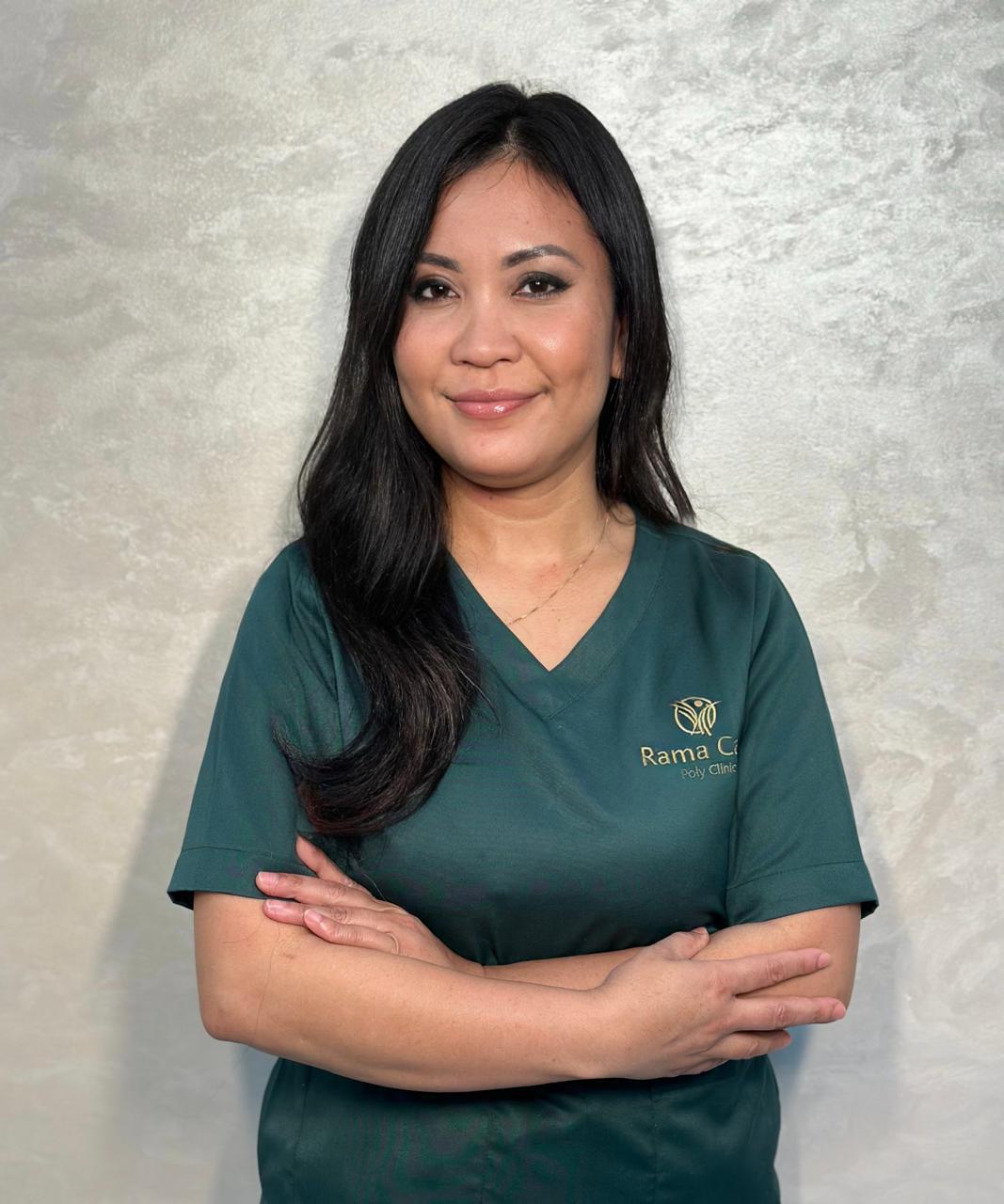
Content Reviewed by Sonita Sinaga
Licensed & Certified Aesthetic Therapist
NCLC Laser Certified · Licensed Aesthetic Therapist • 14+ Years Clinical Experience