
Expert Neck Pain Treatment in Dubai
If turning your head has become a painful chore, or your neck feels stiff the moment you wake up, you're not alone. This is a problem that affects millions of desk-bound professionals in Dubai. Neck Pain Treatment Dubai searches spike every year as more people spend long hours hunched over laptops, phones, and steering wheels. RamaCare Polyclinic sees the results of that lifestyle every day in clinic.
The good news: most neck pain responds well to the right physiotherapy approach. You don't need to live with constant stiffness, headaches, or that nagging ache between your shoulder blades.
At RamaCare Polyclinic, our DHA-licensed physiotherapists assess the real cause of your discomfort, not just the symptoms. We build a treatment plan around your body, your daily habits, and your recovery goals. Whether your pain started last week or has followed you for months, relief is possible with the right expert physiotherapy care.

Neck Pain Treatment Dubai consultation at RamaCare Polyclinic
What is Neck Pain?
Neck pain is discomfort, stiffness, or soreness in the cervical spine — the seven small vertebrae that support your head and connect it to your shoulders. These vertebrae, muscles, ligaments, and discs let you turn, tilt, and nod your head. When any part of this structure is strained, irritated, or compressed, pain follows.
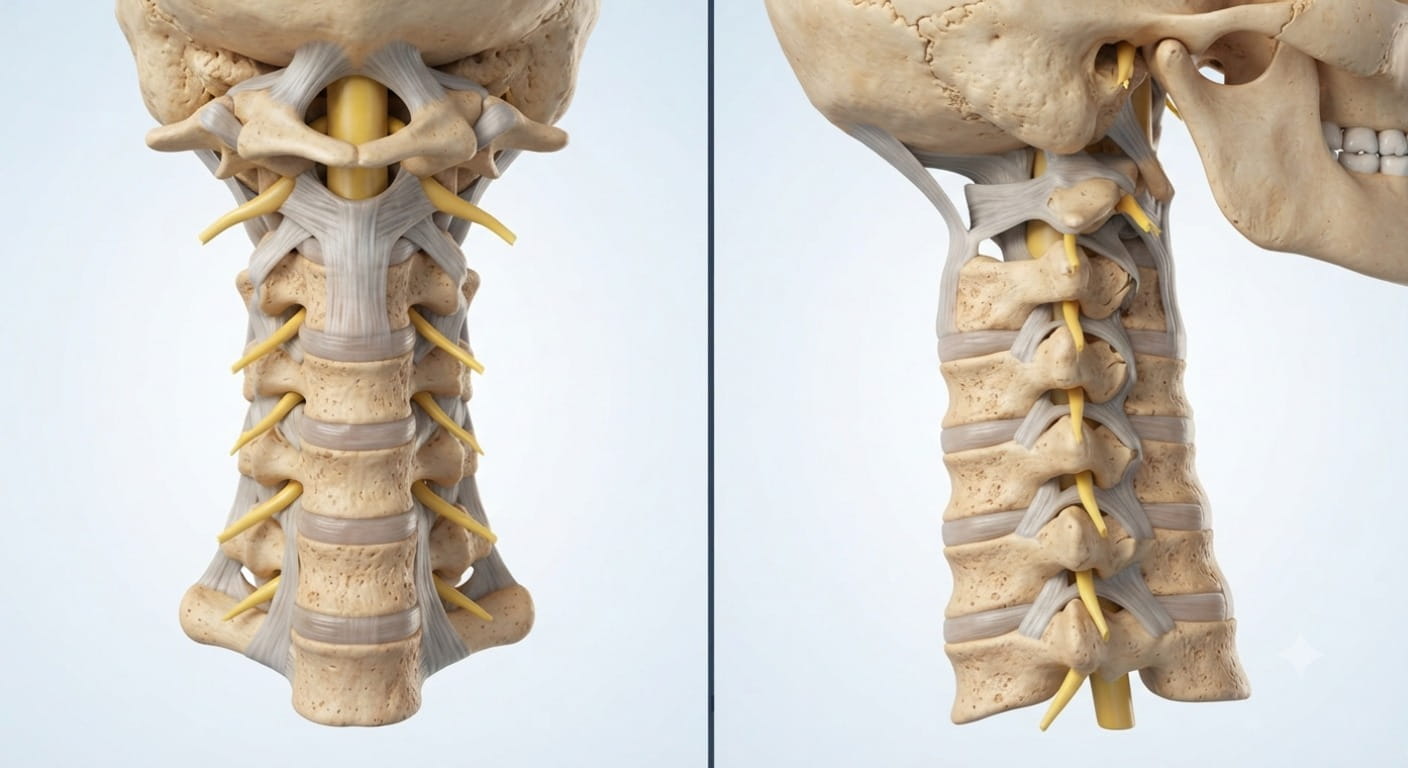
Cervical spine anatomy diagram showing neck vertebrae
Acute vs. Chronic Neck Pain
Acute neck pain usually appears suddenly, often after sleeping awkwardly, a minor strain, or a long day at a desk. It typically settles within a few days to a couple of weeks. Chronic neck pain often points to an underlying issue such as cervical spondylosis, a disc bulge, or long-standing postural strain.
Why Early Diagnosis Matters
Left untreated, minor neck strain can develop into chronic tension, nerve irritation, or reduced range of motion. Getting an accurate assessment early — rather than waiting for the pain to become unbearable — makes recovery faster and more straightforward. This is the foundation of effective neck pain treatment that Dubai clinics should offer.
Common Causes of Neck Pain
Neck pain rarely comes from a single source. Understanding what's driving your discomfort is the first step toward the right treatment plan.
| Cause | What's Happening |
|---|---|
| Poor posture | Slouching strains the muscles that hold your head upright |
| Text neck | Looking down at phones repeatedly overloads the cervical spine |
| Office work | Long, static hours at a desk stiffen neck and shoulder muscles |
| Muscle strain | Sudden movement or overuse irritates neck muscles |
| Whiplash | Rapid back-and-forth motion, often from a car accident, injures soft tissue |
| Cervical spondylosis | Age-related wear on the cervical vertebrae and discs |
| Herniated disc | Disc material presses on a nearby nerve root |
| Arthritis | Joint inflammation reduces mobility and causes stiffness |
| Pinched nerve | Compression of a cervical nerve causes localized and radiating pain |
| Sports injuries | Contact sports or repetitive strain can injure neck structures |
| Sleeping posture | An unsupportive pillow or awkward sleeping position strains the neck overnight |
| Stress-related tension | Emotional stress often settles as muscle tightness in the neck and shoulders |

Common causes of neck pain including posture and text neck
Many patients are dealing with more than one of these at once. Forward head posture often combines with stress-related muscle spasm, or a neck muscle strain that has spread into the upper shoulders. This overlap is why upper back and neck pain so often occur together, and why a proper assessment matters more than guessing at home remedies.
Symptoms of Neck Pain
Neck pain symptoms vary depending on the underlying cause, but common signs include:
Neck stiffness, especially in the morning — one of the most frequent reasons patients seek treatment
Joint stiffness that limits how far you can turn your head
Pain while turning or tilting the head
Headaches starting at the base of the skull
Shoulder pain or tightness
Arm pain that radiates from the neck
Tingling sensations in the arm or hand
Numbness along the arm
Muscle weakness in the arm or hand
Muscle spasms in the neck or upper back
Reduced range of motion when looking side to side
If pain radiates into your arm with tingling or numbness, this often signals nerve involvement — a pattern we look for closely during assessment, since it changes how we approach treatment.
Risk Factors
Certain habits and circumstances raise your likelihood of developing neck pain. Recognizing them helps you understand your own risk.
Sedentary lifestyle — weak postural muscles struggle to support the head properly
Long computer use — hours at a screen encourage forward head posture
Mobile phone overuse — constantly looking down loads the cervical spine
Poor ergonomics — desks, chairs, and monitors set up incorrectly strain the neck
Heavy lifting — improper lifting technique can strain neck and shoulder muscles
Previous injuries — an old whiplash or sports injury can leave lasting vulnerability
Aging — natural wear on the cervical discs and joints increases with age
Dubai's fast-paced, desk-heavy work culture means office syndrome — a cluster of neck, shoulder, and back complaints from prolonged sitting — is one of the most common reasons patients seek specialist care.
When Should You See a Physiotherapist?
Signs to Seek Care
Not every stiff neck needs professional care — some cases settle with rest and gentle movement. But certain signs mean it's time for a proper evaluation:
Pain that persists beyond a few days
Pain lasting more than a week without improvement
Numbness or tingling running down your arm
Noticeable muscle weakness in your arm or hand
Loss of normal neck movement
Pain that began after an injury or accident
Neck pain that keeps returning in cycles
Seek Urgent Medical Attention
Severe pain after a fall, accident, or blow to the head or neck
Sudden weakness or numbness affecting both arms or legs
Loss of bladder or bowel control alongside neck pain
These symptoms may indicate a serious spinal issue and require immediate medical evaluation, not physiotherapy alone.
Diagnosis at RamaCare
Effective neck pain treatment begins with an accurate diagnosis. Our physiotherapists follow a structured assessment process.

Medical history — understanding when your pain started, what triggers it, and any past injuries
Physical examination — checking the neck, shoulders, and upper back for tenderness and muscle tightness
Posture analysis — identifying forward head posture or other alignment issues contributing to strain
Cervical mobility testing — measuring how far and how comfortably you can move your neck
Neurological examination — testing reflexes, sensation, and strength to check for nerve involvement
Functional assessment — observing how your neck pain affects daily movement and activity
Imaging referrals when necessary — X-ray or MRI referrals for cases that don't respond as expected or show warning signs
This thorough approach ensures your treatment plan targets the actual source of your pain, not just the area that hurts.
What to Expect From Neck Pain Treatment Dubai Clinics
A reliable clinic combines hands-on therapy with active rehabilitation, not just short-term pain relief. You should expect a clear explanation of your diagnosis, a treatment plan tailored to your findings, and measurable progress checkpoints along the way.
Neck Pain Treatments at RamaCare
Our approach to neck pain treatment combines hands-on therapy with active rehabilitation. We build every rehabilitation program around your specific diagnosis.
Manual Therapy
Hands-on techniques that ease muscle tension, improve joint mobility, and reduce pain in the early stages of treatment. Often the starting point for those with significant stiffness or muscle spasm.
Dry Needling
Fine needles target tight muscle knots and trigger points, particularly effective for myofascial pain and nerve compression symptoms in the neck and upper shoulders. Performed by licensed physiotherapists.
Electrotherapy
Used to calm inflamed tissue and reduce pain signals, especially useful when neck pain is at its most acute. Often paired with manual therapy for faster relief.
Ultrasound Therapy
Deep heating therapy that increases blood flow and supports tissue healing in strained or inflamed areas. Typically combined with a broader treatment plan.
Therapeutic Exercises
Guided movement exercises that restore normal neck function and reduce compensatory strain on the shoulders and upper back.
Stretching Program
Targeted stretches for the neck, shoulders, and upper back to relieve tightness and improve flexibility.
Cervical Stabilization Exercises
Exercises that strengthen the deep neck muscles responsible for supporting your head, reducing strain on the spine itself.
Strength Training
Progressive strengthening for the neck and upper back once acute pain has settled, helping prevent recurrence.
Posture Correction
Practical guidance on sitting, standing, and movement habits that reduce ongoing strain on the cervical spine.
Ergonomic Education
Advice on workstation setup, monitor height, and daily habits to reduce repeated strain — especially valuable for office-based patients.
Sports Rehabilitation
For athletes recovering from neck-related sports injuries, this program combines strengthening and stretching exercises to restore strength and mobility.
Home Exercise Program
A personalized set of exercises to continue between sessions, reinforcing progress and supporting long-term recovery.
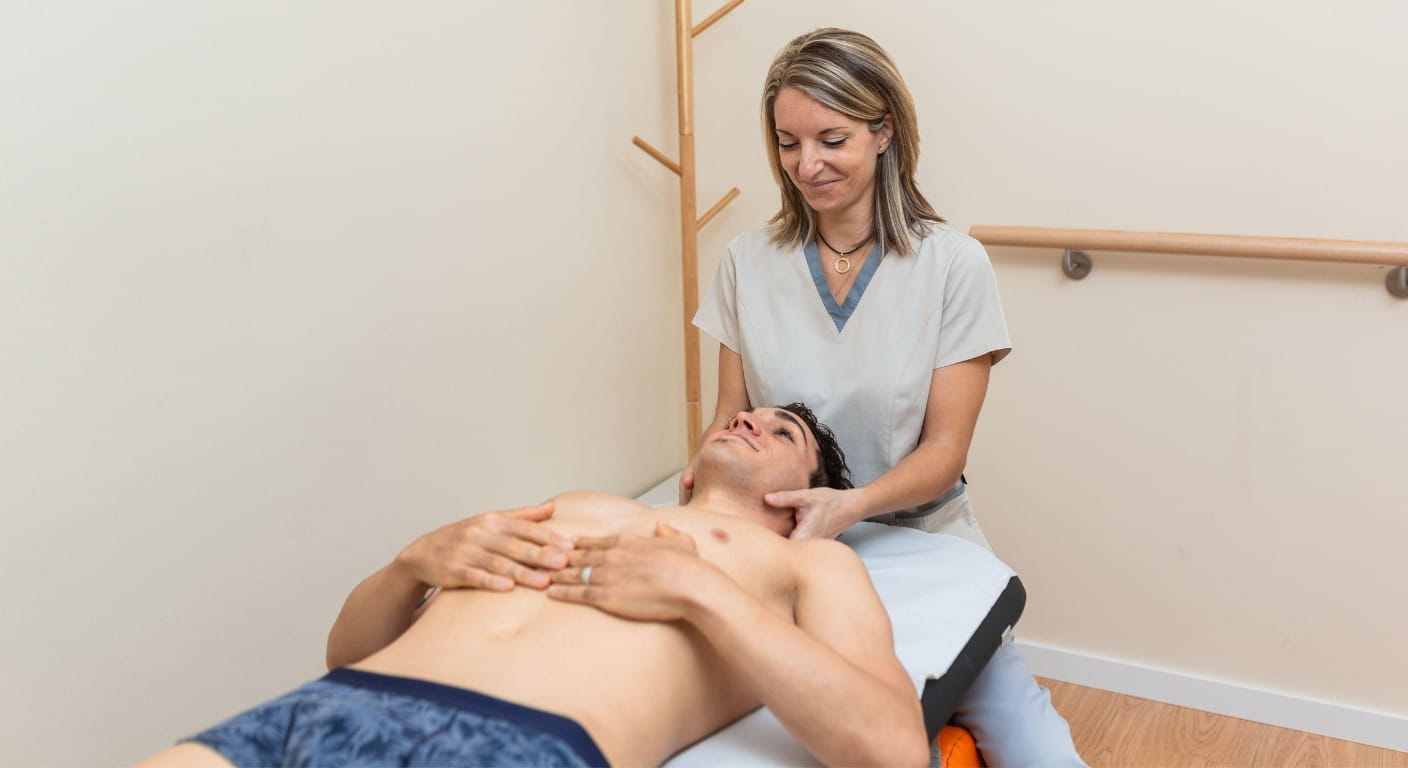
Manual therapy session for cervical pain treatment Dubai

Dry needling therapy for neck muscle tension Dubai
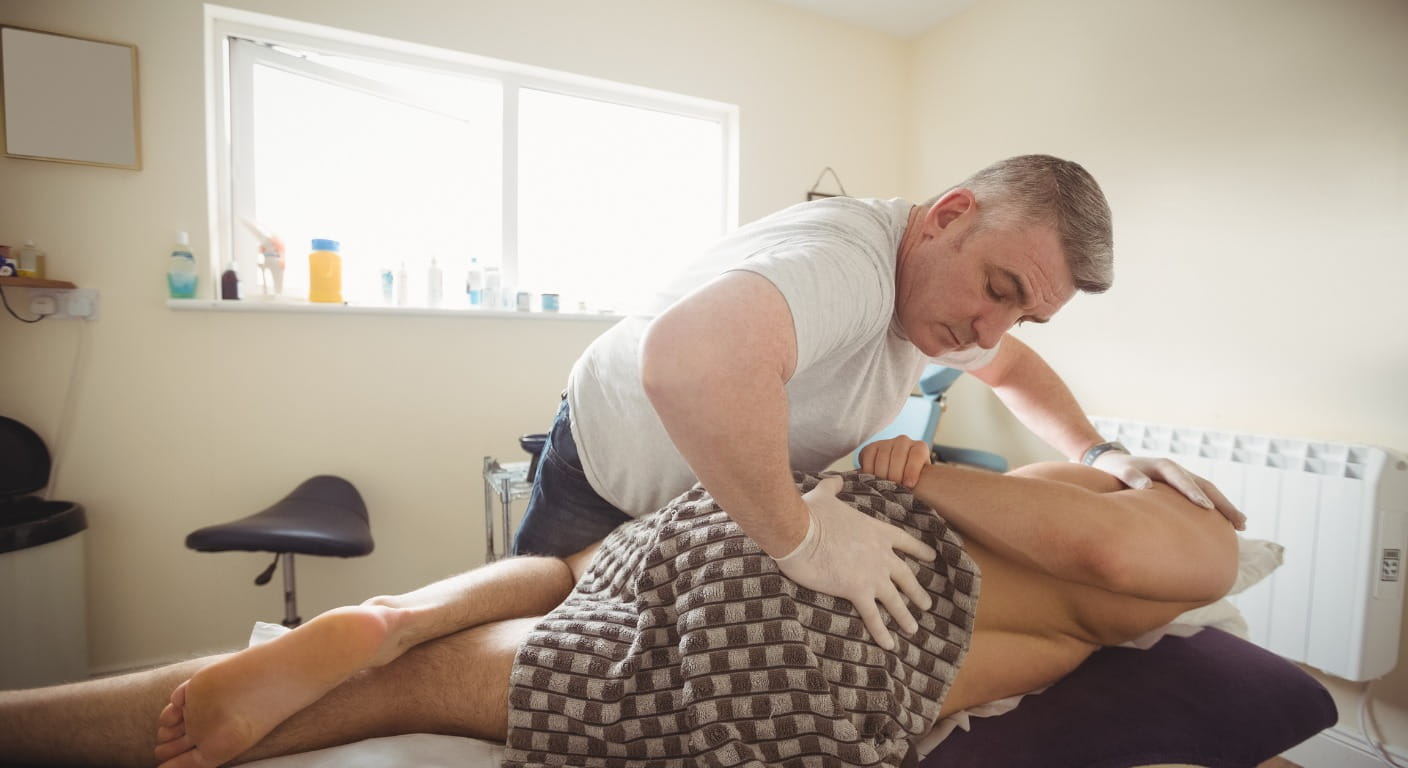
Posture correction technique for neck pain relief Dubai
Each treatment is introduced at the appropriate stage of your recovery. Early sessions typically focus on reducing pain and muscle tension, while later sessions build strength and address the habits that caused the problem in the first place.
What to Expect: Recovery Timeline
Recovery speed depends on the underlying cause, how long symptoms have been present, and consistency with home exercises. As a general guide:
Weeks 1–2
Focus is on calming pain and muscle guarding, using manual therapy, electrotherapy, and gentle guided movement.
Weeks 3–4
Range of motion typically improves and stretching progresses; stabilization exercises are introduced as pain settles.
Weeks 5–8
Strengthening and posture correction take priority, with home exercises reinforcing clinic sessions.
Beyond 8 weeks
Chronic or long-standing cases may need an extended program, with periodic reassessment to track progress.
These ranges are illustrative, not a guarantee — mild, recent-onset neck pain often resolves faster, while chronic or nerve-related pain can take longer. Your physiotherapist will give you a realistic estimate after your initial assessment.
Conditions We Treat
Our physiotherapists manage a wide range of neck-related conditions, including:
Cervical spondylosis
Muscle strain
Text neck
Pinched nerve
Herniated cervical disc
Whiplash
Office syndrome
Sports injuries
Postural neck pain
Chronic neck pain
If your neck pain is connected to a broader issue, our team also manages related conditions such as back pain, frozen shoulder, and sciatica.
Benefits of Physiotherapy
Structured physiotherapy offers meaningful advantages over rest or over-the-counter medication alone:
Pain relief without relying solely on medication
Better posture and spinal alignment
Improved flexibility in the neck and shoulders
Stronger muscles supporting the cervical spine
Increased range of motion
Faster, more structured recovery
Reduced risk of the pain returning
Better overall quality of life
Physiotherapy also gives you practical tools to manage your neck health independently, rather than depending on repeated treatment every time discomfort returns.
Neck Pain Prevention Tips
Once your neck pain has improved, these habits help keep it that way:
Set up your workstation correctly — your monitor should sit at eye level, roughly an arm's length away
Check your monitor positioning — avoid looking down or craning your neck forward for long periods
Stretch every hour — a short break to move your neck and shoulders prevents stiffness from building up
Do strength exercises regularly — strong neck and upper back muscles support better posture
Maintain proper sleeping posture — keep your spine neutral, avoiding sleeping on your stomach
Choose the right pillow — one that supports the natural curve of your neck
Manage stress — tension often settles in the neck and shoulders, so stress reduction matters
Stay active with regular exercise — general fitness supports spinal health and posture

Ergonomic desk setup to prevent neck pain Dubai
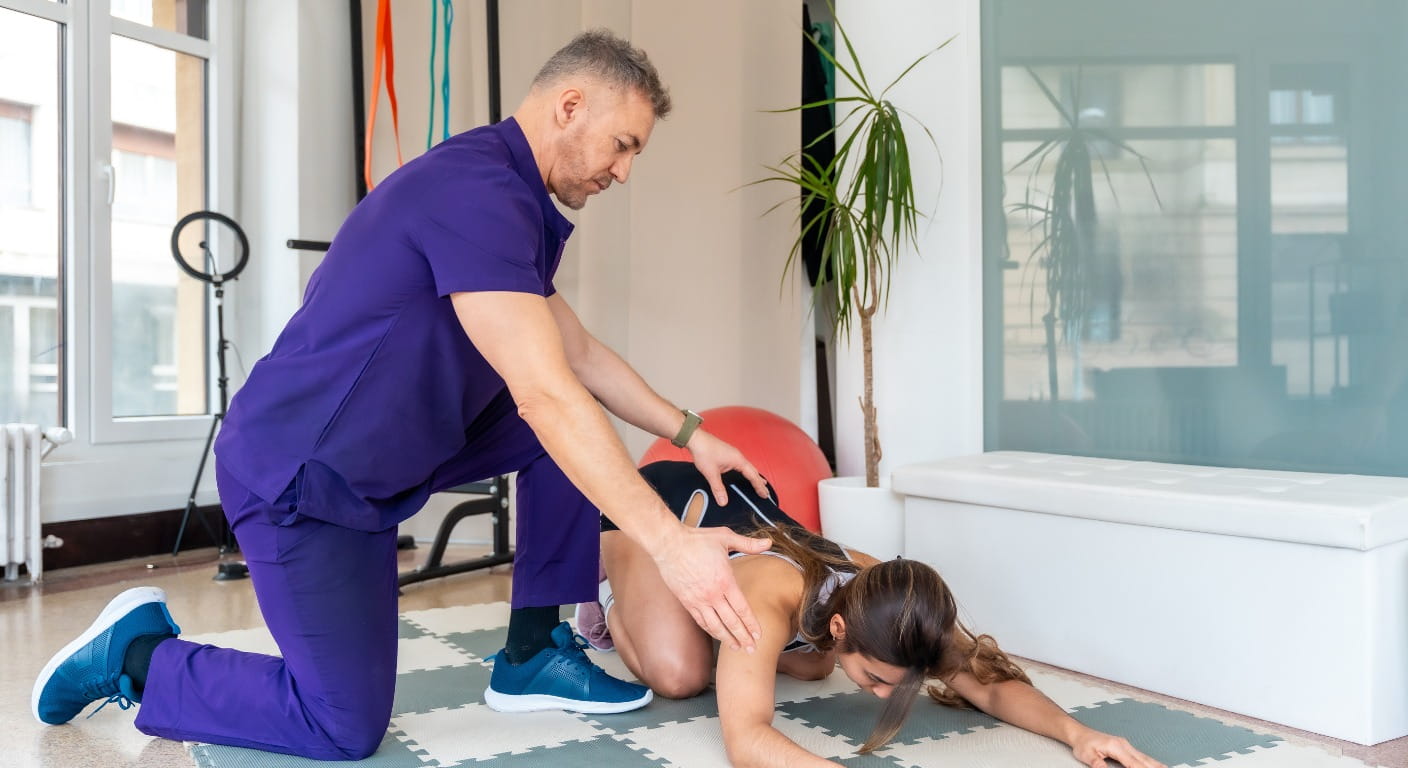
Guided neck stretching exercise at Dubai physiotherapy clinic
Why Choose RamaCare Polyclinic?
When you're comparing options for neck pain treatment in Dubai, here's what sets us apart:
DHA Licensed Physiotherapists
With hands-on clinical experience
Personalized Treatment Plans
Every program is built around your specific condition and goals
Modern Rehabilitation Equipment
For accurate assessment and effective treatment
Evidence-Based Physiotherapy
Aligned with current clinical research
Multidisciplinary Care
Coordinated support when your condition needs more than one specialty
Convenient Dubai Location
Easy to reach for regular sessions
Compassionate Patient Care
We explain every step so you understand your treatment
Same-Day Appointments
Subject to availability, for patients who need prompt evaluation
Patient Journey
Here's what to expect when you begin treatment at RamaCare Polyclinic:
Initial Consultation
Comprehensive Assessment
Diagnosis
Customized Treatment Plan
Hands-on Therapy
Exercise Program
Progress Monitoring
Recovery
Prevention & Maintenance
Every stage is guided by your physiotherapist, with adjustments made as your condition improves. This structured approach is what makes physiotherapy for neck pain at RamaCare consistent and results-focused.
Frequently Asked Questions
Book Your Consultation
You don't have to manage neck pain on your own. Our DHA-licensed physiotherapists at RamaCare Polyclinic are ready to assess your condition and build a treatment plan around your specific needs.
Take the first step toward lasting relief. Call RamaCare Polyclinic, message us on WhatsApp, or book your physiotherapy consultation online. Early treatment leads to a smoother, faster recovery — don't wait for stiffness or discomfort to become a bigger problem.
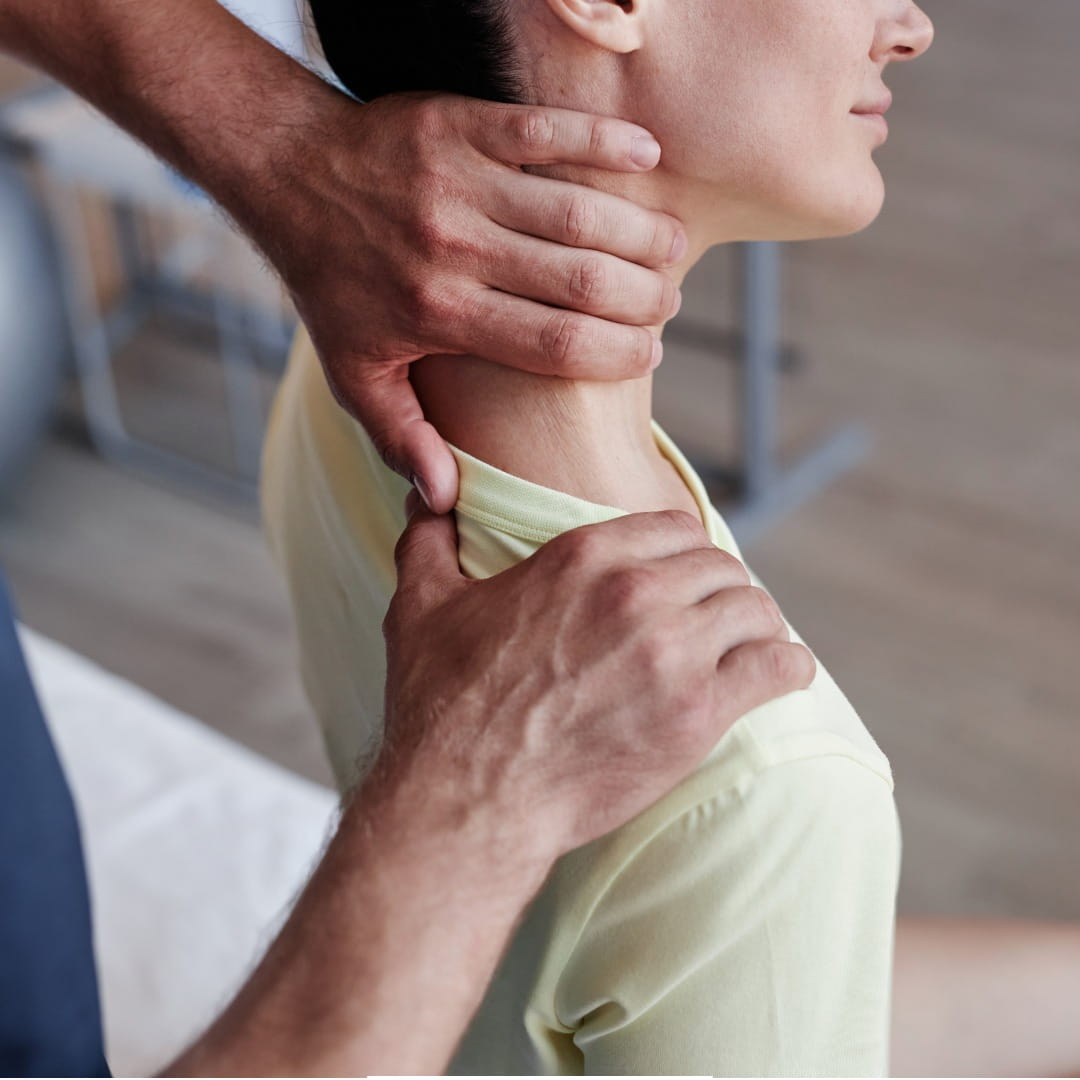
Book Neck Pain Treatment Dubai consultation at RamaCare Polyclinic
Visit our RamaCare Polyclinic homepage to learn more about our full range of physiotherapy and rehabilitation services, including post-surgery rehabilitation. Our team also manages related conditions such as back pain, frozen shoulder, cervical spondylosis, and sciatica.
Related Conditions & Physiotherapy Services
Explore related musculoskeletal therapies and specialized rehabilitation programs at RamaCare Dubai.

Content Reviewed by Jeena Mathew
Musculoskeletal Physiotherapy Specialist
BPT, MPT (Physiotherapy) · DHA Licensed Physiotherapist • 8+ Years Clinical Experience · 600+ Patients Treated
Medical Disclaimer: This content is for general educational purposes and does not replace professional medical advice, diagnosis, or treatment. Always consult a qualified healthcare provider regarding your specific condition. Individual results vary, and no treatment outcome is guaranteed.