
Plantar Fasciitis Treatment Dubai
Evidence-Based Physiotherapy for Lasting Heel Pain Relief
If your first steps out of bed feel like walking on a bruise, or your heel throbs after a long day on your feet, you're dealing with one of the most common reasons people search for Plantar Fasciitis Treatment Dubai. It's uncomfortable and frustrating — but highly manageable, especially when caught early.
In this guide, we'll cover what plantar fasciitis is, why it develops, how it's diagnosed, and what real, effective treatment looks like. If you'd rather speak with someone directly, our Plantar Fasciitis Specialist Dubai team is ready to assess your foot and get you started.

Plantar Fasciitis Specialist Care
DHA-Licensed Specialist Physiotherapists in Jumeirah, Dubai
What Is Plantar Fasciitis?
The plantar fascia is a thick band of tissue that runs along the bottom of your foot, connecting your heel bone to your toes. It acts like a shock absorber and supports your foot arch every time you stand, walk, or run.
Plantar fasciitis develops when this tissue is placed under repeated stress, leading to small tears and irritation at the point where it attaches to the heel bone. Despite the "-itis" in its name suggesting inflammation, many long-standing cases are better described as degenerative fasciopathy — a gradual breakdown and thickening of the tissue rather than classic short-term inflammation. This is one reason chronic cases can feel so stubborn, and why targeted physiotherapy, rather than rest alone, tends to work best.
Common symptoms include a stabbing pain near the heel, especially first thing in the morning, along with stiffness and tenderness that eases slightly with movement but returns after standing for long periods. Early treatment matters because the longer the fascia stays irritated, the more the surrounding foot muscles compensate, which can lead to further strain in the arch, calf, or even the Achilles tendon.
People often confuse plantar fasciitis with a heel spur, but they aren't quite the same thing. A heel spur is a small bony growth that can form on the heel bone over time, often as a result of long-standing plantar fasciitis, but many people with heel spurs have no pain at all, and many people with significant heel pain have no spur visible on imaging. This is why Heel Spur Treatment Dubai searches often lead people to the same underlying issue: the plantar fascia itself, not the bone.
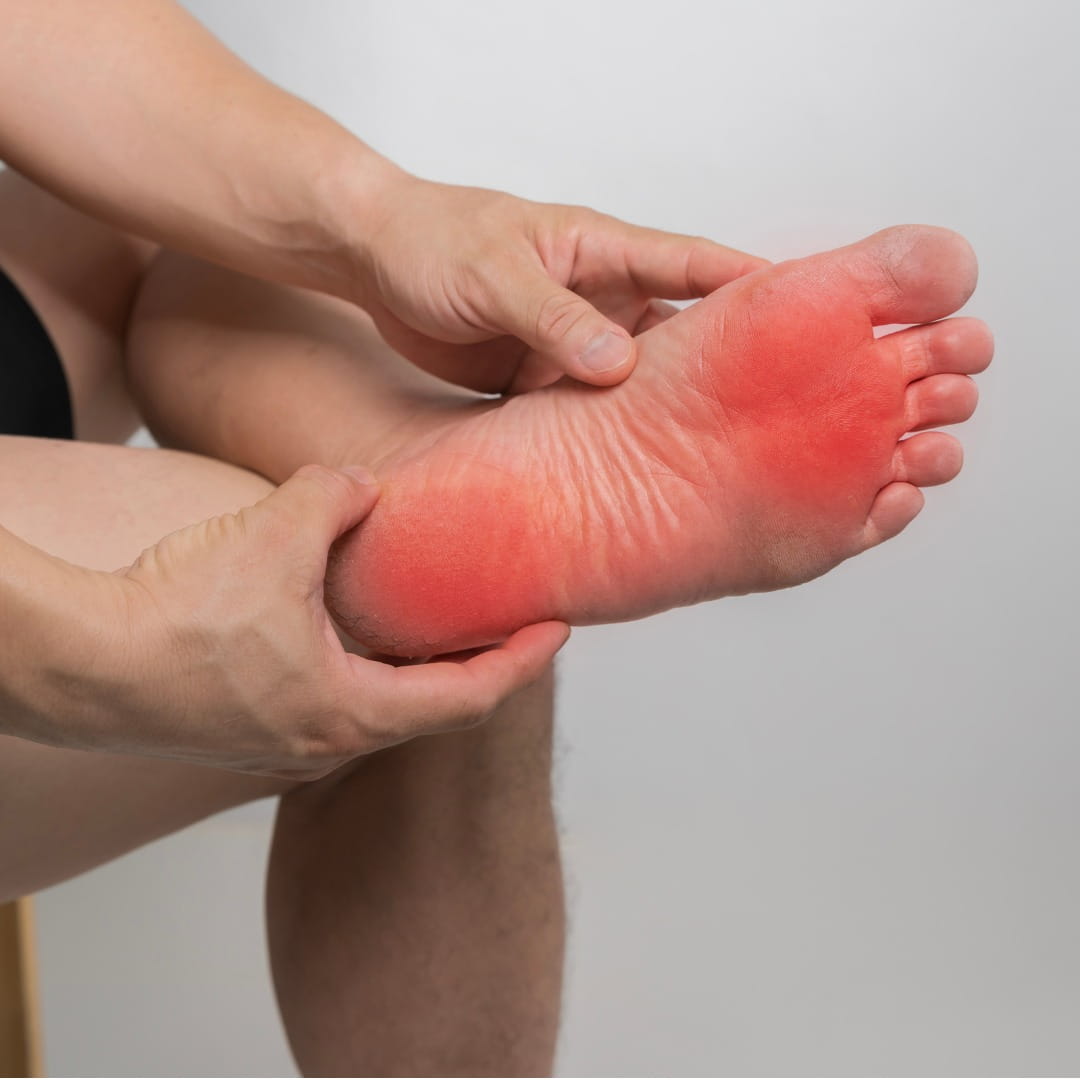
Symptoms of Plantar Fasciitis
Recognize the Pattern
This pattern of morning heel pain that eases slightly with movement, then returns later in the day, is one of the clearest signs of plantar fasciitis. If this sounds familiar, it's worth getting a proper Heel Pain Treatment Dubai assessment rather than pushing through it, since a Foot Pain Treatment Dubai plan built on the wrong diagnosis rarely brings lasting relief.
Common Causes
Foot biomechanics play a central role here — the way your foot arch, ankle, and calf work together during walking or running can either protect the plantar fascia or place it under constant, low-grade stress. This is part of why running injuries are so closely linked to plantar fasciitis, and why walking pain that builds up gradually over weeks deserves the same attention as a sudden sports injury.
Who is Most at Risk
If several of these apply to you, it's worth paying attention early — particularly if you're noticing morning heel pain that's becoming more frequent.
How We Diagnose Plantar Fasciitis
An accurate diagnosis is the starting point for effective Plantar Fasciitis Treatment Dubai. Our physiotherapists begin with a detailed medical history, asking about your activity levels, footwear, occupation, and when your pain tends to flare up.
Foot Mobility Assessment
Checking the range of motion at the ankle and midfoot
Gait Analysis
Observing how you walk or run to identify biomechanical patterns contributing to strain
Heel Palpation
Gently pressing along the heel and arch to pinpoint the exact source of pain
Calf & Alignment Check
Assessment of calf tightness and overall lower limb alignment
In most cases, these clinical tests are enough to confirm plantar fasciitis without further imaging. X-ray or MRI is generally only used if the diagnosis is unclear, symptoms aren't improving as expected, or a differential diagnosis is needed to rule out conditions like a stress fracture, nerve entrapment, or Achilles tendon involvement. This comprehensive assessment approach, in line with guidelines referenced by the American Academy of Orthopaedic Surgeons (AAOS), ensures your treatment plan is built around what's actually driving your symptoms.
Physiotherapy: The Foundation of Treatment
This is where our approach at RamaCare Polyclinic really matters. Effective treatment isn't a single fix — it's a combination of therapies matched to your specific stage of injury, activity level, and foot mechanics. Whether you need general Physiotherapy for Plantar Fasciitis Dubai or a more targeted plan for Plantar Fascia Pain Dubai that's become chronic, the process starts with understanding exactly what your foot needs. Physiotherapy remains the first-line, evidence-based treatment for plantar fasciitis, supported by guidance from the American Physical Therapy Association (APTA) and the NHS.
Manual Therapy
Hands-on techniques help release tightness in the calf and foot muscles, improve circulation, and restore more normal movement through the foot and ankle.
Stretching Exercises
Targeted stretches for the plantar fascia and calf help reduce morning stiffness and gradually improve tissue flexibility.
Strengthening Exercises
Building strength in the small foot muscles and calf supports the arch and reduces repetitive strain on the fascia over time.
Dry Needling
Dry needling can help release tight, overactive muscles in the calf and foot that contribute to ongoing tension through the plantar fascia.
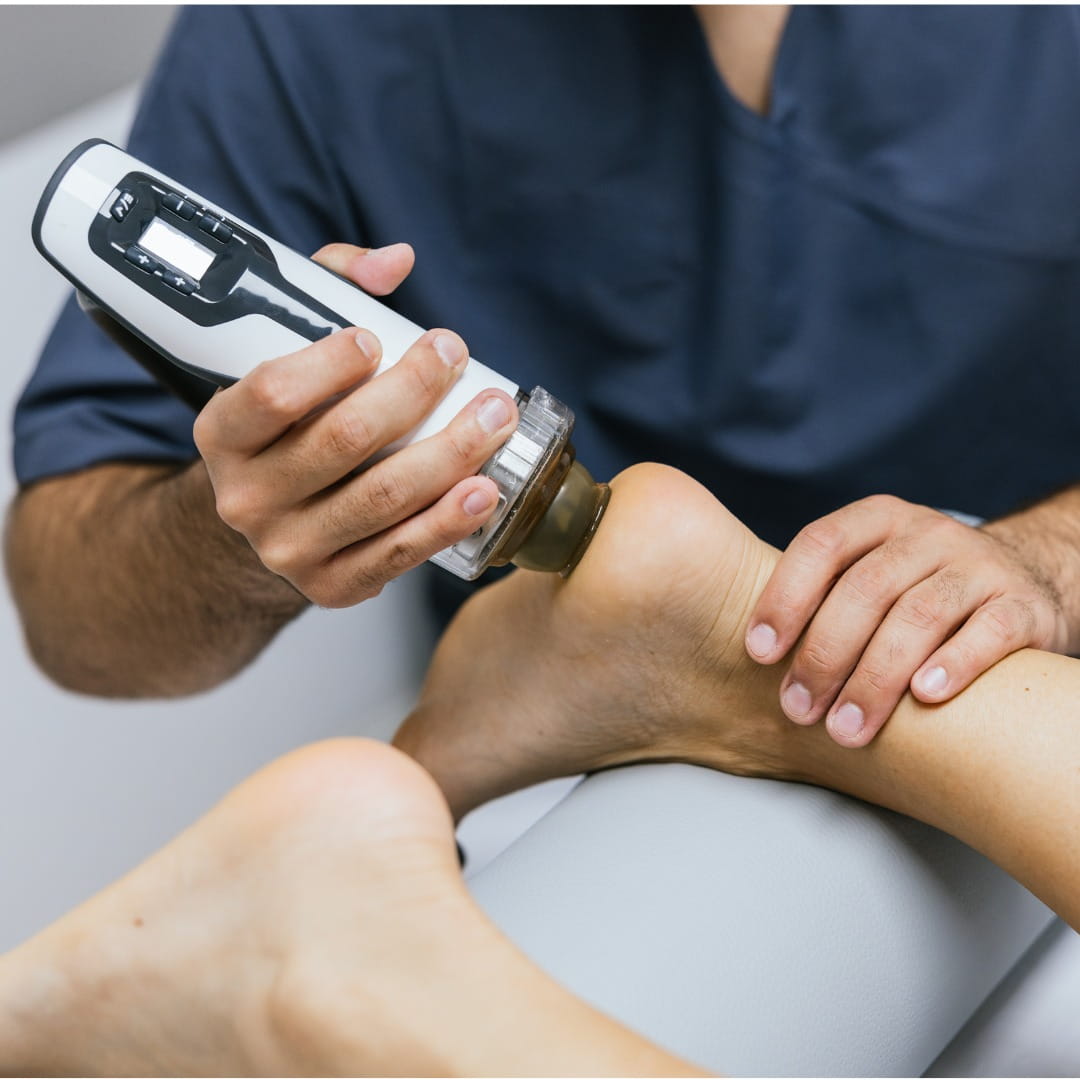
Shockwave Therapy
Uses focused sound waves to stimulate healing in chronic, degenerated fascia tissue — particularly useful for long-standing cases.
Ultrasound Therapy
Can help reduce localized pain and support tissue healing, particularly in the earlier stages of treatment.
Electrotherapy
Electrotherapy modalities may be used to help manage pain, especially when symptoms are acute and limiting daily activity.
Foot Taping
Taping techniques can offload the plantar fascia temporarily, reducing strain during daily activities while the tissue heals.
Orthotics & Shoe Inserts
Custom or off-the-shelf orthotics help redistribute pressure across the foot, support the arch, and reduce ongoing strain on the fascia.
Gait Correction
Where gait analysis identifies contributing patterns, such as overpronation, targeted correction strategies reduce repetitive stress through the heel.
Footwear Advice
Simple changes to footwear, including better arch support and cushioning, can make a significant difference alongside other treatment.
Activity Modification
Adjusting training load, standing time, or running distance temporarily allows the fascia to settle while you continue rehabilitation.
Home Exercise Program
You'll be given exercises to continue between sessions, reinforcing progress and building long-term resilience in the foot and calf.
Benefits of Early Physiotherapy
Faster healing overall
Reduced pain levels earlier in the process
Improved mobility and walking comfort
Better walking mechanics, reducing compensation elsewhere in the body
Prevention of chronic heel pain developing from an untreated acute case
Reduced likelihood of recurrence once you've recovered
Improved overall quality of life, especially for those on their feet all day
According to Mayo Clinic guidance, most cases of plantar fasciitis improve with conservative treatment when addressed consistently — which is exactly why early physiotherapy makes such a difference for Chronic Heel Pain Dubai patients who've been struggling for months.
Exercises for Plantar Fasciitis

Plantar Fascia Stretch
Gently pulling the toes back to stretch the sole of the foot
These exercises should always be prescribed and guided by a physiotherapist, since incorrect technique or progressing too quickly can aggravate the fascia rather than help it heal.
Recovery Timeline
Mild Cases
A Few Weeks
Often improve within a few weeks of starting physiotherapy, particularly when combined with footwear changes and activity modification.
Moderate Cases
6–12 Weeks
May take six to twelve weeks, especially where morning pain has been present for a while or calf tightness is significant.
Chronic Cases
Several Months
Particularly those involving degenerative fasciopathy, can take several months of consistent rehabilitation, sometimes alongside shockwave therapy.
Several factors influence healing speed, including how consistently you attend therapy sessions, how well you follow your home exercise program, whether you make necessary footwear or activity changes, and general home care compliance. Treatment adherence is one of the strongest predictors of a smooth recovery.
Prevention Tips
Why Choose RamaCare Polyclinic?
When searching for Plantar Fasciitis Treatment Dubai, choosing the right clinic makes a real difference to your recovery experience — particularly if you're dealing with Flat Feet Treatment Dubai needs alongside your heel pain, or a Running Injury Treatment Dubai case that needs a structured return-to-sport plan. At RamaCare Polyclinic, our physiotherapy team is built around a few core principles that reflect why patients consider us among the Best Physiotherapy Clinic Dubai options for foot and heel-related conditions.
For athletes and active patients, our broader Sports Injury Physiotherapy Dubai services also support recovery from related conditions through our sports injury rehabilitation, knee pain, back pain, neck pain, and shoulder pain treatment services, since musculoskeletal issues often overlap with foot and gait problems. As part of our sports rehabilitation approach, we also help runners return to training gradually and safely once heel pain has settled. If your heel pain is part of a wider foot or lower-limb issue, our Foot Physiotherapy Dubai team can build a plan that covers the whole picture, not just the fascia.
Meet Our Foot & Heel Pain Specialists
Our team of DHA-licensed physiotherapists provide advanced, evidence-based care for plantar fasciitis and related foot conditions.
Comprehensive 1-on-1 Consultation
Individual assessment based on your symptoms, lifestyle, and aesthetic or medical goals.
Personalised Care Protocol
Evidence-based treatment protocols tailored for comfortable and effective results.
DHA-Licensed Medical Quality
Certified healthcare standards in our modern Jumeirah 1 clinical facility.

Jeena Mathew
BPT, MPT (Physiotherapy)
Musculoskeletal Physiotherapy
8+ Years ExperienceKey Expertise
- Back Pain: Targeted manual therapy & strengthening
- Neck Pain: Joint mobility & ergonomic posture advice
- Shoulder & Knee Pain: Rehabilitation
Frequently Asked Questions - Plantar Fasciitis Treatment Dubai
Take the First Step Toward Lasting Relief
Heel pain doesn't have to become a daily fact of life. Whether it's affecting your morning routine, your daily walk, or your ability to keep running or standing for work, effective Plantar Fasciitis Treatment Dubai starts with an accurate assessment and a plan built around your specific foot mechanics.
At RamaCare Polyclinic, our DHA-licensed physiotherapists combine manual therapy, targeted exercises, shockwave therapy, and practical footwear guidance to help you recover comfortably and get back to daily life without watching every step. Treatment depends on an individual assessment, and recovery varies from patient to patient, but the sooner you begin, the smoother that path tends to be.
If heel pain has been slowing you down, schedule a professional assessment with our team and take the first step toward lasting relief.
Book Your Assessment
Content Reviewed by Jeena Mathew
Musculoskeletal Physiotherapy Specialist
BPT, MPT (Physiotherapy) · DHA Licensed Physiotherapist • 8+ Years Clinical Experience · 600+ Patients Treated
Medical Disclaimer: This content is for general educational purposes and does not replace professional medical advice, diagnosis, or treatment. Always consult a qualified healthcare provider regarding your specific condition. Individual results vary, and no treatment outcome is guaranteed.
Book Plantar Fasciitis Treatment in Dubai Today
Get back to comfortable, pain-free steps with evidence-based heel pain care at RamaCare Polyclinic.
Get In Touch
Call Us
+971 04 286 2006
Chat with us instantly
query@ramacarepolyclinic.com
Clinic Address
12 Al Dhiyafah Rd - Jumeirah Terrace Building,
Ground Floor, Jumeirah 1 - Dubai
Clinic Hours
Request Appointment
DHA Licensed
Certified Facility
Experienced Team
15+ Years Combined
2,500+ Patients
Treated
4.8/5 Rating
Patient Reviews