
Home/Aesthetic Dermatology/RF Microneedling Dubai
RF Microneedling Dubai: Skin Tightening, Texture & Rejuvenation
Skin texture, firmness, and tone naturally change over time, and concerns like enlarged pores, fine lines, or acne scarring often prompt people to look into non-surgical treatment options. RF microneedling is one such option — a technique that pairs traditional microneedling with radiofrequency energy to encourage a controlled skin response. It has become a frequently searched treatment among people in Dubai exploring ways to support their skin's texture and firmness without surgery. Because skin type, concerns, and medical history vary widely from person to person, a professional assessment is an important first step before deciding whether this treatment is appropriate. At RamaCare Polyclinic in Jumeirah 1, Aesthetic Dermatology Dubai services are delivered by DHA-licensed professionals within a broader multidisciplinary healthcare setting, allowing treatment plans to be built around each patient's individual skin condition and goals.
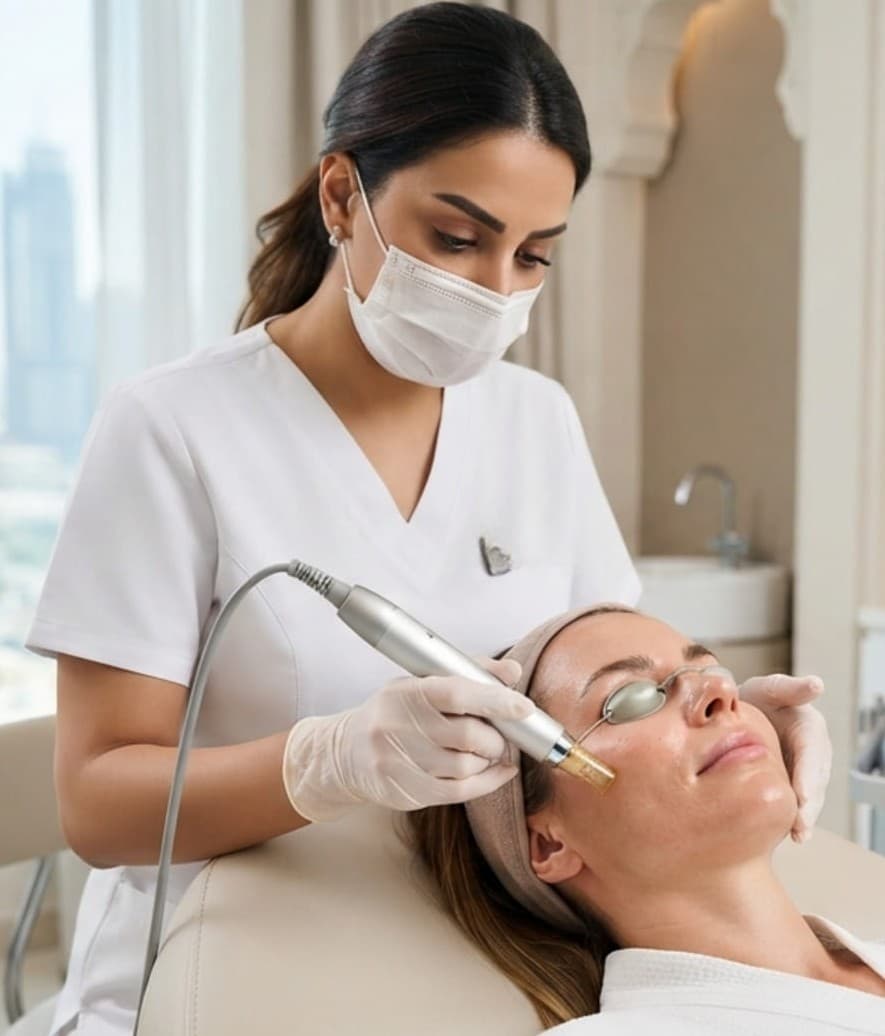
RamaCare Clinical Standard
DHA Licensed Aesthetic Dermatology in Jumeirah 1, Dubai
What Is RF Microneedling?
RF microneedling combines controlled microneedling with radiofrequency energy to create a controlled treatment response within targeted layers of the skin. Fine needles form microchannels while radiofrequency energy delivers controlled heat beneath the surface, which may support the body's natural collagen remodeling process. It may be considered for concerns such as skin texture, mild-to-moderate skin laxity, fine lines, selected acne scars, enlarged pores, and general skin rejuvenation, depending on individual assessment.
What Is RF Microneedling?
RF microneedling is a treatment that combines two established aesthetic technologies: microneedling and radiofrequency (RF) energy. "RF" refers to radiofrequency, a type of energy that generates controlled heat within tissue. "Microneedling" refers to the use of very fine needles to create controlled, superficial micro-injuries in the skin. When combined, fine needles create microchannels that allow radiofrequency energy to be delivered directly into targeted layers of the dermis, rather than only at the skin's surface.
This delivery of thermal energy within the skin, alongside the mechanical micro-injury from the needles, is intended to stimulate the skin's natural healing response, which can include collagen remodeling. Collagen and elastin are structural proteins that support skin firmness and elasticity, and their gradual remodeling is central to how RF microneedling is understood to work.
Traditional microneedling relies solely on the mechanical micro-injury created by the needles to encourage collagen production. RF microneedling adds a thermal component, which is why it is sometimes discussed alongside skin-tightening treatments as well as texture-focused treatments.
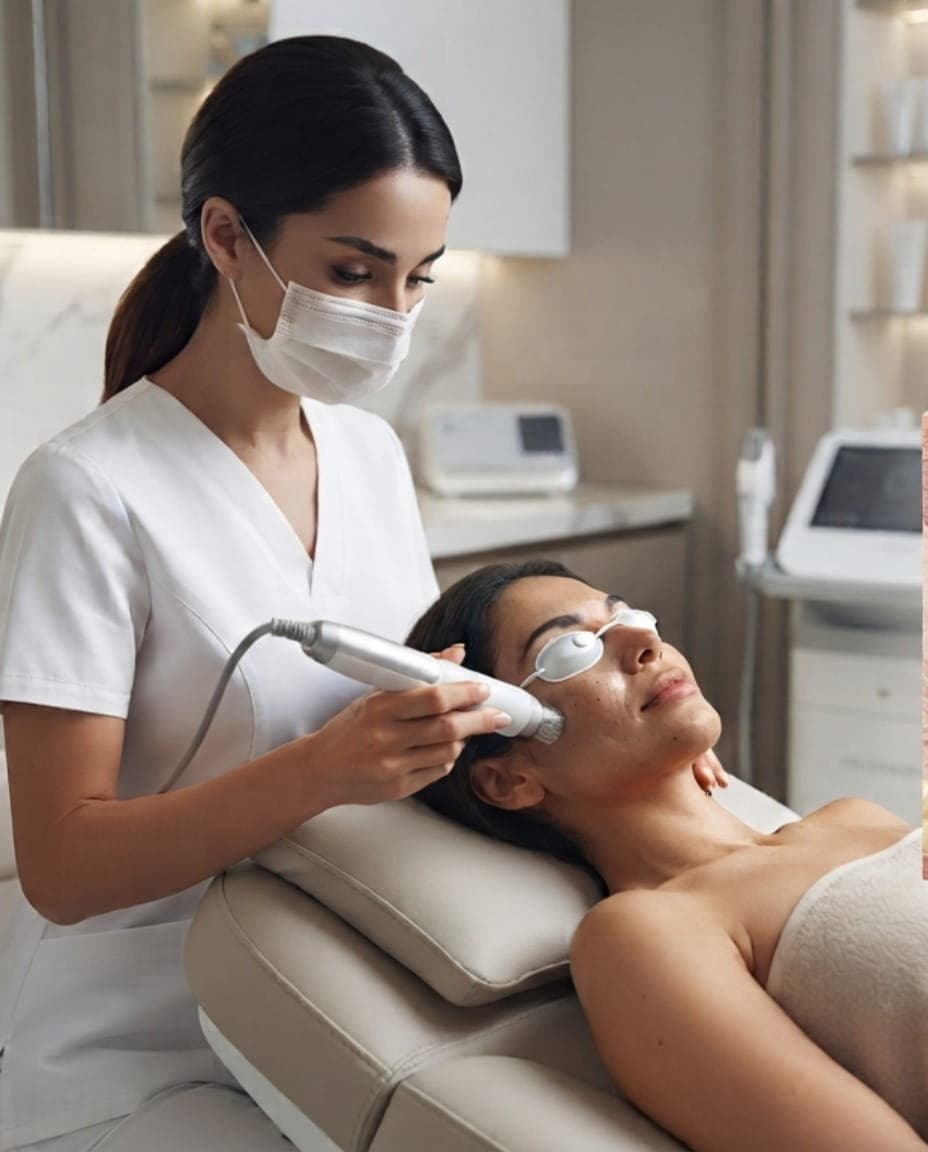
Targeted Subsurface Heat
Direct radiofrequency energy delivery into targeted skin layers
How Does RF Microneedling Work?
The RF microneedling process generally follows a structured sequence, though specifics are adjusted based on individual assessment.
Skin Assessment
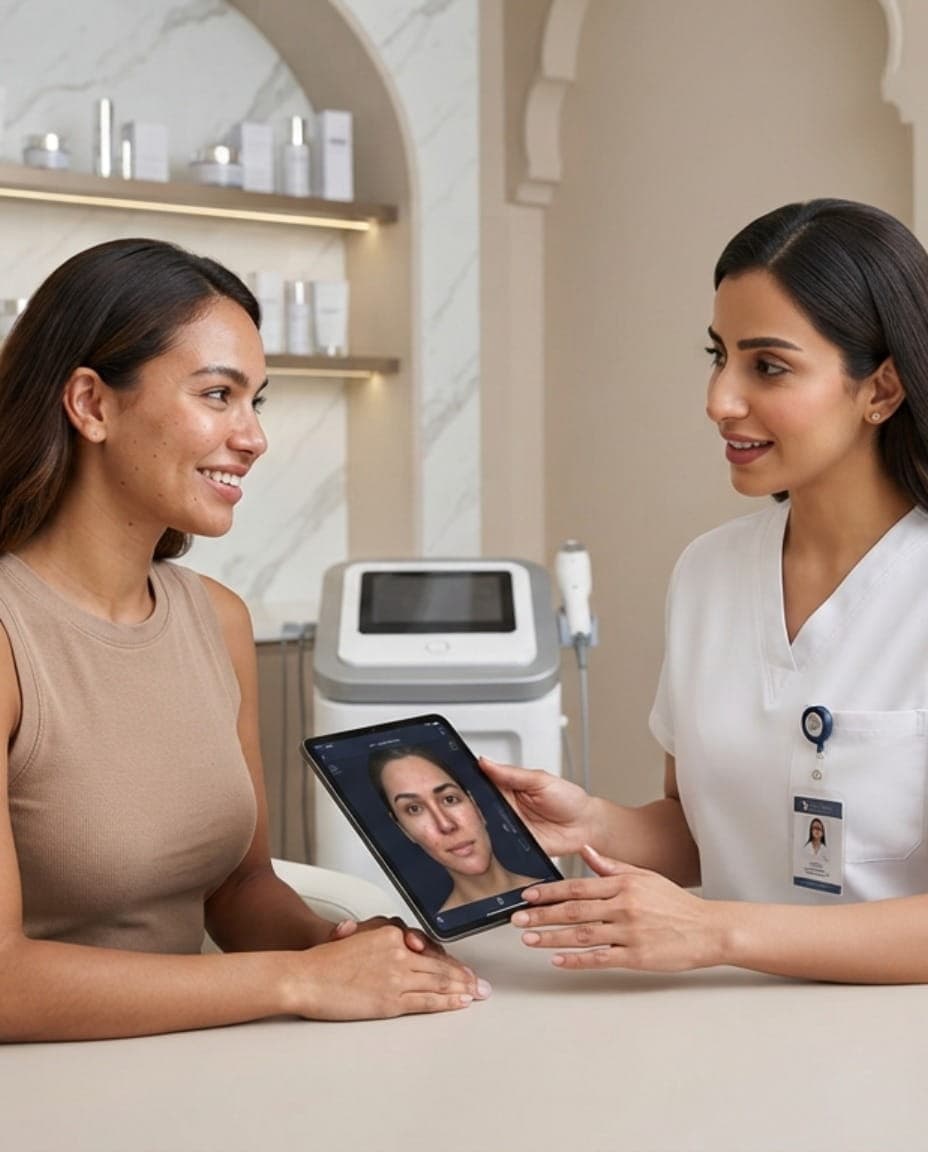
Before any treatment is considered, a clinician evaluates the skin's condition, texture, presence of scarring, degree of laxity, pigmentation history, and sensitivity, along with the patient's treatment goals. This assessment helps determine whether RF microneedling is an appropriate option and, if so, how it should be tailored.
Skin Preparation
The treatment area is cleansed thoroughly to reduce the risk of irritation or infection and to prepare the skin for the procedure.
Numbing
A topical anesthetic may be applied where clinically appropriate, allowing the skin time to numb before treatment begins.
Microneedle Delivery
Very fine needles are used to create controlled micro-injuries at treatment depths selected based on the individual's skin assessment and treatment goals.
Radiofrequency Energy
Radiofrequency energy is delivered through the needles, producing controlled heat within the targeted tissue layers.
Remodeling
Following treatment, the body's natural healing response is engaged, which can support gradual collagen remodeling over the following weeks.
Recovery
Short-term skin reactions such as redness, warmth, or mild swelling are common immediately after treatment and typically begin to settle within a period that varies by individual.
What Can RF Microneedling Help With?
RF microneedling may be considered for several aesthetic concerns based on individual clinical evaluation. Patients looking for overall skin quality can also explore our comprehensive Skin Treatment Dubai options:
Skin Texture
Collagen remodeling stimulated by the treatment may contribute to smoother-looking skin over time, though the degree of improvement varies by individual and skin condition.
Acne Scars
RF microneedling may be considered for selected textural (atrophic) acne scars. Not all acne scarring responds the same way — scar type, depth, location, and overall skin condition all influence whether this treatment, or a different approach, is more suitable. This is why RF microneedling for acne scars is generally discussed as part of a broader assessment rather than a one-size-fits-all solution.
Fine Lines and Wrinkles
Collagen remodeling may help improve the appearance of selected fine lines over time. RF microneedling is not intended to erase wrinkles and is more accurately understood as a texture- and firmness-supporting treatment.
Enlarged Pores
As surrounding skin texture and firmness improve, pores may appear less prominent, though this is a secondary effect rather than a targeted 'pore-shrinking' treatment.
Skin Laxity
For mild-to-moderate skin laxity, RF microneedling may be considered as part of a non-surgical approach. It is not equivalent to a surgical lift, and expectations should be discussed and calibrated during consultation.
Uneven Skin Texture
Beyond specific concerns like scarring, RF microneedling is often discussed in the context of overall skin quality and texture improvement.
Photodamage
For skin affected by sun exposure over time, RF microneedling may be considered as one component within a broader, individualized skin-rejuvenation plan rather than a standalone solution.
Benefits of RF Microneedling
Potential benefits associated with RF microneedling may include:
Important Outcome Notice
Results vary by patient, skin condition, treatment settings, and the number of sessions completed. No specific outcome can be guaranteed, and a personalized consultation is the best way to understand what may be realistic for your skin.
Who May Be a Good Candidate?
Suitability for RF microneedling depends on an individual skin assessment rather than a fixed checklist. People who raise concerns such as mild skin laxity, uneven texture, fine lines, selected acne scars, enlarged pores, early signs of skin aging, or reduced skin firmness may discuss RF microneedling with a clinician as one possible option. That said, this treatment is not automatically appropriate for everyone, and a clinical evaluation of skin condition, medical history, and treatment goals is necessary before any decision is made.
Who May Need to Avoid or Postpone Treatment?
Certain conditions may require postponing treatment, further medical review, or consideration of an alternative approach. These can include active skin infection, open wounds, active inflammatory skin conditions, certain uncontrolled skin disorders, poor wound healing, certain medications, or recent aggressive skin procedures, among other factors a clinician may identify during assessment. This is not an exhaustive list, and contraindications should always be confirmed clinically rather than assumed from general information.
Medical Disclosure Requirement:
Patients are asked to disclose their full medical history, current medications, existing skin conditions, recent cosmetic treatments, known allergies, and any previous reactions to aesthetic procedures, as this information directly affects whether — and how — treatment should proceed.
RF Microneedling Procedure at RamaCare
Your journey at RamaCare Polyclinic is structured to ensure clinical care at every step:
Consultation
The process begins with a discussion of the patient's main skin concern, any previous treatments, current skincare routine, medical history, and expectations for treatment.
Skin Assessment
The clinician assesses skin texture, elasticity, scarring, pigmentation, sensitivity, and laxity to build a clear picture of the skin's current condition.
Personalized Treatment Planning
Because skin varies significantly from person to person, treatment settings and target areas are planned individually rather than applied using a standard protocol.
Preparation
The skin is cleansed, and a topical numbing agent may be applied where clinically appropriate.
Treatment
The RF microneedling device is used systematically over the selected treatment area according to the personalized plan.
Immediate Aftercare
Following treatment, temporary effects such as redness, warmth, mild swelling, tightness, or sensitivity are common and generally expected.
Follow-Up
A follow-up visit may be scheduled to monitor progress, review the skin's response, and determine whether further treatment is appropriate.
Does RF Microneedling Hurt?
Pain tolerance and sensation vary significantly between individuals. A topical numbing agent may be used to help manage comfort during treatment. Many patients describe sensations such as pressure, warmth, vibration, or mild discomfort during the procedure rather than significant pain. Treatment intensity also influences how sensations are perceived, and clinicians can often adjust settings based on patient comfort where clinically appropriate. RF microneedling should not be described as completely painless, and individual experiences can differ.
RF Microneedling Recovery
Temporary reactions following treatment can include redness, mild swelling, warmth, sensitivity, and a feeling of tightness in the treated area. How quickly these settle varies according to treatment intensity, treatment depth, the area treated, and individual skin response. There is no universal recovery timeline that applies to every patient, which is why aftercare instructions are tailored to the individual and provided directly by the treating clinician.
Immediately After Treatment
- ✓Follow the clinician's specific instructions closely
- ✓Avoid unnecessary touching of the treated area
- ✓Avoid products that may irritate the skin
- ✓Keep the treated skin protected
During Recovery
- ✓Use gentle, non-irritating skincare
- ✓Follow recommended hydration practices
- ✓Apply sunscreen as advised by your clinician
- ✓Avoid excessive heat or sun exposure where instructed
- ✓Avoid picking or otherwise irritating the treated skin
- ✓Follow all personalized aftercare instructions provided at your appointment
Your clinician's individual instructions should always take priority over general guidance, as they are based on your specific skin response and treatment plan.
When Will Results Appear?
Results from RF microneedling develop gradually rather than immediately. In the initial period after treatment, the skin may appear pink, mildly swollen, or sensitive as part of the expected recovery process. As the body's collagen remodeling response continues over the following weeks, some patients report progressive changes in skin texture and firmness. This process varies considerably between individuals, and completing the recommended treatment plan — rather than judging results after a single session — is generally considered important for evaluating outcomes. No specific result or exact timeline can be guaranteed.
How Many Sessions Are Needed?
There is no single number of sessions that applies universally to every patient. The appropriate number depends on the treatment goal, current skin condition, scar severity where relevant, degree of skin laxity, treatment settings used, and how the individual's skin responds to treatment. A clinician determines whether additional sessions are appropriate based on assessment and follow-up review, rather than a fixed, pre-set protocol.
RF Microneedling vs Traditional Microneedling
| Feature | Traditional Microneedling | RF Microneedling |
|---|---|---|
| Microneedles | Yes | Yes |
| Controlled microchannels | Yes | Yes |
| Radiofrequency energy | No | Yes |
| Collagen remodeling | Yes | Yes |
| Skin texture focus | Yes | Yes |
| Skin tightening focus | Limited | Can provide an additional RF-based tightening effect |
| Treatment customization | Yes | Yes |
The most appropriate option depends on the individual's skin concerns and a clinical assessment of their skin condition. RF microneedling is not universally "better" than traditional microneedling — it is a different tool that may be more suitable for certain concerns, particularly where skin firmness is a priority alongside texture.
RF Microneedling vs Other Skin Treatments
| Treatment | Common Focus | Main Consideration |
|---|---|---|
| RF Microneedling | Texture, selected scars, firmness | Combines microneedling with RF energy |
| Traditional Microneedling | Texture and collagen remodeling | Does not use RF energy |
| Chemical Peel | Surface texture and selected pigmentation | Peel formulation and depth matter |
| Laser Treatment | Selected pigmentation, texture, or rejuvenation concerns | Device and skin characteristics matter |
| Microdermabrasion | Superficial exfoliation | Generally more surface-focused |
| Skin Boosters | Hydration and skin quality | Injectable approach |
Each treatment approach has a different mechanism and is suited to different concerns and skin conditions. Choosing between them — or combining approaches — is best determined through a clinical consultation rather than general comparison.
Special Focus Considerations
RF Microneedling for Acne Scars
Acne scarring is not a single, uniform condition — different scar types (such as icepick, boxcar, or rolling scars) respond differently to treatment, and textural scarring is distinct from post-acne pigmentation. RF microneedling may be considered for selected atrophic (indented) acne scars, where controlled micro-injury combined with radiofrequency energy may support gradual improvement in skin texture around the scarred area. As with other applications, results are generally gradual rather than immediate, and multiple treatment approaches may sometimes be considered together depending on scar characteristics. A professional assessment of scar type, depth, and overall skin condition is essential before determining whether RF microneedling for acne scars is a suitable option for a given patient.
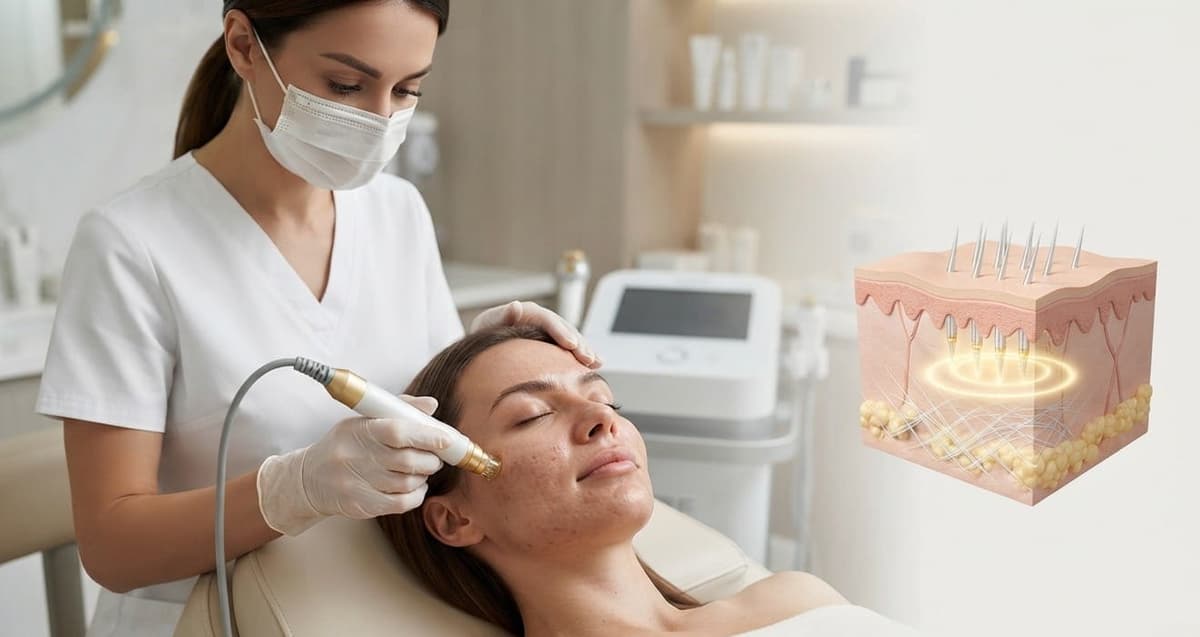
RF Microneedling for Skin Tightening
The radiofrequency component of this treatment is intended to deliver controlled thermal energy within targeted skin layers, which may contribute to collagen remodeling and, in turn, support skin firmness. It is important to distinguish non-surgical skin tightening from surgical lifting procedures — RF microneedling is not a substitute for surgery and works through a gradual, biological remodeling process rather than the immediate, mechanical repositioning of tissue achieved surgically. Setting realistic expectations during consultation is an important part of deciding whether this treatment aligns with a patient's goals.
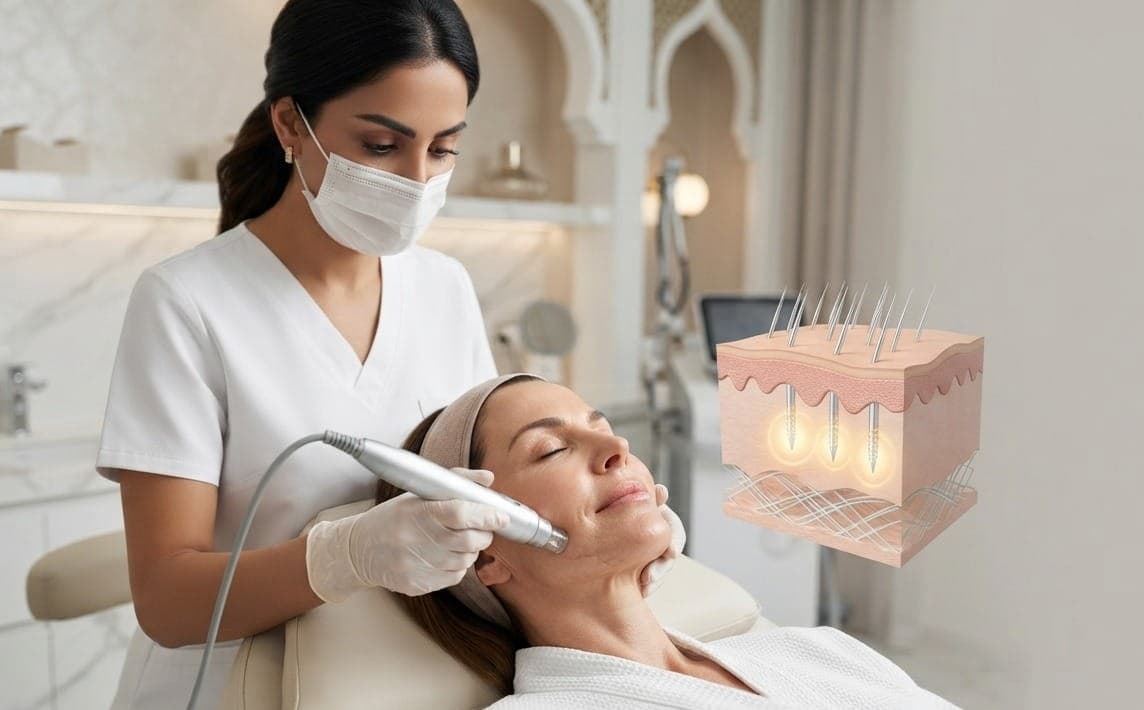
RF Microneedling for Men
RF microneedling is not limited by gender, and male patients raise many of the same concerns as female patients, including acne scarring, uneven skin texture, enlarged pores, fine lines, and early signs of skin laxity. Treatment suitability is based on an individual's skin condition and goals rather than gender, and the same assessment process applies to all patients considering this treatment.
RF Microneedling and Different Skin Types
Skin type and pigmentation history are important considerations when selecting any aesthetic treatment, including RF microneedling. Factors such as skin sensitivity, tendency toward pigmentation changes, any history of post-inflammatory pigmentation, current skin condition, and appropriate treatment parameters all influence whether and how treatment should proceed. RF microneedling should not be assumed to be automatically safe or effective for every skin type without assessment — this determination is made on an individual basis by the treating clinician.
How to Prepare for RF Microneedling
- ✓Discuss all current medications with your clinician
- ✓Disclose any recent cosmetic or dermatological procedures
- ✓Inform the clinician about any active skin conditions
- ✓Follow any pre-treatment skincare instructions provided
- ✓Avoid unnecessary skin irritation in the days before treatment
- ✓Follow sun-protection guidance as advised
- ✓Arrive with clean skin if instructed to do so
Specific medication guidance should always come from your treating clinician rather than general information, since individual health circumstances vary.
What to Avoid After RF Microneedling
Following treatment, patients are generally advised to avoid harsh exfoliation, picking or scratching the treated area, excessive heat exposure, excessive sun exposure, irritating skincare products, and any unapproved cosmetic procedures during the recovery period. Individual aftercare instructions can vary based on treatment intensity and personal skin response, so instructions provided directly by your clinician should always be followed.
How Much Does RF Microneedling Cost in Dubai?
RF microneedling pricing in Dubai is not fixed and depends on multiple factors, including the treatment area, the number of sessions recommended, the specific device or protocol used, the treatment intensity selected, findings from clinical assessment, and whether additional treatments are incorporated into the overall plan. Because every treatment plan is individualized, we encourage patients to contact RamaCare Polyclinic directly for current pricing information relevant to their specific needs.
Why Choose RamaCare Polyclinic?
DHA-Licensed Healthcare Environment
RamaCare's aesthetic dermatology services are delivered by DHA-licensed professionals within a regulated healthcare setting.
Personalized Treatment Planning
Aesthetic treatment plans at RamaCare Polyclinic are customized according to each patient's individual skin type, concerns, and goals, rather than applied as a standard protocol.
Jumeirah 1 Location
RamaCare Polyclinic is located at 12 Al Dhiyafah Rd, Jumeirah Terrace Building, Ground Floor, Jumeirah 1, Dubai, making professional skin assessment accessible within this part of the city.
Multidisciplinary Healthcare
As a polyclinic, RamaCare combines aesthetic dermatology with a broader range of healthcare services, supporting a more complete view of each patient's overall health where relevant.
Patient-Focused Consultation
Every treatment discussion begins with a consultation, allowing patients to ask questions, understand realistic expectations, and receive an individualized recommendation before any decision is made.
RamaCare Polyclinic Jumeirah 1
12 Al Dhiyafah Rd, Jumeirah Terrace Building, Ground Floor, Dubai
Patient Journey Roadmap
Frequently Asked Questions
Ready to Explore RF Microneedling?
Deciding whether RF microneedling is right for your skin starts with a professional consultation. During this visit, a clinician can assess your skin condition, discuss your goals, and help you understand what may be realistic for your situation. To take the next step, you can book an appointment directly online.

Content Reviewed by Sonita Sinaga
Licensed & Certified Aesthetic Therapist
NCLC Laser Certified · Licensed Aesthetic Therapist • 14+ Years Clinical Experience