01
Genetics
Some people naturally have a darker or more prominent under-eye area, often visible from a young age and running in families.
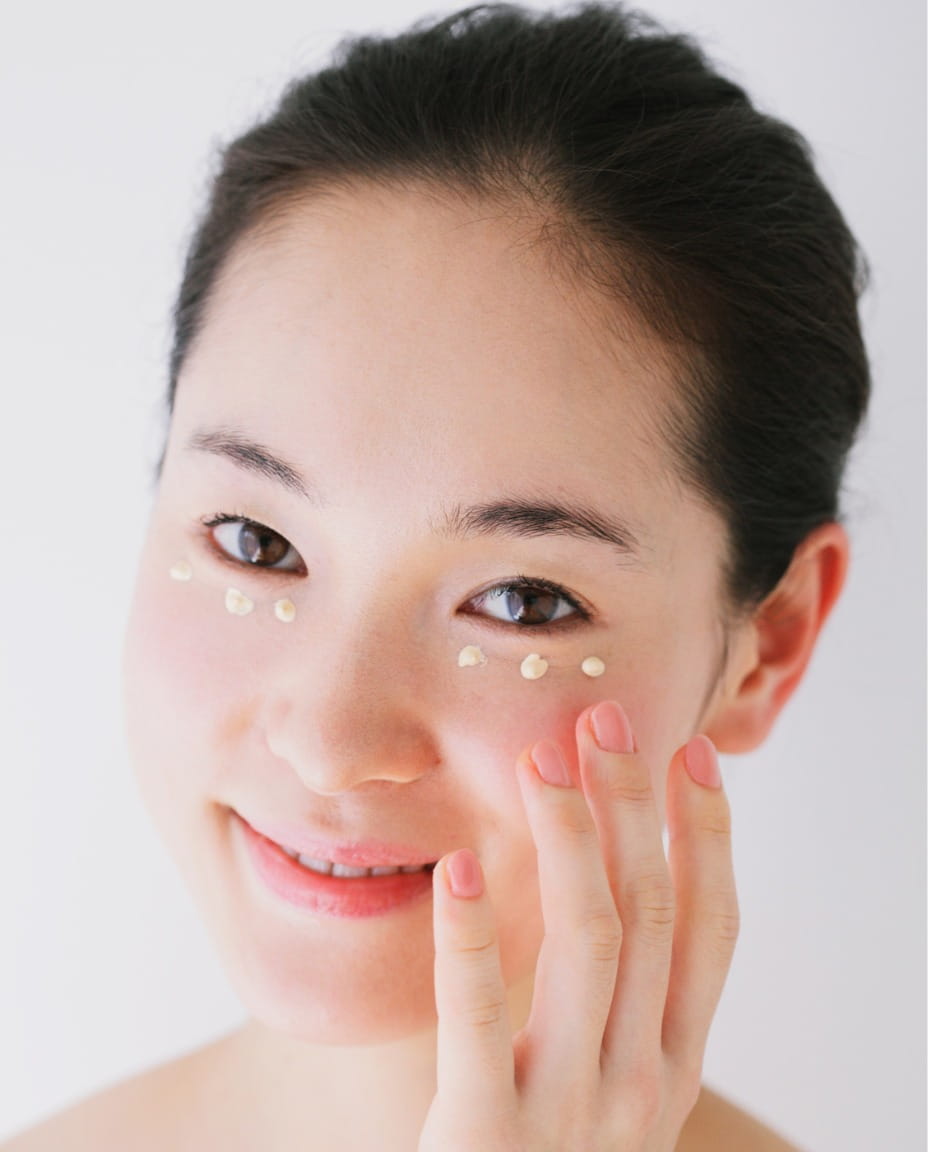
Explore Under Eye Treatment Dubai at RamaCare for personalized care for dark circles, hollows and puffiness. Book a consultation to discuss your concerns.
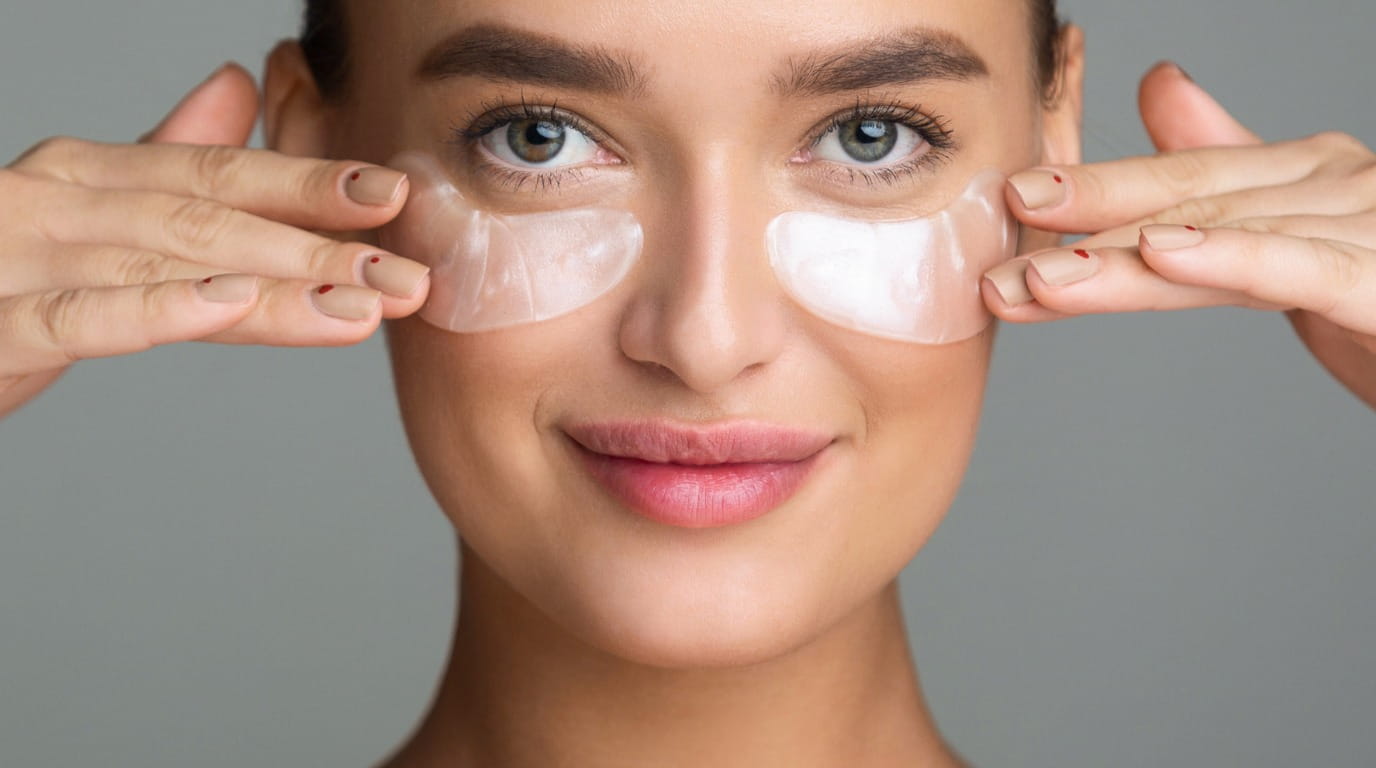
Overview
Some people notice dark circles even after a full night's sleep. Others see a hollow beneath the eyes that casts a shadow no matter how well-rested they are, while some are mainly bothered by puffiness that seems worse in the morning.
Under-eye concerns are common, but they don't all come from the same cause, which is part of why so many people search for Under Eye Treatment Dubai without finding a single clear answer. Pigmentation, thin skin, visible blood vessels, volume loss, and fluid retention can each contribute to how tired or aged the under-eye area looks, sometimes on their own and sometimes together.
This matters because the right approach for one person may do very little for someone else — dark circles caused mainly by pigmentation typically call for a different strategy than hollowness caused by volume loss under the skin. At RamaCare Polyclinic in Jumeirah 1, Aesthetic Dermatology Dubai consultations start by identifying what's actually driving the concern before any treatment is discussed, since understanding the cause is what makes a treatment plan genuinely useful rather than a guess.
The Basics
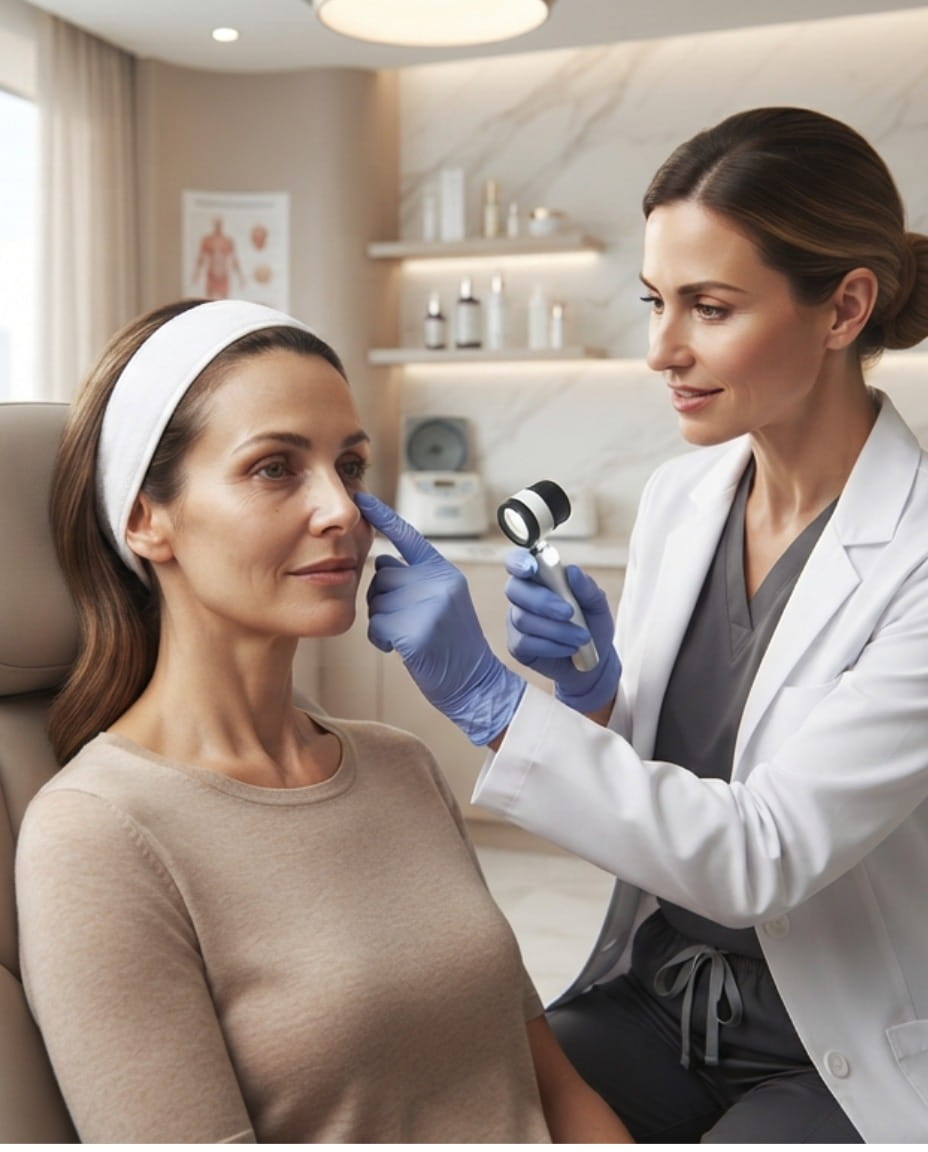
Under eye treatment isn't one single procedure — it's a category of approaches used depending on what's causing the concern. Depending on individual assessment, treatment may involve professional skincare, topical treatments, PRP (platelet-rich plasma), dermal fillers, laser-based approaches, or other skin-rejuvenation techniques. Because dark circles, hollows, puffiness, and fine lines each have different underlying causes, treatment selection depends on a clinical evaluation of your specific skin and concern rather than a one-size-fits-all product or procedure.
Underlying Causes
The skin under the eyes behaves differently from skin elsewhere on the face, and several factors can influence how it looks over time.
Some people naturally have a darker or more prominent under-eye area, often visible from a young age and running in families.
Increased melanin in the under-eye skin can create a darker or brownish tone, and this tendency varies considerably between skin types.
The skin around the eyes is notably thinner and more delicate than skin on the rest of the face, which can make underlying structures more visible.
Because the skin is thin, underlying blood vessels can show through more easily, sometimes contributing to a bluish or purplish appearance.
The tear trough is a natural groove that runs from the inner corner of the eye toward the cheek. In some people, this hollow is more pronounced due to anatomy or volume loss, creating a shadow that can look like a dark circle even without pigmentation.
Over time, collagen production slows, skin can thin further, natural fat pads may shift or reduce, and elasticity gradually declines — all of which can change the contour and appearance of the under-eye area.
Morning puffiness can relate to fluid retention overnight, genetics, aging, allergies, or general lifestyle factors, and it isn't always connected to the same causes as dark circles.
Ongoing sun exposure can contribute to pigmentation changes and may accelerate the visible signs of skin aging in this area.
Sleep and lifestyle habits can influence how the under-eye area looks day to day, but it's worth noting that not every dark circle is caused by lack of sleep — many people with consistent, healthy sleep still notice pigmentation or structural shadowing that has other causes entirely.
Types of Concerns
Under-eye concerns vary significantly in their underlying mechanisms. Identifying whether a condition is pigmentary, vascular, or structural ensures the proposed care matches your specific anatomy.
These relate primarily to increased pigmentation in the skin itself, giving the area a brown or darker tone regardless of hydration or rest.
These occur when visible blood vessels or underlying tissue contribute to a bluish or reddish tint, often more noticeable in people with thinner skin.
Here, hollowness and shadowing — rather than pigmentation — create the appearance of a dark circle. Light casts a shadow into the hollow, which the eye interprets as darkness.
Linked to the tear trough, this concern involves a visible groove or indentation, often related to natural anatomy, aging, or volume loss beneath the skin.
Distinct from hollows, bags involve visible puffiness or fullness beneath the eye, sometimes related to shifts in fat pads or skin laxity rather than a groove or shadow.
Puffiness can be temporary — appearing after a poor night's sleep, high salt intake, or allergies — or more persistent, where it's present consistently regardless of daily habits.
Repeated facial movement, sun exposure, and age-related collagen loss can all contribute to fine lines forming in the thin under-eye skin.
Choosing An Approach
There is no universal Under Eye Treatment Dubai patients can expect to receive regardless of their concern — what works well for pigmentation may do very little for structural hollowness, and vice versa. Treatment selection typically depends on several factors, including the main concern being addressed, overall skin quality, degree of pigmentation, extent of hollowness or puffiness, age-related changes, medical history, any previous treatments, and realistic patient expectations. Because these factors vary so much between individuals, a professional consultation is the step that actually determines whether a given treatment is appropriate — not general information found online.
Clinical Assessment
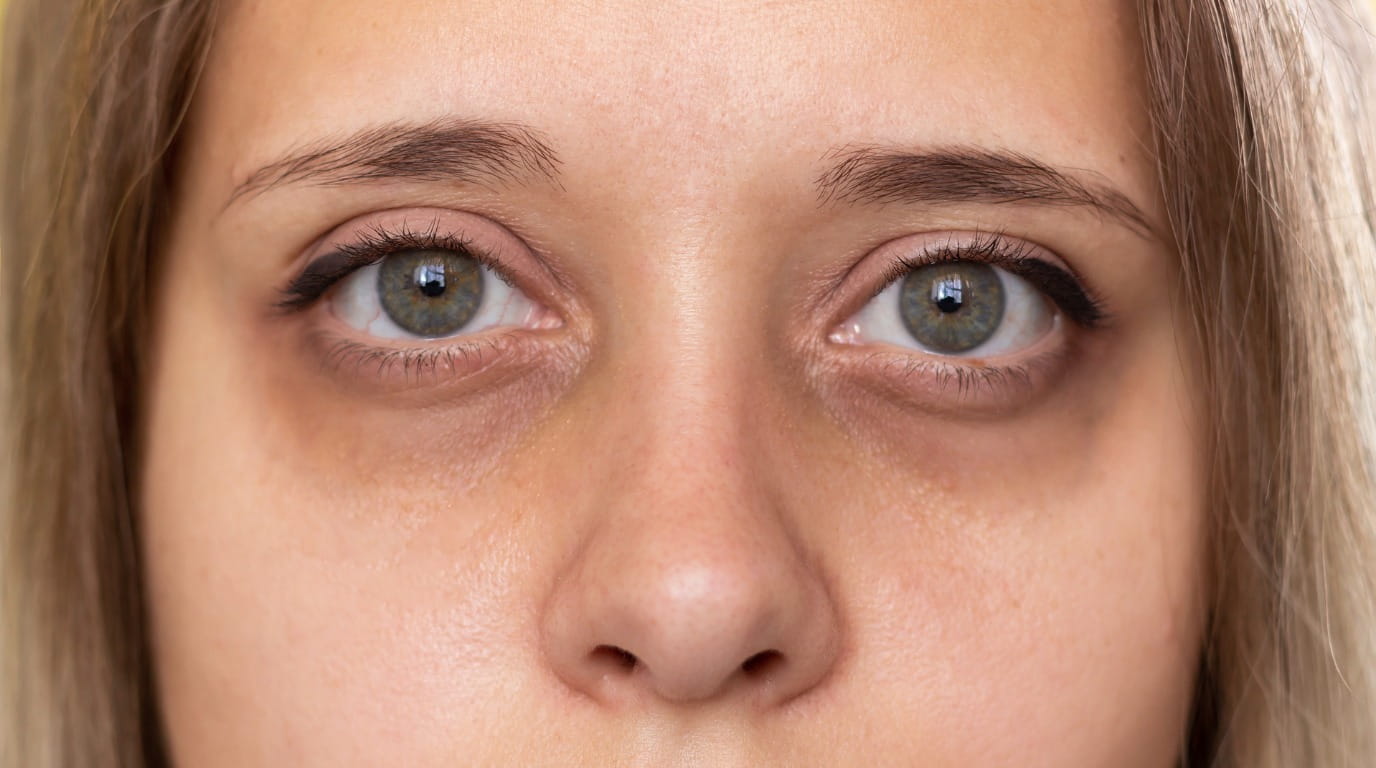
The consultation begins with a discussion of your main concern, how long it's been present, any previous treatments you've tried, your current skincare routine, known allergies, medications, and relevant medical history.
The clinician examines pigmentation, skin thickness, texture, hollowness, puffiness, symmetry, and skin laxity to understand what's contributing to the appearance of the area.
This step matters more than it might seem. One patient's “dark circles” might be almost entirely pigmentation, while another's may be structural shadowing from hollowness — and these call for different approaches entirely.
Once the likely cause is identified, the clinician discusses potential treatment options, reasonable alternatives, and what each approach can and cannot realistically achieve.
A treatment strategy is developed based specifically on your concerns, skin condition, and goals, rather than a standard package applied to every patient.
Treatment Options
Options are recommended following clinical evaluation of your specific concern:
For certain pigmentation or general skin-quality concerns, appropriate topical products may be recommended as part of a broader plan. This is not a substitute for medical treatment where one is needed, and no specific medication is prescribed without individual clinical assessment. Patients interested in broader skin care in Dubai can explore RamaCare's Skin Treatment Dubai services.
PRP involves drawing a small sample of the patient's own blood, processing it to concentrate platelets, and reintroducing it to targeted areas. It may be considered as part of a skin-rejuvenation approach around the under-eye area in selected patients, potentially supporting skin quality over time. PRP Treatment is not presented as a treatment that eliminates dark circles, and its role depends on the underlying cause being addressed.
In selected cases of under-eye hollowness or tear-trough volume loss, dermal fillers may be considered to help address the shadowing effect created by hollow areas. This is a specialized procedure that is not appropriate for everyone, and outcomes depend heavily on individual anatomy and the experience of the person performing the assessment. No specific cosmetic outcome can be promised in advance.
Certain laser-based approaches may be considered for selected pigmentation or skin-quality concerns in the under-eye area, depending on assessment findings. The most suitable device or technique depends on the individual case and is discussed during consultation rather than assumed in advance.
Broader skin-rejuvenation approaches may support overall skin quality, texture, and the appearance of fine lines, and can sometimes be incorporated alongside more targeted treatments, including RamaCare's Facial Treatments. As with other options, the most useful approach depends on what's actually causing the concern.
Dark Circle Care
Dark circles are one of the most commonly searched under-eye concerns, but as the sections above outline, they don't all share the same cause — which is exactly why treatment approaches differ.
| Main Concern | Possible Treatment Approach |
|---|---|
| Pigmentation | Skin assessment, topical care, selected professional treatments |
| Hollowness | Assessment for volume-restoring approaches |
| Thin skin | Skin-rejuvenation approaches |
| Puffiness | Assessment of underlying cause |
| Fine lines | Skin-rejuvenation or tightening approaches |
| Mixed causes | Combination treatment plan where appropriate |
Not every treatment listed here is appropriate for every patient — the table reflects general treatment directions, and your clinician will determine which, if any, apply to your specific situation after assessment.
Pigmentation Care
Under-eye pigmentation can stem from several overlapping factors, including natural hyperpigmentation tendencies, cumulative sun exposure, post-inflammatory pigmentation (which can follow irritation or minor injury), genetics, and inherently thin skin that makes underlying tissue more visible. Pigmentation in this area can be genuinely difficult to treat and may require a comprehensive approach that combines sun protection, appropriate skincare, and, in selected cases, professional treatments such as Skin Rejuvenation — rather than expecting a single product or session to resolve it. Daily sun protection is consistently emphasized as part of managing pigmentation, since ongoing UV exposure can undo gradual improvement. It's also important to set realistic expectations: complete removal of pigmentation is not something that can be promised, and outcomes vary based on the underlying cause and skin type.
Tear Troughs & Volume
The tear trough is the natural groove running from the inner corner of the eye down toward the upper cheek. In some people, this groove is subtle; in others, it's more pronounced due to individual anatomy or age-related volume loss beneath the skin. As the face ages, natural fat pads and supportive tissue can shift or diminish, which may deepen this hollow and cast a more noticeable shadow — a shadow the eye often reads as a dark circle, even when pigmentation isn't the main driver.
This is why hollowness can sometimes make dark circles look more prominent than pigmentation alone would suggest. In selected patients, filler may be considered to help address this structural shadowing, but it is not appropriate for everyone. Under-eye anatomy varies considerably between individuals, and this area requires careful, experienced assessment before any volume-restoring approach is considered.

Puffiness & Bags
Puffiness and bags are related but not identical concerns. Puffiness often refers to a temporary swelling — common after a poor night's sleep, high sodium intake, allergies, or crying — that tends to resolve within hours. Persistent bags, on the other hand, are less about short-term fluid changes and more often related to genetics, aging, shifts in the fat compartments beneath the eyes, or skin laxity that no longer holds its earlier contour.
Because these have different underlying mechanisms, treatment depends heavily on identifying which type of puffiness or bagginess is present. It's important to be clear that non-surgical treatments cannot be expected to remove every type of under-eye bag — some structural bags are better addressed through other means entirely, which is another reason individual assessment matters before deciding on any treatment path.
Fine Lines & Wrinkles
Fine lines in the under-eye area commonly develop from a combination of collagen loss over time, the cumulative effect of repeated facial movements like smiling and squinting, ongoing sun exposure, and skin dryness in this thin, delicate area. Potential approaches may include skin-rejuvenation treatments, skin tightening, consistent professional skincare, and selected aesthetic treatments aimed at supporting skin quality. As with other concerns discussed here, complete wrinkle removal isn't a realistic promise — the goal of these approaches is generally to support skin quality and soften the appearance of fine lines over time, not erase them entirely.
Candidate Suitability
Under-eye treatment may be considered for adults concerned about dark circles, pigmentation, hollowness, puffiness, fine lines, a generally tired-looking appearance, or overall skin texture in this area. That said, suitability isn't something that can be determined from a description alone — it requires an individual assessment of your specific skin, anatomy, and goals to understand which, if any, treatment approach makes sense for you.
Precautions & Safety
Certain situations may call for postponing treatment or seeking medical review first, including active infection, open wounds, significant skin irritation, an active inflammatory skin condition, a recent aggressive cosmetic procedure in the area, certain medications, or uncontrolled medical conditions. This isn't an exhaustive list of every possible contraindication, and any relevant factors should be confirmed directly with your clinician rather than assumed from general information.
You'll be asked to disclose your current medications, known allergies, existing medical conditions, any previous cosmetic procedures, and any past reactions to treatments — this information directly shapes what's safe and appropriate for you.
Treatment Benefits
Depending on the treatment and underlying cause addressed, potential benefits may include:
Results vary from person to person, and no treatment can promise permanent results, a guaranteed transformation, or complete removal of a given concern.
Recovery & Aftercare
Recovery depends heavily on which treatment was performed — a topical skincare adjustment involves essentially no downtime, while injectable or laser-based approaches typically involve some temporary recovery period. Possible temporary effects can include redness, mild swelling, sensitivity, bruising, tightness, or temporary irritation, and these tend to vary based on the specific treatment and individual healing response.
General aftercare guidance often includes following your clinician's specific instructions, avoiding unnecessary touching of the treated area, using only the skincare products recommended for your recovery period, protecting the skin from direct sunlight, avoiding products that could cause irritation, and attending any follow-up appointments that are advised. There's no single recovery timeline that applies to every patient or every procedure — your clinician will explain what to expect based on your specific treatment.

Expected Timeline
How quickly you notice a change depends on several factors: the type of treatment performed, the underlying cause being addressed, your skin's condition, individual healing, the number of sessions involved, lifestyle factors, and how closely aftercare guidance is followed. Some approaches, such as certain injectable treatments, may produce a visible change relatively soon after treatment, while collagen-supporting treatments like PRP or skin-rejuvenation approaches tend to develop more gradually over subsequent weeks as the skin responds. No specific result or timeline can be guaranteed in advance — your clinician can give you a more individualized sense of what to expect during your consultation.
Before & After Guidelines
When reviewing before-and-after images — whether from RamaCare or any clinic — it's worth knowing what genuine, trustworthy documentation looks like. Authentic comparisons generally involve consistent lighting between the two images, a similar facial expression, a matching camera angle, and appropriate patient consent for the images to be shared. Real, unedited patient images with no misleading retouching are the standard to look for. It's also worth remembering that before-and-after photos represent individual examples of what occurred for that specific patient — they illustrate a possibility, not a promise of what your own results will look like.
Required Sessions
There's no universal number of sessions that applies to every patient or treatment type. The number required depends on the treatment selected, the severity of the concern, the degree of pigmentation or hollowness present, overall skin quality, how your skin responds to initial treatment, and your specific goals. Your clinician determines whether additional sessions are appropriate based on ongoing assessment and how your skin responds over time — not a fixed package decided before any evaluation takes place.
Cost & Pricing Factors
We don't publish a fixed Under Eye Treatment Cost Dubai figure here, because cost genuinely varies depending on the treatment type selected, the specific area being treated, the number of sessions recommended, the products or devices used, and the overall complexity of your concern. Consultation findings also factor into the final treatment plan and associated cost. We'd encourage you to contact RamaCare directly for current pricing relevant to your specific situation.
It's also worth thinking beyond price when comparing clinics. Professional qualifications, the thoroughness of the consultation and assessment process, whether the proposed treatment is actually suitable for your concern, the quality of aftercare support, and overall transparency matter more to your outcome and safety than price alone.
Choosing a Clinic
Confirm that the clinic and treating professionals hold appropriate healthcare licensing and relevant qualifications for aesthetic and dermatological treatment.
A clinic worth considering will take time to identify your likely underlying cause rather than offering the same procedure to every patient who mentions “dark circles.”
You should leave a consultation understanding the benefits, risks, reasonable alternatives, expected recovery, and realistic timeline for any treatment being discussed.
Before-and-after images shared by a clinic should be authentic, appropriately consented, and presented without misleading editing.
Treatment around the eye area calls for particular clinical expertise given the delicacy of the surrounding anatomy — this is a legitimate factor to weigh when choosing where to be treated.
Why RamaCare
More about the clinic and its wider services is available on the RamaCare Homepage.
RamaCare's aesthetic dermatology services are delivered within a DHA-licensed healthcare setting by qualified professionals.
RamaCare's approach to aesthetic dermatology is built around each patient's individual skin type, concerns, and goals, rather than a standardized package applied to everyone.
RamaCare Polyclinic is located in Jumeirah 1, Dubai, making professional under-eye assessment accessible within this part of the city.
As a polyclinic, RamaCare offers aesthetic dermatology alongside a broader range of healthcare services, which can be useful when a patient's concern intersects with general health considerations.
Every discussion begins with understanding your specific concern and its likely cause before any treatment is proposed, so recommendations are based on assessment rather than assumption.
Patient Journey
From your initial consultation through aftercare and long-term maintenance, every step is guided by professional clinical assessment:
Frequently Asked Questions
Dark circles can result from pigmentation, visible blood vessels beneath thin skin, structural shadowing from hollowness, genetics, aging, or a combination of these factors. Identifying the specific cause is important before deciding on any treatment approach.
Under Eye Treatment Dubai refers to the range of professional approaches available locally for addressing dark circles, hollowness, puffiness, and related concerns, with the specific treatment depending on individual assessment of the underlying cause.
No treatment can guarantee permanent removal of dark circles. Results vary depending on the cause, treatment type, and individual skin response, and ongoing maintenance or lifestyle factors may also play a role.
There isn't a single “best” treatment — the most suitable option depends on whether the main cause is pigmentation, vascular visibility, or structural hollowness, which is determined through professional assessment.
Pigmentation may be addressed through a combination of sun protection, appropriate skincare, and selected professional treatments, though pigmentation can be challenging to treat and outcomes vary by individual.
PRP may be considered as part of a skin-rejuvenation approach for selected patients, potentially supporting skin quality over time. It is not presented as a treatment that eliminates dark circles on its own.
No. Under-eye filler is a specialized procedure that is not appropriate for every patient, and suitability depends on individual anatomy and a thorough clinical assessment.
In selected cases of tear-trough volume loss, filler may be considered to help address the shadowing caused by hollowness, though outcomes and suitability vary and require experienced assessment.
Certain laser-based approaches may be considered for selected pigmentation or skin-quality concerns, depending on individual assessment findings and skin characteristics.
Under-eye bags can relate to genetics, aging, shifts in the natural fat pads beneath the eyes, or skin laxity, and are generally distinct from temporary puffiness caused by fluid retention.
Treatment approaches depend on whether puffiness is temporary or persistent and what's driving it. A clinician can help determine the likely cause and whether any treatment is appropriate.
Possible temporary effects can include redness, mild swelling, sensitivity, bruising, or tightness, depending on the specific treatment performed. Your clinician will discuss relevant risks during consultation.
Sensation varies by treatment type and individual tolerance. Many procedures involve manageable discomfort, and numbing may be used where clinically appropriate, but experiences differ between patients.
Recovery time depends on the specific treatment performed, ranging from no downtime for topical approaches to a short recovery period for injectable or laser-based treatments.
This depends on the treatment selected, the severity of your concern, and how your skin responds. Your clinician will discuss a realistic session plan during consultation.
Timelines vary by treatment — some approaches show changes relatively soon, while collagen-supporting treatments develop more gradually over several weeks.
Cost depends on the treatment type, area, number of sessions, and individual treatment plan. Contact RamaCare directly for current pricing based on your specific needs.
Suitability depends on individual factors including skin type, pigmentation tendency, and the specific concern being addressed, and should be confirmed through professional assessment.
Look for a clinic with appropriately licensed professionals, a thorough individual assessment process, and transparent communication about benefits, risks, and realistic expectations.
You can contact RamaCare Polyclinic by phone or WhatsApp, or visit the clinic in Jumeirah 1, Dubai, to schedule a consultation and discuss your under-eye concerns directly.
Next Step
The right treatment for dark circles, hollowness, or puffiness genuinely depends on what's causing them — which is something a description alone can't tell you. A professional consultation is the step that turns general information into a plan that actually fits your skin.
To take the next step, choose an option below:
Conclusion
Under-eye concerns rarely have a single explanation, and dark circles, hollowness, and puffiness can each stem from different underlying causes — sometimes overlapping, sometimes entirely separate. Because of this, treatment works best when it's individualized rather than applied as a standard routine. A professional assessment helps identify what's actually driving your specific concern and which options, if any, are realistically appropriate for you. As with any aesthetic treatment, results vary between patients, and no approach can promise a permanent or universal outcome. RamaCare Polyclinic in Jumeirah 1 takes a consultation-based approach to Under Eye Treatment Dubai, starting with understanding your concern before recommending any path forward. If you're ready to have that conversation, the team is available to schedule an assessment.
Licensed & Certified Aesthetic Therapist
NCLC Laser Certified · Licensed Aesthetic Therapist • 14+ Years Clinical Experience