
Ayurvedic Diet for Thyroid in Dubai: What to Eat and How to Take Your Medicine
Thyroid problems such as an underactive thyroid (hypothyroidism) are common in the UAE, often bringing tiredness, weight gain, feeling cold and thinning hair. Diet cannot replace thyroid medicine, but it supports how you feel and how well your medicine works. This guide from RamaCare Polyclinic in Jumeirah 1 combines medical guidance with Ayurvedic advice, reviewed by Dr. Shamna Keloth Meethal (BAMS), with thyroid care from our GP in the same building.
Can Diet Help Thyroid Problems?
Yes, as support. The most important rule is timing: take your thyroid tablet (levothyroxine) with water on an empty stomach, 30–60 minutes before breakfast, and keep soy, coffee and high-fibre foods away from it, and calcium or iron about four hours apart. Beyond that, eat a balanced diet with enough iodine (iodised salt, dairy, eggs, fish) and selenium from food. Ayurveda sees an underactive thyroid as a Kapha and weak-digestion (Agni) imbalance and favours warm, cooked, lightly spiced meals. Never change your medicine without your doctor.

Thyroid Health in Dubai: What Matters
Taking Your Tablet Correctly
Busy mornings and coffee straight after the tablet are a common reason thyroid levels stay off target. Consistent timing helps your doctor find the right dose.
Iodine and Vitamin D
Using iodised salt at home and eating dairy, eggs and fish usually provides enough iodine. Low vitamin D is common in the UAE; our GP can check it.
Feeling Cold and Sluggish
Many people with an underactive thyroid feel the cold of air-conditioning more. Ayurveda links this to Kapha and advises warm, cooked food and warm drinks.
Thyroid Tablet and Food: The Timing Rules
| Levothyroxine | With water only, on an empty stomach, 30–60 minutes before breakfast, at the same time daily |
|---|---|
| Coffee, tea, soy, high-fibre breakfast | At least 30–60 minutes after the tablet |
| Calcium or iron supplements | About 4 hours apart from the tablet |
| Changing brand or dose | Only with your doctor; recheck thyroid tests afterwards |
Diet for an Underactive Thyroid (Hypothyroidism)
If you feel sluggish, cold, and are gaining weight easily, your diet needs to be "stimulating" and "warming."
Foods to Favour
A balanced diet with these nutrients:
Available at Waitrose, Spinneys, and Organic Foods & Café:
Iodine (in normal amounts)
Iodised salt at home, milk, yoghurt, eggs and sea fish. Note: Himalayan pink salt contains very little iodine.
Selenium From Food
Eggs, fish, sunflower seeds, lentils, or an occasional Brazil nut. Avoid selenium supplements unless your doctor advises them.
Protein, Vegetables and Whole Grains
Dal, fish, eggs or chicken with plenty of cooked vegetables and whole grains such as millet, oats or brown rice.
Warm, Lightly Spiced Food
Ayurveda favours warm, cooked meals with ginger, cumin and black pepper for Kapha and slow digestion.
Thyroid Foods to Avoid or Time
What matters is timing and amount:
Soy, Coffee and High-Fibre Foods Near Your Tablet
You do not need to avoid them, but keep them away from your levothyroxine; wait at least 30–60 minutes after the tablet.
Calcium and Iron Supplements
Take them about 4 hours apart from your thyroid tablet.
Iodine or Kelp Supplements
Avoid unless your doctor advises them; too much iodine can worsen some thyroid conditions.
Raw Cabbage and Broccoli in Very Large Amounts
Cooked cruciferous vegetables in normal portions are fine for most people.
Ayurvedic Herbs Used in Thyroid Care
Kanchanar Guggulu
A classical formula Ayurvedic physicians use for glandular swellings (Galaganda) and Kapha imbalance. Research is limited to small studies.
Guggulu
A traditional resin used in Ayurveda for Kapha and Medas (fat tissue) imbalance.
Ashwagandha
Traditionally used for stress. It may affect thyroid hormone levels, so it is not suitable for everyone, especially people with an overactive thyroid; take it only if prescribed.

Sample Thyroid-Friendly Day
An example only. Your plan depends on your medicines and health.
| On waking | Thyroid tablet with a glass of water only |
|---|---|
| 45–60 minutes later | Breakfast: eggs with vegetables and toast, or oats with milk |
| Mid-morning | Coffee or tea if you like, and a fruit |
| Lunch (main meal) | Rice or roti, dal or fish, cooked vegetables, yoghurt |
| Afternoon | Ginger or herbal tea with a handful of sunflower seeds |
| Dinner (early) | Warm vegetable soup with lentils or chicken |
Medical Thyroid Care at RamaCare
Our female GP, in the same Jumeirah 1 building, diagnoses and manages thyroid conditions, arranges TSH and thyroid blood tests, and prescribes and adjusts medicines.
Thyroid Diet: Frequently Asked Questions
Your Thyroid Diet Consultation in Jumeirah 1
| Diet and Ayurveda | Dr. Shamna Keloth Meethal, BAMS, female, DHA-licensed (11+ years) |
|---|---|
| Medical thyroid care | Our female GP, same building |
| Consultation | From AED 200, 45–60 minutes, in person |
| Insurance | Reimbursement basis; itemised invoices provided |
| Address | 12 Al Dhiyafah Road, Jumeirah Terrace Building, Ground Floor, Jumeirah 1, Dubai |
| Nearby | A few minutes from Satwa and Al Wasl; about 10 minutes from Jumeirah 2, City Walk and La Mer |
| Hours | Every day, 10am–10pm |
Why Patients Choose RamaCare for Thyroid Diet Care
GP Thyroid Care in the Same Building
Our female GP diagnoses and manages thyroid conditions, arranges TSH and thyroid blood tests, and prescribes medicines.
Prakriti Assessment
Dr. Shamna Keloth Meethal (BAMS) assesses your constitution and digestion to plan a diet that suits you.
Diet and Medical Care Together
Your diet plan is built around your thyroid medicine and reviewed alongside your blood tests.
Get a Thyroid-Friendly Diet Plan
Book a consultation with Dr. Shamna in Jumeirah 1, from AED 200, with our GP in the same building for thyroid tests and medicines.
12 Al Dhiyafah Road, Jumeirah 1, Dubai
In-person consultations, every day 10am–10pm
Itemised invoices for insurance reimbursement
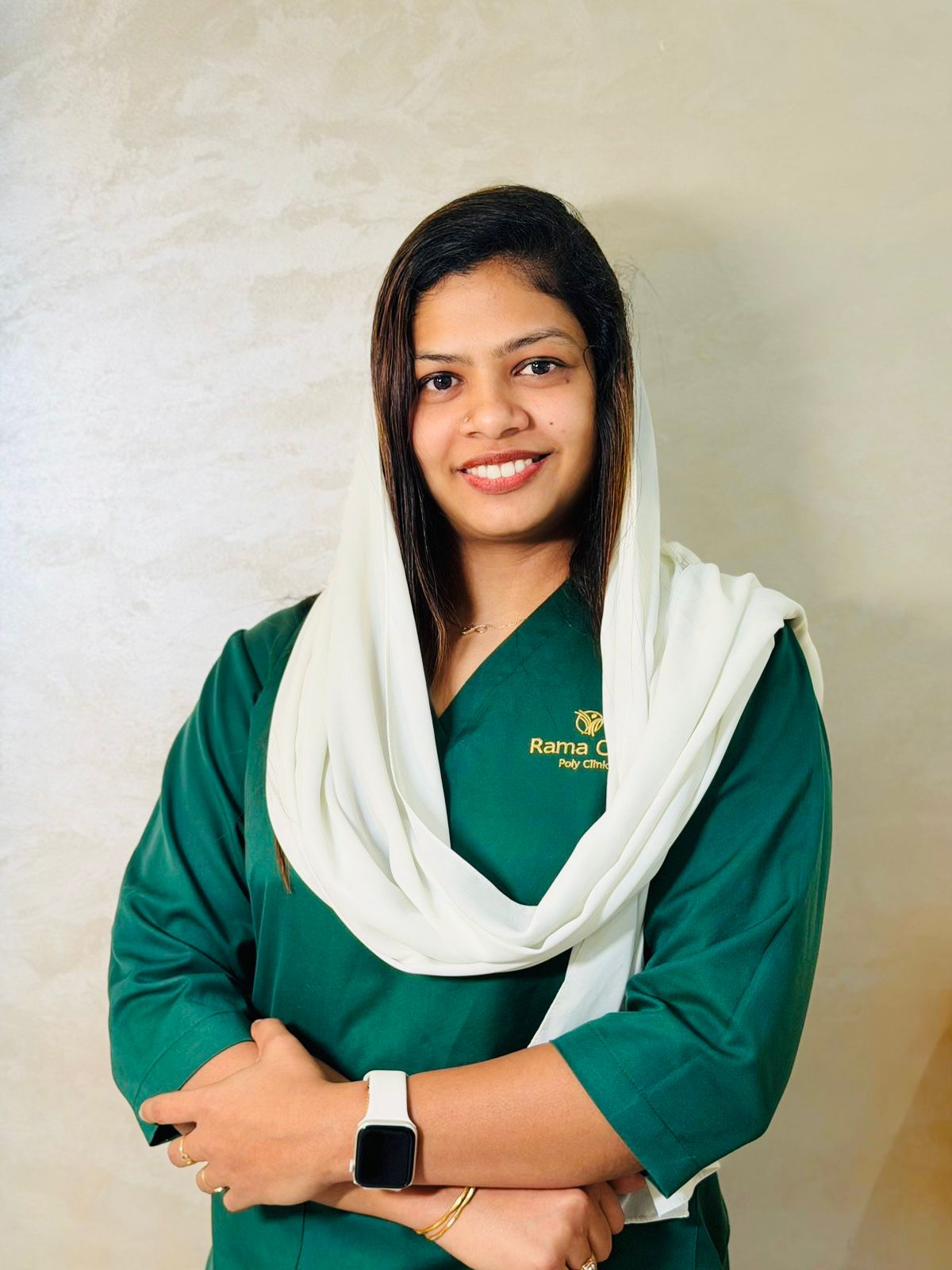
Content Reviewed by Dr. Shamna Keloth Meethal
Ayurveda & Holistic Health Specialist
BAMS · DHA Licensed Ayurveda Doctor • 11+ Years Clinical Experience