
Ayurvedic Diet for PCOS in Dubai: Foods to Eat and Avoid
PCOS (polycystic ovary syndrome, also called PCOD) is a common hormonal condition in the UAE, often linked to insulin resistance. Diet is one of the most useful things you can change. This guide from RamaCare Polyclinic in Jumeirah 1 combines the evidence-based PCOS diet (low-GI foods, fibre and protein at every meal) with Ayurvedic principles, and is reviewed by our female Ayurvedic doctor, Dr. Shamna Keloth Meethal (BAMS).
Can Diet Help PCOS?
Yes, diet is one of the most effective ways to manage PCOS symptoms, though it does not cure PCOS. Choose low-GI carbohydrates (millet, oats, lentils, brown rice), fill half your plate with vegetables, include protein at every meal, use healthy fats, and limit sugar, sweet drinks and refined flour. In Ayurveda, PCOS is linked to Kapha and Vata imbalance, so warm, freshly cooked, lightly spiced food and an early, light dinner are favoured. Changes in cycles and weight come gradually over months; our female GP can arrange blood tests to track your progress.

1. Why PCOS is Different for Women in Dubai
The unique environmental and lifestyle factors in Dubai create specific challenges for managing PCOS.
Indoor Life and Low Vitamin D
Long hours indoors and in cars mean many women in the UAE have low vitamin D, which is linked to insulin resistance. It is easy to check with a blood test.
Late Dinners and Eating Out
Late, heavy dinners and frequent restaurant meals make it harder to keep blood sugar steady. Ayurveda advises an early, light dinner.
Less Activity in the Heat
The summer heat makes outdoor exercise harder, and regular activity is one of the most helpful things for PCOS. Plan indoor or early-morning exercise.
2. The Ayurvedic Blueprint: Balancing Kapha & Artava
In Ayurveda, PCOS is linked to excess "Kapha" (heaviness, sluggishness) and impaired "Artava" (reproductive tissue). The goal is to reduce Kapha with light, warm, spiced foods while avoiding cold, heavy, or mucus-forming items.
Foods to Favor
Low-GI Grains
Millet, oats, barley, quinoa and brown rice, in moderate portions
Vegetables at Every Meal
Leafy greens, bitter gourd, broccoli, okra; fill half your plate
Protein at Every Meal
Lentils, chickpeas, eggs, fish, chicken, paneer or yoghurt
Healthy Fats
A little ghee, nuts, flaxseeds, sesame and olive oil
Warm, Cooked Meals
Soups, stews, dal and stir-fries, as Ayurveda advises for Kapha
Spices and Herbal Teas
Cinnamon, fenugreek, turmeric, ginger; spearmint or fennel tea
Foods to Avoid
Sugar, sweets and sweet drinks, including fruit juice
White bread, pastries and refined flour
Fried and heavily processed food
Processed meats
Large portions of white rice without vegetables or protein
Iced drinks and heavy late-night meals (Ayurvedic advice for Kapha)
Dairy affects women differently; some do better with less. Your doctor can help you decide.
3. A 24-Hour Sample Ayurvedic PCOS Routine for Dubai Residents
This daily schedule is designed to work with Dubai's unique lifestyle while maintaining Ayurvedic principles.
Wake-Up Ritual
6:30 AMWarm water; soaked fenugreek seeds if your doctor agrees (avoid if you take diabetes medicines without advice).
Breakfast
Vegetable oats upma, or two eggs with sautéed spinach and a slice of whole-grain toast.
Lunch (Main Meal)
1:00 PMMillet or brown rice with dal, a large portion of vegetables, and yoghurt or buttermilk.
Afternoon Snack
Spearmint or cinnamon tea, with a handful of nuts or roasted chickpeas.
Light Dinner
7:00 PMLight dinner: Lentil and vegetable soup, or grilled fish or paneer with vegetables.
Note: An example only. Your plan depends on your health, weight goals and medicines.
Eating Out in Dubai With PCOS
Ayurvedic Herbs Used for PCOS
Ayurveda uses herbs as part of a wider plan, prescribed by the doctor according to your health and any other medicines. Research on herbs in PCOS is still limited.
Shatavari (Asparagus racemosus)
Benefits:
Traditionally used in Ayurveda for women's reproductive health.
Evidence:
Studies in PCOS are limited; it is used as part of a doctor-prescribed plan.
Ashwagandha (Withania somnifera)
Benefits:
Traditionally used in Ayurveda for stress, which can affect cycles and cravings.
Evidence:
Studies in adults show it may help with stress; it has not been well studied in PCOS itself.
Triphala (Three Fruits)
Benefits:
A classical formula traditionally used for digestion and regular bowels.
Evidence:
Used for digestive support; take only as prescribed.

Important: Always consult with a licensed Ayurvedic practitioner before starting herbal supplements, especially if you're on medication (e.g., Metformin, birth control pills). At RamaCare, herbs are prescribed by Dr. Shamna Keloth Meethal, our female Ayurvedic doctor.
Female Doctors and Blood Tests for PCOS
Diet works best alongside medical care. At RamaCare, our female GP can arrange tests to confirm PCOS and track your progress:
PCOS Diet: Frequently Asked Questions
Common questions from women managing PCOS in Dubai
Have More Questions?
Our Ayurvedic specialists are here to help you navigate your PCOS journey with personalized guidance.
Ask Our SpecialistsBeyond Diet: Daily Routine, Sleep and Movement
While food is foundational, PCOS management in Ayurveda also emphasizes Dinacharya (daily routines) and stress reduction:
Pranayama (Breathwork)
Nadi Shodhana (alternate-nostril breathing) for 10 minutes a day is a simple Ayurvedic practice to help you relax; stress management is part of PCOS care.
Sleep Hygiene
Aim for 10 PM–6 AM sleep . Poor sleep disrupts leptin and ghrelin, worsening insulin resistance.
Movement
Regular exercise is one of the most helpful things for PCOS. Mix brisk walking, swimming or cycling with strength training; yoga is a good addition for stress. In summer, exercise indoors or early in the morning.
Why This Matters: Diet, regular exercise, sleep and stress management work best together for PCOS.

Your PCOS Diet Consultation in Jumeirah 1
| Ayurvedic doctor | Dr. Shamna Keloth Meethal, BAMS, female, DHA-licensed (11+ years) |
|---|---|
| GP | Female GP in the same building, for blood tests |
| Consultation | From AED 200, 45–60 minutes |
| Address | 12 Al Dhiyafah Road, Jumeirah Terrace Building, Ground Floor, Jumeirah 1, Dubai |
| Nearby | A few minutes from Satwa and Al Wasl; about 10 minutes from Jumeirah 2, City Walk and La Mer |
| Hours | Every day, 10am–10pm |
Take the First Step at RamaCare Polyclinic
Located in the heart of Jumeirah 1, RamaCare Polyclinic offers personalized Ayurvedic consultations for PCOS management, combining ancient wisdom with modern medical standards.
Why Choose RamaCare?
Female Ayurvedic doctor (BAMS) and female GP
Blood tests arranged by our GP in the same building
Diet plan for your body and routine
Female therapists for any therapies
Jumeirah 1, near Satwa and Al Wasl; open daily 10am–10pm
Contact Information
Book Your PCOS Consultation in Jumeirah 1 Today
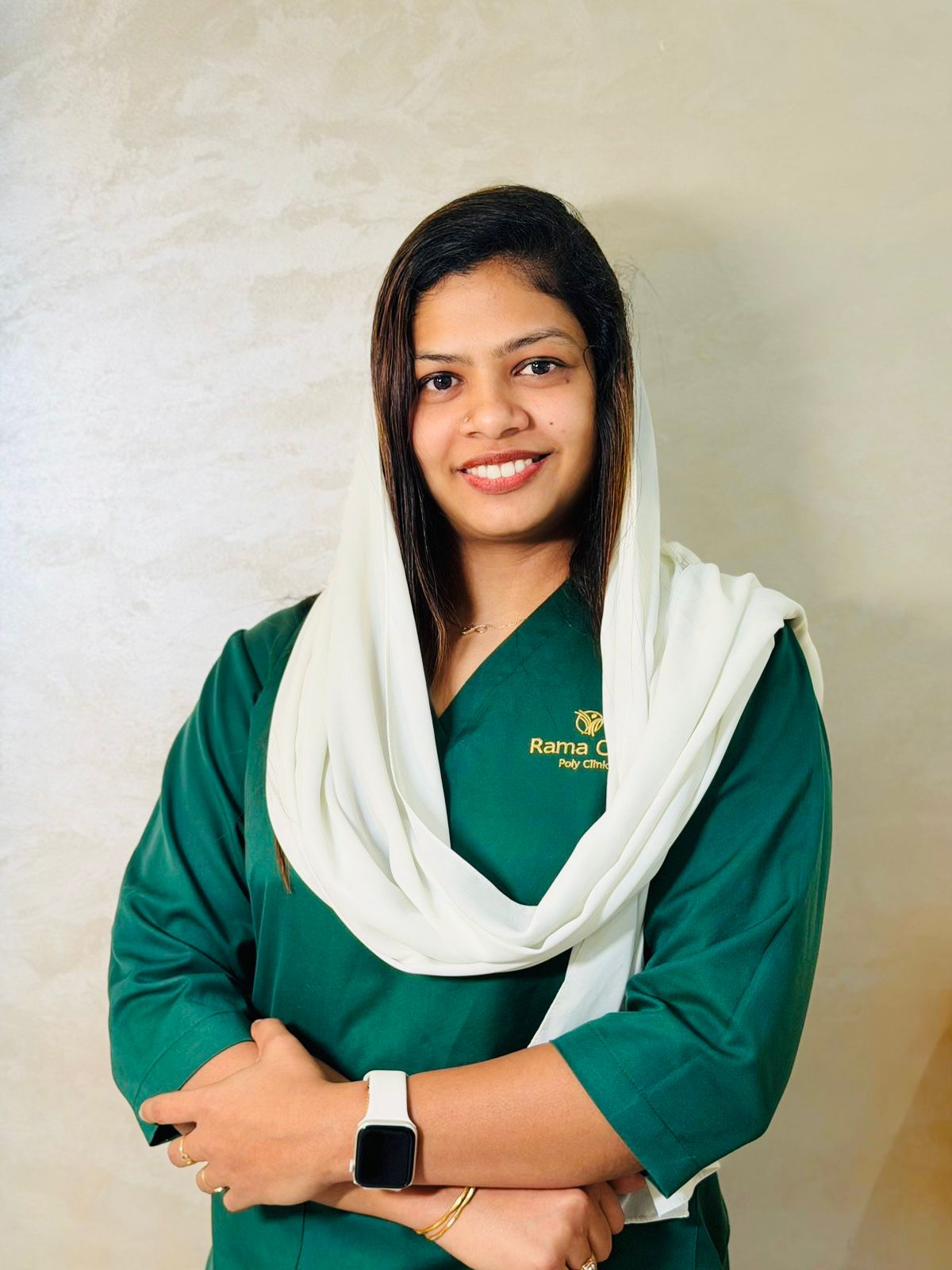
Content Reviewed by Dr. Shamna Keloth Meethal
Ayurveda & Holistic Health Specialist
BAMS · DHA Licensed Ayurveda Doctor • 11+ Years Clinical Experience