
Chemical Peel Treatment Dubai: Benefits, Procedure, Results & Cost
Many people in Dubai consider Chemical Peel Treatment in Dubai when they notice dullness, uneven tone, visible sun damage, or the lingering marks that acne can leave behind. A chemical peel is a professional skin treatment that uses a carefully selected chemical solution to exfoliate the outer layer of skin, encouraging renewal underneath. It is not a single, one-size-fits-all procedure — different formulations and strengths exist for different skin concerns, and the right choice depends on an individual skin assessment.
Dubai’s climate, with its intense sun exposure and dust, means many residents deal with pigmentation, dryness, and texture changes over time. This is one reason chemical peels remain a frequently searched skin treatment across the city. At RamaCare Polyclinic in Jumeirah 1, chemical peel treatment is approached as a medical skin procedure that begins with a proper consultation, not a walk-in, one-size-fits-all service. This article explains what a chemical peel is, how it works, what it may help with, and what to realistically expect — so you can have an informed conversation with a qualified clinician before deciding whether it’s right for you.
DHA Licensed
Jumeirah 1 Facility
Medical Grade
Tailored Solutions
Consult First
Expert Clinicians
What Is a Chemical Peel?
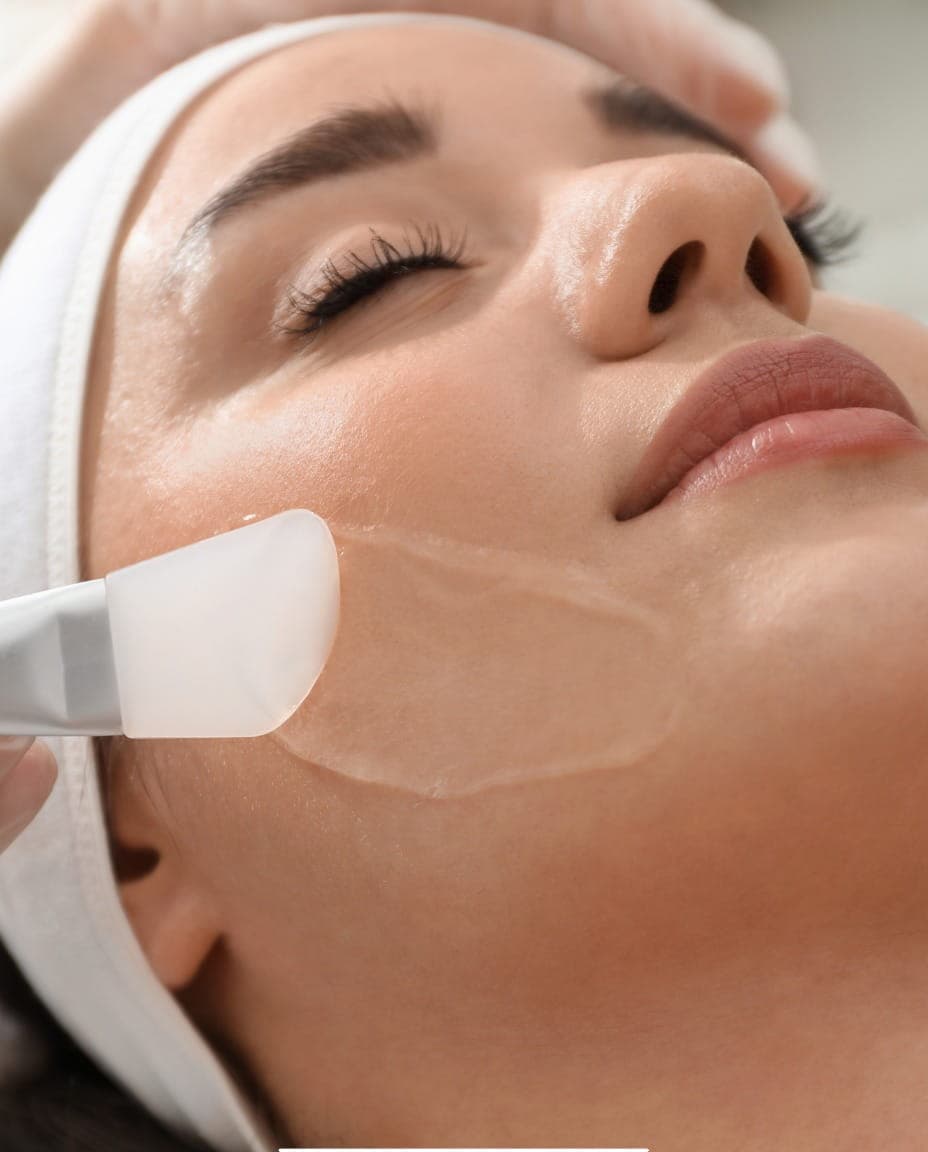
A chemical peel uses a professionally selected chemical solution to exfoliate controlled layers of skin. Depending on the formulation and depth, it may be considered for concerns such as uneven skin tone, hyperpigmentation, acne, selected acne marks, dullness, uneven texture, and fine lines. The exact peel type, concentration, and treatment depth should always be determined by a qualified clinician after assessing your skin — not selected based on searches or generic recommendations.
What Is a Chemical Peel?
A chemical peel is a form of controlled chemical exfoliation. A clinician applies a chemical solution to the skin, which loosens and removes dead skin cells from the surface, or in some cases affects deeper layers, depending on the type and strength of peel used. As the treated skin sheds, new skin gradually forms underneath, which may appear smoother, more even, or brighter in selected patients.
It’s important to understand that not all chemical peels are the same. A superficial glycolic acid peel behaves very differently from a medium-depth peel, both in terms of what it can address and how much downtime it involves. This is why chemical peels are customized rather than prescribed generically — the formulation, concentration, and number of layers applied are decisions made after assessing an individual’s skin type, tone, and concern.
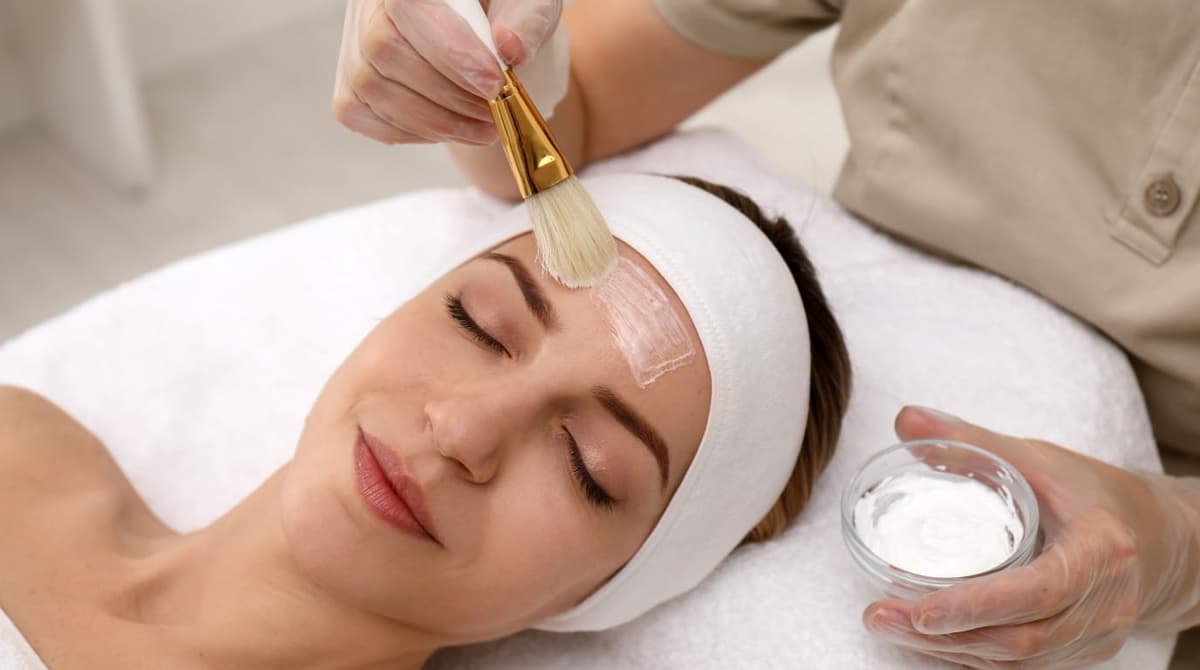
Professional Chemical Peel Application in Jumeirah 1
Key Clinical Takeaway
Customized, not generic — formulation, concentration, and depth are always determined after an individual skin assessment.
How Does a Chemical Peel Work?
Chemical exfoliation follows a structured 6-step medical protocol:
Skin Assessment
The clinician evaluates skin type, tone, pigmentation, acne activity, texture, sensitivity, current skincare routine, previous procedures, and the patient’s treatment goals.
Selecting the Peel
Based on this assessment, an appropriate formulation and strength is selected to match the patient’s skin and objective. No two treatment plans are automatically identical.
Skin Preparation
The skin is cleansed and prepared to remove oils and debris that could interfere with even peel application.
Application
The selected chemical solution is applied by the clinician in a controlled manner, often in layers, with careful monitoring of the skin’s response.
Controlled Exfoliation
The solution acts on the targeted skin layers, loosening the bonds between dead skin cells so that they can shed over the following days.
Post-Treatment Care
Aftercare is applied to support comfort and reduce irritation. Following the clinician’s aftercare instructions is important for recovery and for minimizing the risk of complications such as pigmentation changes.
Chemical Peel Benefits
When appropriately selected and applied, Chemical Peel Benefits may include:
What Skin Concerns Can Chemical Peels Address?
Patients often consider a chemical peel for concerns such as:
A chemical peel is one option among several in aesthetic dermatology, and whether it is the right choice — compared with alternatives such as microdermabrasion or skin boosters — depends on the specific concern being treated.
Related Alternatives:Microdermabrasion Therapy•Skin Boosters & Hydration•Aesthetic Dermatology Services
Chemical Peel for Hyperpigmentation
Chemical Peel for Hyperpigmentation is one of the most common reasons patients in Dubai seek this treatment. Hyperpigmentation refers to patches of skin that appear darker than the surrounding area. It can develop due to several factors, including:
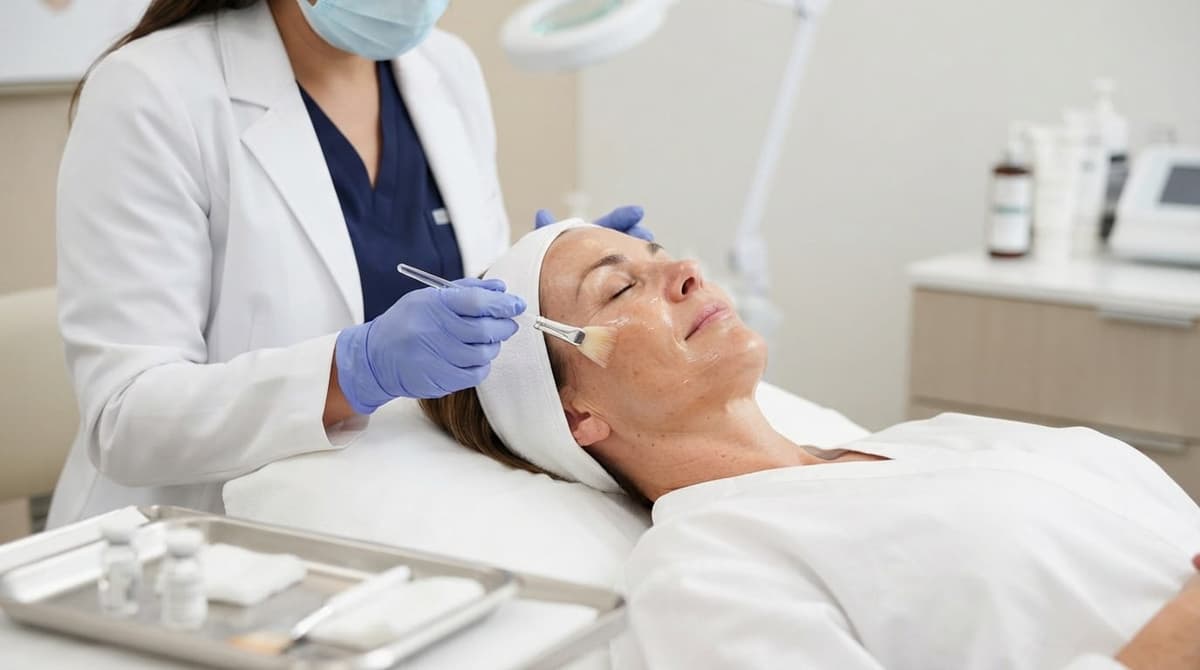
Dermatologist Pigmentation Assessment
Chemical exfoliation may support skin renewal in a way that can, for some patients, contribute to a more even-looking tone over time. However, pigmentation treatment requires careful assessment, because certain skin types are more prone to developing post-inflammatory hyperpigmentation as a reaction to treatment if the peel type or depth is not correctly matched. Appropriate peel selection, correct treatment depth, consistent sun protection, and proper aftercare are all essential parts of managing pigmentation safely. This is not a concern to self-treat — a clinician needs to evaluate the type of pigmentation involved before recommending any peel.
Chemical Peel for Pigmentation
Chemical Peel for Pigmentation is a broader topic than hyperpigmentation alone. Pigmentation concerns can include:
| Pigmentation Category | Common Root Cause |
|---|---|
| General pigmentation | Natural tone variation, sun exposure |
| Hyperpigmentation | Sun damage, inflammation, ageing |
| Post-acne marks | Healing response after acne lesions |
| Melasma | Hormonal factors, sun exposure |
| Sun-related pigmentation | Cumulative UV exposure |
Different causes often call for different treatment approaches. For example, melasma can behave differently from post-acne marks and may respond differently to chemical exfoliation. A chemical peel is not automatically the right treatment for every type of pigmentation, which is why an accurate diagnosis before treatment matters more than the treatment itself.
Chemical Peel for Acne
For patients dealing with active acne, chemical exfoliation may help support clearer-looking skin by encouraging cell turnover, which can assist with excess oil and blocked pores in selected, superficial cases. However, the suitability and choice of peel depend heavily on the severity and type of acne present. A chemical peel is not intended to replace standard medical acne management — for moderate to severe or inflammatory acne, a broader treatment plan involving a dermatologist is usually more appropriate, and a peel may only be one component of that plan, if used at all.
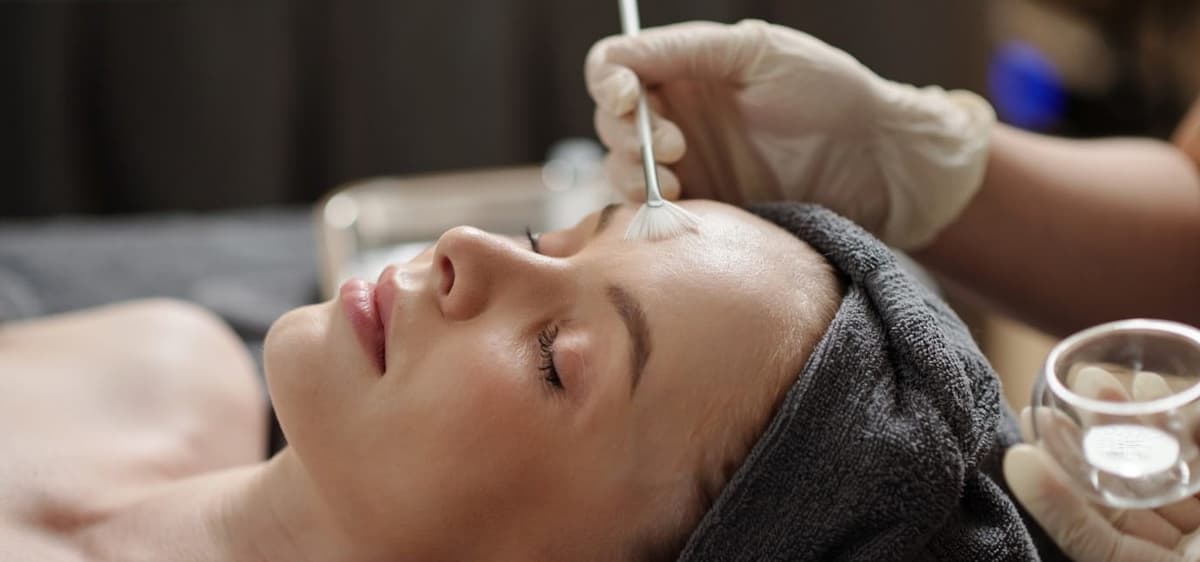
Chemical Peel for Acne Scars
Chemical Peel for Acne Scars is a frequently searched term, but the phrase “acne scars” actually covers several different skin changes, including:
Chemical peels may help with selected superficial concerns, particularly discoloration or mild textural irregularities. However, deeper atrophic scarring generally requires other approaches, such as microneedling, laser resurfacing, or combination treatments, and a peel alone may not be sufficient. A professional assessment is necessary to determine which category your marks fall into before any treatment plan is proposed.
Types of Chemical Peels
Superficial Peels
Surface Layer (Epidermis)
These work at the surface level and are generally associated with mild concerns such as dullness, minor texture irregularities, and selected pigmentation. They typically involve a shorter recovery period compared to deeper peels.
Medium-Depth Peels
Papillary Dermis
These affect deeper layers of skin and are generally associated with more noticeable results for certain concerns, but they also require more careful medical assessment, a more structured recovery plan, and closer monitoring.
Deeper Peels
Reticular Dermis
Stronger, deeper peels carry a greater risk profile and require appropriate professional supervision, both during application and throughout recovery. These are not suitable for casual or non-clinical settings.
Common Peel Ingredients
Different active ingredients are used in professional peels, each with distinct characteristics:
Used for surface exfoliation, texture refinement, and skin brightening.
Penetrates oil-containing pores, often considered for acne-prone skin.
Gentler exfoliation with hydrating properties, often considered for sensitive skin.
Slower penetration, ideal for sensitive or dark pigmentation-prone skin.
Used in medium-depth peels for targeted pigmentation and texture concerns.
Each ingredient has different clinical applications, and combinations or concentrations are matched to the individual by the treating clinician. This article does not recommend any specific ingredient or strength for any reader — that determination belongs in a clinical consultation.
Who Is a Suitable Candidate?
Suitability for a chemical peel depends on several individual factors, including:
- The specific skin concern being addressed
- Skin type and Fitzpatrick scale tone
- Skin sensitivity & barrier health
- Current medical conditions & medications
- Existing skin conditions (eczema, rosacea, active acne)
- Previous cosmetic or dermatological procedures
- Realistic treatment expectations & downtime flexibility
Patients who may be considered potential candidates often have concerns such as dull skin, uneven texture, selected pigmentation, mild acne, superficial acne marks, or early fine lines. Candidacy is always confirmed during a consultation, not assumed from a search query.
Who Should Avoid or Postpone?
Certain situations call for caution, delay, or medical review before proceeding, including:
- Active skin infection or cold sores
- Open wounds or broken skin barriers
- Significant skin irritation or severe sunburn
- Certain active inflammatory skin conditions
- Recent aggressive laser or cosmetic treatments
- A history of keloid formation or poor wound healing
- Certain medications (including recent oral isotretinoin)
- Recent excessive sun exposure or tanning
Ultimately, the treating clinician determines — based on your medical history and current skin condition — whether it is appropriate to proceed, postpone, or avoid treatment altogether.
Chemical Peel for Face
Chemical Peel for Face treatments require particular care because facial skin varies significantly in thickness and sensitivity across different areas. A facial skin assessment typically considers which areas can safely be treated, and the eyes and other sensitive areas are carefully avoided during application. Treatment strength must be individualized to the specific zones being treated — the skin around the cheeks, for instance, often tolerates different concentrations than more delicate areas. This is one of the key reasons professional application matters: uneven application or incorrect strength selection can lead to unwanted irritation or pigment changes in sensitive facial zones.
Chemical Peel Procedure at RamaCare
Consultation
Your concerns, medical history, current skincare routine, previous treatments, and expectations are discussed.
Skin Assessment
The clinician evaluates pigmentation, acne activity, texture, sensitivity, tone, and overall skin condition.
Treatment Planning
An appropriate approach is selected based on the assessment, rather than a standard protocol applied to every patient.
Preparation
The skin is cleansed and prepared for even application.
Chemical Peel Application
The selected professional peel is applied according to the individualized treatment plan.
Post-Treatment Care
Personalized aftercare instructions are provided based on the peel used and your skin’s response.
Follow-Up
Your skin’s response is monitored, and any future treatment is discussed only if clinically appropriate.
Does a Chemical Peel Hurt?
Most patients describe sensations such as tingling, warmth, mild stinging, or tightness during application, rather than significant pain. The intensity of these sensations varies according to the peel type, its strength, the treatment depth, and individual skin sensitivity. It would not be accurate to say the treatment is completely painless — some discomfort during application is common, though it is generally described as tolerable and brief.
Chemical Peel Side Effects
Understanding Chemical Peel Side Effects is an essential part of informed decision-making. Common, temporary reactions can include:
Less common but potentially more significant complications can include prolonged irritation, infection, changes in pigmentation, scarring, or burns — particularly with deeper peels or when aftercare instructions are not followed. The likelihood of these risks depends on the peel type, its strength, how it was applied, your individual skin condition, and your aftercare routine. This is precisely why professional assessment and supervision matter throughout the entire process, not just during the procedure itself.
Side Effects of Chemical Peel on Face
Looking specifically at the Side Effects of Chemical Peel on Face, facial skin can temporarily experience redness, flaking, dryness, heightened sensitivity, and increased sensitivity to sun exposure in the days following treatment. Following your clinician’s specific aftercare instructions is important for minimizing these effects. If you experience severe or unexpected symptoms — such as significant pain, blistering, or signs of infection — you should contact your healthcare provider rather than waiting for symptoms to resolve on their own.
Recovery Timeline by Peel Depth
Recovery time is directly related to treatment depth:
1 to 3 Days
Limited visible peeling or mild redness, often resolving quickly with minimal impact on daily routine.
5 to 7 Days
More noticeable peeling, flaking, and redness, requiring structured aftercare and sun protection.
10 to 14+ Days
Substantially longer recovery, requiring close clinical follow-up and strict activity modification.
There is no single universal recovery timeline that applies to every patient or every peel — your clinician will explain what to expect based on the specific treatment plan chosen for you.
Essential Aftercare Instructions
Following aftercare guidance closely supports both comfort and results. General principles typically include:
Your individualized aftercare plan always takes priority over general guidance, since it reflects the specific peel and your skin’s response.
Chemical Peel Before and After
When reviewing Chemical Peel Before and After images, it helps to understand what they realistically represent. Possible improvements some patients notice include brighter-looking skin, a more even-looking tone, smoother texture, reduced appearance of superficial pigmentation, and improvement in selected acne-related marks.
That said, results vary depending on skin condition, the type of peel used, treatment depth, the number of sessions completed, ongoing skincare habits, sun exposure, and individual biological response. No two patients should expect identical outcomes from the same treatment. Any before-and-after material shared by a clinic should be genuine, properly consented to by the patient, and presented in a way that reflects typical rather than best-case-only outcomes.
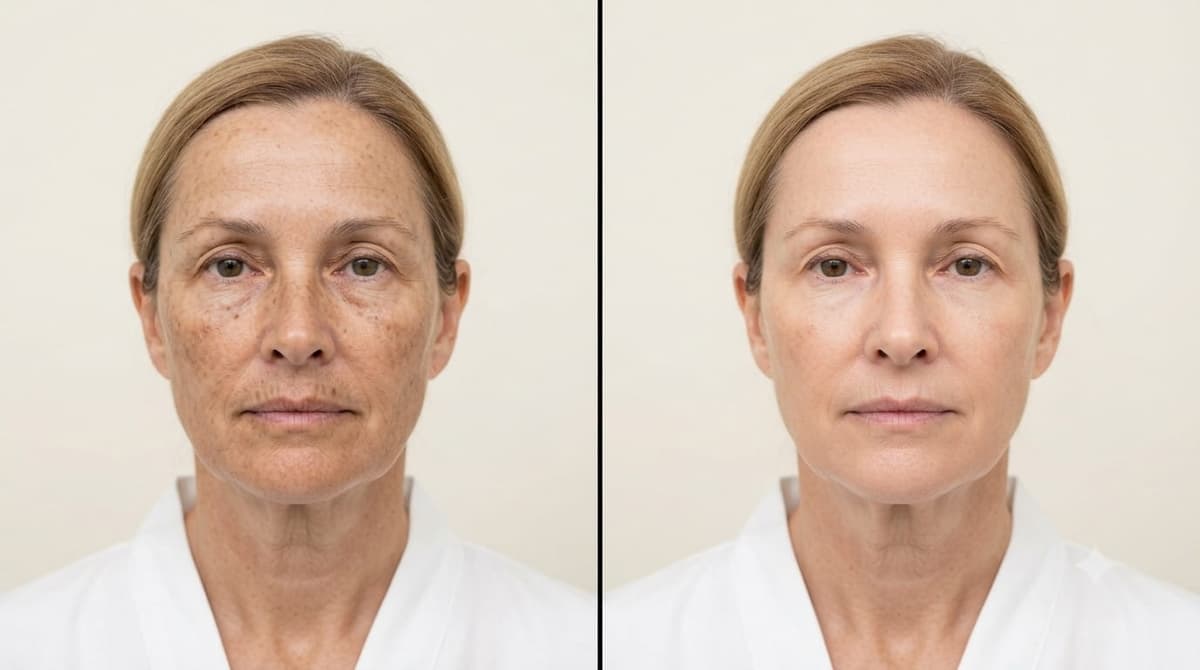
Post-Recovery Skin Radiance
Chemical Peel Results Timeline
A general Chemical Peel Results Timeline looks roughly like this, though it varies by individual and peel type:
Immediately After
Skin may appear red, flushed, or feel slightly tight.
Early Recovery
Peeling, flaking, or dryness occurs as old skin sheds.
After Recovery
New skin emerges, gradually appearing smoother and more even.
Longer Term
Collagen turnover continues. Additional sessions may be evaluated.
There is no single precise day-by-day timeline that applies universally — your clinician can give you a more specific expectation based on the peel selected for you.
Chemical Peel Sessions & Cost in Dubai
The number of Chemical Peel Sessions required varies based on several factors: the treatment goal, the type of peel used, the underlying skin condition, whether pigmentation or acne is being addressed, textural concerns, and how the skin responded to any previous treatment. There isn’t a fixed number of sessions that applies to every patient. In many cases, a clinician may recommend a treatment series spaced over several weeks, with progress reviewed between sessions before deciding whether further treatment is appropriate.
Cost Factors in Dubai
Chemical Peel Cost in Dubai varies from clinic to clinic and patient to patient. Rather than quoting a fixed figure, it’s more useful to understand what typically influences cost:
When comparing clinics, price alone shouldn’t be the deciding factor. It’s worth comparing based on the clinician’s professional qualifications, whether the treatment is genuinely suited to your skin, the clinical standards followed, the quality of aftercare provided, and how transparently the clinic communicates about expected outcomes and risks. For current pricing specific to your skin and goals, it’s best to contact RamaCare directly for a consultation.
Medical Grade Chemical Peel Dubai
The term Medical Grade Chemical Peel Dubai is often used in marketing, but it’s worth understanding what actually matters clinically. A professionally administered chemical peel should be selected and applied based on a proper patient assessment, the specific skin condition being treated, the treatment goal, an appropriately matched formulation and depth, sound clinical judgment during application, and structured aftercare. The formulation itself is only one part of a safe outcome — clinical assessment and supervision throughout the process are what genuinely differentiate a professionally delivered treatment from an over-the-counter or unsupervised option.
How to Choose the Best Chemical Peel Clinic in Dubai
Finding the Best Chemical Peel Clinic in Dubai for your needs involves evaluating several factors rather than relying on marketing claims alone:
Check that the clinic and treating clinicians hold relevant DHA healthcare qualifications and appropriate licensing.
A responsible clinic assesses your specific skin rather than recommending the same peel to every patient who walks in.
You should clearly understand the expected benefits, potential risks, recovery process, alternative options, and an approximate treatment plan before proceeding.
Clear, individualized post-treatment guidance should be provided as a standard part of the service.
Any before-and-after photographs shown should be authentic, properly consented, and presented honestly rather than as best-case-only examples.
Clinical hygiene standards and appropriate treatment protocols should be evident and easy to ask about.
Chemical Peel Near Me in Dubai & Why Choose RamaCare
If you’re searching for a “Chemical Peel Near Me” option in Dubai, it helps to evaluate nearby clinics on more than just proximity. Consider the clinic’s location and accessibility, the professional qualifications of its clinicians, whether a proper consultation is offered before treatment, the range of treatment options available, and the quality of follow-up and aftercare support provided.
RamaCare Polyclinic is located in Jumeirah 1, Dubai, offering accessible Chemical Peel Treatment in Dubai within a broader healthcare setting, alongside a formal consultation and skin assessment process for patients considering treatment.
Why Choose RamaCare Polyclinic?
RamaCare Polyclinic operates as a DHA-licensed healthcare facility in Jumeirah 1, Dubai, offering aesthetic dermatology services within a broader, multidisciplinary healthcare environment. RamaCare describes its aesthetic dermatology services as personalized according to each patient’s individual skin type, concerns, and goals.
For chemical peel treatment specifically, this translates into a consultation-first approach: your skin is assessed before any peel type or strength is recommended, treatment plans are individualized rather than standardized, and aftercare guidance is provided as part of the overall care pathway — not as an afterthought. RamaCare’s positioning is that of a professional healthcare provider offering aesthetic dermatology as one part of comprehensive patient care, rather than a purely cosmetic walk-in service.
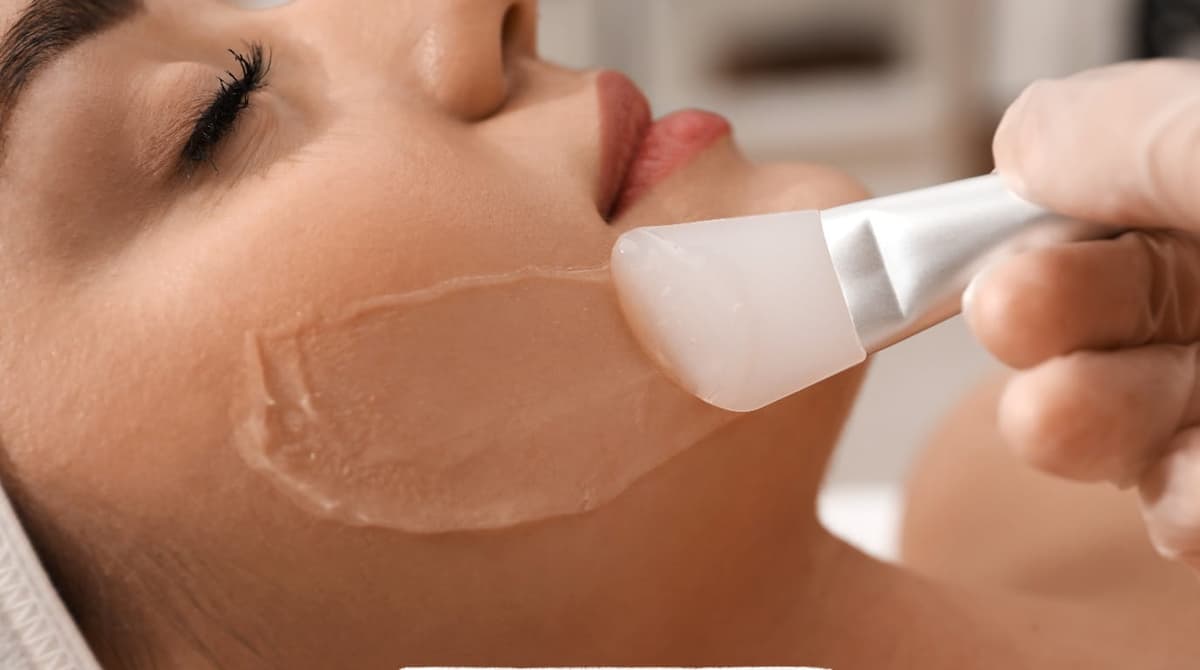
RamaCare Polyclinic Jumeirah 1 Facility
Visual Patient Journey
Book Consultation
Schedule your initial visit at RamaCare Polyclinic Jumeirah 1
Skin Assessment
Clinician evaluates skin type, tone, active concerns & barrier health
Identify Skin Concern
Determine exact causes of pigmentation, acne, texture or dullness
Select Peel Solution
Match precise acid formulation, concentration & layering plan
Clinical Treatment
Safe, controlled application under professional supervision
Personalized Aftercare
Receive customized recovery instructions & soothing skincare
Controlled Recovery
Gentle shedding and skin renewal over 3 to 7 days
Progress Review
Clinician evaluates skin response & texture improvement
Follow-Up Care
Maintain results with ongoing skin health regimen
Frequently Asked Questions
Ready to Explore Chemical Peel Treatment Dubai?
The appropriate first step is a professional consultation and skin assessment — not a self-selected peel type or strength. A qualified clinician at RamaCare can evaluate your skin, discuss your goals, and explain whether a chemical peel, or an alternative treatment, is more appropriate for your concern.
Every treatment plan begins with understanding your skin — not a promise of guaranteed results.

Content Reviewed by Sonita Sinaga
Licensed & Certified Aesthetic Therapist
NCLC Laser Certified · Licensed Aesthetic Therapist • 14+ Years Clinical Experience