
Dyslipidemia Diagnosis and Treatment in Dubai
Accurate Diagnosis & Personalized Care
Dyslipidemia, or abnormal cholesterol and lipid levels, can increase the risk of heart disease, stroke, and other health complications. At RamaCare Polyclinic, we provide trusted Dyslipidemia Diagnosis and Treatment in Dubai, offering precise testing, personalized treatment, and long-term management plans to help you maintain healthy lipid levels.

Safety & Medical Disclaimer: Treatment outcomes may vary based on individual health conditions, adherence, and lifestyle. All procedures and tests are performed by qualified doctors at a DHA-licensed clinic.
Understanding Dyslipidemia
What is Dyslipidemia?
Dyslipidemia occurs when there are abnormal levels of cholesterol, triglycerides, or lipoproteins in the blood. It may be caused by genetics, diet, obesity, or underlying health conditions. Early diagnosis and treatment help prevent cardiovascular complications.
Conditions We Diagnose and Treat
Our Dyslipidemia Diagnosis and Treatment in Dubai includes care for:
- •High cholesterol (LDL)
- •Low “good” cholesterol (HDL)
- •Elevated triglycerides
- •Mixed lipid disorders
- •Familial dyslipidemia
- •Lifestyle-related dyslipidemia
Who Needs Dyslipidemia Diagnosis?
You may need diagnosis and treatment if you have:
- •Family history of high cholesterol or heart disease
- •Obesity or weight management issues
- •Diabetes or hypertension
- •Poor dietary habits or a sedentary lifestyle
- •Symptoms of cardiovascular risk (angina, shortness of breath)
Treatment Duration & Process
The process for dyslipidemia management includes:
- •Initial Consultation: 30–45 minutes
- •Diagnostic Testing: Blood tests for lipid profile
- •Treatment Initiation: Medication and lifestyle guidance
- •Follow-Up: Monthly or quarterly monitoring
- •Long-Term Management: Lifestyle, diet, and preventive care
Quick Facts
Common Dyslipidemia Concerns
Without proper diagnosis and treatment, dyslipidemia can silently increase the risk of heart disease, stroke, and other complications. Many patients delay testing due to a lack of symptoms.
Elevated Cholesterol and Triglycerides
High levels of LDL (bad cholesterol) and triglycerides can lead to plaque buildup in the arteries. This condition, known as atherosclerosis, restricts blood flow and increases the risk of heart attack and stroke. Regular lipid profile testing is essential for early detection and prevention.
Increased Risk of Cardiovascular Disease
Uncontrolled dyslipidemia is one of the leading risk factors for cardiovascular disease. Over time, excess lipids damage blood vessels, raising the likelihood of coronary artery disease, hypertension, and cardiac complications.
Sedentary Lifestyle and Unhealthy Diet
A lifestyle lacking physical activity combined with high consumption of processed foods, saturated fats, and sugary beverages contributes significantly to abnormal lipid levels. Poor dietary habits worsen cholesterol imbalance and increase long-term health risks.
Lack of Regular Screening
Many individuals avoid routine cholesterol screening due to the absence of visible symptoms. Without regular lipid profile tests, dyslipidemia can remain undetected for years, silently affecting heart health.
Unmanaged Genetic Lipid Disorders
Some individuals inherit genetic conditions such as familial hypercholesterolemia, which causes extremely high cholesterol levels from a young age. Without medical management, these disorders greatly increase early cardiovascular risk.
Obesity and Metabolic Syndrome
Excess body weight and metabolic syndrome are closely linked to abnormal cholesterol and triglyceride levels. These conditions increase insulin resistance, blood pressure, and the risk of developing heart disease.
Diabetes and Insulin Resistance
People with diabetes often experience imbalanced lipid levels, including high triglycerides and low HDL (good cholesterol). Poorly controlled blood sugar further increases cardiovascular complications.
Comprehensive Dyslipidemia Management in Dubai
At RamaCare Polyclinic, our Dyslipidemia Diagnosis and Treatment in Dubai focuses on accurate testing, personalized treatment, and lifestyle counseling.Patient-Centric Approach Includes:
Comprehensive Lipid Profile Testing
We perform detailed lipid profile testing to measure total cholesterol, LDL (bad cholesterol), HDL (good cholesterol), and triglycerides.
Personalized Medication and Diet Plans
Based on your test results and medical history, we design individualized treatment strategies that may include cholesterol-lowering medications and heart-healthy diet plans.
Exercise and Lifestyle Guidance
Physical activity and healthy lifestyle habits play a vital role in managing dyslipidemia.
Regular Monitoring and Progress Evaluation
Routine follow-up appointments and repeat lipid testing allow us to monitor your progress and adjust treatment when necessary.
Patient Education for Long-Term Heart Health
We empower patients with knowledge about cholesterol management, healthy food choices, stress control, and preventive care.
Cardiovascular Risk Assessment
We evaluate additional risk factors such as blood pressure, diabetes, obesity, and family history.
Weight Management Support
Excess weight contributes to abnormal lipid levels and metabolic imbalance.
Your Care Journey
Comprehensive approach to effective dyslipidemia diagnosis and treatment.
Visit 1 – Consultation & Assessment
Medical history and cardiovascular risk assessment, blood sample collection, and discussion of initial results.
Key Activities
- Medical history and cardiovascular risk assessment
- Blood sample collection for lipid testing
- Discussion of initial results and treatment plan
Visit 2 – Treatment Initiation
Starting prescribed medication and lifestyle counseling.
Key Activities
- Prescribed medication if needed
- Diet and lifestyle counseling
- Symptom and risk factor monitoring
Follow-Up Visits – Monitoring & Adjustment
Review blood test results, adjust treatment, and provide long-term preventive guidance.
Key Activities
- Review of blood test results
- Adjust medications or lifestyle plan
- Long-term preventive care guidance
Clinically-Observed Benefits
Evidence-based results from our comprehensive dyslipidemia management.
Improved cholesterol and triglyceride levels
Reduced cardiovascular risk
Healthy weight management support
Enhanced energy and well-being
Long-term preventive care
Comprehensive lipid profile testing
Evidence-based treatment plans
Lifestyle and dietary guidance
Adult-friendly care with long-term monitoring
Professional Dyslipidemia Management vs Self-Treatment
Compare our expert medical approach with self-treatment
| Aspect | Professional Dyslipidemia Management | Self-Treatment |
|---|---|---|
| Diagnosis | Comprehensive lipid profiling and risk assessment | Self-assessment, may miss abnormalities |
| Treatment | Evidence-based medications and lifestyle guidance | Dietary changes only, may be insufficient |
| Medication | Appropriate prescription based on risk and guidelines | Over-the-counter supplements, may be ineffective |
| Monitoring | Regular lipid testing and treatment adjustments | No regular monitoring, may miss changes |
| Risk Assessment | Comprehensive cardiovascular risk evaluation | Limited understanding of overall risk |
| Results | Achievement of target lipid levels, risk reduction | Variable, often incomplete improvement |
Real Success Stories from Dubai Patients
Verified testimonials from patients who received effective dyslipidemia treatment


Average Rating
Google Reviews
Patient Reviews
On Google
Departments
Under one roof
Days a week
Open 10am–10pm
Meet Our DHA-Licensed Expertise
Highly qualified doctors with decades of combined experience, committed to your healing journey with expertise, compassion, and authentic care.
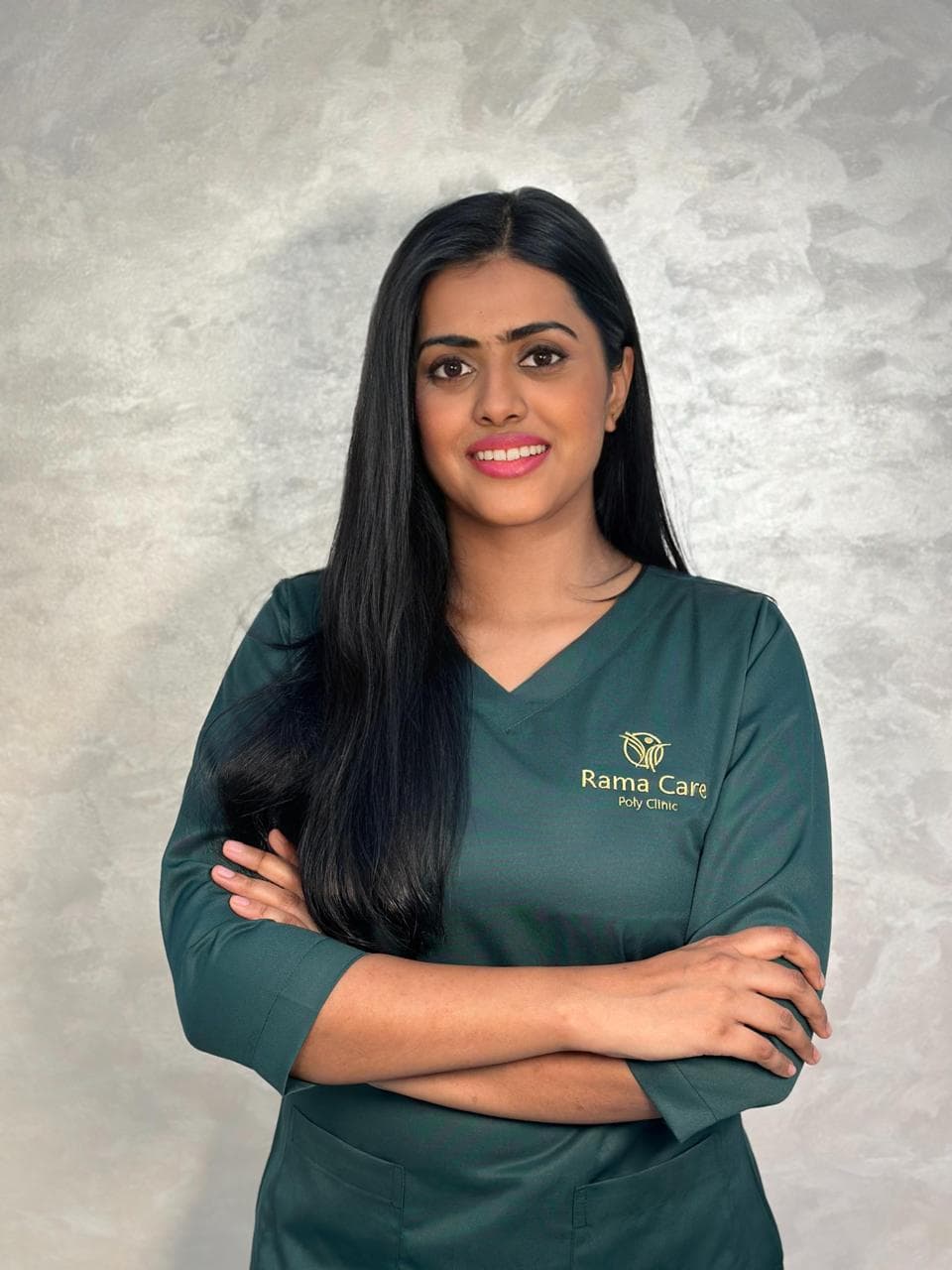
Jeena Mathew
BPT, MPT (Physiotherapy)
Musculoskeletal Physiotherapy
8+ Years ExperienceKey Expertise
- Back Pain & Sciatica: Manual therapy and strengthening
- Neck Pain: Joint mobility and posture advice
- Shoulder & Knee Pain: Rehabilitation
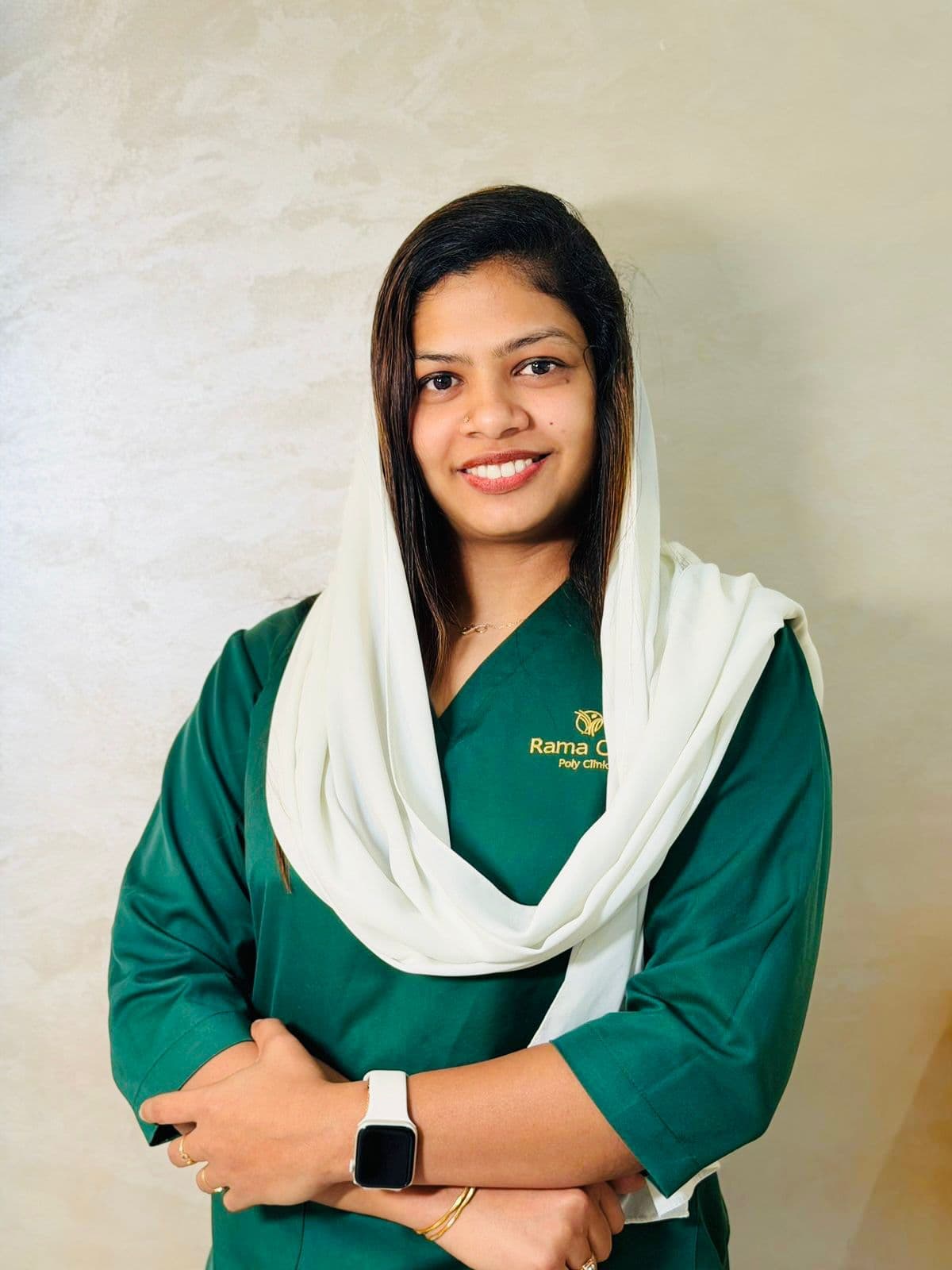
Dr. Shamna Keloth Meethal
BAMS (Ayurveda Practitioner)
General Ayurveda & Preventive Care
11+ Years Experience | DHA LicensedKey Expertise
- General Ayurveda: Prakriti evaluation & consultations
- Preventive Healthcare & Daily Routine guidance
- Ayurvedic Diet & Gut Health counseling

Soumya Abraham
Diploma in General Nursing and Midwifery | DHA Licensed Nurse | BLS Certified
Dental, Aesthetic & General Nursing Support
11+ Years Experience | DHA LicensedKey Expertise
- Assisting with dental procedures and aesthetic treatments
- Pre- and post-treatment patient care to ensure comfort and optimal healing
- Administering medications, IV therapy, and minor surgical assistance
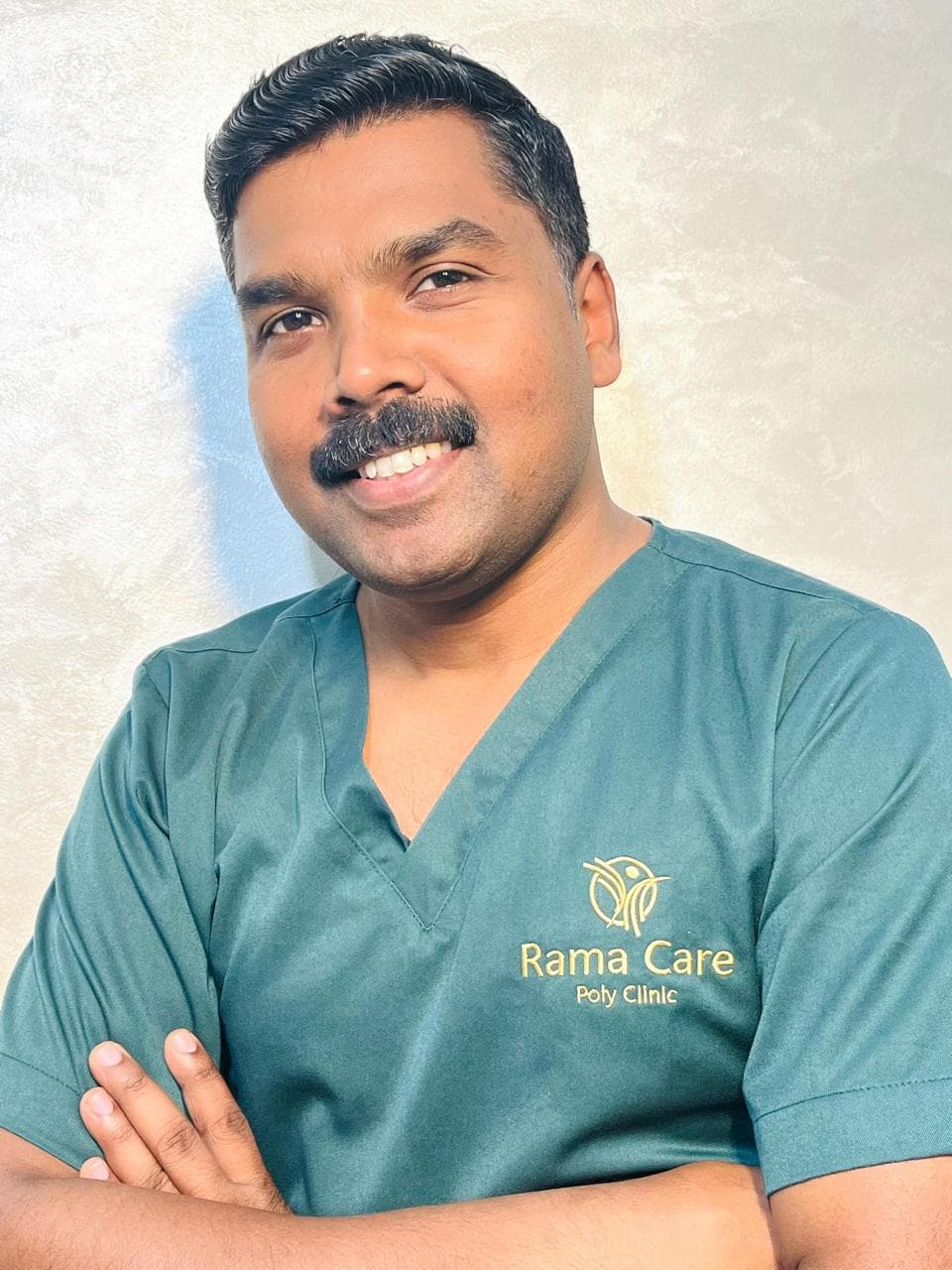
Syamkumar Sasidharan
Diploma in Ayurveda Panchakarma Therapy
Ayurveda Panchakarma Therapy & Holistic Wellness
17+ Years Experience | DHA LicensedKey Expertise
- Delivering traditional Ayurvedic treatments including Abhyanga, Panchakarma, and Shirodhara
- Detoxification therapies and personalized lifestyle consultations
- Holistic diagnosis and restoration of body imbalances
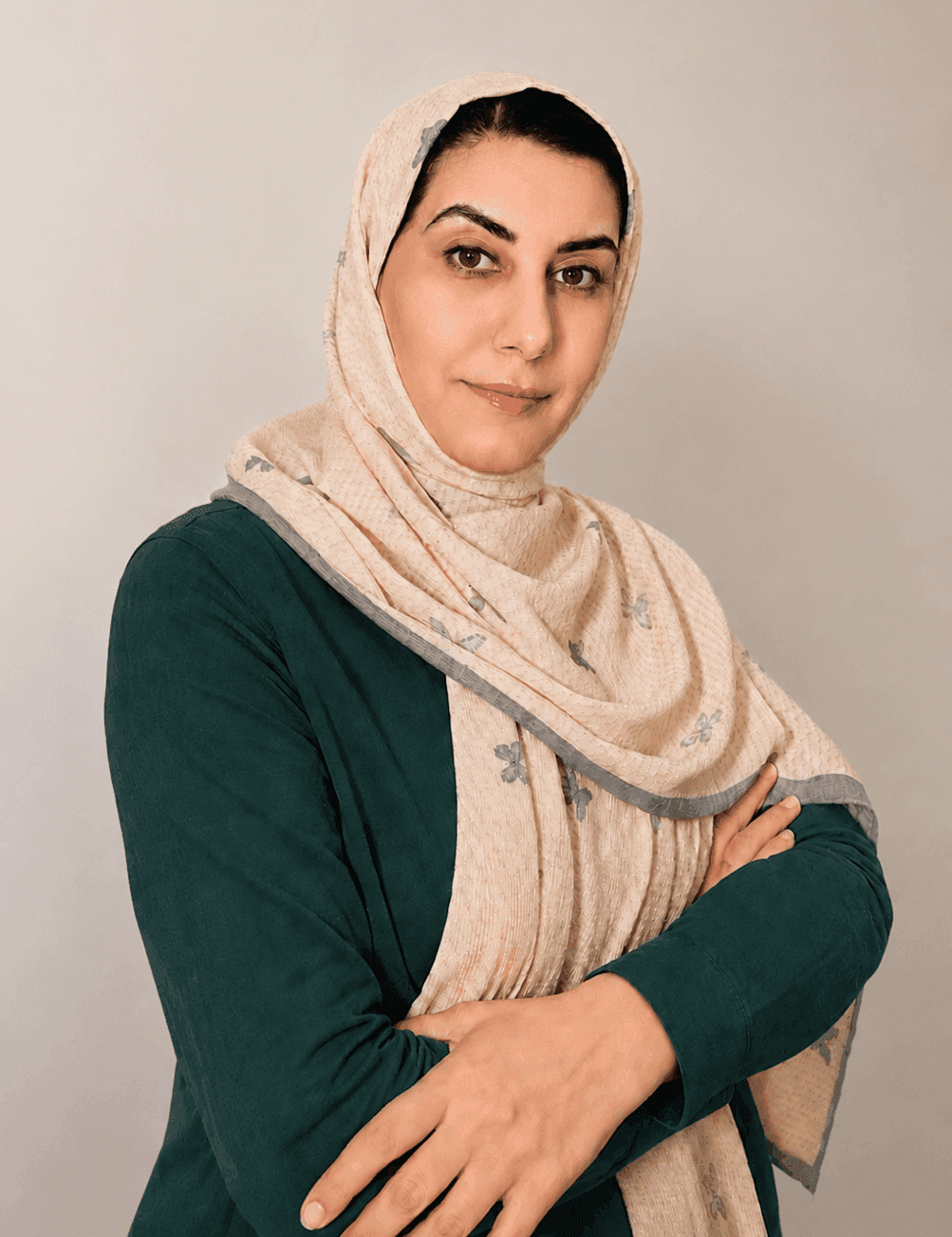
Dr. Sahar Zomorrodi
DHA-Licensed General Practitioner | Diploma from American Aesthetic Academy
General Practice & Aesthetic Medicine
14 Years Experience | DHA LicensedKey Expertise
- Holds a diploma from the American Aesthetic Academy
- Skilled in non-surgical cosmetic procedures, skin rejuvenation, and anti-aging treatments
- Committed to delivering safe, personalized, and results-driven care
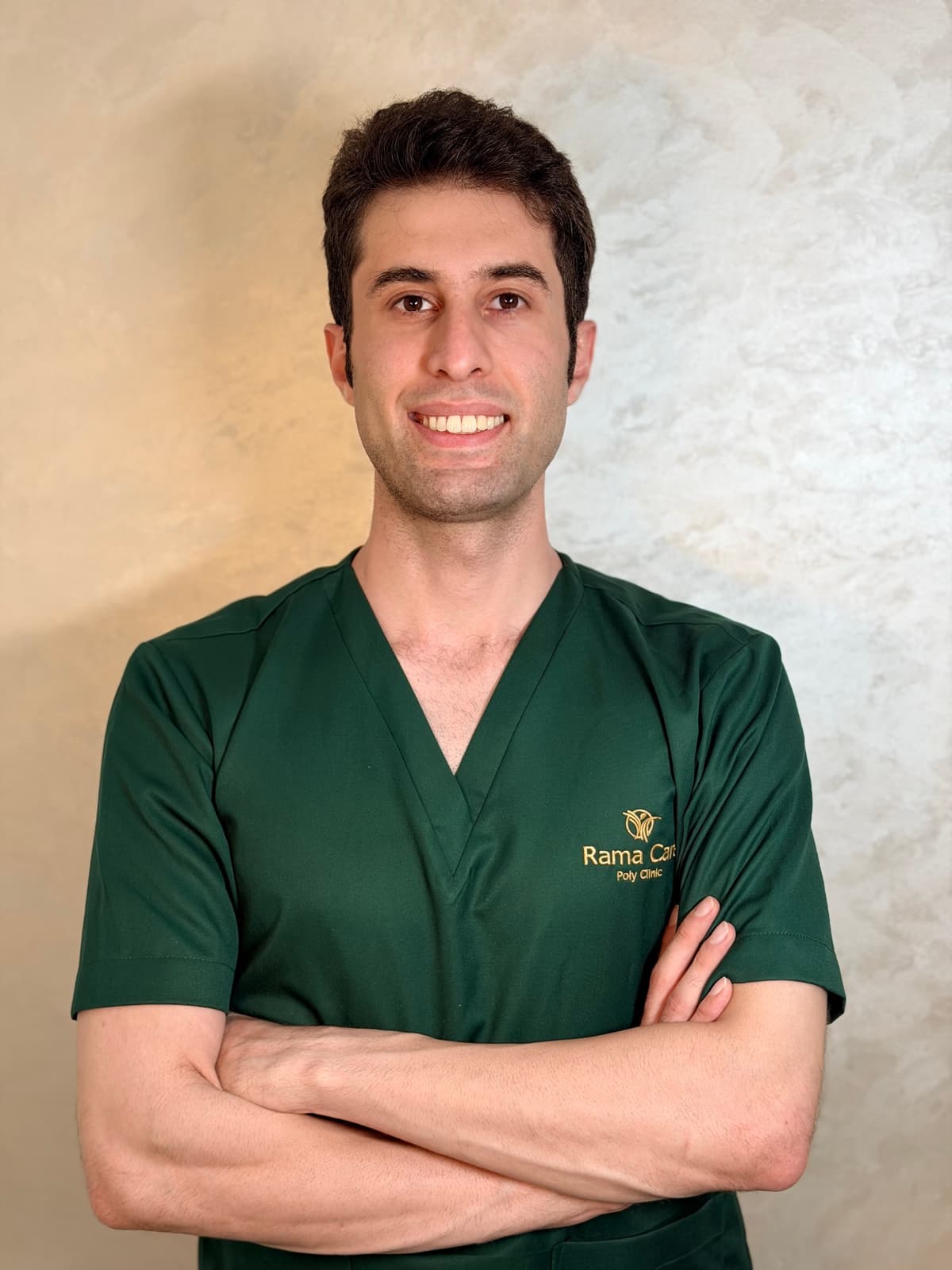
Dr. Hirbod Gilandoust
DHA-Licensed Dentist
Esthetic Dentistry & Dental Surgery
7+ Years ExperienceKey Expertise
- Advanced esthetic dental treatments
- Dental restorations and prosthetics
- Root canal treatments (Endodontics)
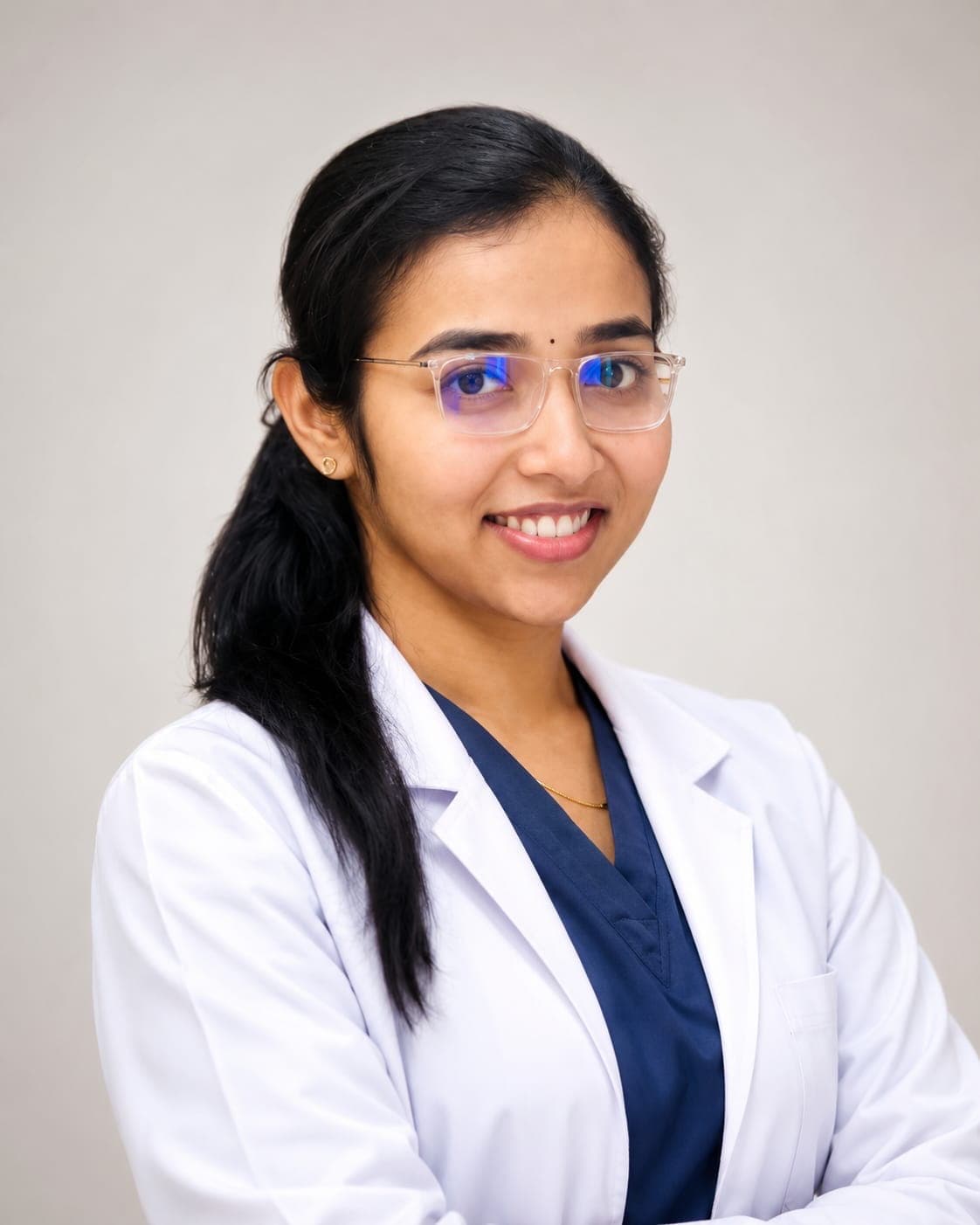
Dr. Aparna Balakrishnan
DHA-Licensed General & Cosmetic Dentist
General & Cosmetic Dentistry
9+ Years ExperienceKey Expertise
- Root canal treatments
- Cosmetic restorations
- Dental veneers
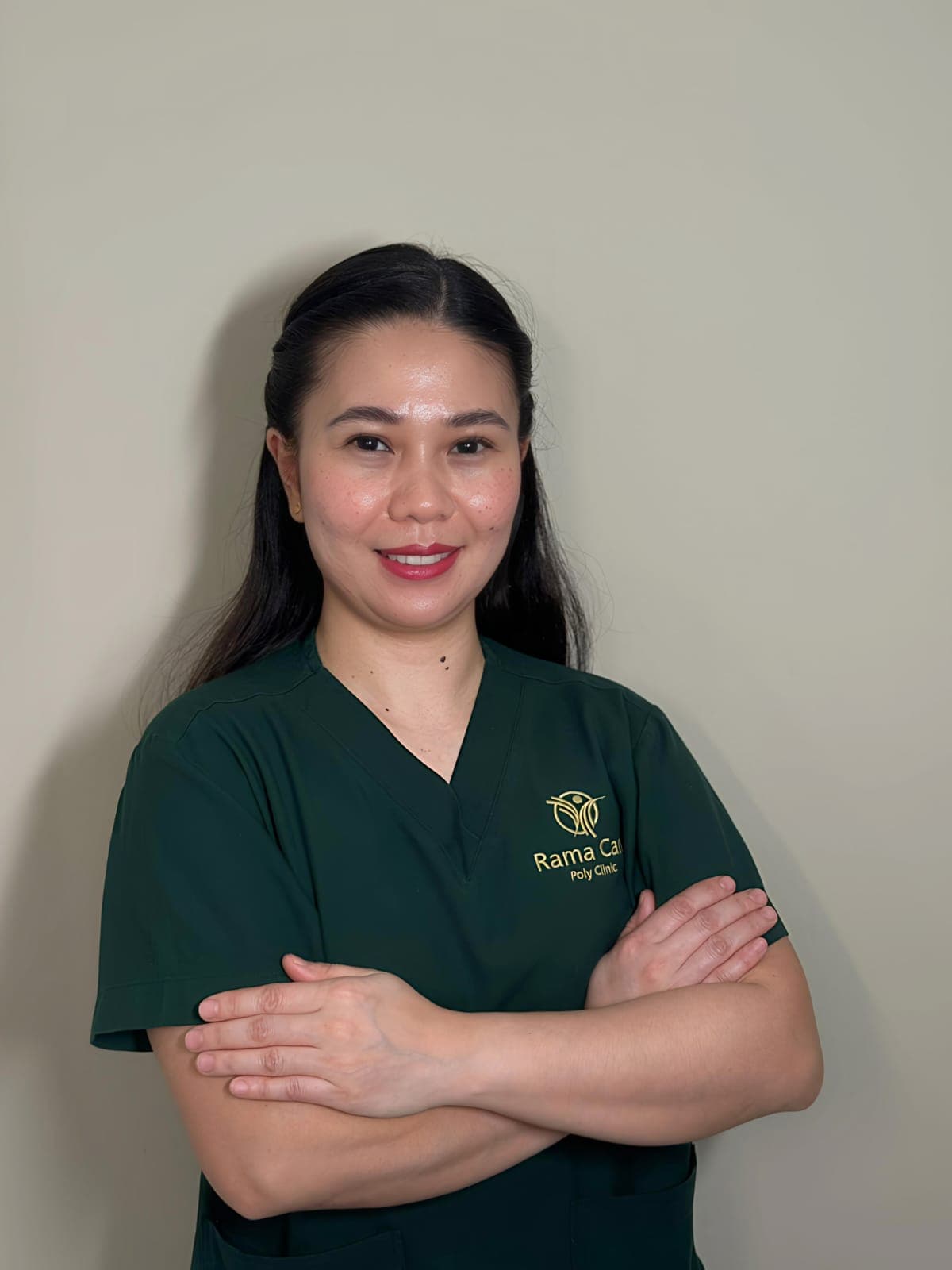
Nodainne Baves Guerrero
DHA-Licensed Beauty Therapist
Beauty Therapy & Advanced Aesthetic Treatments
10+ Years ExperienceKey Expertise
- Advanced facial treatments
- Skin rejuvenation therapies
- Anti-ageing skincare procedures
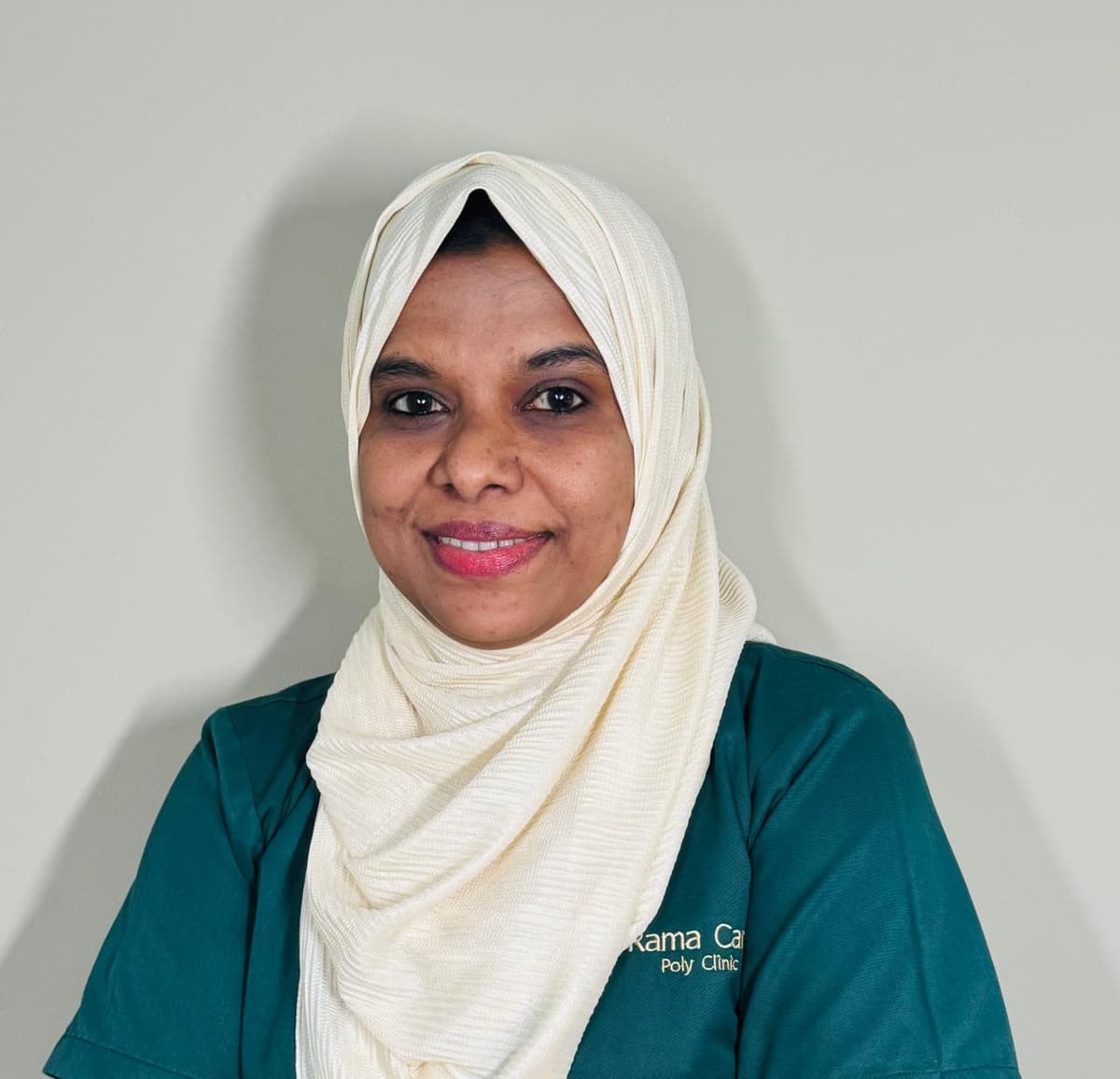
Mariya Thayyil Muhammed
DHA Licensed Ayurveda Therapist
Ayurveda Therapy & Holistic Wellness
14+ Years UAE ExperienceKey Expertise
- Traditional Ayurveda therapies
- Panchakarma support treatments
- Abhyanga and therapeutic massage
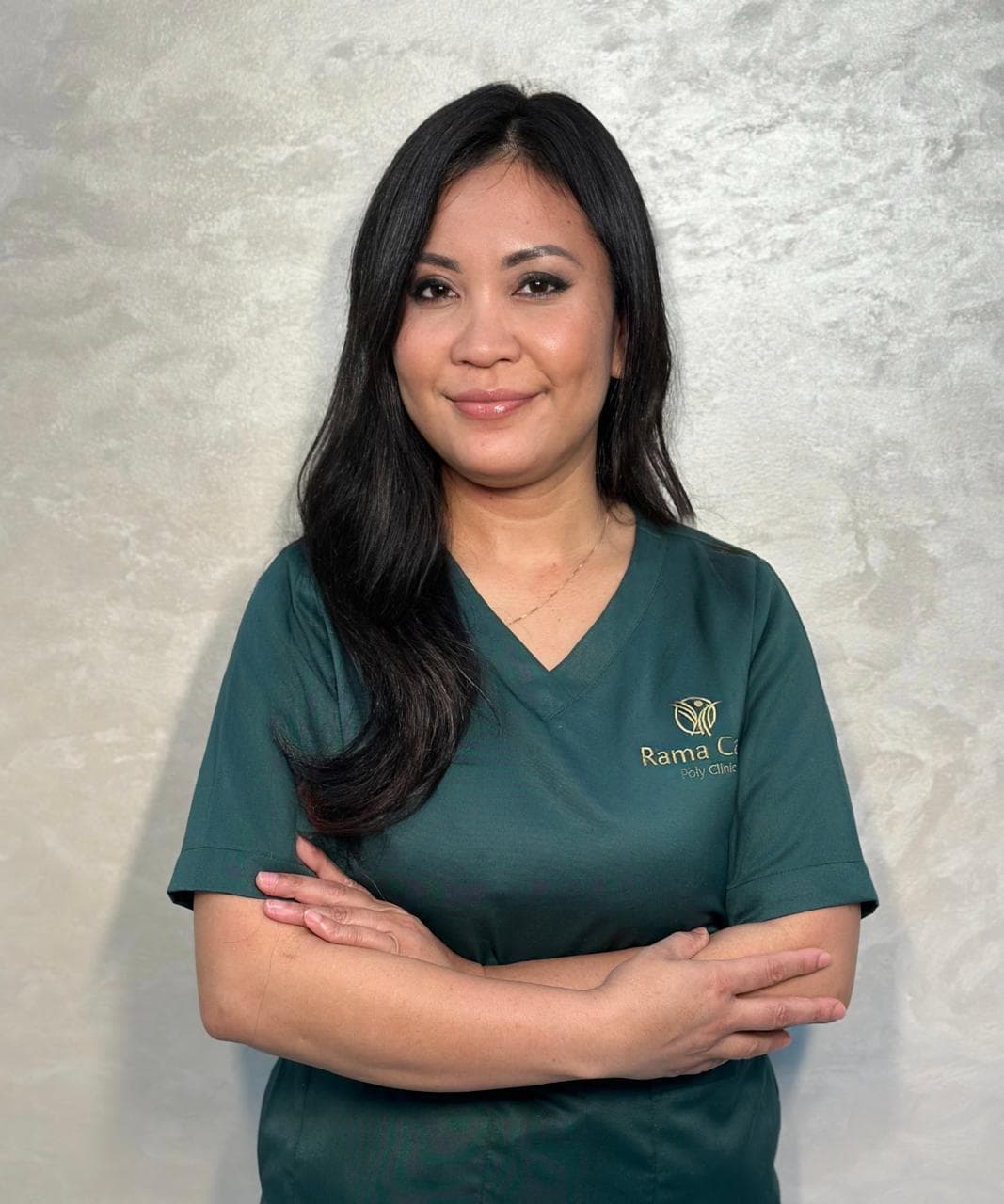
Sonita Sinaga
Licensed & Certified Aesthetic Therapist
Aesthetic Dermatology & Skin Care
14+ Years ExperienceKey Expertise
- Advanced Beauty & Aesthetic Treatment Skills
- HIFU (High-Intensity Focused Ultrasound)
- RF Microneedling
Payment & Insurance
- Cash Accepted
- Credit & Debit Cards Accepted
- Flexible Payment Plans Available
- 0% Interest Installments (T&C Apply)
- We Accept Payments via Tabby (Split into Easy, Interest-Free Installments)
Insurance & Reimbursement Policy
- Reimbursement Only – We currently accept insurance on a reimbursement basis.
- Patients are required to make payment at the time of service.
- Detailed Invoices Provided for Claim Submission.
- Complete Documentation Assistance for Smooth Reimbursement Process.
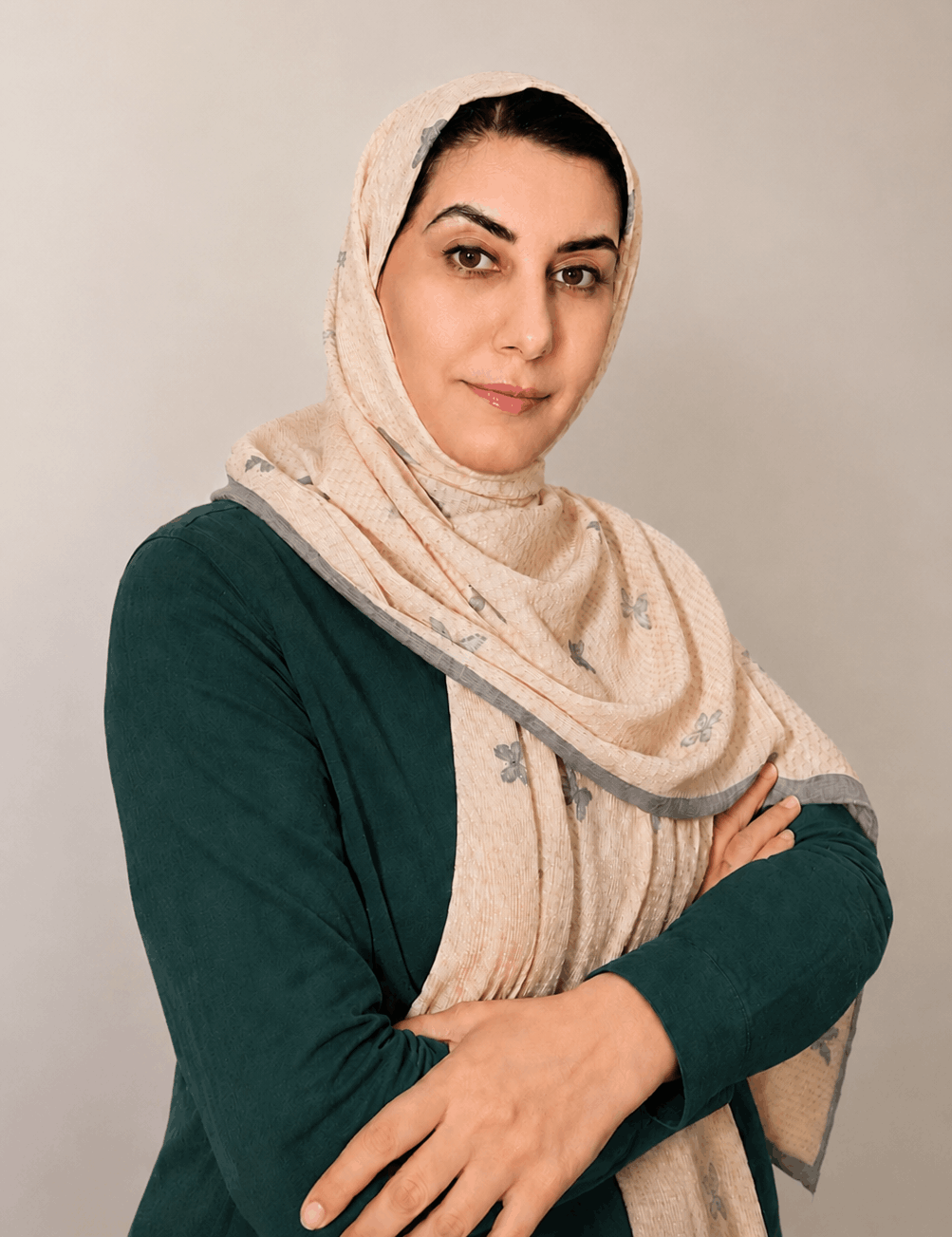
Content Reviewed by Dr. Sahar Zomorrodi
General Practitioner & Aesthetic Specialist
MD · DHA Licensed General Practitioner • 10+ Years Clinical Experience
Frequently Asked Questions About Dyslipidemia Diagnosis and Treatment in Dubai
What is dyslipidemia?
What are the symptoms of dyslipidemia?
How is dyslipidemia diagnosed?
Who should get tested for dyslipidemia?
Can dyslipidemia be treated without medication?
What medications are used for dyslipidemia?
How long does dyslipidemia treatment take?
Are there side effects of dyslipidemia treatment?
Can children have dyslipidemia?
Is dyslipidemia treatment safe for elderly patients?
Can dyslipidemia be reversed completely?
How can I prevent dyslipidemia?
How often should I monitor my cholesterol?
Can dyslipidemia cause heart disease?
Why choose RamaCare Polyclinic for dyslipidemia treatment in Dubai?
Complete General Physicians Services
Book Your Dyslipidemia Consultation Today
Receive comprehensive care for dyslipidemia from our experienced team. Our DHA-licensed general physicians are ready to help you manage your cholesterol and reduce cardiovascular risk.
Get In Touch
Call Us
+971 04 286 2006
Chat with us instantly
query@ramacarepolyclinic.com
Clinic Address
12 Al Dhiyafah Rd - Jumeirah Terrace Building,
Ground Floor, Jumeirah 1 - Dubai
Clinic Hours
Request Appointment
DHA Licensed
Certified Medical Facility
Experienced Team
12+ Years Combined
4.8/5 Google Rating
217 reviews
4.8/5 Google Rating
217 reviews