
Melasma Treatment Dubai — Clearer, More Even-Toned Skin Starts Here
Living in Dubai means living under some of the most intense sun on the planet — and for many people, that shows up on the skin as melasma. If you've noticed brown or grayish patches settling on your cheeks, forehead, or upper lip, you're not alone, and you don't have to just live with it.
At RamaCare Polyclinic, our DHA-licensed dermatology team offers personalized, evidence-based melasma treatment Dubai residents trust — built around your skin type, your pigmentation depth, and your daily life.
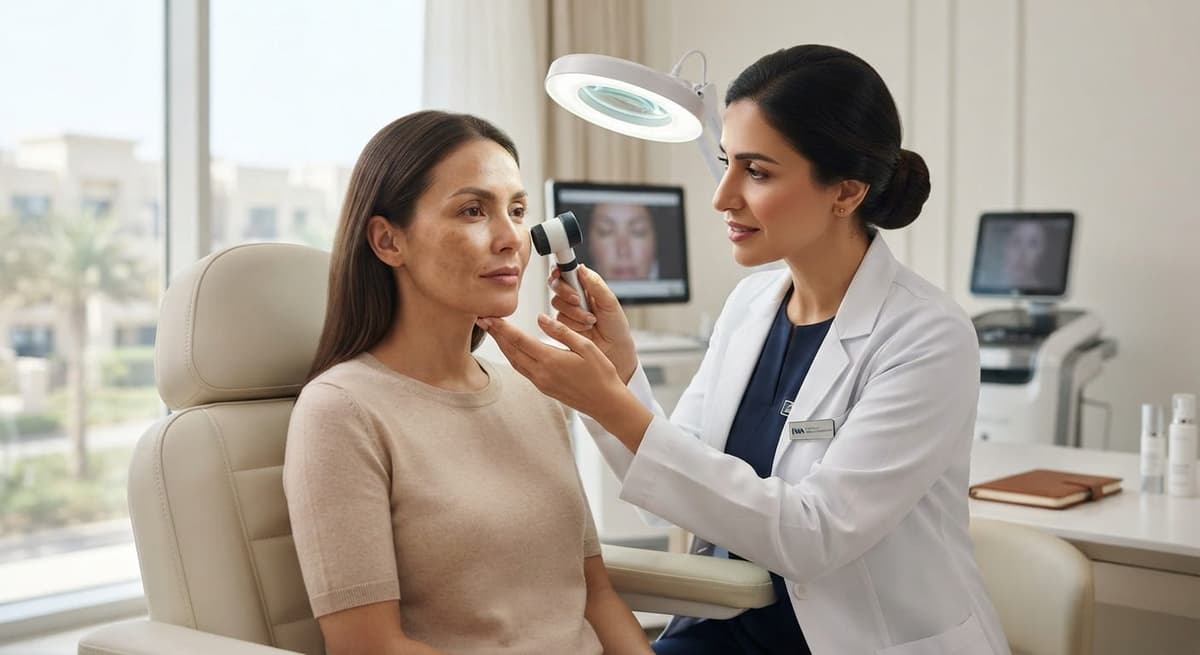
Personalized melasma consultation with a DHA-licensed dermatologist.
Dubai Climate Factors
UV Sun Exposure
Intense sunshine year-round triggers active melanin-producing cells.
Multicultural Skin Behavior
Different skin types require fully calibrated settings to avoid rebound pigmentation.
Introduction
Melasma is one of the most common skin concerns we see at our clinic, and Dubai's climate plays a big role in that. Between the strong year-round sun, high heat, and time spent outdoors or commuting between air-conditioned spaces, skin here goes through a lot.
Melasma shows up as patches of darker skin, usually on the face, and it tends to affect women more than men — though men can develop it too. It's often linked to sun exposure, hormonal shifts, pregnancy, or a combination of factors that vary from person to person.
Dubai's multicultural population adds another layer of complexity. Melasma behaves differently across different skin types, and what works well for one person's skin tone or pigmentation depth may not be the right approach for someone else. That's exactly why a proper diagnosis matters before starting any treatment.
The earlier melasma is assessed by a qualified dermatologist, the more treatment options are usually available, and the easier it tends to be to manage. Left untreated, melasma can deepen over time, particularly with continued sun exposure — which is why so many people search for a trusted specialist once patches aren't fading on their own, especially after trying general skincare routines that weren't designed for pigmentation specifically.
This page walks through what melasma is, what causes it, and how RamaCare Polyclinic approaches treatment — so you can make an informed decision about your next step.
What is Melasma?
Melasma is a common skin condition that causes brown, tan, or grayish-brown patches to develop, usually on the face. It happens when the skin produces excess melanin — the pigment responsible for skin color — in certain areas.
Melasma vs. Freckles
Freckles are typically small, evenly scattered, and genetically driven. Melasma tends to appear in larger, more defined patches, often symmetrically on both sides of the face.
Melasma vs. PIP
Post-inflammatory pigmentation develops after an injury or acne, and fades over time. Melasma is persistent and closely tied to hormonal and UV triggers.
Common Areas Affected
Melasma doesn't cause physical discomfort, but it can affect confidence — a key reason patients seek treatment.

Wood's lamp or dermatoscope examination to evaluate pigmentation depth.
Causes of Melasma
Melasma rarely has just one cause. It's usually the result of several factors working together:
Hormonal Changes
Fluctuations in estrogen and progesterone are among the most common triggers, which is why melasma is often called the 'mask of pregnancy'.
Pregnancy
Hormonal shifts during pregnancy can trigger melasma in some women — sometimes fading after delivery, sometimes not.
Birth Control Pills
Hormonal contraceptives can influence melanin production in people who are already predisposed to melasma.
Genetics
A family history of melasma increases the likelihood of developing it.
Sun Exposure & UV Radiation
Dubai's intense sunlight is a major contributing factor. UV rays stimulate melanin-producing cells, worsening existing pigmentation and triggering new patches.
Heat
Emerging research suggests that heat exposure, not just UV light, can also stimulate pigment-producing cells — relevant for a climate like Dubai's.
Thyroid Disorders
Some thyroid conditions have been associated with a higher likelihood of pigmentation issues.
Certain Medications
Some medications can increase photosensitivity, indirectly contributing to pigmentation.
Skin Inflammation
Chronic irritation or inflammation can sometimes trigger or worsen pigmentation in predisposed skin.
Cosmetic & Skincare Irritants
Harsh scrubs, poorly matched products, or frequent irritation from certain treatments can sometimes aggravate existing pigmentation, especially in skin that's already prone to melasma.
In many patients, melasma isn't caused by a single factor but by several overlapping ones — for example, a genetic predisposition combined with pregnancy hormones and daily sun exposure. This layering effect is part of why melasma can feel unpredictable, and why two people with seemingly similar skin can respond very differently to the same trigger.
Because so many factors can contribute, a personalized skin assessment is essential before choosing a treatment path — which is a core part of how we approach every case at RamaCare.
Wood's lamp or dermatoscope examination to evaluate hyperpigmentation depth.
Symptoms of Melasma
Melasma typically presents as:
Symptoms are purely cosmetic — melasma doesn't itch, hurt, or indicate a serious medical issue — but an accurate diagnosis is still important, since other pigmentation conditions can look similar and may need a different treatment approach entirely.
Who Needs Melasma Treatment?
Melasma treatment isn't one-size-fits-all, and different groups tend to need different approaches:
Women with Hormonal Melasma
Often linked to pregnancy, birth control, or hormone replacement therapy.
Men with Melasma
Less common, but increasingly seen, often tied to sun exposure and genetics.
Pregnancy-Related Melasma
Requires a cautious, pregnancy-safe approach to skincare and treatment.
Chronic or Recurring Pigmentation
Patients whose melasma keeps returning despite previous treatments often benefit from a more structured, long-term maintenance plan.
Patients with Deep or Mixed Melasma
Those with pigmentation that hasn't responded to over-the-counter products usually need a more advanced, dermatologist-guided approach.
Patients Who've Tried Home Remedies Without Success
It's common for patients to arrive after months of trying store-bought creams, home remedies, or advice from social media, only to find the pigmentation hasn't budged — or has gotten noticeably worse instead. This is often because over-the-counter products aren't formulated to address deeper pigmentation or aren't matched to the patient's specific skin type and tone. A proper diagnosis usually explains why previous attempts didn't work and opens up more effective options going forward.
Melasma Treatment Dubai: Options Available at RamaCare
Every treatment plan at RamaCare starts with a proper diagnosis. From there, our dermatology team may recommend one treatment or a combination, depending on your skin's needs.
Dermatologist Consultation
A thorough discussion of your medical history, lifestyle, sun exposure, hormonal factors, and previous treatments. This step shapes everything that follows.
Medical Skin Assessment
Using clinical evaluation and, where appropriate, specialized imaging, our dermatologists assess how deep the pigmentation sits in the skin — a key factor in choosing the right treatment.
Prescription Topical Therapy
Medical-grade topical formulations can help regulate melanin production and gradually fade pigmentation. These are prescribed based on your specific skin type and tolerance.
Chemical Peels for Melasma
A chemical peel for melasma works by gently removing the outer layers of pigmented skin, encouraging fresher, more even-toned skin to surface. Peels are chosen and calibrated carefully, since overly aggressive peeling can worsen pigmentation in some skin types.
Laser Melasma Treatment
Laser melasma treatment uses targeted light energy to break down excess pigment in the skin. It's typically considered for specific cases after a full assessment, since certain laser settings can aggravate melasma in darker or more reactive skin types if not carefully selected.
Microneedling
Microneedling creates controlled micro-channels in the skin, which can improve the penetration of brightening actives and support overall skin texture and tone.
Skin Brightening Treatments
A combination of medical-grade brightening ingredients designed to target uneven pigmentation and support a more balanced skin tone over time.
Medical Facials
Facials tailored to pigmentation concerns can support hydration, skin barrier health, and the effectiveness of other treatments.
Personalized Skincare Programs
Ongoing, dermatologist-guided skincare routines — including sunscreen, antioxidants, and maintenance actives — to help manage melasma over the long term.
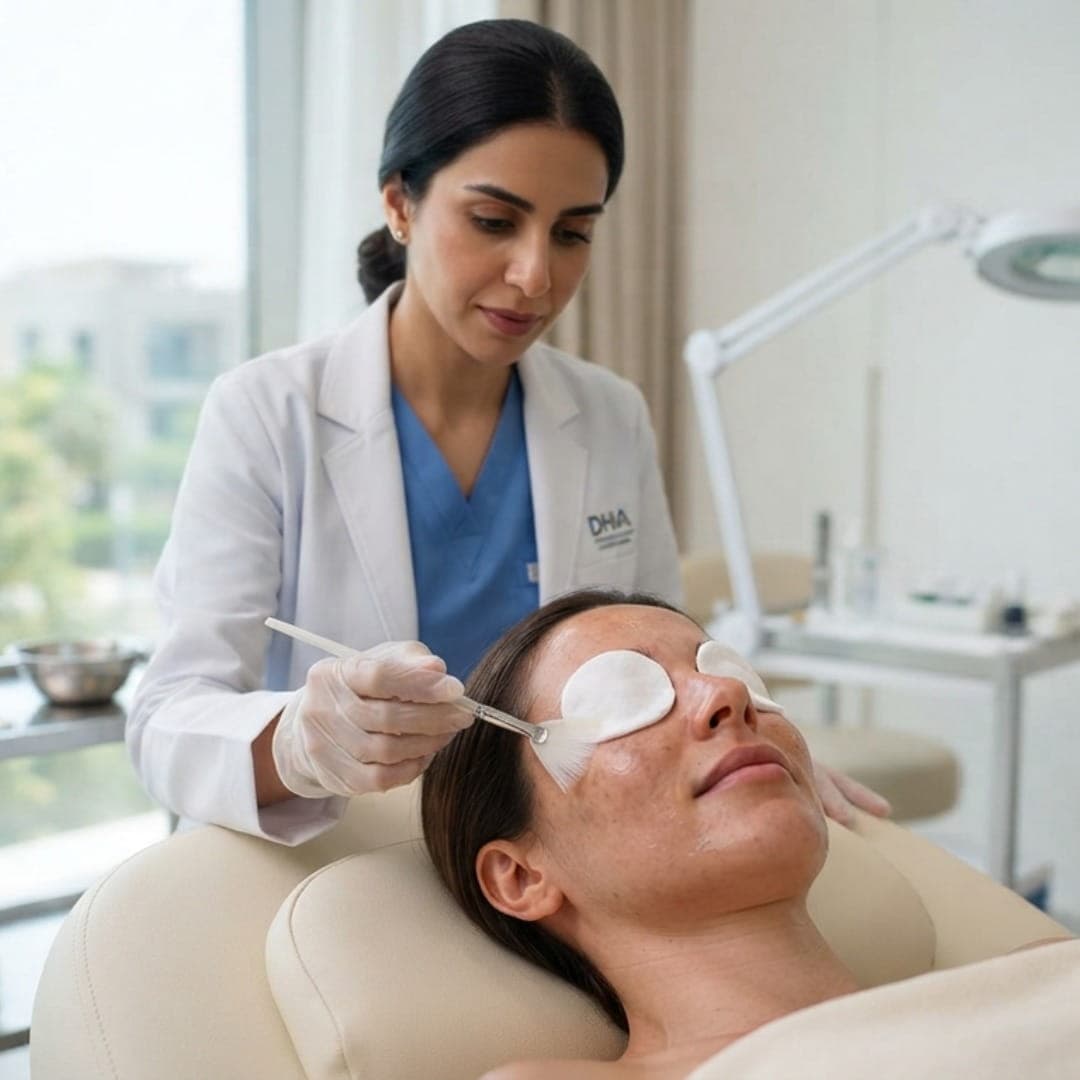 Chemical Peel Treatment
Chemical peels help gently remove outer pigmented skin layers under clinical supervision.
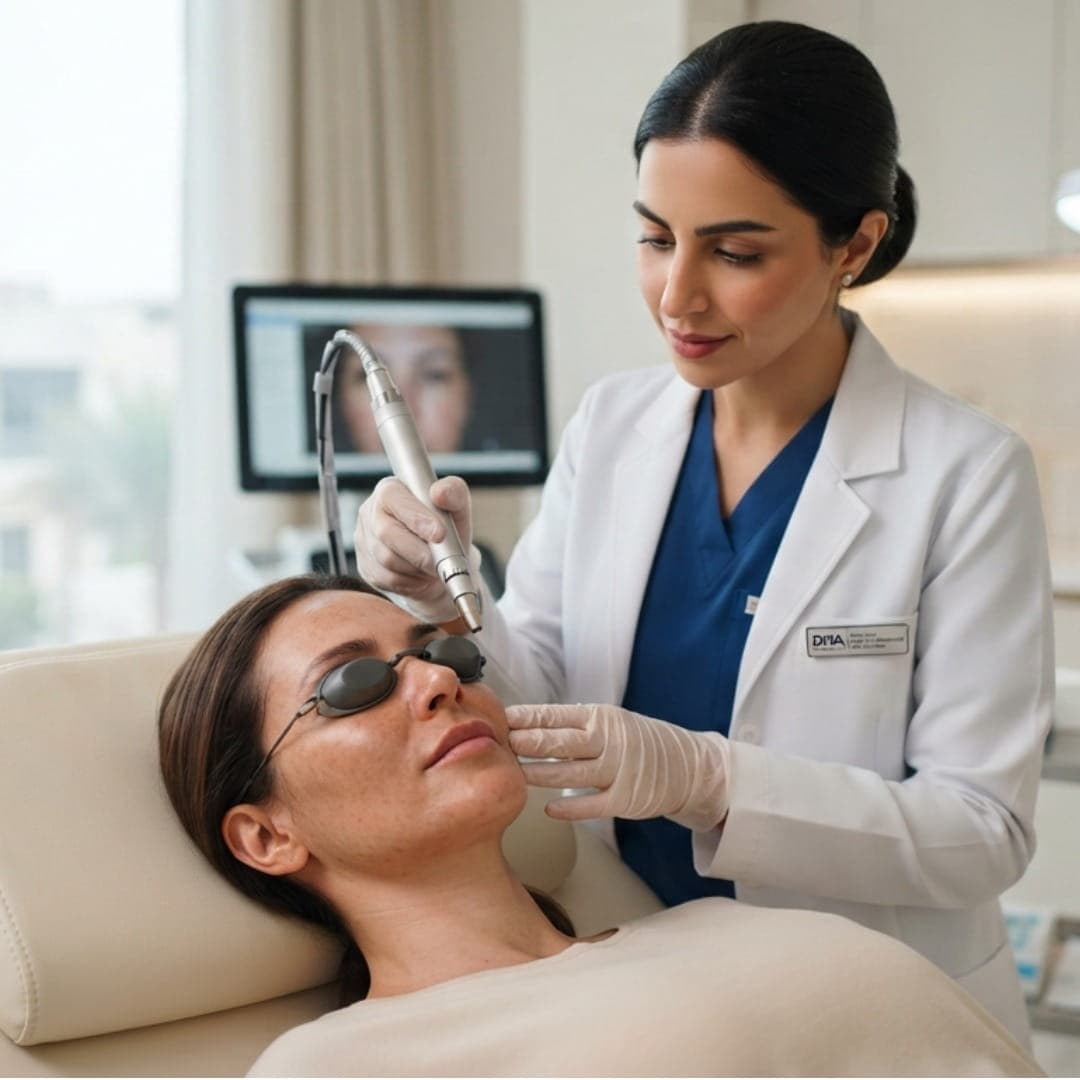 Laser Melasma Treatment
Advanced targeted laser energy breaks down deep-lying melanin pigment safely.
How these work together: Melasma often responds best to a layered approach rather than a single treatment. Your dermatologist will explain how each option benefits your specific case, what results you might reasonably expect, and whether you're a good candidate — based on your skin type, pigmentation depth, and history.
Results vary depending on skin type, pigmentation depth, hormonal factors, and sun exposure. No treatment can guarantee permanent removal of melasma, as it is a chronic condition that can recur.
Why Personalized Treatment Is Important
Finding the Right Melasma Treatment Dubai Plan for Your Skin
Epidermal Melasma
Pigmentation sits in the upper layer of skin and tends to respond relatively well to topical treatments and peels.
Why Choose RamaCare Polyclinic?
What Sets Our Melasma Treatment Dubai Approach Apart
Evidence-Based Medicine
Patients searching for the best melasma treatment Dubai has to offer are often looking for exactly this: a clinic that treats melasma as the layered, individual condition it actually is.
Our modern dermatology facility in Dubai, designed around your comfort.
Benefits of Professional Melasma Treatment
The Treatment Process at RamaCare
Initial Consultation
Discuss your history, concerns, and goals with your dermatologist.
Skin Examination
A detailed assessment of your pigmentation, skin type, and possible triggers.
Diagnosis
Determining whether melasma is epidermal, dermal, or mixed.
Personalized Plan
Combining the right treatments for your specific case.
Treatment Sessions
Delivered by trained dermatology professionals, at a pace suited to your skin.
Home Care Guidance
Sunscreen, skincare routine, and lifestyle recommendations.
Follow-Up Visits
Monitoring progress and adjusting the plan as needed.
Recovery & Aftercare
Melasma management doesn't end when you leave the clinic. Ongoing care plays a huge role in results, and consistency tends to matter more than any single treatment session.
Patience Matters
Melasma responds gradually, not overnight. Most patients notice changes in skin tone over a series of weeks or months rather than days, and it's common for improvement to happen unevenly across the face before it evens out. Sticking with the aftercare plan — even once patches start to fade — is often what determines whether results hold up over the following months.
Working With Your Dermatologist
It can be tempting to chase quick fixes from skincare aisles or social media trends, but melasma tends to respond best when aftercare is guided by a professional who understands your specific pigmentation depth and skin type.
Building Prevention Into Daily Life
Prevention works best when it becomes routine rather than an occasional effort, especially during the hotter, sunnier months of the year. In a climate like Dubai's, that often means keeping sunscreen within reach at all times — in your bag, your car, and at your desk — rather than only remembering it before a day at the beach.
Small habits, like choosing shaded parking or timing outdoor errands for early morning or evening hours, add up meaningfully over months and years of consistent practice.
Prevention Tips
Melasma Treatment Cost in Dubai
The cost of melasma treatment in Dubai depends on several factors — the severity and depth of pigmentation, your skin type, the treatments recommended, the number of sessions required, and how personalized your care plan needs to be.
Because melasma varies so much from person to person, we don't believe in one-size-fits-all pricing. The best way to understand your treatment cost is through a personalized consultation, where your dermatologist can assess your skin and outline a plan tailored to your needs and budget.
Frequently Asked Questions
Browse our answers to popular questions regarding melasma treatment in Dubai.
Meet Our DHA-Licensed Expertise
Highly qualified doctors with decades of combined experience, committed to your healing journey with expertise, compassion, and authentic care.

Dr. Sahar Zomorrodi
DHA-Licensed General Practitioner | Diploma from American Aesthetic Academy
General Practice & Aesthetic Medicine
14 Years Experience | DHA LicensedKey Expertise
- Holds a diploma from the American Aesthetic Academy
- Skilled in non-surgical cosmetic procedures, skin rejuvenation, and anti-aging treatments
- Committed to delivering safe, personalized, and results-driven care
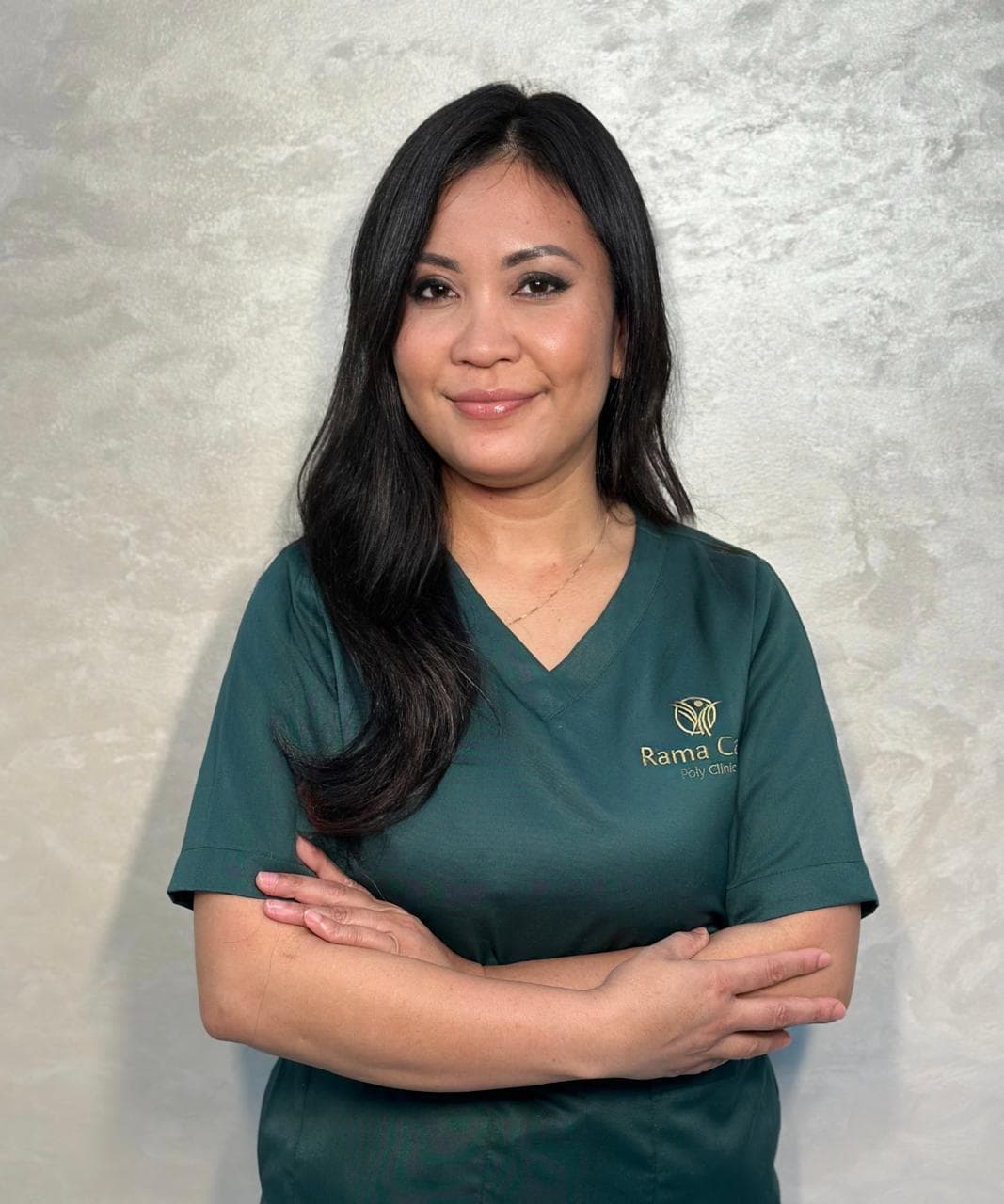
Sonita Sinaga
Licensed & Certified Aesthetic Therapist
Aesthetic Dermatology & Skin Care
14+ Years ExperienceKey Expertise
- Advanced Beauty & Aesthetic Treatment Skills
- HIFU (High-Intensity Focused Ultrasound)
- RF Microneedling
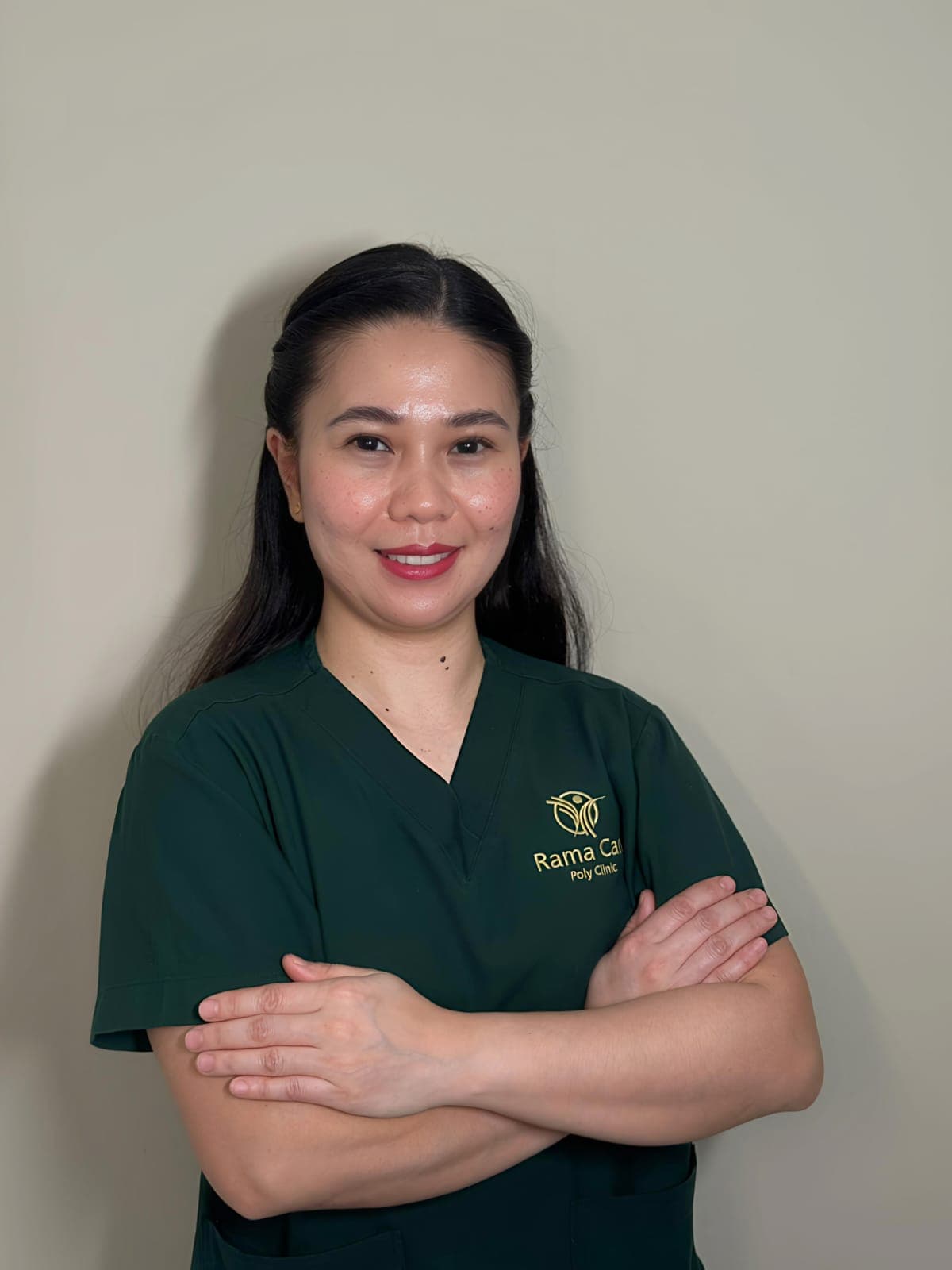
Nodainne Baves Guerrero
DHA-Licensed Beauty Therapist
Beauty Therapy & Advanced Aesthetic Treatments
10+ Years ExperienceKey Expertise
- Advanced facial treatments
- Skin rejuvenation therapies
- Anti-ageing skincare procedures
Melasma Treatment Dubai
Meet DHA-licensed dermatology experts at RamaCare Polyclinic and start your personalized skin restoration journey today.
Get In Touch
Call Us
+971 04 286 2006
Chat with us instantly
query@ramacarepolyclinic.com
Clinic Address
12 Al Dhiyafah Rd - Jumeirah Terrace Building,
Ground Floor, Jumeirah 1 - Dubai
Clinic Hours
Request Appointment
DHA Licensed
Certified Dermatologists
Advanced Analysis
Pigmentation depth test
Personalized Plans
No generic treatment
High Satisfaction
Patient Reviews
Conclusion
At RamaCare Polyclinic, our DHA-licensed dermatology team is here to help you understand exactly what's happening with your skin and to build a treatment plan around your specific needs. If you've been searching for reliable melasma treatment Dubai clinics can stand behind, we'd love to see you for a personalized skin assessment.
Medical Disclaimer: This content is for informational purposes only and does not replace professional medical advice. Please consult a licensed dermatologist for a diagnosis and treatment plan tailored to your individual skin condition.
Related Treatments & Services
Explore other specialized dermatology and aesthetic treatments available at RamaCare Polyclinic:
Clinical Reference Guidelines
Our clinical protocols align with standard guidelines established by leading dermatology and health organizations:
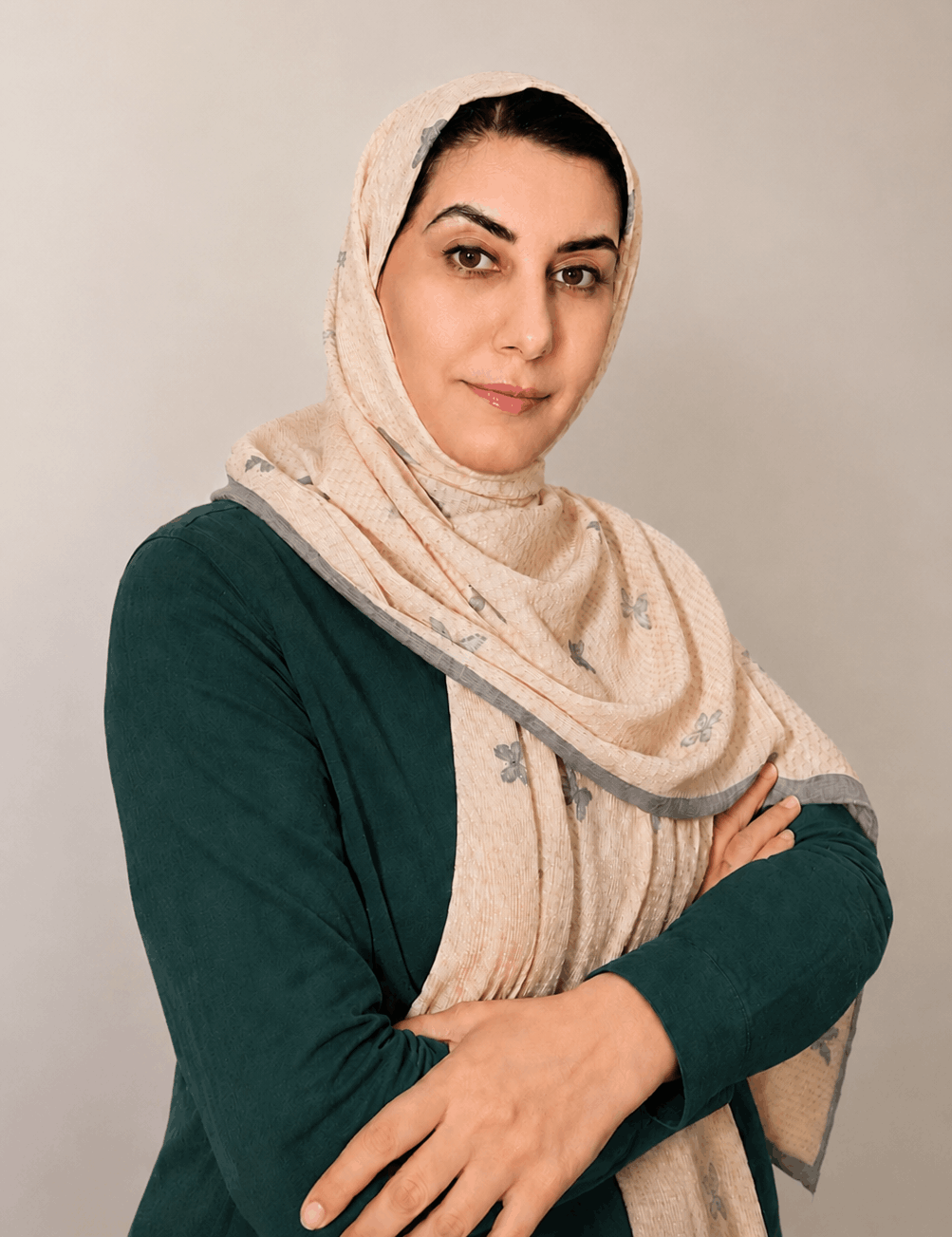
Content Reviewed by Dr. Sahar Zomorrodi
General Practitioner & Aesthetic Specialist
MD · DHA Licensed General Practitioner • 10+ Years Clinical Experience