
Zoom Teeth Whitening Treatment in Dubai: What to Expect
If you’re researching Zoom Teeth Whitening Treatment in Dubai, you’re probably trying to answer a few practical questions at once: what does the treatment actually involve, is it right for your teeth, and what kind of change can you realistically expect? Those are exactly the right questions to ask before booking anything.
Zoom Teeth Whitening is a professional, in-office whitening treatment used to lighten the appearance of natural tooth enamel. At RamaCare Polyclinic in Dubai, we see a wide range of patients — some with mild coffee staining, others with years of tea or tobacco exposure, and some whose teeth have simply darkened gradually with age. Because every mouth starts from a different baseline, no two patients respond to treatment in exactly the same way.
Your starting tooth shade, the type of discoloration you have, your enamel’s natural characteristics, and whether you have existing fillings, crowns, or veneers all influence what whitening can achieve. This is exactly why a proper dental assessment comes before any whitening plan — not after it. This page walks through how the treatment works, what genuinely affects your results, treatment safety, aftercare, and how to set expectations that match what professional whitening can realistically deliver.
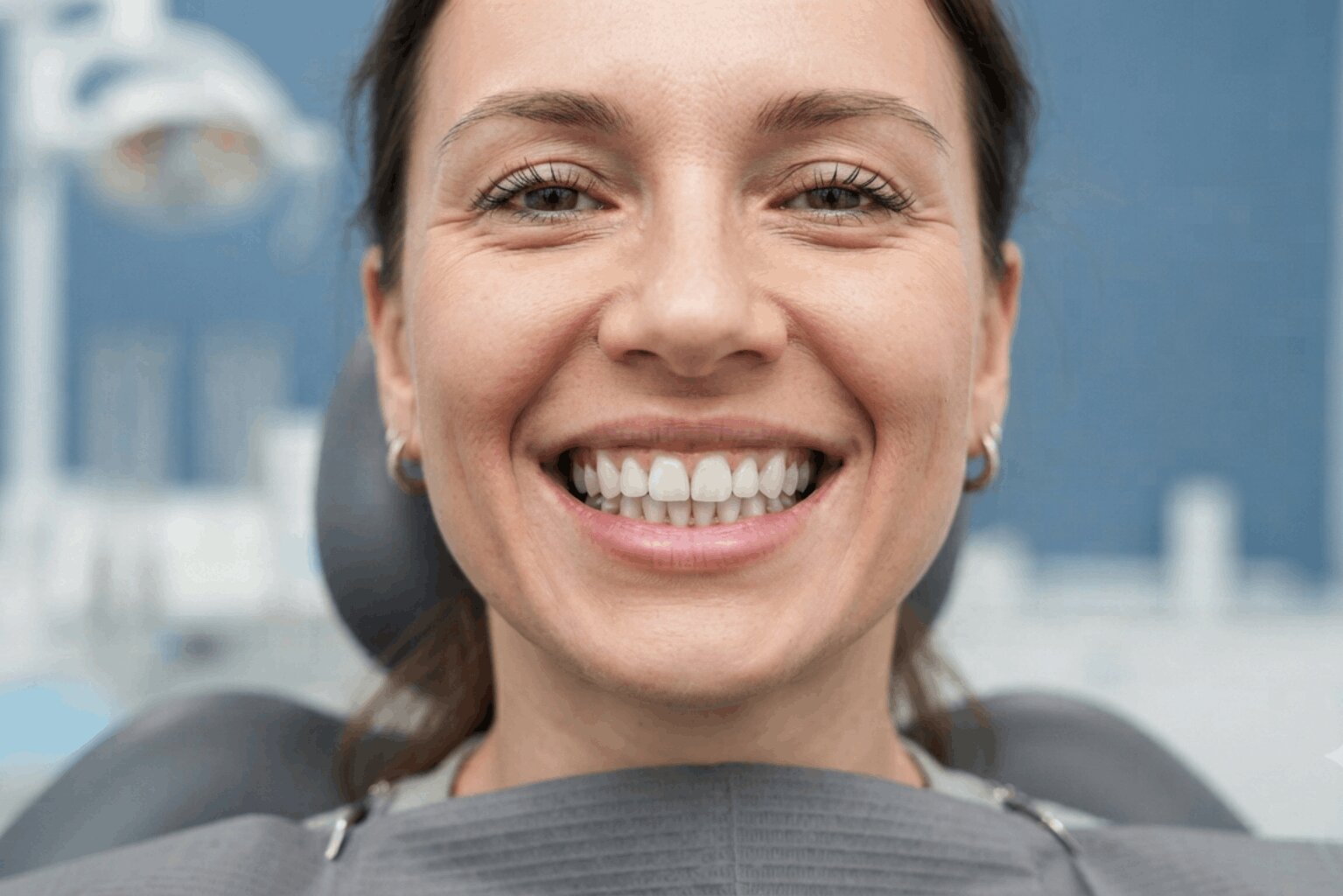 After
After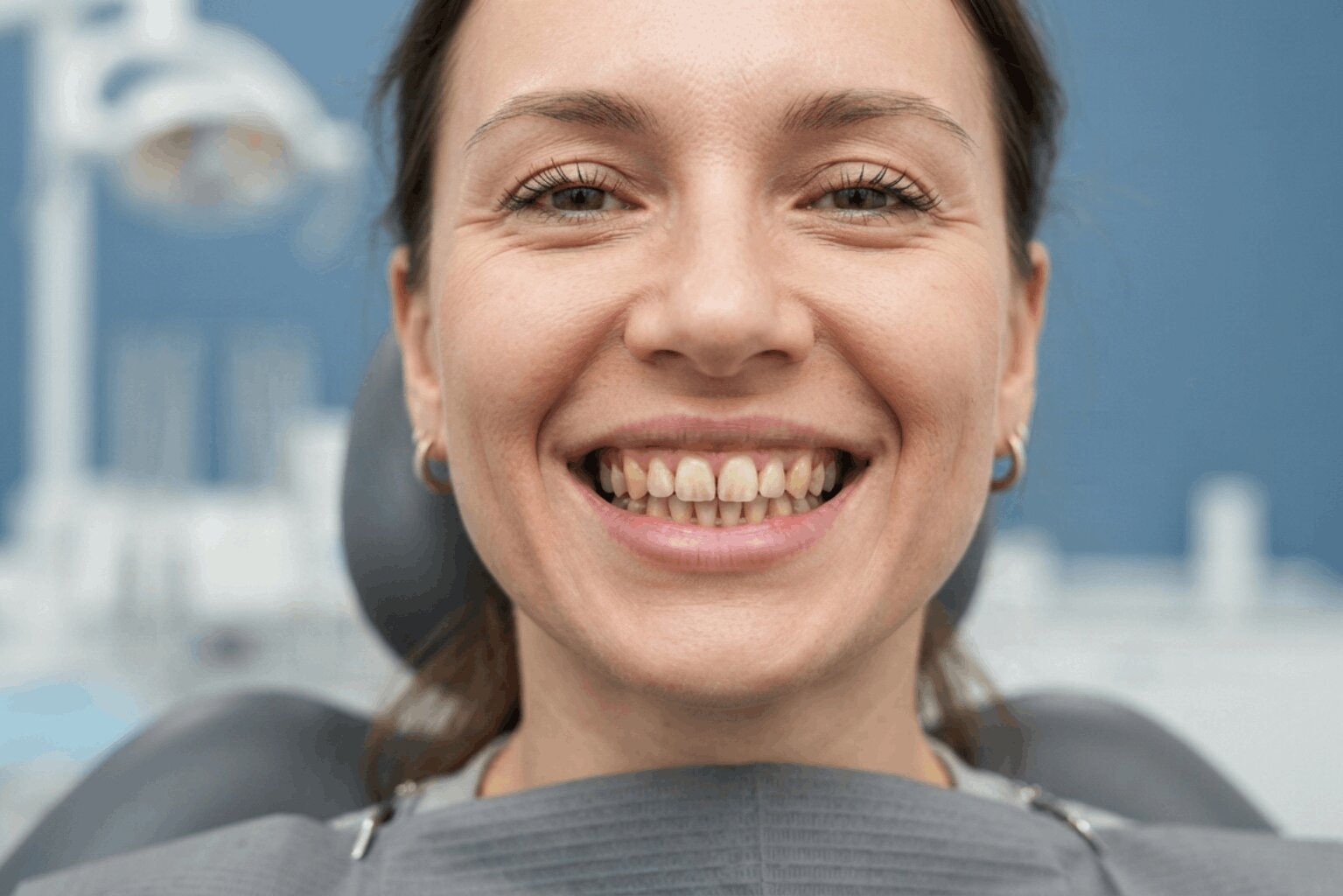 Before
Drag to compare — placeholder for real patient photos
What Can You Expect From Zoom Teeth Whitening Treatment in Dubai?
This treatment is a professional, in-office procedure that can lighten the appearance of natural tooth enamel, though the degree of change varies from patient to patient. Surface-level stains from coffee, tea, or tobacco often respond differently than discoloration that originates deeper within the tooth. Existing crowns, veneers, and composite fillings generally do not change color the way natural enamel does, which can create shade differences after treatment if this isn’t planned for in advance. A dental assessment before treatment helps determine whether whitening is a suitable option, and honest before-and-after photography — taken under consistent lighting, angle, and camera settings — gives a far more reliable picture of potential outcomes than promotional images alone.
Whitening changes shade — not shape. It won't alter crowns, veneers, or fillings the way it lightens natural enamel.
What Is Zoom Teeth Whitening?
Zoom Teeth Whitening is a professional, in-office cosmetic dentistry treatment designed to lighten the visible shade of natural tooth enamel. It's carried out under the supervision of a dental professional, rather than self-administered at home, which allows the treatment to be monitored and adjusted throughout the appointment.
The treatment relies on a whitening gel applied to the front surfaces of the teeth. The exact formulation and activation method used can vary depending on the specific whitening system and clinical protocol your dentist follows, so it's worth discussing the details of your particular treatment plan during your consultation rather than assuming every whitening session works identically.
It's important to understand what whitening is actually doing: it's intended to improve the shade of your existing tooth structure, not to physically remove healthy enamel or alter the shape of your teeth. Whitening changes how light reflects off the tooth surface and how stains within the enamel and underlying dentin appear — it does not reshape, resurface, or restore teeth in the way that veneers or bonding can.
Because this is a cosmetic dental procedure, dental supervision matters. A dentist can assess whether your teeth and gums are healthy enough for treatment, identify anything that needs attention first, and set a shade expectation based on your specific starting point.
Why Do Teeth Become Discolored?
Understanding why your teeth have changed color helps explain why whitening results differ so much between patients. Broadly, dental professionals separate discoloration into two categories: extrinsic stains and intrinsic discoloration.
Extrinsic Stains
These sit on or near the surface of the enamel and are usually related to what you eat, drink, or are exposed to over time. Common contributors include:
- Coffee
- Tea
- Tobacco use
- Certain dark-colored foods and sauces
- Plaque buildup from inconsistent oral hygiene
Extrinsic stains tend to respond more predictably to professional whitening because they sit closer to the tooth surface.
Intrinsic Discoloration
This type of discoloration originates from within the tooth structure itself, involving the dentin layer beneath the enamel. It can be caused by:
- The natural aging process, as enamel thins and dentin becomes more visible
- Certain medications taken during tooth development
- Dental trauma affecting the internal structure of a tooth
- Developmental changes that occurred while teeth were forming
Intrinsic discoloration often responds more slowly, unevenly, or in some cases minimally to whitening, depending on its cause and severity.
Poor oral hygiene can also contribute to a duller or yellowed appearance by allowing plaque and surface debris to build up, which is a separate issue from the natural tooth color underneath. Not all discoloration responds equally to whitening — this is one of the most important things to understand before comparing your teeth to someone else's before-and-after photos.
How Does Zoom Teeth Whitening Work?
While treatment protocols can vary between clinics and whitening systems, a professional in-office whitening appointment generally follows a similar structure:
It's worth being clear that this process is not identical at every clinic. Different whitening systems, gel concentrations, and clinical protocols exist, and your dentist will explain the specific approach used for your treatment during your consultation.
Understanding Realistic Before & After Results
This is the section most patients are really looking for, so let's be direct about it.
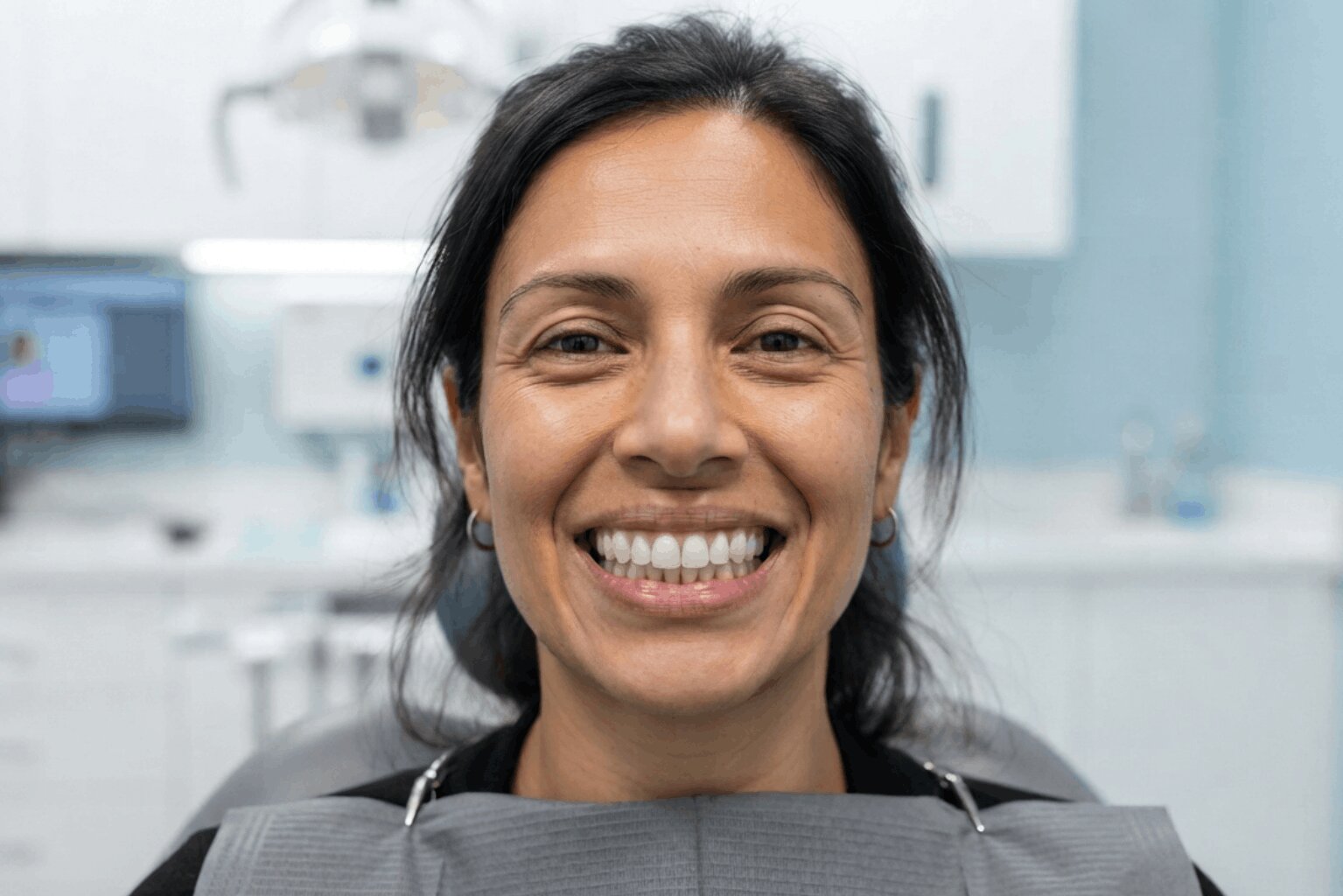
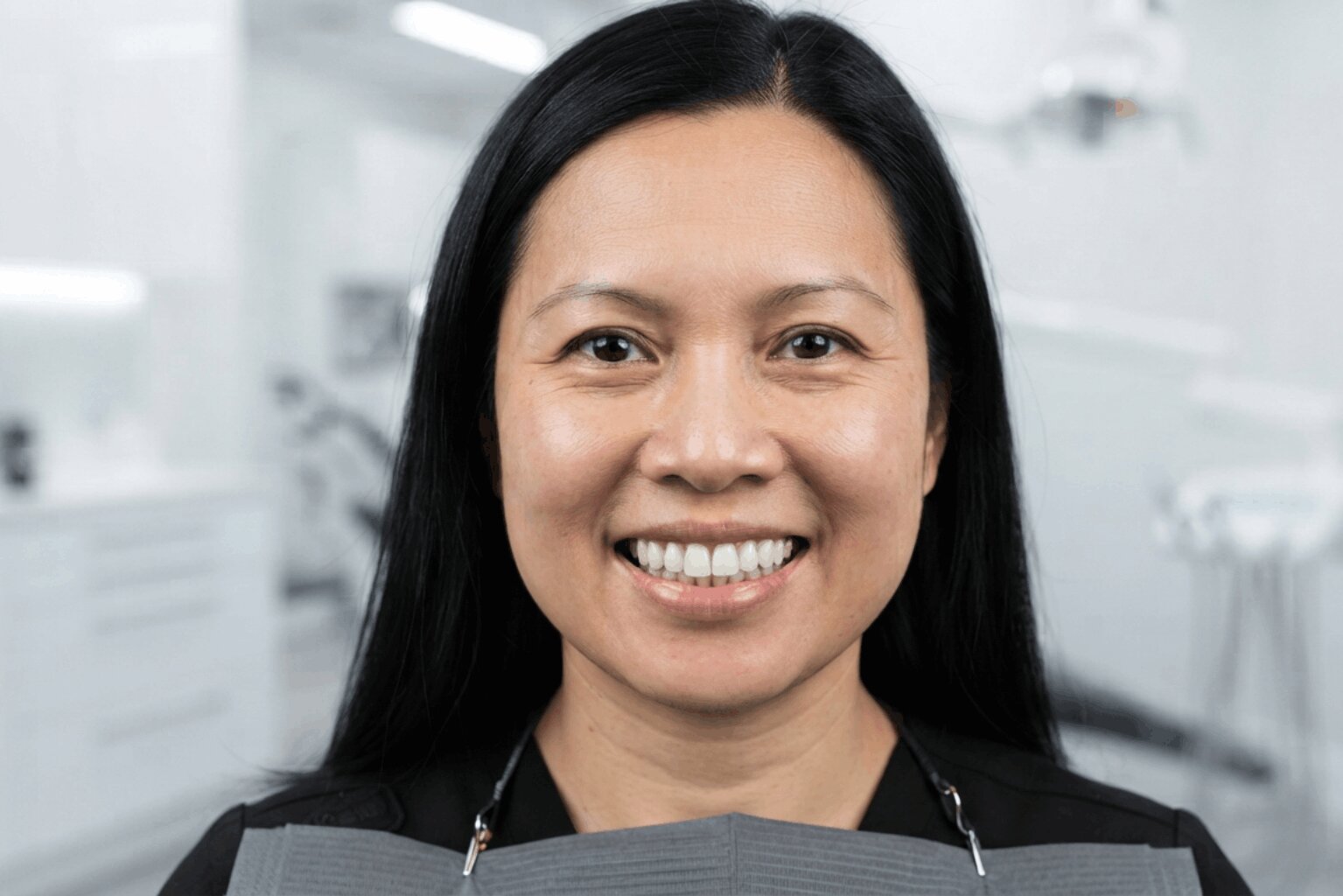
Before-and-after photographs are meant to illustrate a possible range of outcomes — not a guarantee of what your own results will look like. When you look at before-and-after images from any Zoom Teeth Whitening Treatment in Dubai, you’re seeing one specific patient’s starting shade, discoloration type, and response to treatment. Your own results depend on a different combination of factors.
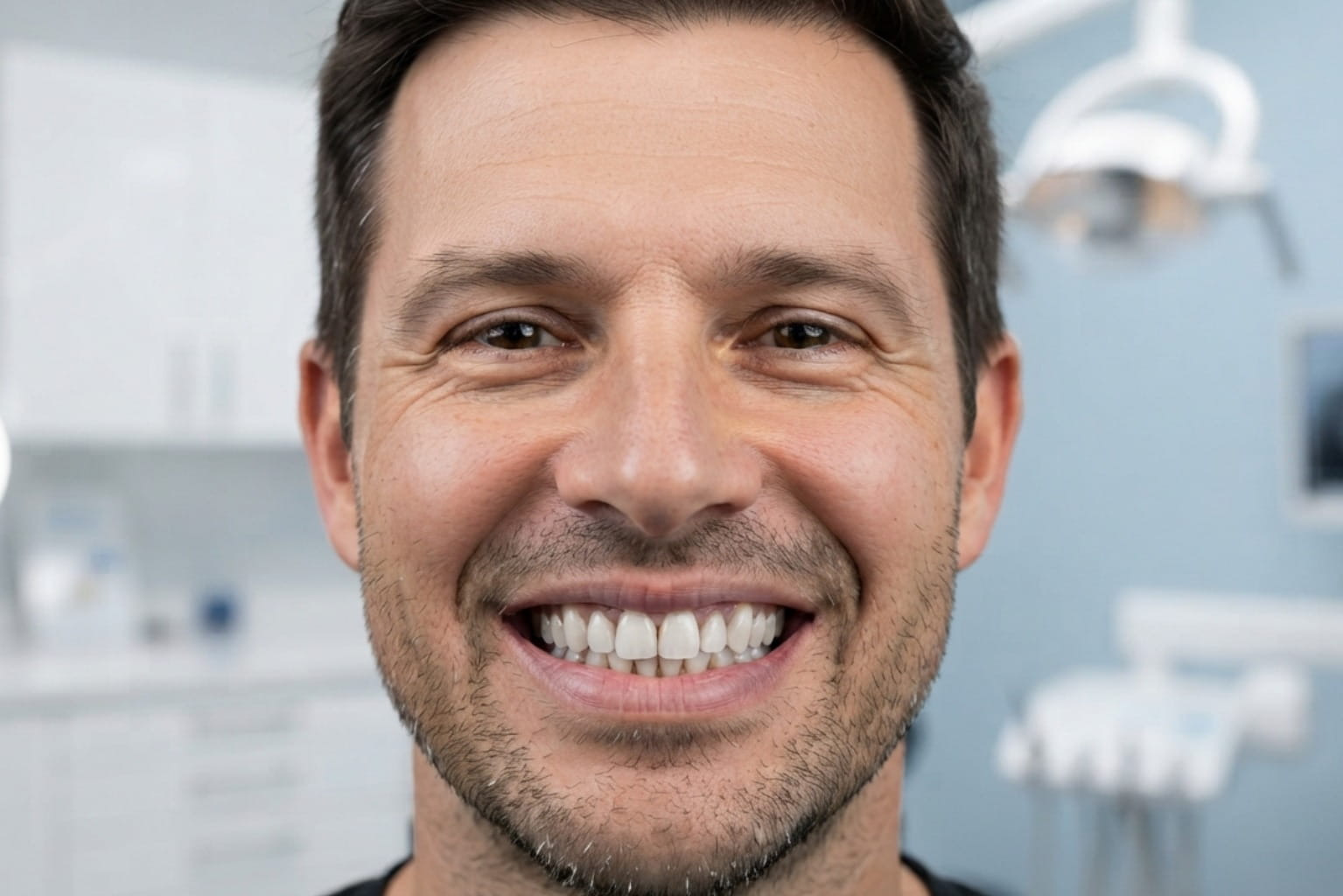 After
After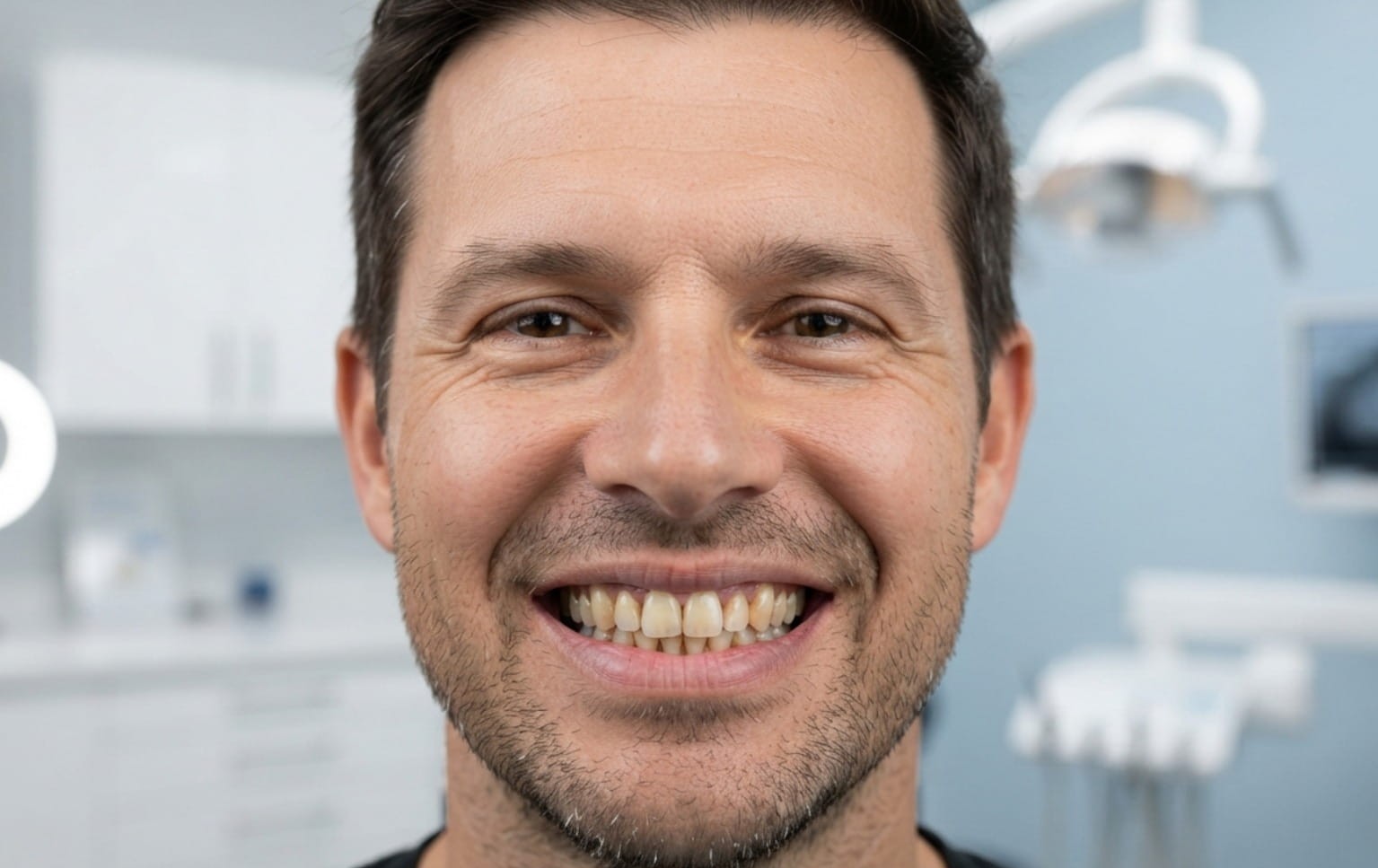 Before
 After
After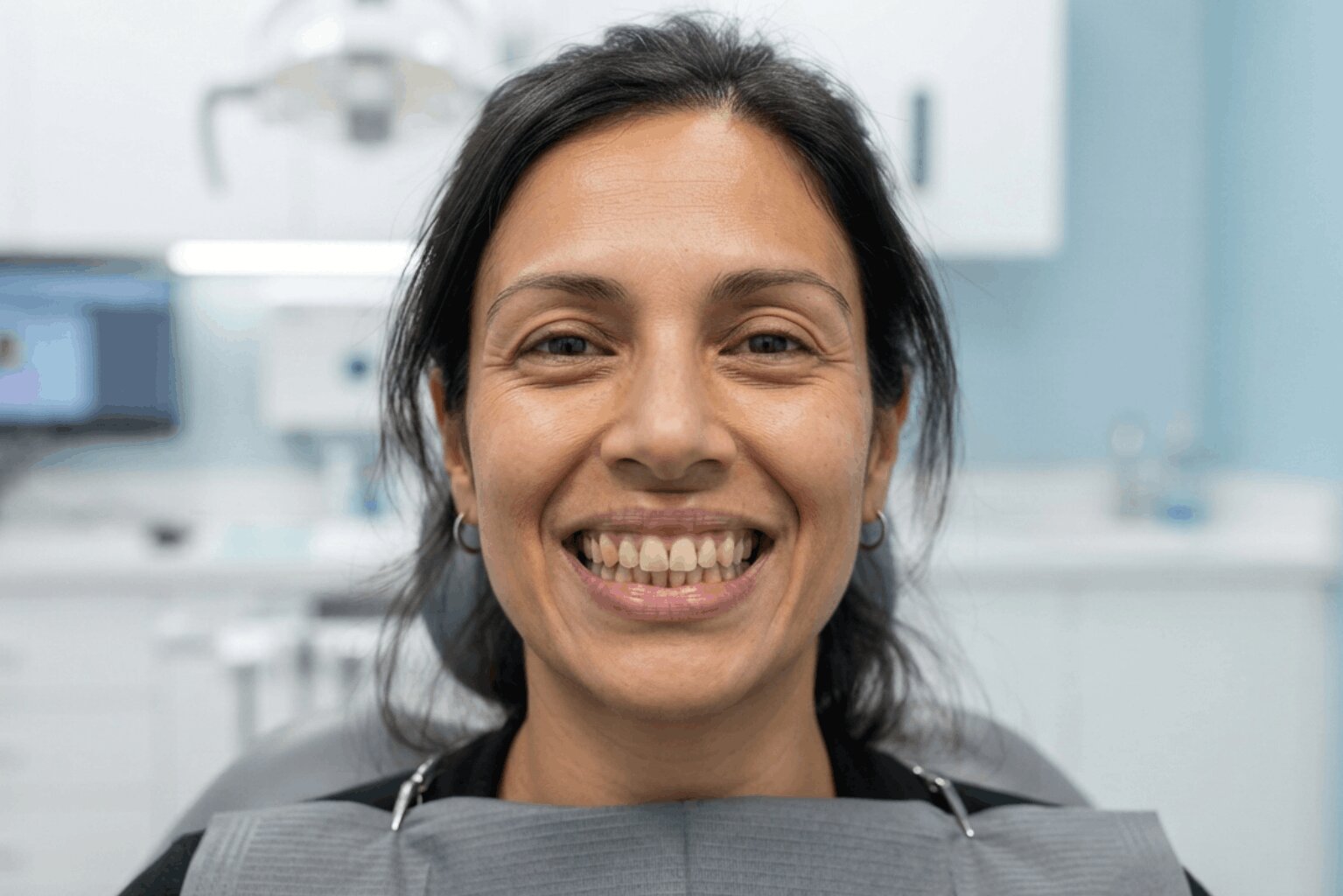 Before
 After
After Before
 After
After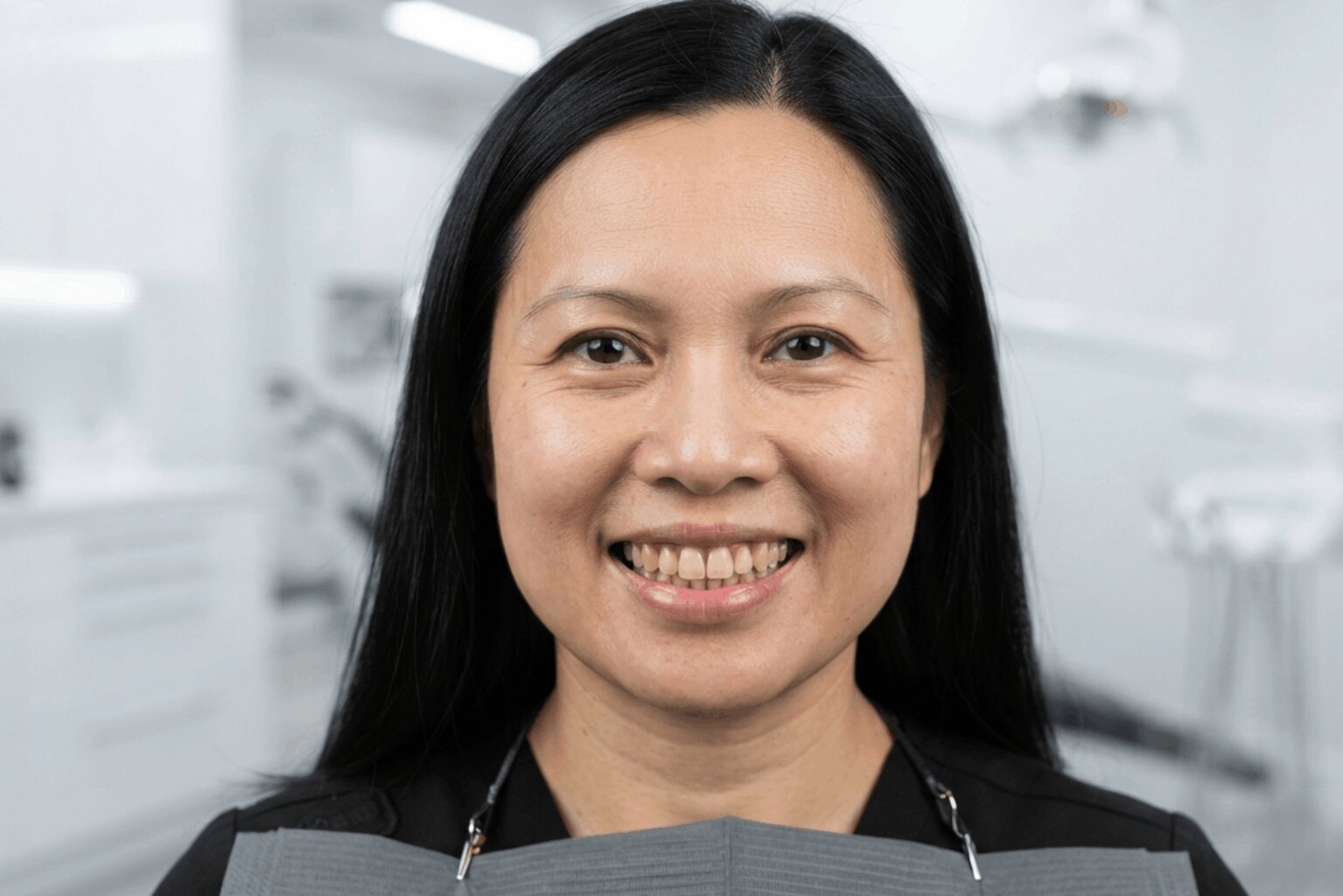 Before
Several variables shape how much visible change you can expect:
Starting tooth shade
Naturally darker or more yellow teeth sometimes show a more noticeable initial change than teeth that are already relatively light.
Type of discoloration
Extrinsic staining from coffee, tea, or surface buildup often responds differently than intrinsic discoloration from aging or medication history.
Age
Tooth color naturally shifts over time as enamel thins, which can influence how a tooth responds to whitening.
Enamel characteristics
Enamel thickness and translucency vary from person to person and even from tooth to tooth.
Diet
Frequent consumption of staining foods and beverages can affect both initial results and how long they’re maintained.
Smoking or tobacco use
Tobacco-related staining can be more persistent and may require more maintenance.
Oral hygiene habits
Consistent brushing and cleaning between teeth supports better, more even results.
Treatment adherence
Following your dentist’s pre- and post-treatment instructions plays a role in how the outcome looks and lasts.
Natural tooth color
Everyone’s baseline enamel and dentin color is different, which is why identical treatment can produce different visible outcomes.
The honest takeaway is this: a before-and-after photo shows what happened for one particular patient, under one particular set of circumstances. It’s a useful reference point, not a promise. This is exactly why we recommend a dental consultation before setting your own expectations — a dentist examining your teeth in person can give you a far more relevant sense of what’s realistic for you specifically than any online gallery can.
How Should Before-and-After Photos Be Compared?
Not all before-and-after photography is trustworthy, and this matters more than most patients realize. Photography conditions alone can make teeth appear significantly whiter, independent of any actual treatment.
A photo taken in bright, cool-toned lighting will almost always make teeth look whiter than one taken in warm, dim lighting — regardless of whether any whitening treatment took place. When you’re evaluating before-and-after galleries for professional teeth whitening in Dubai, whether ours or anyone else’s, it’s worth asking whether the comparison photos appear to have been taken under consistent, controlled conditions. This is part of being a genuinely informed patient, and it’s something we take seriously in how we document real results.
What Factors Affect Whitening Results?
Who May Be Suitable for Professional Teeth Whitening?
Professional whitening is often a reasonable option for patients with:
That said, “may be suitable” is not the same as “is automatically appropriate.” A dental examination should always come before starting treatment, so your dentist can confirm that whitening is a sensible choice for your specific dental health and expectations.
When Teeth Whitening May Not Be Enough
Where whitening isn't expected to deliver a meaningful result, your dentist may discuss other options where clinically appropriate. We don't recommend jumping straight to more invasive treatment — the point of an assessment is to find the option that actually fits your situation, not to upsell a bigger procedure.
Why a Dental Examination Matters Before Whitening
A whitening consultation isn't just about picking a shade goal — it's a genuine dental check that looks at:
If untreated dental problems are found, these often need attention before cosmetic whitening is considered. Whitening a tooth with an unresolved cavity, for instance, isn't a good idea — and a proper exam is how that gets caught before it becomes a bigger issue.
What Happens During a Zoom Whitening Appointment?
Consultation
We discuss your goals, your dental history, and what you're hoping to achieve.
Dental Examination
Your dentist checks your overall oral health to confirm whitening is appropriate.
Shade Assessment
Your starting tooth color is recorded using a shade guide, giving us an objective baseline.
Preparation
Your gums and soft tissue are protected according to the treatment protocol being used.
Whitening
The professional whitening product is applied to your teeth according to the system in use.
Monitoring
The dental team monitors your comfort and how your teeth are responding throughout the session.
Final Shade Assessment
Your new shade is compared against your starting shade so you can see the measured change.
Aftercare
You'll receive personalized instructions on what to do in the days following treatment.
Does Zoom Teeth Whitening Hurt?
Most patients tolerate professional whitening reasonably well, but it isn't accurate to describe it as completely painless for everyone. Temporary tooth sensitivity is fairly common during or shortly after treatment, and some patients experience mild gum irritation, particularly if they already have sensitive teeth or exposed dentin.
Sensitivity levels vary quite a bit between individuals — some people notice very little, while others find it more uncomfortable. If you already deal with sensitive teeth, it's important to mention this before treatment begins, since your dentist can often adjust the approach to make the session more comfortable for you.
Zoom Teeth Whitening Side Effects
Like most cosmetic dental procedures, professional whitening can come with some temporary side effects, including:
These symptoms typically vary depending on the individual and the specific treatment used, and most resolve on their own within a short time. If you experience symptoms that feel unusual, severe, or that persist longer than expected, it's best to contact your dental professional rather than waiting it out.
How Long Do Zoom Whitening Results Last?
Whitening results are not permanent, and it's worth setting that expectation clearly from the start. How long your results last depends on several factors, including:
We won't promise a fixed number of months or years, because it genuinely differs from patient to patient. What we can say is that good maintenance habits generally help preserve results for longer.
How to Maintain Your Whitening Results
A few practical habits go a long way toward preserving your results:
Maintain regular brushing, ideally twice daily
Clean between your teeth daily
Attend routine dental check-ups and cleanings
Follow the specific aftercare instructions given by your dentist
Limit frequent exposure to heavily staining foods and drinks
Avoid tobacco where possible
Follow any recommendations given for managing sensitivity
Keep your gums healthy through consistent oral hygiene
Your dentist's specific instructions for your case should always take priority over general advice, since they're tailored to your treatment and your teeth.
Zoom Teeth Whitening Treatment in Dubai: Cost Factors
We’re not going to invent a fixed number here, because the honest answer is that the cost of Zoom Teeth Whitening Treatment in Dubai depends on several variables, including:
A consultation is genuinely the most accurate way to get a treatment recommendation and quotation that reflects your actual dental needs. We’d also encourage you not to choose a clinic purely based on the lowest advertised price — the assessment, materials, and clinical oversight involved matter just as much as the number on a price list.
Get Custom QuotationWhat Determines Cost
Professional Zoom Whitening vs At-Home Whitening
Neither option is universally “better” for every patient — it depends on your goals, your dental history, and how involved you want a professional to be in the process. This is exactly the kind of decision worth discussing during a consultation.
Can Zoom Whitening Whiten Veneers, Crowns, or Fillings?
This is one of the most commonly misunderstood parts of teeth whitening, so let's be precise: professional whitening changes the color of natural teeth. Existing veneers, crowns, and many tooth-colored restorations generally do not whiten in the same way as natural tooth structure.
This matters because if you have visible restorations and you whiten your natural teeth around them, you can end up with a shade mismatch — your natural teeth may become noticeably lighter while your restorations stay the same color. For patients considering both whitening and cosmetic restorations like veneers, treatment sequencing matters. In many cases, it makes sense to complete whitening first and then match new restorations to your final, stable shade, rather than the other way around. This is something your dentist can plan with you in advance.
What Makes a Good Whitening Result?
It's worth reframing what “success” actually looks like here. A good result isn't necessarily the whitest possible smile — it's one that looks natural and suits you. That typically means:
Natural teeth have subtle variation and translucency by design — a result that looks slightly “too uniform” or unnaturally white can actually look less convincing than one that respects your natural tooth characteristics.
Benefits & Limitations of Professional Whitening
When appropriate for your case, professional whitening can offer:
For the sake of medical accuracy, it's worth being explicit that whitening:
We'd rather describe this honestly than oversell it — whitening is a genuinely useful cosmetic treatment for the right candidate, and being upfront about what it can and can't do helps you decide if it's right for you.
Why Choose RamaCare Polyclinic for Teeth Whitening?
Professional Dental Assessment
Every whitening conversation at RamaCare starts with understanding your oral health first — not with a shade chart.
Personalized Treatment Planning
Your treatment plan reflects your starting tooth shade, the type of staining you have, your current dental condition, and what you’re actually hoping to achieve.
Patient-Centered Care
We aim to clearly explain the treatment itself, its limitations, appropriate aftercare, and realistic expectations — before, during, and after your visit.
Multispecialty Environment
RamaCare Polyclinic is a multispecialty clinic, meaning that if your assessment uncovers a dental issue outside of cosmetic whitening, there’s a broader team environment to address it.
Convenient Dubai Location
RamaCare Polyclinic is based in Jumeirah 1, Dubai, making it accessible for patients across the city looking for a professional teeth whitening dentist in Dubai.
Patient Journey

Content Reviewed by Dr. Hirbod Gilandoust
Specialist Cosmetic Dentist
DDS · DHA Licensed Specialist Dentist • 12+ Years Clinical Experience
Frequently Asked Questions
Tap any card to flip it over
Professional teeth whitening should always begin with a proper assessment of your teeth and gums — not a shade chart alone. If you’re curious about what Zoom Teeth Whitening Treatment in Dubai could realistically do for your smile, the next step is a consultation, where your dentist can examine your teeth, discuss your goals, and explain what to expect based on your specific starting point.
Book a Teeth Whitening Consultation at RamaCare Polyclinic, call our team, or WhatsApp us to ask a question before booking. We’re located in Jumeirah 1, Dubai, and happy to walk you through the process at your own pace.
Professional teeth whitening can lighten the appearance of natural tooth enamel, but it isn’t a one-size-fits-all outcome, and it can’t change tooth shape, repair dental problems, or whiten existing crowns and veneers. Results genuinely vary from patient to patient, shaped by your starting shade, the type of discoloration you have, your enamel characteristics, and how consistently you maintain your results afterward. This is why a dental assessment matters so much before treatment begins, and why anyone considering Zoom Teeth Whitening Treatment in Dubai should treat before-and-after photographs as a helpful reference point rather than a guarantee. If you’d like a realistic, personalized sense of what whitening could do for your own smile, the most useful next step is a consultation with our dental team in Jumeirah 1, Dubai — book one whenever you’re ready.