
Diabetes Diet Plan in Dubai: Ayurvedic Foods to Eat and Avoid
Food choices make a real difference to blood sugar in type 2 diabetes and prediabetes. This guide from RamaCare Polyclinic in Jumeirah 1 combines the plate method and low-GI eating with the Ayurvedic diet for diabetes, with local Arabic and Indian food swaps. It supports, and does not replace, your medical care: our female GP provides diabetes care and blood tests in the same building.
What Is the Best Diet for Diabetes?
Fill half your plate with vegetables, a quarter with protein (dal, fish, chicken, eggs or paneer) and a quarter with whole-grain carbohydrates such as barley, millet or brown rice. Choose whole fruit over juice, avoid sugary drinks and sweets, eat at regular times and walk after meals. Ayurveda calls diabetes Madhumeha and favours Kapha-reducing, bitter and astringent foods such as bitter gourd and fenugreek. Never change your diabetes medicines without your doctor.

1. The "Dubai Diabetes" Factor: Environmental Challenges
Less Daily Walking
Driving everywhere and long desk hours mean less activity, and walking after meals is one of the simplest ways to lower blood sugar. Ayurveda links inactivity to Kapha.
Juices, Karak and Sweet Drinks
Fresh juices, sweetened karak chai and café drinks raise blood sugar quickly. Water, unsweetened tea and buttermilk are better choices.
Stress and Late Meals
Work stress, poor sleep and late, heavy dinners all make blood sugar harder to control.
Foods to Eat and Avoid With Diabetes
Low-GI, high-fibre foods raise blood sugar more slowly. Ayurveda adds Kapha-reducing, bitter and astringent foods.

Foods to Favour
Everyday foods that fit a diabetes diet:
Barley, Millet and Other Whole Grains
Ayurveda traditionally favours barley (Yava) for Madhumeha. Barley, millet, oats and brown rice raise blood sugar more slowly than white rice or bread.
Vegetables and Bitter Foods
Fill half your plate with vegetables. Bitter gourd (karela), fenugreek leaves and other greens are traditional Ayurvedic choices.
Protein at Every Meal
Dal, chickpeas, eggs, fish, chicken or paneer help keep blood sugar steadier.
Foods to Limit or Avoid
Sweets and Sugary Drinks
Arabic and Indian sweets, cakes, sweetened karak, soft drinks and fruit juice raise blood sugar quickly.
Very Sweet Fruits in Large Amounts
Dates, mango and grapes are best in small portions with a meal; choose apple, guava, orange or berries more often.
Large, Late Dinners
Keep dinner moderate and early; make lunch your main meal, as Ayurveda advises.
The Plate Method for Diabetes
| Half the plate | Non-starchy vegetables: salad, okra, spinach, cauliflower, beans, bitter gourd |
|---|---|
| A quarter | Protein: dal, chickpeas, fish, chicken, eggs or paneer |
| A quarter | Whole-grain carbohydrate: barley, millet, brown rice, oats or one whole-wheat roti |
| To drink | Water, buttermilk or unsweetened tea |
Diabetes-Friendly Food Swaps in Dubai
| Arabic | Choose shorbat adas (lentil soup), grilled chicken or fish, fattoush with light dressing, hummus with vegetables. Limit white bread, large rice portions, kunafa and luqaimat. |
|---|---|
| Indian | Choose dal, vegetable sabzi, tandoori dishes, raita and whole-wheat roti instead of naan. Keep biryani and rice portions small; limit sweets and fried snacks. |
| Western and cafés | Choose eggs, salads with protein and whole-grain bread. Limit pastries, sweetened coffees and smoothies. |
| Drinks | Swap juice, soft drinks and sweet karak for water, buttermilk or unsweetened tea. |
Ayurvedic Daily Habits for Blood Sugar
Ushapan (warm water)
Start the day with a glass of warm water. Herbal powders such as Jamun seed or cinnamon should only be taken if your doctor prescribes them, because they can lower blood sugar further with diabetes medicines.
Main meal at lunch
Make lunch your largest meal, using the plate method, when Ayurveda considers digestion (Agni) strongest.
A 10–15 minute walk
A short walk after meals helps lower blood sugar. Ayurveda also advises against long daytime sleep in Madhumeha.
Sample Diabetes-Friendly Day
An example only. Your plan depends on your medicines and blood sugar.
| Breakfast | Vegetable oats or millet upma, or two eggs with sautéed vegetables and one whole-wheat toast |
|---|---|
| Mid-morning | A guava or apple, or a handful of nuts |
| Lunch (main meal) | Plate method: vegetables, dal or grilled fish, and a small portion of barley or brown rice |
| After lunch | A 10–15 minute walk |
| Afternoon | Buttermilk or unsweetened tea with roasted chickpeas |
| Dinner (early) | Vegetable soup with paneer, chicken or lentils |
Blood Sugar Safety: When to Act
Medical Diabetes Care at RamaCare
Diet works alongside medical care. Our female GP, in the same Jumeirah 1 building, provides diabetes diagnosis, medicines, HbA1c and other blood tests, and regular reviews.
Diabetes Diet: Frequently Asked Questions
Answers reviewed by Dr. Shamna Keloth Meethal (BAMS), RamaCare Polyclinic, Jumeirah 1
Why Patients Choose RamaCare for Diabetes Diet Care
As a DHA-licensed polyclinic in Jumeirah 1, we don't just provide a PDF diet plan. We offer:
Medical Diabetes Care in the Same Building
Our female GP diagnoses and manages diabetes, prescribes medicines and arranges HbA1c and other blood tests.
Diet Plan for Your Body
Dr. Shamna (BAMS) builds an eating plan around your dosha, routine, food culture and medicines.
Progress Reviewed Together
Bring your latest reports; your diet and medical care are reviewed side by side.
Licensed by
DHA Dubai
Doctors
Female GP and Ayurvedic doctor
Location
Jumeirah 1, Dubai
Your Diabetes Diet Consultation in Jumeirah 1
| Diet and Ayurveda | Dr. Shamna Keloth Meethal, BAMS, female, DHA-licensed (11+ years) |
|---|---|
| Medical diabetes care | Our female GP, same building |
| Consultation | From AED 200, 45–60 minutes |
| Address | 12 Al Dhiyafah Road, Jumeirah Terrace Building, Ground Floor, Jumeirah 1, Dubai |
| Nearby | A few minutes from Satwa and Al Wasl; about 10 minutes from Jumeirah 2, City Walk and La Mer |
| Hours | Every day, 10am–10pm |
Ready to Take Control of Your Metabolic Health?
If you are ready to take control of your metabolic health, start with a professional Ayurvedic Diet Plan Dubai. Our targeted diabetes programs are designed for the unique lifestyle of the UAE resident.
Book Your Glucose Assessment in Jumeirah Today
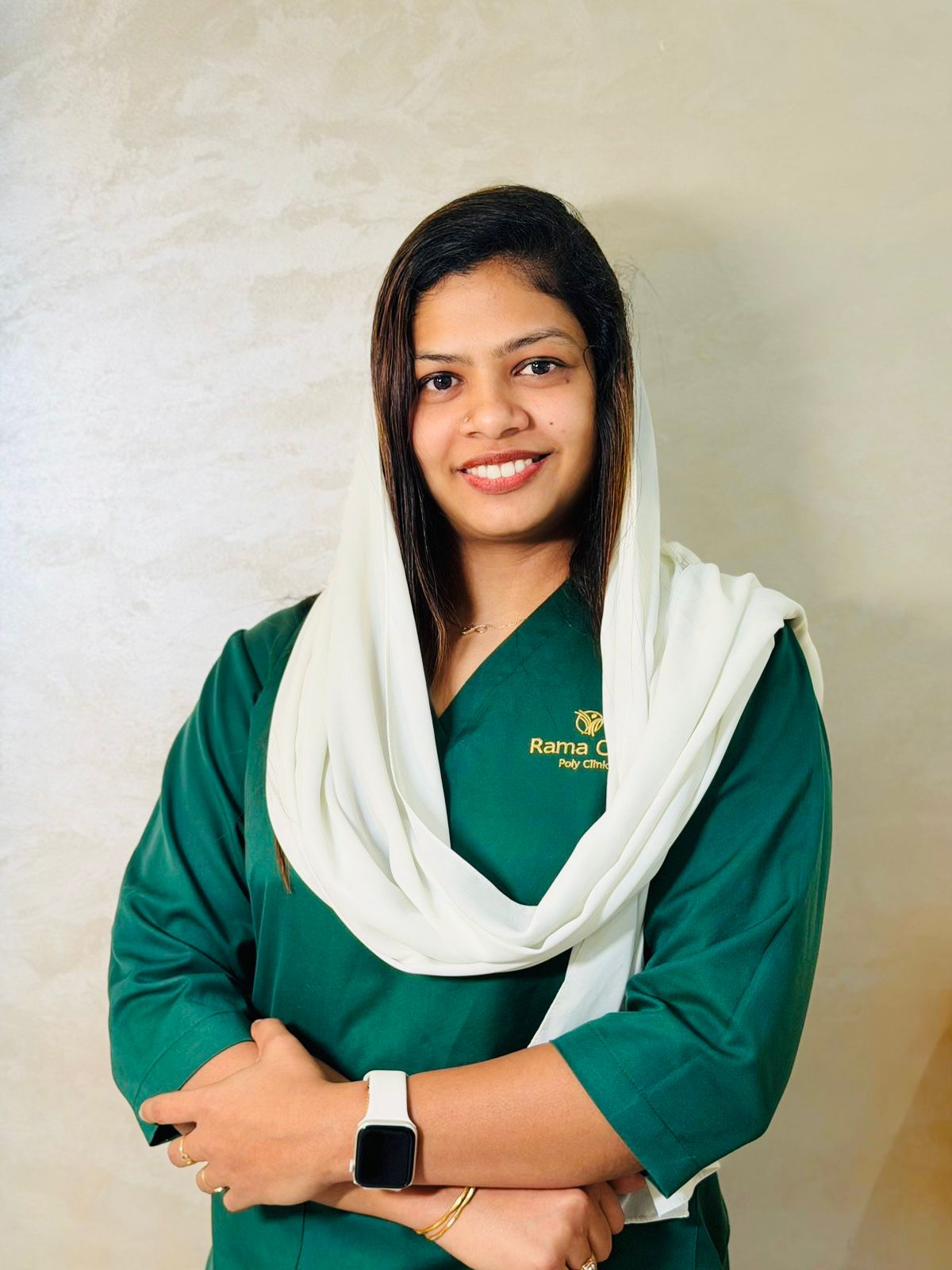
Content Reviewed by Dr. Shamna Keloth Meethal
Ayurveda & Holistic Health Specialist
BAMS · DHA Licensed Ayurveda Doctor • 11+ Years Clinical Experience
Diabetes diet consultation in Jumeirah 1 – book with Dr. Shamna