
Ready to find your personalized wellness path?
Ayurvedic Diet vs Keto Diet: Which Suits You in Dubai?
The keto (ketogenic) diet is very low in carbohydrates and high in fat, so the body burns fat for fuel (ketosis). The Ayurvedic diet has no fixed macros: it adjusts what, when and how much you eat to your dosha, your digestion (Agni) and the season. This guide compares them honestly, including side effects and who should avoid keto.
Prepared by RamaCare Polyclinic in Jumeirah 1 and reviewed by Dr. Shamna Keloth Meethal (BAMS). If you have a health condition or take regular medicines, speak to a doctor before changing your diet.
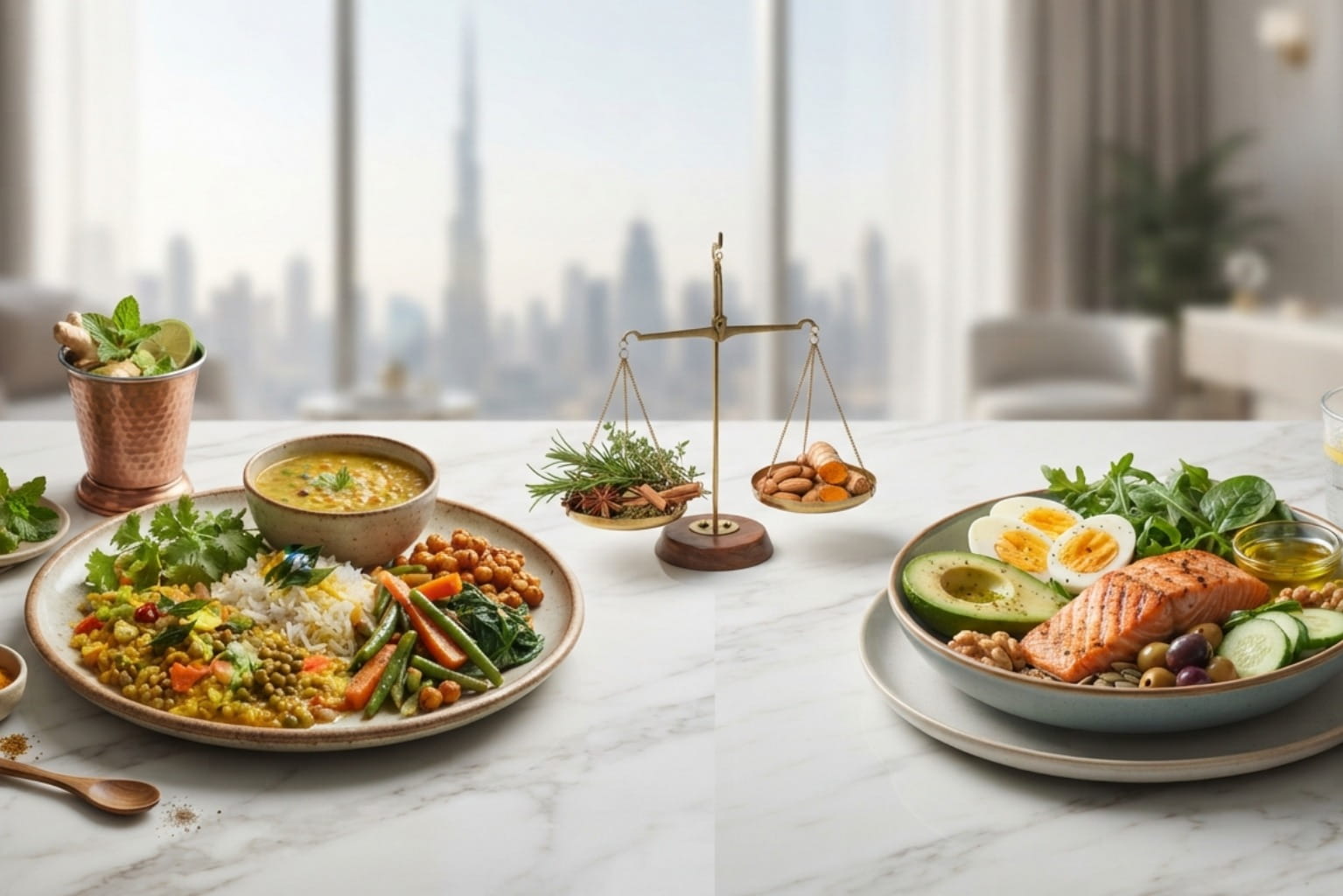
Keto or Ayurvedic Diet: Which Is Better?
Neither is best for everyone. Keto can lead to quick early weight loss (partly water) but is hard for many people to keep up, and it is not suitable for some health conditions. An Ayurvedic diet is more flexible and easier to fit into Dubai life, and many people use a lower-carb Ayurvedic approach, cutting sugar and refined carbs while keeping whole grains and lentils in moderation. In Ayurvedic terms, Kapha types usually do best with lower-carb eating, while Vata and Pitta types often feel better with more balance.
How Each Diet Works
The Keto Diet:
Usually about 70–75% of calories from fat, 20–25% from protein and 5–10% from carbohydrates (often under 50g of carbs a day). Cutting carbs this far makes the body produce ketones from fat for energy. It follows the same basic rules for everyone.
The Ayurvedic Diet:
Focuses on Agni (digestive fire) and your dosha (Vata, Pitta or Kapha). Instead of counting macros, you choose foods, meal times and portions that suit your body and the season, such as warm, freshly cooked meals and an early, light dinner.
Keto in the Dubai Heat: What to Watch For
Fluids and Electrolytes
Low-carb diets make the body lose more water and salts at first. In Dubai's heat and air-conditioning, that can mean headaches, cramps and tiredness, so drinking enough and getting enough salts matters.
Common Early Side Effects
Many people get "keto flu" in the first days (headache, tiredness, irritability, poor sleep), and constipation is common because of lower fibre.
The Ayurvedic View
Ayurveda regards very heavy, oily food in hot weather as aggravating Pitta, and favours lighter, cooling, freshly cooked meals in summer, whichever approach you follow.
Keto vs Ayurvedic Diet: At a Glance
| Feature | Keto Diet | Ayurvedic Diet |
|---|---|---|
| Main idea | Very low carb, high fat, to reach ketosis | Eat for your dosha, digestion and the season |
| Carbohydrates | Usually under 50g a day | Whole grains and lentils in amounts that suit you |
| Personalisation | Same basic rules for everyone | Adjusted to your dosha and health |
| Early weeks | Quick early weight loss (partly water); "keto flu" is common | Gradual changes; fewer early side effects |
| Eating out in Dubai | Possible, but needs careful ordering | Flexible; easier with family and work meals |
| Medical check advised | Yes, especially with diabetes, kidney disease or medicines | Yes, if you have a health condition |
A Middle Path: The Ayurvedic Lower-Carb Approach
If keto feels too strict, many people do well with a lower-carb Ayurvedic approach: cut sugar, sweet drinks and refined flour; fill half the plate with vegetables; include protein at every meal (dal, paneer, eggs, fish or chicken); keep whole grains such as millet, barley or brown rice to a small portion at lunch; use healthy fats in moderation; and have an early, light dinner.
In Ayurvedic terms this is Kapha-balancing eating, and it fits Dubai life: business lunches, brunches and family meals, without counting macros.
"We work with your lifestyle, not against it."
Sample Day: Ayurvedic Lower-Carb Eating in Dubai
An example only. Your plan is set for your dosha and health.
| Morning | Warm water, then two eggs or paneer with sautéed vegetables |
|---|---|
| Lunch (main meal) | Grilled fish or chicken, or dal; a large portion of vegetables; a small portion of millet or brown rice |
| Afternoon | A handful of nuts, or cucumber and buttermilk |
| Dinner (early) | Vegetable and lentil soup, or a light salad with grilled protein |
| Avoid | Sugary drinks, sweets, white bread and heavy late-night meals |
Who Should Not Do a Keto Diet Without Medical Advice?
Keto vs Ayurvedic Diet: Frequently Asked Questions
Get a Diet Plan That Suits Your Body
Book a consultation with Dr. Shamna Keloth Meethal (BAMS) in Jumeirah 1, from AED 200. She assesses your dosha, digestion and health and builds an eating plan you can keep, with blood tests through our GP if needed.
Your Diet Consultation in Jumeirah 1
| Doctor | Dr. Shamna Keloth Meethal, BAMS, DHA-licensed Ayurvedic doctor (11+ years) |
|---|---|
| Consultation | From AED 200, 45–60 minutes |
| Also in the building | Our GP, for blood tests if needed |
| Address | 12 Al Dhiyafah Road, Jumeirah Terrace Building, Ground Floor, Jumeirah 1, Dubai |
| Nearby | A few minutes from Satwa and Al Wasl; about 10 minutes from Jumeirah 2, City Walk and La Mer |
| Hours | Every day, 10am–10pm |
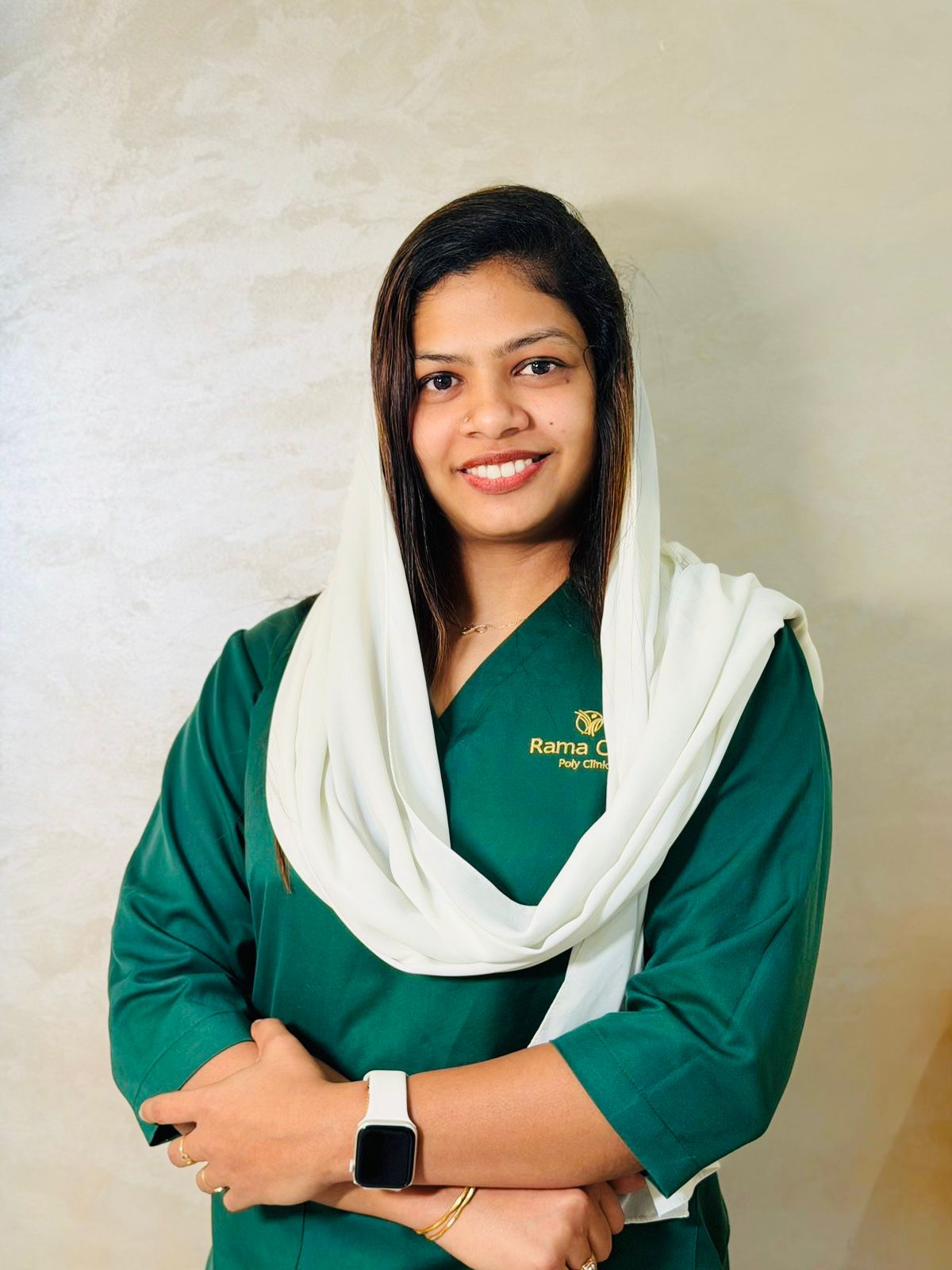
Content Reviewed by Dr. Shamna Keloth Meethal
Ayurveda & Holistic Health Specialist
BAMS · DHA Licensed Ayurveda Doctor • 11+ Years Clinical Experience
Still unsure which approach suits you? Talk to Dr. Shamna in Jumeirah 1.