
Anxiety Treatment Dubai
Supportive Physical & Lifestyle Wellness Care
Anxiety doesn’t always look like panic. Sometimes it’s a tight chest before a meeting, a mind that won’t switch off at 2 a.m., or a low hum of worry that follows you through the day without ever fully naming itself. If you’ve been searching for Anxiety Treatment Dubai, you’re likely somewhere on that spectrum — not necessarily in crisis, but tired of carrying it. At RamaCare Polyclinic, our DHA-licensed team offers personalized, supportive care for the physical and lifestyle side of anxiety — muscle tension, disrupted sleep, restlessness, and fatigue — through physiotherapy, Ayurvedic wellness consultation, and practical daily-life guidance. Every plan is built around your specific symptoms and routine, not a generic script. And if what you’re experiencing points to something that needs clinical mental health care, we’ll help you understand that and guide you toward the right specialist. Ready to take the first step? Book your consultation with RamaCare Polyclinic today.
RamaCare Patient Care
Our facility provides integrated orthopedic diagnostics, pain management, physical therapies, and clinical rehabilitation protocols.
Introduction
What Is Anxiety?
Anxiety is the body and mind’s response to a perceived threat or uncertainty — a mix of physical arousal (a faster heartbeat, tense muscles, shallow breathing) and mental activity (worry, racing thoughts, a sense of dread). According to the American Psychological Association, anxiety is distinct from stress in one important way: stress is usually a response to an identifiable external trigger, while anxiety can persist as excessive worry even after the original trigger has passed.
Physical Anxiety
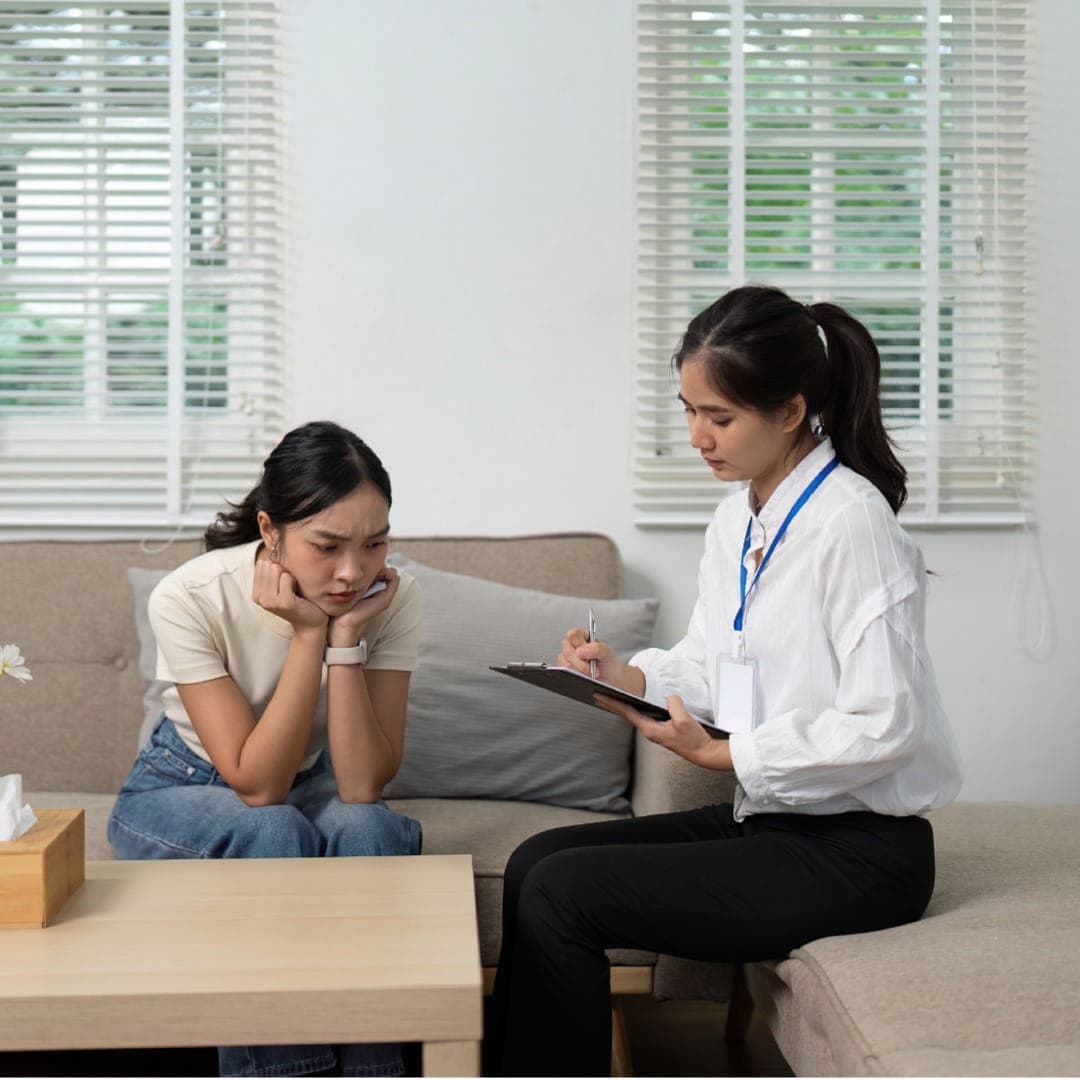
Personalized stress and anxiety wellness consultations identify primary physical and lifestyle strain areas.
Occasional vs. Persistent Anxiety
Recognizing Patterns
Functional Impact
Common Symptoms
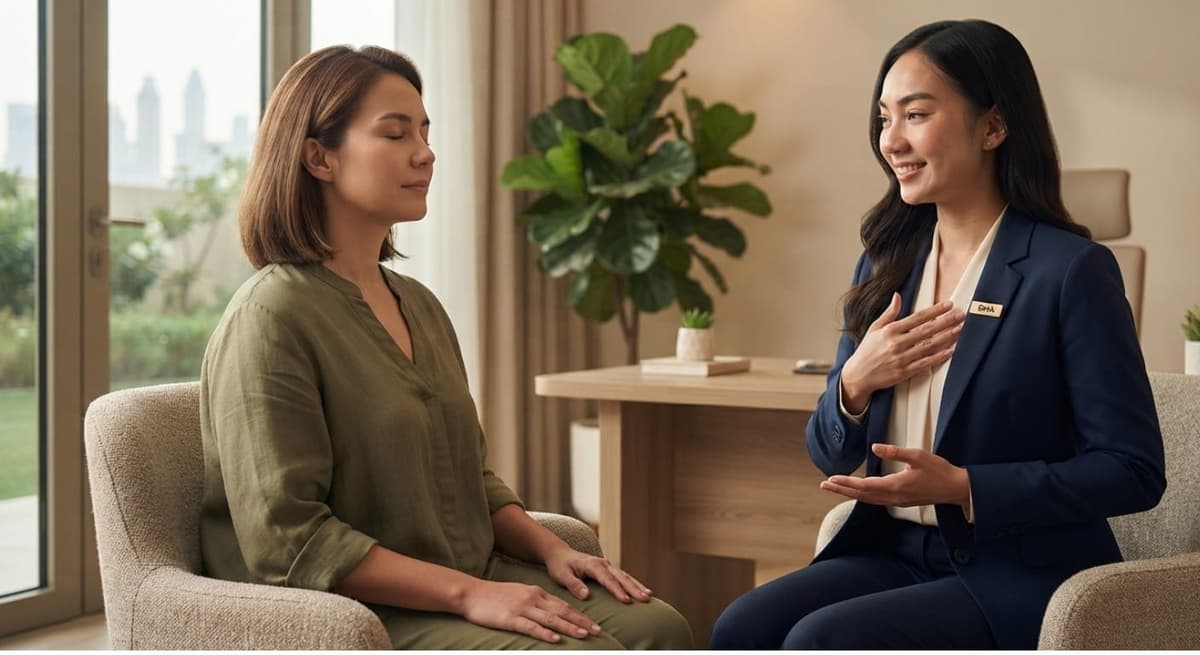
Guided breathing and relaxation session in a wellness clinic
Structured breathing patterns help stimulate the body's natural relaxation response.
Thorough evaluation verifies active movement restrictions and compensation patterns.
Clinical Guidance
Please select symptoms on the left to see clinical assessment guidelines.
Causes & Risk Factors
Anxiety, like most wellbeing concerns, usually results from several overlapping factors rather than one single cause:
Work pressure
Heavy workloads, tight deadlines, performance expectations.
Financial stress
Cost of living, job security, unexpected expenses.
Relationship challenges
Conflict, uncertainty, or strain in personal relationships.
Chronic health conditions
The ongoing demands of managing a long-term illness.
Poor sleep
Both a cause and a consequence of anxiety, often reinforcing each other.
Burnout
The cumulative toll of sustained overwork without adequate recovery.
Major life changes
Relocation, career transitions, new parenthood, bereavement.
Excessive caffeine
Can heighten physical symptoms like a racing heart and restlessness.
Sedentary lifestyle
Reduced physical activity is linked to higher reported anxiety symptoms.
Family history
A genetic or environmental predisposition toward anxiety, as noted by the Cleveland Clinic.
When Should You Seek Professional Help?
Occasional worry is a normal part of life and usually resolves once the situation passes. It’s worth arranging a proper assessment if you notice:
If your anxiety comes with ongoing panic-like symptoms — a racing heart, chest tightness, breathlessness, or a sudden overwhelming sense of fear — please treat this as a signal for prompt evaluation by a qualified mental health professional or emergency service, rather than something to bring to a wellness consultation first. More broadly, if you’re experiencing significant, persistent anxiety, panic attacks, depression, or any other mental health concern, this calls for evaluation by an appropriately licensed mental health professional — a psychiatrist or clinical psychologist. Our team at RamaCare can help you understand when that referral is the right next step, and can support you with the physical and lifestyle side of anxiety alongside it.
Assessment & Evaluation
Effective supportive care starts with genuinely understanding your situation — not applying a generic anxiety checklist. Our assessment process at RamaCare typically includes:
Medical history
Understanding your general health background and any existing conditions.
Lifestyle assessment
Looking at work patterns, routine, and daily demands.
Sleep evaluation
Since sleep quality and anxiety are closely linked.
Stress and symptom review
Identifying patterns, triggers, and how anxiety is showing up physically.
Physical examination
Checking for physical signs of tension or strain, where relevant.
Musculoskeletal assessment
Particularly for neck, shoulder, or upper back tension linked to anxiety.
Anxiety Treatment Dubai: Supportive Care at RamaCare
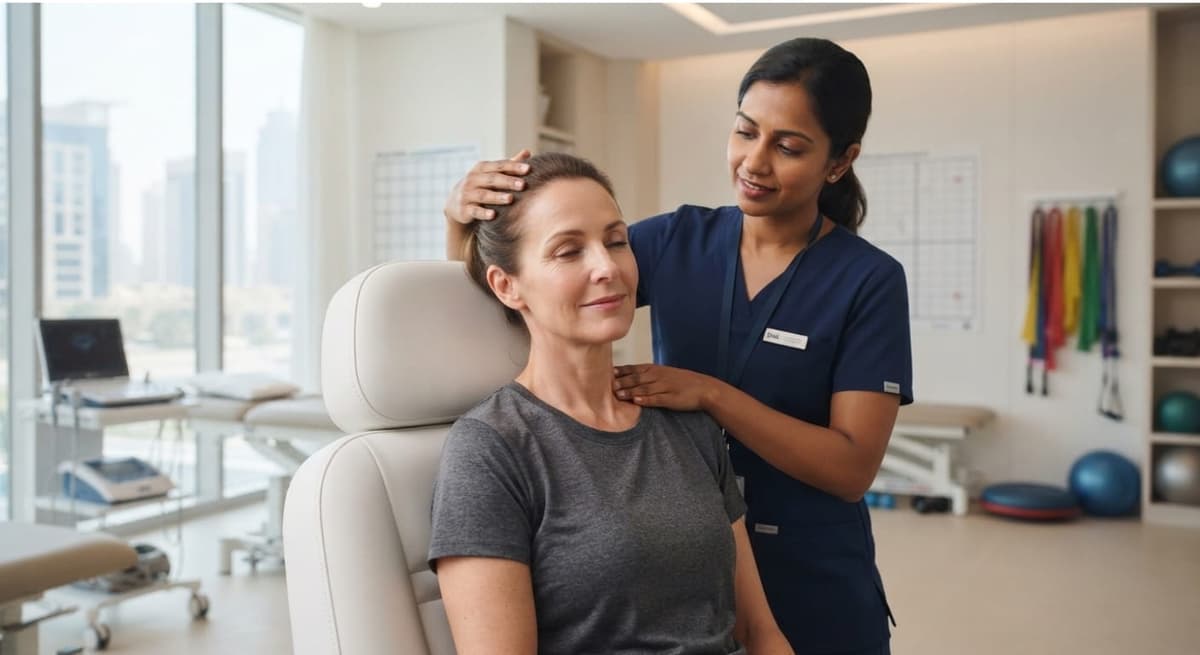
Physiotherapist treating neck and shoulder tension related to anxiety
Focused physical therapy helps release chronic muscle guarding in the neck and shoulders.

Ayurvedic wellness consultation for emotional wellbeing
Ayurveda consultations look at holistic daily habits, diet, and stress profiles.
Lifestyle counseling
Stress management education
Sleep hygiene guidance
Breathing exercises
Relaxation techniques
Physiotherapy for muscle tension
Gentle stretching programs
Exercise recommendations
Ayurvedic wellness consultation, where clinically appropriate
Personalized wellness plans
Referral to a licensed mental health professional
Every supportive care plan is built around your specific symptoms and routine, not a generic script.
Physiotherapy for Anxiety-Related Physical Symptoms
Anxiety has a very physical signature, and for many people it settles first in the neck, shoulders, and upper back. Physiotherapy can help address:
Neck stiffness
Guarding tension that builds from sustained, unconscious muscle protection. Explore our neck pain.
Shoulder tension
Often held without realizing it during anxious periods. Explore our shoulder pain.
Upper back tightness
Particularly between the shoulder blades. Explore our back pain.
Tension headaches
Especially originating at the base of skull. Explore our migraine treatment.
Poor posture
Associated with anxiety and stress, such as rounded shoulders and a forward head position from prolonged tension.
If tension has settled into a specific area, it’s worth exploring targeted support for neck pain, shoulder pain, or back pain alongside your broader anxiety support plan. Persistent tension headaches can also be assessed as part of our migraine treatment services, and disrupted sleep patterns can be addressed through our insomnia treatment support. Widespread joint stiffness linked to prolonged muscle guarding can also be evaluated through our joint pain treatment services.
Supportive Recovery & Outlook
Select a severity profile to view expected timeline & factors.
Function in 4 to 8 Weeks
Typically take 4–6 weeks of consistent adherence to settle into your day.
Recovery and wellness outcomes depend heavily on daily habits, initial symptom severity, and overall lifestyle alignment. Key contributors include:
Benefits of Early Support
Addressing anxiety-related symptoms before they become deeply entrenched tends to produce steadier, more sustainable results:
According to the World Health Organization and the National Institute of Mental Health, anxiety-related concerns are common and highly manageable with the right combination of support — and earlier, consistent attention is generally associated with better outcomes than waiting until symptoms become severe.
Ayurvedic Wellness Support
For patients interested in a complementary, lifestyle-based approach, our Ayurvedic team offers wellness-focused support alongside conventional care, drawing on Ayurveda’s traditional mind-body perspective on daily routine and balance. This typically includes:
Personalized Ayurvedic consultation
To understand your constitution and current imbalances.
Daily routine recommendations
To build more structure, rest, and predictability into your day.
Relaxation-focused therapies
Designed to support the body’s natural recovery.
Diet and lifestyle guidance
That supports overall energy and emotional steadiness.
Wellness-oriented herbal advice
Discussed transparently and without unsupported treatment claims.
Lifestyle Tips for Managing Anxiety
Alongside professional support, everyday habits make a meaningful difference:
Regular physical activity
Even moderate movement helps regulate stress hormones.
Walking
A simple, accessible way to build in daily movement and mental space.
Yoga
Combines movement, breath, and mindfulness.
Meditation
Even a few minutes daily can help settle a racing mind.
Deep breathing
A quick, practical tool for moments of acute worry.
Healthy sleep habits
A consistent routine improves sleep quality over time.
Balanced nutrition
Steady blood sugar and hydration support overall resilience.
Reducing excessive caffeine
Particularly in the afternoon and evening.
Time management
Realistic planning reduces the sense of being overwhelmed.
Social support
Staying connected with people who understand your situation.
Mindfulness practices
Bringing attention back to the present moment throughout the day.
Meet Our DHA-Licensed Expertise
Highly qualified doctors with decades of combined experience, committed to your healing journey with expertise, compassion, and authentic care.
Comprehensive 1-on-1 Consultation
Individual assessment based on your symptoms, lifestyle, and aesthetic or medical goals.
Personalised Care Protocol
Evidence-based treatment protocols tailored for comfortable and effective results.
DHA-Licensed Medical Quality
Certified healthcare standards in our modern Jumeirah 1 clinical facility.

Jeena Mathew
BPT, MPT (Physiotherapy)
Musculoskeletal Physiotherapy
8+ Years ExperienceKey Expertise
- Back Pain: Targeted manual therapy & strengthening
- Neck Pain: Joint mobility & ergonomic posture advice
- Shoulder & Knee Pain: Rehabilitation
Why Choose RamaCare Polyclinic?
When you’re looking for supportive Anxiety Treatment Dubai care, here’s what sets RamaCare Polyclinic apart:

Daily movement and stretching exercises build physical resiliency and stress tolerance.
Support Services
Frequently Asked Questions
Browse our answers to popular questions about anxiety and supportive wellness care in Dubai.

Content Reviewed by Jeena Mathew
Musculoskeletal Physiotherapy Specialist
BPT, MPT (Physiotherapy) · DHA Licensed Physiotherapist • 8+ Years Clinical Experience · 600+ Patients Treated
Anxiety Treatment Dubai | Supportive Care at RamaCare
Take the first step toward feeling calmer and more like yourself, with evidence-based supportive care at RamaCare Polyclinic.
Get In Touch
Call Us
+971 04 286 2006
Chat with us instantly
query@ramacarepolyclinic.com
Clinic Address
12 Al Dhiyafah Rd - Jumeirah Terrace Building,
Ground Floor, Jumeirah 1 - Dubai
Clinic Hours
Request Appointment
DHA Licensed
Certified Facility
Experienced Team
10+ Years Combined
Personalized Plans
Built Around Assessment
4.8/5 Rating
Patient Reviews
Conclusion
Take the first step toward feeling more like yourself again. Call RamaCare Polyclinic, message us on WhatsApp, or book your consultation online.
External References Used for Factual Accuracy
These external medical authorities were referenced to verify factual accuracy; no text was copied.
- World Health Organization — Anxiety disorders fact sheet
- Mayo Clinic — Anxiety disorders: symptoms and causes
- Cleveland Clinic — Anxiety disorders: causes, symptoms, treatment
- NHS — Get help with anxiety, fear or panic
- American Psychological Association — What’s the difference between stress and anxiety?
- National Institute of Mental Health — Anxiety disorders
Medical Disclaimer: This content is for general informational purposes only and does not constitute medical, psychiatric, or psychological advice, diagnosis, or treatment. RamaCare Polyclinic provides supportive, lifestyle-based wellness care and does not diagnose anxiety disorders or provide psychotherapy. If you are experiencing significant anxiety, panic attacks, or other mental health symptoms, including thoughts of self-harm, please consult an appropriately licensed mental health professional or seek emergency care. Individual results vary, and no specific outcome is guaranteed.