
PRP Hair Treatment Before and After: What Real Results Actually Look Like
If you've spent any time scrolling through hair restoration forums or Instagram, you've probably noticed the same thing we have: everyone wants to see proof before they commit. That's exactly why "PRP hair treatment before and after" is one of the most searched phrases among people considering Platelet Rich Plasma therapy — and it's a fair thing to want. You're not just buying a treatment, you're investing time, money, and a bit of hope into your hair.
At RamaCare Polyclinic in Dubai, we get asked about before-and-after results almost every single day, usually before anything else. People want to know: How much regrowth is normal? When does it start showing? Does it work the same for everyone? These are good questions, and they deserve honest answers rather than glossy marketing photos.
PRP (Platelet Rich Plasma) therapy works by using a concentrated part of your own blood — rich in growth factors — to stimulate dormant hair follicles and support the natural hair growth cycle. It isn't a magic fix, and it isn't instant. Results build gradually over several months, and how much change you see depends on things like the stage of your hair loss, your general health, and how consistently you follow the recommended session schedule.
This guide walks through exactly what to expect at each stage — week by week and month by month — what influences your results, how PRP compares to other hair restoration treatments, and how to interpret before-and-after photos (yours or anyone else's) with a realistic eye. Whether you're just starting to research hair loss treatment in Dubai or you're ready to book a consultation, our goal is to give you the clearest, most medically grounded picture we can.


Interactive Before & After Results
Drag the slider to compare hair restoration and density progress.
What Is PRP Hair Treatment?
PRP hair treatment is a non-surgical procedure that uses your own blood plasma, processed to concentrate platelets, then injected into areas of the scalp experiencing thinning or shedding. Platelets release growth factors that are believed to encourage blood flow to hair follicles, extend the growth (anagen) phase of the hair cycle, and support the health of follicles that are still active but weakened.
It's a treatment rooted in regenerative medicine principles that have also been used in orthopedics and dermatology for years, which is part of why it's gained credibility as a hair thinning treatment option rather than a fringe remedy.
At RamaCare Polyclinic, PRP is typically positioned as part of a broader hair restoration Dubai strategy — sometimes on its own, sometimes alongside our core Hair PRP Treatment in Dubai service, depending on what a patient's scalp examination shows.
How PRP Works on the Scalp
The process itself is straightforward, even if the biology behind it is more complex:
A small blood sample is drawn, similar to a routine blood test.
The sample is spun in a centrifuge to separate the platelet-rich plasma from red blood cells and other components.
The concentrated plasma is then injected into the treatment areas of the scalp using fine needles.

The theory — supported by a growing body of Platelet Rich Plasma therapy research — is that these concentrated growth factors signal follicles to shift from a resting phase back into an active growth phase, and improve the microenvironment around hair roots, including blood supply and follicle nutrition.
It's worth being clear-eyed here: PRP works best as a stimulator of follicles that still have growth potential. It's much less effective on scalp areas that are completely bald with no follicle activity left, which is why the initial consultation and scalp assessment matter so much.
Who Is an Ideal Candidate?
PRP tends to work best for people who are in the earlier-to-moderate stages of hair thinning rather than advanced baldness. Good candidates typically include those experiencing:
Good Candidates Typically Include
- Early-stage male or female pattern hair loss
- Diffuse thinning across the crown or part line
- Post-partum or stress-related shedding that hasn't fully resolved
- Early signs of alopecia where follicles are still present but under-active
May Not Be Suitable For
- Completely bald patches
- Scarring alopecia
- Certain underlying blood disorders
People with completely bald patches, scarring alopecia, or certain underlying blood disorders may not be suitable candidates, which is why sitting down with a qualified hair specialist in Dubai for an in-person consultation and scalp evaluation is a necessary first step — not a formality.
PRP Hair Treatment Before and After Timeline
This is the part most people searching "PRP hair treatment before and after" really want to understand. Here's a general, realistic outline of how results tend to unfold. Individual results vary, and this table should be read as a general pattern rather than a guarantee.
Initial Recovery
Mild scalp sensitivity or tenderness; no visible hair change yet
Shedding Cycle
Shedding may temporarily increase as follicles cycle out old hairs
Early Regrowth
Early fine, "baby" hair regrowth may become visible in some patients
Noticeable Growth
Increased hair density and thickness often become more noticeable
Thicker Density
Continued strengthening of existing hair; regrowth becomes easier to see in photos
Stabilization
Results typically stabilize; maintenance sessions may be recommended
Recovery & Results Timeline
Switch views to see what's typically happening at each stage.
Week 1
The scalp may feel slightly tender or tight, similar to a mild sunburn. Some redness or small bumps at injection sites are common and usually settle within a few days.
Week 2
Most visible scalp reactions resolve. This is often when patients ask, "is it working?" — and the honest answer is that it's too early to tell visually, even though cellular changes are underway.
Week 3–4
Interestingly, some patients notice slightly more shedding than usual during this window. This isn't a sign of failure — it can reflect the natural hair cycle resetting as follicles respond to the treatment.
Setting Realistic Expectations
We think this section matters more than any other on this page. PRP is a legitimate, evidence-supported treatment, but it is not a cure for baldness, and it doesn't work identically for every person. Reputable clinics — including ours — avoid promising guaranteed regrowth, because no ethical medical provider can promise a specific biological outcome.
What You Can Reasonably Expect
- Reduced hair shedding for many patients
- Improved thickness of existing thin hair
- Some degree of new fine hair growth in areas with dormant-but-viable follicles
- Gradual, not dramatic overnight, change
What PRP Is Unlikely to Do
- Regrow hair in areas with no active follicles
- Reverse advanced, long-standing baldness on its own
- Produce permanent results without any maintenance
Factors That Affect Your Results
Before-and-after outcomes vary quite a bit from person to person, and several factors influence why:
Stage of hair loss
earlier intervention generally responds better than advanced thinning
Age
younger follicles often respond faster, though older patients can still see meaningful results
Underlying health conditions
thyroid issues, nutritional deficiencies, and hormonal imbalances can all affect follicle response
Consistency of sessions
skipping or spacing out sessions too far apart can blunt cumulative benefits
Lifestyle factors
smoking, poor sleep, and high stress can all interfere with hair growth cycles
Genetics
pattern hair loss has a strong hereditary component that PRP can support but not override
How Many Sessions Do You Need?
Most hair PRP treatment protocols involve an initial series, commonly spaced four to six weeks apart, followed by periodic maintenance sessions. The exact number isn't one-size-fits-all — it depends on your scalp assessment, the extent of thinning, and how your follicles respond after the first couple of sessions.
During your hair PRP consultation at RamaCare Polyclinic, our clinical team will outline a session plan tailored to your specific scalp condition rather than applying a generic package to everyone. You can also review typical pricing structures on our PRP Hair Treatment Cost in Dubai page while you plan.
Benefits of PRP Hair Treatment
- Uses your own biological material, minimizing risk of allergic reaction
- Minimally invasive with little to no downtime
- Can be combined with other hair growth treatment in Dubai options
- Supports both hair density and, for some patients, hair quality/thickness
- No incisions, stitches, or surgical scarring
Limitations of PRP
- Not effective on completely bald, follicle-free scalp areas
- Results are gradual and require patience
- Multiple sessions are typically needed for meaningful, lasting benefit
- Not a permanent, one-time fix — most patients benefit from maintenance visits
Risks and Side Effects
PRP is generally considered a low-risk procedure since it uses the patient's own blood, but like any injectable treatment, it can carry some temporary side effects, including:
- Mild pain or tenderness at injection sites
- Temporary redness or swelling
- Slight bruising in rare cases
- Temporary headache following the procedure
Serious complications are uncommon when the procedure is performed by trained medical professionals using sterile technique, which is why choosing a licensed clinic matters as much as choosing the treatment itself.
Aftercare Tips
- Avoid washing your hair for at least 24 hours after treatment
- Skip strenuous exercise and excessive sweating for a day or two
- Avoid direct sun exposure on the scalp immediately after treatment
- Don't apply hair styling products for at least 24–48 hours
- Follow any specific instructions given by your treating clinician
Lifestyle Tips to Support Results
How to Read Before-and-After Photos
Before-and-after photos are genuinely useful, but they can also be misleading if not captured properly. When evaluating your own progress — or anyone else's photos online — keep these guidelines in mind:
Consistent lighting
matters enormously; harsh overhead lighting can exaggerate or hide thinning
Same angle and distance
should be used for every photo to allow fair comparison
Wet vs. dry hair
changes how density appears, so compare like with like
Styling and parting
should stay consistent between photos
Time of day
should ideally be taken at the same time of day, since scalp appearance can shift slightly with sweat or oil buildup
If a clinic's before-and-after gallery uses dramatically different lighting, angles, or styling between the two photos, treat those results with healthy skepticism.
Why Results Differ Between Patients
Two patients with seemingly similar hair loss patterns can have very different PRP outcomes. This usually comes down to a combination of follicle viability, hormonal factors, how the body metabolizes and responds to growth factors, and how consistently the treatment plan was followed. It's one of the reasons ethical clinics avoid showing only their most dramatic results as if they represent the average patient.
PRP vs Hair Transplant
Many patients actually use both approaches at different stages — PRP to strengthen surrounding hair after a transplant, for example, rather than choosing one over the other exclusively.
| PRP Therapy | Hair Transplant | |
|---|---|---|
| Invasiveness | Minimally invasive, injections only | Surgical procedure |
| Downtime | Little to none | Days to weeks |
| Best for | Early to moderate thinning | Advanced, localized baldness |
| Results timeline | Gradual, over months | Gradual, over 6–12 months post-surgery |
| Permanence | Requires maintenance sessions | Generally permanent for transplanted follicles |
PRP vs Hair Mesotherapy
Hair mesotherapy involves injecting a cocktail of vitamins, minerals, and amino acids into the scalp, while PRP uses your own concentrated platelets. Some clinics combine both approaches. Mesotherapy tends to focus on nourishing the scalp environment, while PRP focuses more directly on stimulating follicle activity through growth factors. Neither is universally “better” — the right choice depends on your specific hair and scalp assessment. Learn more on our dedicated Hair mesotherapy guide.
PRP Success Rate
It's tempting to want a single success-rate number, but responsible clinics are cautious here, because reported outcomes vary significantly across studies depending on patient selection, PRP preparation method, and number of sessions. What's fair to say is that a meaningful proportion of appropriately selected patients — particularly those treated in earlier stages of thinning — report visible improvement in hair density and reduced shedding. We avoid citing a specific percentage as a guarantee, since your personal outcome depends on your unique scalp biology.
What the Research Says
PRP for hair restoration has been examined in peer-reviewed medical literature over the past decade, with a number of studies exploring its effects on hair density, thickness, and follicle activity. While findings are generally encouraging for appropriately selected patients, researchers also note variability in study design, PRP preparation protocols, and patient populations — which is part of why the medical community continues to describe PRP as a “supportive” or “adjunctive” hair restoration option rather than a guaranteed standalone cure.
Common Myths About PRP
Myth: PRP works instantly.
Reality: Visible change typically takes at least two to three months to begin appearing.
Myth: PRP can regrow hair on a completely bald scalp.
Reality: PRP needs at least some dormant-but-viable follicles to stimulate; it can't create new follicles from nothing.
Myth: One session is enough.
Reality: Most protocols involve multiple initial sessions plus periodic maintenance.
Myth: PRP is only for men.
Reality: PRP is commonly used for both male and female pattern hair loss.
Myth: All PRP treatments are the same.
Reality: Preparation methods, platelet concentration, and injection technique vary by clinic and can affect outcomes.
Why Patients Choose RamaCare Polyclinic
Choosing where to have PRP hair treatment done matters just as much as choosing to have it done at all. At RamaCare Polyclinic in Dubai, patients typically choose us because of:
Experienced medical professionals
who assess each scalp individually rather than applying a one-size-fits-all protocol
Personalized treatment plans
built around your specific stage of hair thinning and health history
Modern facilities
in a convenient Dubai location, easily accessible for patients across the city and nearby areas like Jumeirah
Patient-focused care
with realistic conversations about what PRP can and cannot achieve for your particular case
We'd rather set accurate expectations during your hair PRP consultation than oversell results you might not achieve — that's part of practicing responsible, ethical medicine.

Frequently Asked Questions
Ready to Explore PRP Hair Treatment?
If you're thinking about PRP and want a clear, honest assessment of whether it's right for your hair and scalp, the next step is a proper in-person consultation. Our team can evaluate your hair loss pattern, walk you through a personalized session plan, and answer any remaining questions about your PRP hair treatment before and after journey.
Conclusion
Understanding what PRP hair treatment before and after results genuinely look like — rather than relying on cherry-picked photos — is one of the most important steps you can take before booking a session. Results build gradually, typically becoming noticeable between months two and six, and they depend heavily on your individual scalp condition, follicle health, and consistency with your treatment plan. PRP isn't a guaranteed fix for every type of hair loss, but for many patients with early-to-moderate thinning, it can be a genuinely supportive part of a broader hair restoration strategy. If you're weighing your options for hair loss treatment in Dubai, a personalized consultation remains the most reliable way to understand what realistic PRP hair treatment before and after results could look like for you specifically.
Related Hair Treatment Guides
Hair PRP Treatment in Dubai
Explore our core PRP treatment page for a full breakdown of the procedure, technique, and what to expect during your visit.
Hair Loss Treatment in Dubai
A broader look at the range of hair loss treatment options available beyond PRP, useful if you're still comparing approaches.
Hair Fall Treatment in Dubai
Focused specifically on managing excessive hair fall and shedding, a common concern that often precedes visible thinning.
PRP Hair Treatment Cost in Dubai
A transparent look at what influences PRP pricing, so you can plan your treatment budget with clarity.
Hair Growth Treatment in Dubai
Covers additional hair growth-focused treatments that can complement or support your PRP results.
Hair Mesotherapy in Dubai
Learn how mesotherapy compares to PRP and whether combining the two could suit your specific hair goals.
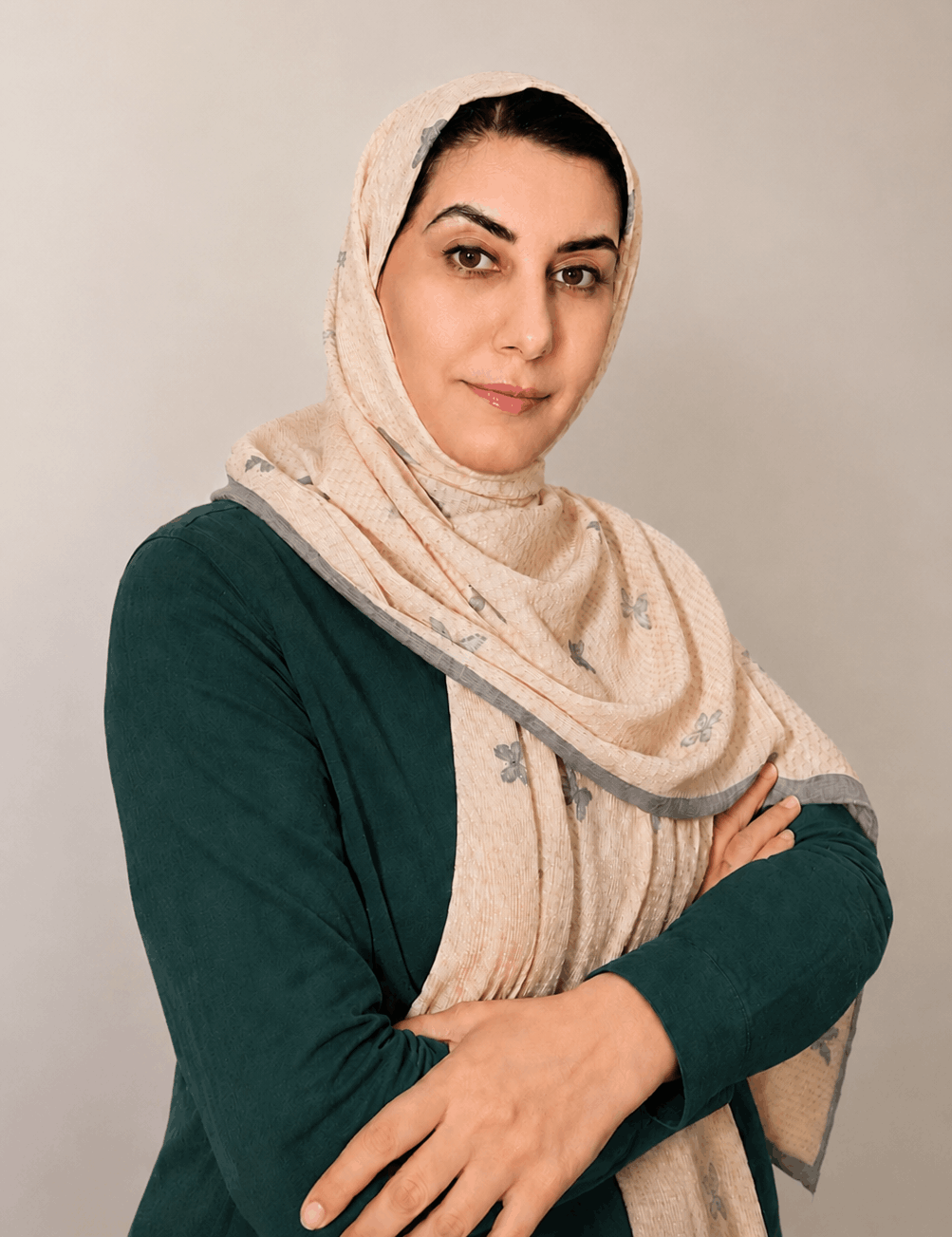
Content Reviewed by Dr. Sahar Zomorrodi
General Practitioner & Aesthetic Specialist
MD · DHA Licensed General Practitioner • 10+ Years Clinical Experience
Medical Disclaimer
This content is for informational purposes only and does not replace professional medical advice, diagnosis, or treatment. Always consult a qualified healthcare provider regarding any medical condition. Individual results vary, and no specific outcome is guaranteed.