
Best Hair Specialist in Dubai: How to Choose the Right Expert
Licensing
DHA Licensed Polyclinic in Jumeirah 1, Dubai
Specialist Consultation
Structural Scalp and Hair Assessment
Clinical Focus
PRP, Hair Mesotherapy, and Diagnostic Pathways
Contact Number
(+971) 04 286 2006Hair loss can have many different causes, so choosing a specialist based only on a treatment advertisement may not be enough. A receding hairline, a widening part, or a handful of extra strands in the shower drain can all mean very different things depending on the person. What looks like ordinary shedding to one patient might be genetic pattern hair loss, a temporary reaction to stress or illness, a scalp condition, or a sign of an underlying hormonal or nutritional issue. Because the causes are so varied, the right starting point is not a specific treatment — it is a proper, individualized assessment.
This is why patients searching for the best hair specialist in Dubai are usually looking for more than a clinic with a nice website. They want a practitioner who will actually look at their scalp, ask about their history, and explain what is happening before recommending anything. A thorough hair-loss evaluation typically considers the pattern of hair loss, the condition of the scalp, hair density across different areas of the head, where the person sits in their natural hair-growth cycle, relevant medical history, lifestyle factors, family history of hair loss, and possible nutritional or hormonal contributors. Only once these pieces are understood does it make sense to talk about PRP, Hair Mesotherapy, medical management, or any other option.
At RamaCare Polyclinic, a DHA-licensed multi-specialty clinic in Jumeirah 1, Dubai, hair and scalp concerns are approached the same way — through assessment first, treatment second. This guide is designed to help you understand what a hair specialist actually does, why an accurate diagnosis matters more than any single procedure, and what to look for — and look out for — when choosing hair specialist care in Dubai. It does not claim that any one clinic or doctor is universally “the best,” because the right specialist for you depends on your specific situation, your goals, and the cause of your hair loss.
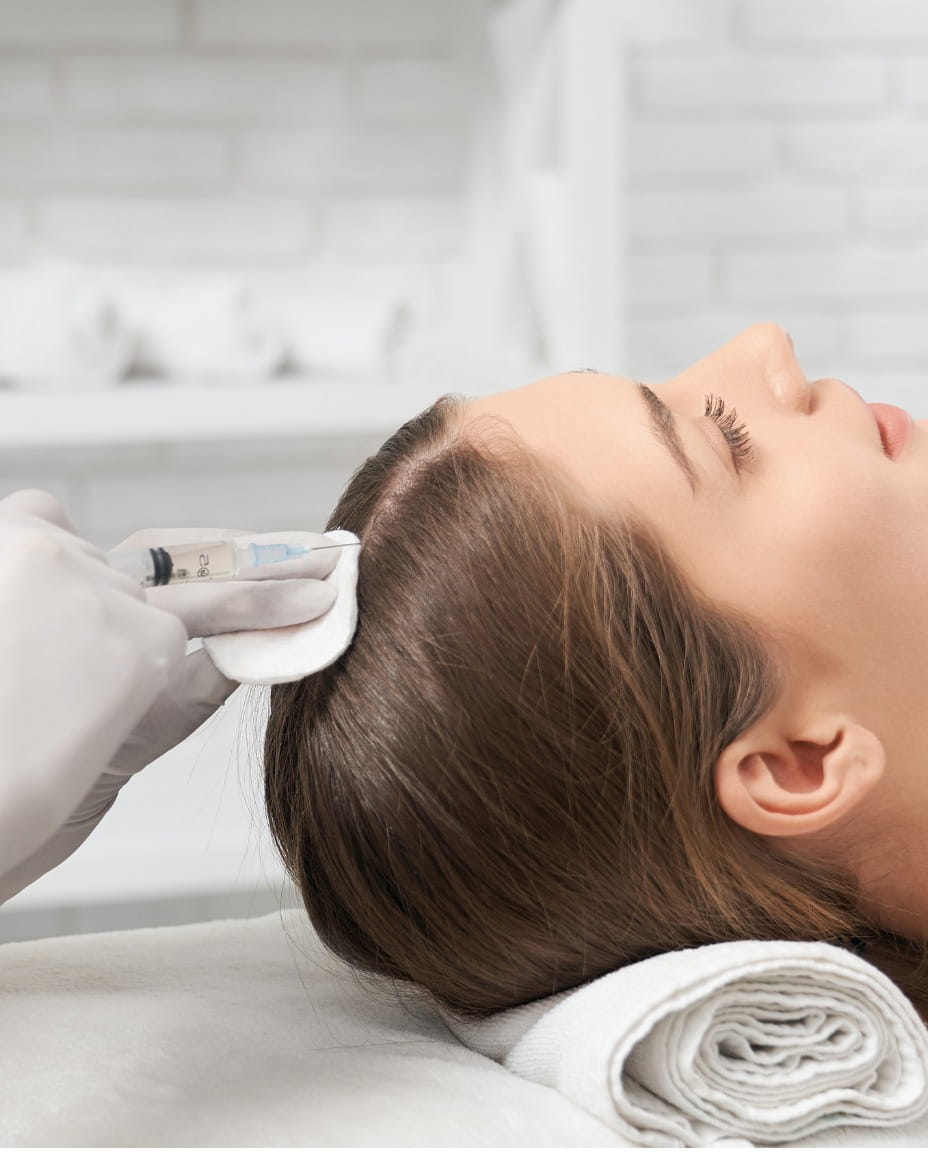
Individualized Assessment Focus
A personalized hair and scalp consultation is the first step in understanding hair loss.
Quick Navigation
What Does a Hair Specialist Do?
What is a hair specialist? A hair specialist is a healthcare professional who assesses hair loss and scalp conditions, identifies possible causes through examination and history-taking, and recommends treatment options suited to the individual. This may include medical management, procedures such as PRP, or referral for further tests when needed.
A hair specialist’s role generally includes:
Hair-loss assessment
understanding when the shedding started, how it has progressed, and what pattern it follows.
Scalp examination
checking for redness, flaking, inflammation, or signs of infection.
Hair-density assessment
comparing density across the scalp to identify localized versus diffuse thinning.
Identifying patterns of hair loss
such as a receding hairline, crown thinning, or patchy loss.
Reviewing medical history
including past illnesses, medications, and family history.
Identifying possible triggers
stress, recent illness, childbirth, crash dieting, or hormonal changes.
Recommending appropriate treatment
based on the findings rather than a fixed package.
Monitoring progress
since hair grows slowly, follow-up review is part of responsible care.
Hair Specialist vs Dermatologist vs Trichologist vs Hair-Transplant Surgeon vs Aesthetic Practitioner
These terms are often used loosely, which can be confusing for patients. It helps to understand the general distinctions:
A dermatologist is a physician trained in skin, hair, and nail conditions and can diagnose and manage a broad range of scalp and hair disorders, including inflammatory and autoimmune conditions.
No single title is automatically the “right” choice for every patient. The more useful question is whether the person you consult will properly assess your specific case — including your hair loss causes — before recommending a treatment path, rather than which title appears on the door.
Why the Cause of Hair Loss Matters
What is the best treatment for hair loss? There is no single best treatment for hair loss, because the right approach depends on the underlying cause. Genetic hair loss, temporary shedding, scalp conditions, and hormonal issues each respond differently to treatment, which is why diagnosis should come before any procedure is chosen.
Two people can describe almost identical symptoms — thinning at the crown, more hair on the pillow — and still have completely different underlying causes. Treating the symptom without understanding the cause can waste time, delay appropriate care, and in some cases mask a condition that needs medical attention. This is why a structured discussion of hair loss treatment in Dubai should always begin with identifying what is actually happening.
Genetic hair loss (androgenetic alopecia)
the most common cause of progressive thinning in both men and women, typically following a recognizable pattern and influenced by family history.
Telogen effluvium
a temporary, diffuse shedding that can follow illness, surgery, major stress, or childbirth, usually appearing a few months after the triggering event.
Alopecia areata
an autoimmune condition that causes patchy hair loss and requires medical evaluation.
Hormonal changes
including thyroid imbalances, postpartum shifts, or other endocrine factors.
Nutritional deficiencies
such as low iron or protein intake, which can affect hair growth.
Thyroid-related problems
both underactive and overactive thyroid function can influence hair density.
Scalp inflammation, seborrheic dermatitis, and psoriasis
inflammatory scalp conditions that can contribute to shedding and discomfort.
Scalp infections
including fungal infections that require specific treatment rather than cosmetic procedures.
Traction alopecia
hair loss caused by prolonged tension from tight hairstyles or certain hair extensions.
Stress-related shedding
a recognized but often temporary contributor to increased hair fall.
Medication-related hair loss
some medications list hair thinning as a side effect, which is worth discussing with a clinician rather than self-diagnosing.
Because these causes call for very different responses — from reassurance and time, to topical or oral medical management, to procedures like PRP, to referral for blood tests — a treatment plan that skips the diagnostic step is starting from the wrong end.
Common Signs You Should See a Hair Specialist
Some hair shedding is a normal part of the hair-growth cycle. However, certain signs suggest it is worth booking an assessment rather than waiting:
Identifying Hair Loss Early
Assessing hair thinning patterns helps guide the right next step. Treating issues at the first sign of progressive thinning or scalp irritation typically offers more manageable pathways.
If you recognize several of these signs, it does not automatically mean something serious is happening — but it is a reasonable point to seek a professional opinion rather than guess. Sudden, patchy, or painful hair loss in particular warrants earlier evaluation.
How a Hair Specialist Diagnoses Hair Loss
How do I choose a hair specialist? Choosing a hair specialist starts with confirming they perform a proper assessment — including your medical history and a scalp examination — before recommending treatment. A specialist who explains the possible causes of your hair loss, discusses realistic outcomes, and tailors the plan to your findings is generally a better sign than one offering a fixed package.
A responsible diagnostic process is built around the individual patient rather than a standard script. It typically involves:
Medical History
When the shedding started, how it has changed, current and past medical conditions, medications, and recent life events such as illness or major stress.
Family History
Since genetic pattern hair loss often runs in families, this history helps place your case in context.
Scalp Examination
A visual and physical check for redness, scaling, inflammation, or other visible changes.
Hair Density Assessment
Comparing hair density across different regions of the scalp to identify whether thinning is localized or widespread.
Hair Pull Test, Where Appropriate
A simple in-clinic test that can help indicate whether shedding is currently active.
Trichoscopy / Dermoscopic Assessment, Where Available
A magnified view of the scalp and hair shafts that can help characterize certain patterns of hair loss.
Blood Tests, When Clinically Indicated
Tests such as iron studies or thyroid function may be recommended based on your history and examination findings, rather than ordered automatically for every patient. Not everyone needs the same panel of tests — a responsible clinician tailors this to your specific presentation.

Scalp Assessment for Hair Loss
Scalp assessment helps identify the pattern and possible cause of hair loss.
Questions to Ask a Hair Specialist
Coming prepared with a few key questions can help you get more out of a consultation and evaluate whether a clinic’s approach is genuinely individualized:
What may be causing my hair loss?
Is my hair loss temporary or progressive?
What treatment options are appropriate for me specifically?
Do I need blood tests, and if so, why?
Am I a suitable candidate for PRP?
Would Hair Mesotherapy be appropriate for my situation?
How many sessions might realistically be needed?
What results are realistic given my stage of hair loss?
How will my progress be monitored over time?
What happens if the treatment does not produce the expected results?
A specialist who is willing to sit with these questions — rather than redirect you straight to a package — is generally demonstrating a more patient-centered approach.
Hair Treatment Options
Treatment should follow diagnosis, not replace it. Below is an overview of the main options that may be discussed once the cause of hair loss has been assessed.
PRP Hair Treatment
Platelet-Rich Plasma (PRP) hair treatment involves drawing a small sample of the patient’s own blood, processing it to concentrate the platelets, and injecting the resulting plasma into areas of the scalp experiencing thinning. The platelets contain growth factors that are thought to support the hair-growth environment.
For a full explanation of the procedure, session planning, and what to expect, see Hair PRP Treatment in Dubai.
Who may benefit: PRP is generally discussed for patients with early-to-moderate thinning where hair follicles are still active, most often in the context of androgenetic alopecia. Suitability is assessed individually.
Why diagnosis matters: PRP is not equally appropriate for every cause of hair loss. A specialist needs to confirm the underlying cause before recommending it.
Expected timeline: Because hair grows in cycles, visible changes take time and are typically assessed over multiple months rather than after a single session.
Limitations: PRP does not reverse all types of hair loss, and outcomes vary between individuals. It is one option among several, not a universal solution.
Hair Mesotherapy
Hair Mesotherapy involves delivering a solution of vitamins, minerals, or other nourishing ingredients directly into the scalp through a series of fine injections. It works on a different principle from PRP, which uses the patient’s own blood-derived plasma rather than an external formulation.
Because PRP and Hair Mesotherapy work differently and suit different situations, treatment selection should be individualized rather than based on which option a clinic happens to promote. Learn more about the approach and candidacy considerations on the Hair Mesotherapy in Dubai page.
Medical Management
Depending on the diagnosis, some patients may be advised toward medical management as part of their care plan. This is a decision made by the treating clinician based on your specific assessment, and it is not something this article can substitute for. No medications or dosages are recommended here — that discussion belongs in a consultation.
Lifestyle and Nutritional Factors
Alongside any clinical treatment, general hair health can be supported by basic wellness practices. Wellness complements medical care pathways to build the best foundation for recovery.
Key supportive factors:
- Balanced nutrition with adequate protein intake
- Addressing any identified nutritional gaps under professional guidance
- Managing stress where possible
- Prioritizing adequate sleep
- Gentle hair care — avoiding excessive heat styling, harsh chemical treatments, and tight hairstyles
Nutrition supports overall hair health, but it does not override an underlying genetic or medical cause.
Hair Transplant
Surgical hair restoration may be considered for patients with more advanced hair loss, particularly once non-surgical options have been discussed and a specialist has assessed donor-area suitability. This is a more involved decision, and the comparison of approaches is covered in detail.
Surgical hair restoration may be considered for patients with more advanced hair loss, particularly once non-surgical options have been discussed and a specialist has assessed donor-area suitability. This is a more involved decision, and the comparison of approaches is covered in detail in PRP vs Hair Transplant in Dubai.
PRP and the Hair Growth Cycle
Understanding why hair treatments require patience starts with understanding how hair actually grows. Each hair follicle cycles through distinct phases:
Anagen (Growth Phase)
The active phase during which the hair follicle produces new hair. This phase can last several years.
Catagen (Transition Phase)
A short transitional phase where hair growth slows and the follicle begins to shrink.
Telogen (Resting Phase)
A resting period during which the hair is not actively growing but has not yet shed.
Exogen (Shedding Phase)
The phase in which the resting hair is released and shed, often coinciding with a new hair beginning to grow.
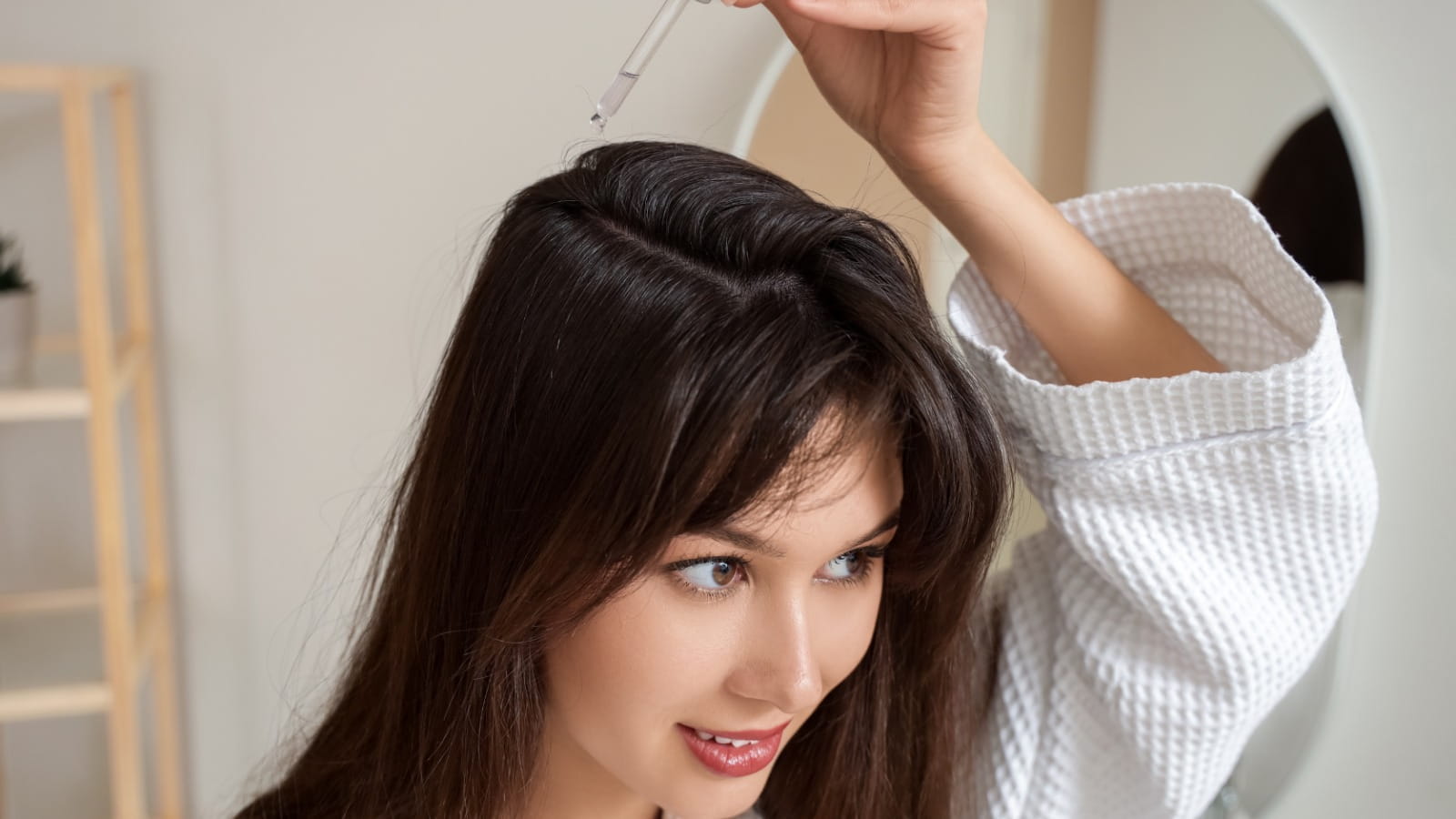
Understanding the hair growth cycle explains why treatment results take time.
At any given time, the hairs on your scalp are in different phases of this cycle simultaneously. This is precisely why hair treatments — including PRP — cannot show results overnight. Influencing the growth environment takes time to translate into visible change, since it depends on follicles progressing through their natural cycle. For a deeper explanation, see the Hair Growth Cycle guide.
PRP Hair Treatment Results
Can PRP help hair loss? PRP may support hair density in some patients with early-to-moderate androgenetic alopecia, but results vary from person to person and are not guaranteed. Outcomes depend on the underlying cause, the stage of hair loss, and how the individual responds, which is why a proper assessment matters before starting treatment.
A few realistic points worth keeping in mind:
Results vary between patients, and not everyone responds the same way.
Hair growth is gradual, in keeping with the natural growth cycle described above.
Early-stage thinning may respond differently than more advanced hair loss.
Multiple sessions are often part of a structured treatment plan, spaced according to individual response.
Ongoing maintenance may be discussed depending on how the patient’s hair responds over time.
For more detail on what a treatment course can look like, see PRP Hair Treatment Before and After, PRP Hair Treatment Recovery, and PRP Hair Treatment Cost in Dubai. No page on this site guarantees hair regrowth, and any clinic that does should be treated with caution.
PRP vs Hair Mesotherapy
Neither option is universally “better” — the appropriate choice depends on the diagnosis and the patient’s goals. A full comparison is available at PRP vs Hair Mesotherapy.
| Feature | PRP | Hair Mesotherapy |
|---|---|---|
| Basic approach | Uses the patient’s own concentrated plasma | Uses an injected nutrient/vitamin-based solution |
| Main components | Platelets and growth factors from the patient’s blood | Vitamins, minerals, or other nourishing agents |
| Procedure | Blood draw, processing, then scalp injections | Series of fine injections of a prepared solution |
| Typical treatment planning | Individualized session schedule based on assessment | Individualized session schedule based on assessment |
| Recovery | Generally minimal downtime; individual response varies | Generally minimal downtime; individual response varies |
| Suitable candidates | Determined after diagnosis and scalp assessment | Determined after diagnosis and scalp assessment |
| Limitations | Not effective for every cause of hair loss | Not effective for every cause of hair loss |
PRP vs Hair Transplant
The right path depends on the stage and pattern of hair loss, patient goals, and a specialist’s assessment. Read more in PRP vs Hair Transplant in Dubai.
| Feature | PRP | Hair Transplant |
|---|---|---|
| Treatment type | Non-surgical, injection-based | Surgical hair restoration |
| Main purpose | Supports the scalp environment for existing follicles | Relocates hair follicles to thinning or bald areas |
| Surgical procedure | No | Yes |
| Recovery | Minimal downtime | Longer recovery period, procedure-dependent |
| Candidate suitability | Early-to-moderate thinning with active follicles | More advanced hair loss with suitable donor area |
| Long-term considerations | May involve maintenance sessions | Considered a longer-term structural change |
How to Choose a Hair Specialist in Dubai
This is one of the most important decisions in the process, so it is worth being deliberate about it. Whether you are comparing options for the first time or reconsidering a previous provider, the same hair specialist Dubai evaluation checklist applies:
Relevant medical qualifications — Confirm the practitioner’s medical background and licensing.
Experience with hair-loss conditions — Not just aesthetic procedures, but experience recognizing different causes of hair loss.
Proper diagnosis before treatment — A consultation should include assessment, not just a treatment menu.
Personalized treatment plans — Your plan should reflect your findings, not a standard package.
Transparent explanation of benefits and limitations — Be wary of one-sided sales pitches.
Appropriate follow-up — Hair growth takes time, so ongoing review matters.
Patient safety — Procedures should be performed in a proper clinical setting with appropriate protocols.
Realistic expectations — A trustworthy specialist will tell you what is and isn’t likely, not just what you want to hear.
Relevant before-and-after documentation, where appropriate — Should reflect genuine, individual cases rather than stock imagery.
Clear communication — You should leave the consultation understanding your own situation, not just a sales offer.
Be cautious of any clinic that recommends the exact same procedure to every patient without first assessing the underlying cause of hair loss. A one-size-fits-all approach is a sign that diagnosis is being skipped.
Red Flags When Choosing a Hair Clinic
Watch out for these warning signs, which are common across the hair-restoration industry and not specific to any one clinic:
Guaranteed hair regrowth claims
One-treatment-fits-all packages
No medical assessment before treatment is offered
No explanation of what may be causing your hair loss
Pressure to purchase multi-session packages on the first visit
Unrealistic before-and-after promises
Unclear or unverifiable practitioner qualifications
No discussion of risks or limitations
No follow-up plan after treatment begins
A patient-first clinic will be comfortable slowing down, explaining uncertainty where it exists, and being honest when a treatment may not be the right fit for you.
Hair Loss in Men vs Women
Hair Loss in Men
Male hair loss most commonly follows a recognizable pattern linked to androgenetic alopecia, including:
- A receding hairline, often starting at the temples
- Thinning at the crown
- A genetic predisposition that frequently runs in families
While this genetic pattern is the most common cause in men, other factors — including scalp conditions, stress, or medical issues — can also contribute and should not be assumed away without assessment.
Hair Loss by Age
Young adults
Hair loss at a younger age can still be linked to genetic factors, but sudden or patchy loss at this stage is also worth having assessed rather than assumed to be typical.
Adults
This is when androgenetic alopecia commonly becomes more noticeable, though lifestyle, stress, and health factors also play a role.
Middle age
Hormonal changes, cumulative genetic effects, and general health factors can all contribute to changes in hair density.
Older adults
Hair naturally thins with age for many people, but new, sudden, or unusual patterns of loss still merit a professional opinion.
Regardless of age, sudden, patchy, or otherwise unusual hair loss is worth having evaluated rather than attributed automatically to “getting older.”
Dubai-Specific Considerations
Residents of Dubai often ask whether the climate affects hair health. A few practical points are worth understanding:
Hot weather and sun exposure
can affect scalp comfort and hair condition over time, though this does not equate to permanent hair loss on its own.
Sweating
particularly with an active outdoor lifestyle, may affect scalp comfort and hygiene routines.
Frequent swimming
especially in chlorinated pools, can affect hair texture and dryness.
Lifestyle changes
such as relocating to Dubai, adjusting to a new climate, or changes in routine — are sometimes reported by patients around the same time as noticing increased shedding, though correlation does not necessarily mean causation.
Hair-care practices
including heat styling and certain hairstyling habits common in warm climates, can contribute to hair breakage if not managed carefully.
None of these factors have been shown to directly cause permanent hair loss on their own, and it would be inaccurate to suggest otherwise. However, they are worth discussing with a specialist as part of a complete picture, particularly if you have noticed scalp irritation, dryness, or breakage alongside general thinning.
Why Choose RamaCare Polyclinic?
RamaCare Polyclinic is a DHA-licensed multi-specialty clinic located in Jumeirah 1, Dubai, offering care across physiotherapy, Ayurveda, dermatology and aesthetics, and dental services. Patients searching for a hair specialist Dubai residents can visit locally — including those specifically looking for a hair specialist in Jumeirah — will find hair and scalp care handled within this wider clinical setting rather than as a standalone cosmetic add-on. When it comes to hair and scalp concerns, the approach is built around:
Personalized consultation
starting with your specific history and concerns, not a fixed script.
Individual treatment planning
recommendations based on your assessment findings.
Hair and scalp assessment
a structured evaluation rather than an immediate sales conversation.
Patient education
helping you understand what is happening and why, in plain language.
Appropriate treatment selection
matching options such as PRP or Hair Mesotherapy to what is clinically appropriate for you.
Follow-up guidance
supporting you through a treatment timeline that respects how hair actually grows.
Dubai location
based in Jumeirah 1, accessible for residents across the city.
Multispecialty healthcare environment
hair and scalp concerns are sometimes connected to broader health factors, and being part of a wider clinical setting can support that context.
This section does not include specific practitioner names, success rates, patient volumes, or awards, as these should only be presented when verified and provided directly by the clinic.
DHA Licensed Multi-Specialty Clinic in Jumeirah
Whether you are comparing a hair loss specialist Dubai clinics list, weighing a dedicated hair clinic Dubai option against a multi-specialty setting, or simply looking for accessible hair treatment Dubai residents can reach without crossing the city, the same principle applies: prioritize assessment quality over marketing. A hair loss clinic Dubai patients can trust is one that is transparent about what it can and cannot promise.
Patient-Centric Care
DHA Licensed clinical setting in Jumeirah 1 serving the Dubai community.
Frequently Asked Questions
Medical Disclaimer
Hair loss has many possible causes, and treatment suitability varies from person to person. The information on this page is intended for general educational purposes and cannot replace an individual medical assessment. It is not a diagnosis of your specific condition. Sudden, severe, painful, or patchy hair loss should be evaluated by a qualified healthcare professional rather than managed based on general information alone.
Book a Hair and Scalp Consultation in Dubai
If you are concerned about hair thinning, increased shedding, or changes in your scalp, the most useful next step is a personalized assessment rather than guessing at a cause or treatment on your own. RamaCare Polyclinic in Jumeirah 1, Dubai offers hair and scalp consultations designed to identify what is actually happening before recommending any treatment path.
Book a Hair and Scalp Consultation in Dubai to discuss your history, get a proper assessment, and understand which options may be appropriate for your situation.
Conclusion
Finding the right hair specialist is not about choosing whichever clinic promises the most dramatic results. It comes down to identifying the actual cause of your hair loss, understanding what you are hoping to achieve, selecting a treatment approach that fits your diagnosis, setting realistic expectations for how and when results may appear, and having your progress monitored over time. Hair loss is rarely a single, simple problem with one universal answer — which is exactly why a careful, individualized assessment matters more than any single procedure.
If you are searching for the best hair specialist in Dubai, the most reliable approach is to look for a practitioner who prioritizes diagnosis, communicates clearly, and builds a treatment plan around your specific findings rather than a fixed package. That patient-first process — assessment before treatment — is the foundation of responsible hair and scalp care, and it is the approach RamaCare Polyclinic aims to offer to every patient who walks through its doors in Jumeirah.
Not sure which treatment fits your hair loss?
Book a scalp assessment today at Jumeirah 1