
Pelvic Floor Therapy in Dubai
Restore Strength, Control & Comfort with Expert Physiotherapy Care
Pelvic floor problems are common but often not discussed. At ramacarepolyclinic, we provide compassionate and effective Pelvic Floor Therapy in Dubai to help improve bladder control, bowel function, core stability, and overall quality of life for both women and men.
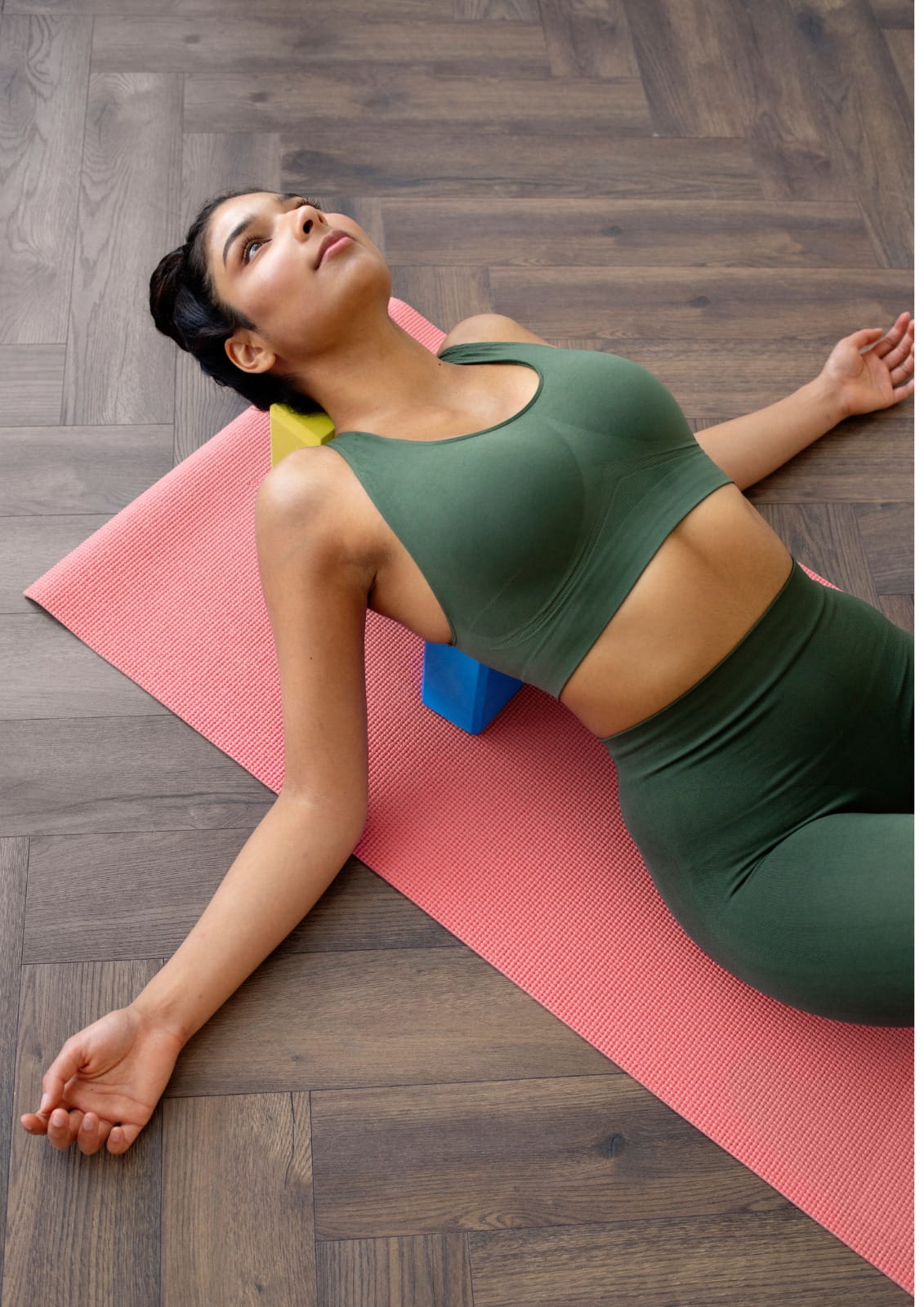
Safety & Medical Disclaimer: Treatment results and duration may vary depending on individual condition, symptom severity, and adherence to the recommended therapy plan. All Pelvic Floor Therapy treatments are provided by DHA-licensed physiotherapists at RamaCare Polyclinic, following individualized assessment and evidence-based rehabilitation protocols.
Understanding Pelvic Floor Therapy
What Is Pelvic Floor Therapy?
Pelvic floor therapy is a specialised form of physiotherapy that focuses on strengthening, relaxing, and coordinating the muscles that support the bladder, bowel, and reproductive organs. These muscles play a vital role in continence, posture, and core stability.
Conditions Treated with Pelvic Floor Therapy
Pelvic floor therapy may help with:
- •Urinary incontinence
- •Frequent urination or urgency
- •Pelvic pain or discomfort
- •Post-pregnancy muscle weakness
- •Recovery after childbirth or surgery
- •Pain during sitting or movement
- •Pelvic organ support issues
- •Core weakness and poor posture
Who Needs Pelvic Floor Therapy?
Pelvic floor therapy is recommended for:
- •Women after pregnancy or childbirth
- •Men after prostate or pelvic surgery
- •Individuals with bladder or bowel control issues
- •Patients with chronic pelvic pain
- •Those experiencing core weakness or instability
Treatment Duration & Sessions
Initial Assessment: 30–45 minutes
Therapy Session: 30 minutes
Number of Sessions: Depends on condition
Frequency: 1–2 sessions per week
Quick Facts
The Problem: Pelvic Floor Weakness & Discomfort
Pelvic floor dysfunction can affect daily comfort, confidence, and overall well-being. Many patients delay seeking help due to embarrassment or lack of awareness, leading to worsening symptoms.
Urinary Incontinence
Weak pelvic floor muscles can cause accidental urine leakage during coughing, sneezing, or physical activity. This can affect daily routines, social confidence, and emotional well-being.
Pelvic Pain & Discomfort
Chronic pelvic pain, pressure, or heaviness can interfere with sitting, walking, exercise, or work. Persistent discomfort may also impact mental health and reduce quality of life.
Postpartum & Post-Surgery Issues
Childbirth or pelvic surgeries can weaken pelvic floor muscles, leading to prolapse, urinary issues, or functional limitations. Without proper rehabilitation, these problems may worsen over time.
Sexual Dysfunction
Pelvic floor weakness may reduce sensitivity, cause pain during intercourse, and contribute to sexual dysfunction, affecting intimacy and emotional connection.
Bowel Control Challenges
Weak pelvic muscles can affect bowel control, leading to accidental leakage, constipation, or straining, which may impact daily activities and overall confidence.
Lower Back & Hip Pain
Pelvic floor weakness can contribute to instability in the pelvis and core, causing compensatory strain on the lower back and hips, leading to chronic pain.
Reduced Core Strength & Stability
A weakened pelvic floor often decreases core stability, impairing posture, balance, and the ability to perform physical activities safely and effectively.
Our Solution: Pelvic Floor Therapy in Dubai
Our Pelvic Floor Therapy in Dubai is a specialized program designed to strengthen, restore, and rehabilitate pelvic muscles for improved health and confidence.
Targeted Muscle Strengthening
Through tailored exercises and physiotherapy techniques, we restore pelvic floor muscle tone, support, and functional control.
Pain Relief & Symptom Management
Our therapy alleviates pelvic pain, pressure, heaviness, and discomfort.
Postpartum & Post-Surgical Rehabilitation
Specialized programs support recovery after childbirth or pelvic surgeries, preventing long-term complications such as prolapse, incontinence, or pelvic weakness.
Improves Sexual Function & Confidence
Strengthened pelvic muscles improve sensitivity, sexual function, and overall pelvic health, boosting intimacy and self-confidence.
Safe, Personalized & Effective
Every program is tailored to the patient’s condition, ensuring safe, supervised therapy with long-lasting results.
Enhanced Core Stability & Posture
Pelvic floor therapy strengthens core muscles, improving posture, spinal alignment, and balance, which reduces back pain and supports overall mobility.
Result
Improved pelvic muscle strength, reduced pain and pressure, restored bladder and bowel control, enhanced sexual function, stronger core stability, better posture, and long-term confidence in daily life.
Pelvic Floor Therapy in Dubai: Step-by-Step Healing Journey
Experience specialized Pelvic Floor Therapy in Dubai designed to restore strength, improve bladder and bowel control, and enhance overall pelvic health. Our structured approach ensures safe, effective, and personalized care.
Comprehensive Assessment
We begin with a detailed evaluation to understand your condition and create a tailored therapy plan.
Key Activities
- Review of medical and pelvic health history
- Physical examination of pelvic muscles
- Assessment of bladder, bowel, and core function
- Personalized therapy plan development
Targeted Therapy Sessions
Professional therapy sessions focus on strengthening and rehabilitating pelvic floor muscles.
Key Activities
- 1–2 sessions per week based on individual needs
- Guided exercises and manual therapy techniques
- Biofeedback and electrical stimulation if required
- Continuous monitoring and plan adjustments
Home Care & Lifestyle Support
Patients are supported with exercises and lifestyle guidance to maximize therapy benefits.
Key Activities
- Home exercise routines for pelvic strength
- Posture, breathing, and core activation guidance
- Dietary and lifestyle recommendations
- Progress tracking and regular feedback
Follow-Up & Maintenance
Sustained pelvic health is achieved with ongoing monitoring and support.
Key Activities
- Periodic check-ins to assess progress
- Maintenance therapy sessions, if needed
- Adjustments to exercises and lifestyle strategies
- Long-term support for improved quality of life
Clinically Observed Results of Pelvic Floor Therapy in Dubai
Supported by over 15 years of clinical experience and the successful treatment of more than 2,500 patients, our specialized Pelvic Floor Therapy programs in Dubai are designed to restore pelvic strength, improve bladder control, and enhance overall quality of life.
Improves bladder and bowel control
Strengthens pelvic floor muscles effectively
Reduces pelvic pain and discomfort
Supports post-pregnancy and postpartum recovery
Helps manage urinary incontinence
Enhances core stability and posture
Improves sexual health and pelvic function
Non-invasive, personalized, and discreet treatment
Promotes long-term pelvic health and confidence
Pelvic Floor Therapy in Dubai vs. Conventional Pelvic Health Treatment
A detailed comparison highlighting how Pelvic Floor Therapy in Dubai differs from conventional pelvic health treatment approaches.
| Aspect | Pelvic Floor Therapy in Dubai | Conventional Pelvic Health Treatment |
|---|---|---|
| Approach | Treats the root cause by strengthening and retraining pelvic muscles | Focuses mainly on symptom management |
| Treatment Method | Uses guided exercises, manual therapy & physiotherapy techniques | Relies on medications or surgical options |
| Invasiveness | Non-invasive and natural | May involve invasive procedures or long-term medication |
| Side Effects | Minimal to none under professional guidance | Possible drug-related side effects or post-surgical risks |
| Results | Gradual, long-lasting improvement | Often temporary or condition-dependent relief |
| Healing Process | Restores muscle strength, coordination & control | Does not fully retrain pelvic muscle function |
| Rehabilitation Support | Supports core stability and functional recovery | Limited rehabilitation focus |
| Long-Term Benefits | Reduces recurrence and improves quality of life | May require ongoing treatment or intervention |
Why Patients Choose RamaCare for Pelvic Floor Therapy in Dubai
Seeking help for pelvic floor concerns can feel overwhelming, and many people delay treatment due to embarrassment or uncertainty about where to begin. At RamaCare Polyclinic, we provide a supportive, respectful, and confidential environment where patients can discuss sensitive health concerns with confidence and receive the care they deserve.
Our DHA-licensed physiotherapists understand that pelvic floor dysfunction affects every individual differently. Whether you are recovering after childbirth, managing urinary incontinence, experiencing pelvic pain, or undergoing rehabilitation after pelvic surgery, we take the time to understand your symptoms, lifestyle, and treatment goals before creating a personalised therapy plan.
Using evidence-based pelvic rehabilitation techniques, we focus on improving muscle strength, coordination, bladder and bowel control, core stability, and overall quality of life. Every treatment plan is tailored to your needs, and your progress is monitored closely to ensure the most effective and comfortable recovery experience possible.
What You Can Expect at RamaCare
Confidential and compassionate care delivered with professionalism and respect.
Comprehensive assessments to identify the underlying cause of pelvic floor dysfunction.
Personalised treatment plans designed around your symptoms, lifestyle, and recovery goals.
DHA-licensed physiotherapists experienced in women’s and men’s pelvic health rehabilitation.
Guidance on home exercises, breathing techniques, posture, and lifestyle modifications.
Ongoing monitoring and treatment adjustments based on your progress.
A patient-centred approach focused on restoring confidence, comfort, and long-term wellbeing.
Early intervention can often lead to better outcomes and improved quality of life. If pelvic floor symptoms are affecting your daily activities, relationships, confidence, or overall wellbeing, our experienced team is here to support you throughout your recovery journey with compassionate and evidence-based care.
Looking for multi-specialty care in Jumeirah 1? See visiting our Jumeirah 1 clinic for directions, parking and opening hours.
Real Success Stories from Dubai Patients
Verified testimonials from patients who experienced improved pelvic health and quality of life


Average Rating
Google Reviews
Patient Reviews
On Google
Departments
Under one roof
Days a week
Open 10am–10pm
Meet Our Pelvic Floor Therapy Specialists in Dubai
DHA-licensed physiotherapists with extensive experience in advanced pelvic floor therapy .
Comprehensive 1-on-1 Consultation
Individual assessment based on your symptoms, lifestyle and health goals.
Personalised Care Protocol
Evidence-based treatment protocols tailored for comfortable and effective results.
DHA-Licensed Medical Quality
Certified healthcare standards in our modern Jumeirah 1 clinical facility.

Jeena Mathew
BPT, MPT (Physiotherapy)
Musculoskeletal Physiotherapy
8+ Years ExperienceKey Expertise
- Back Pain & Sciatica: Manual therapy and strengthening
- Neck Pain: Joint mobility and posture advice
- Shoulder & Knee Pain: Rehabilitation
Payment & Insurance
- Cash Accepted
- Credit & Debit Cards Accepted
- Flexible Payment Plans Available
- 0% Interest Installments (T&C Apply)
- We Accept Payments via Tabby (Split into Easy, Interest-Free Installments)
Insurance & Reimbursement Policy
- Reimbursement Only – We currently accept insurance on a reimbursement basis.
- Patients are required to make payment at the time of service.
- Detailed Invoices Provided for Claim Submission.
- Complete Documentation Assistance for Smooth Reimbursement Process.

Content Reviewed by Jeena Mathew
Musculoskeletal Physiotherapy Specialist
BPT, MPT (Physiotherapy) · DHA Licensed Physiotherapist • 8+ Years Clinical Experience
Frequently Asked Questions About Pelvic Floor Therapy in Dubai
What is pelvic floor therapy?
Who needs pelvic floor therapy?
Is pelvic floor therapy only for women?
Is pelvic floor therapy painful?
How does pelvic floor therapy help urinary incontinence?
Can pelvic floor therapy help after pregnancy?
How long does pelvic floor therapy take to show results?
How many pelvic floor therapy sessions are required?
Is pelvic floor therapy safe?
Can pelvic floor therapy help with pelvic pain?
Is there any downtime after pelvic floor therapy?
Can pelvic floor therapy improve core strength?
Are exercises provided for home practice?
Why choose ramacarepolyclinic for pelvic floor therapy in Dubai?
How can I book pelvic floor therapy in Dubai?
Complete Physiotherapy Services
Book Pelvic Floor Therapy in Dubai Today
Restore your pelvic floor fitness naturally with trusted Pelvic Floor Therapy at RamaCare Polyclinic—safe, personalized, and focused on long-term results for a healthier you.
Get In Touch
Call Us
+971 04 286 2006
Chat with us instantly
query@ramacarepolyclinic.com
Clinic Address
12 Al Dhiyafah Rd - Jumeirah Terrace Building,
Ground Floor, Jumeirah 1 - Dubai
Clinic Hours
Request Appointment
DHA Licensed
Certified Physiotherapy Facility
Experienced Team
15+ Years Combined
4.8/5 Google Rating
217 reviews
4.8/5 Google Rating
217 reviews