
Electrotherapy in Dubai for Pain Relief & Muscle Recovery
Advanced Physiotherapy Treatment for Pain, Muscle Stiffness & Rehabilitation
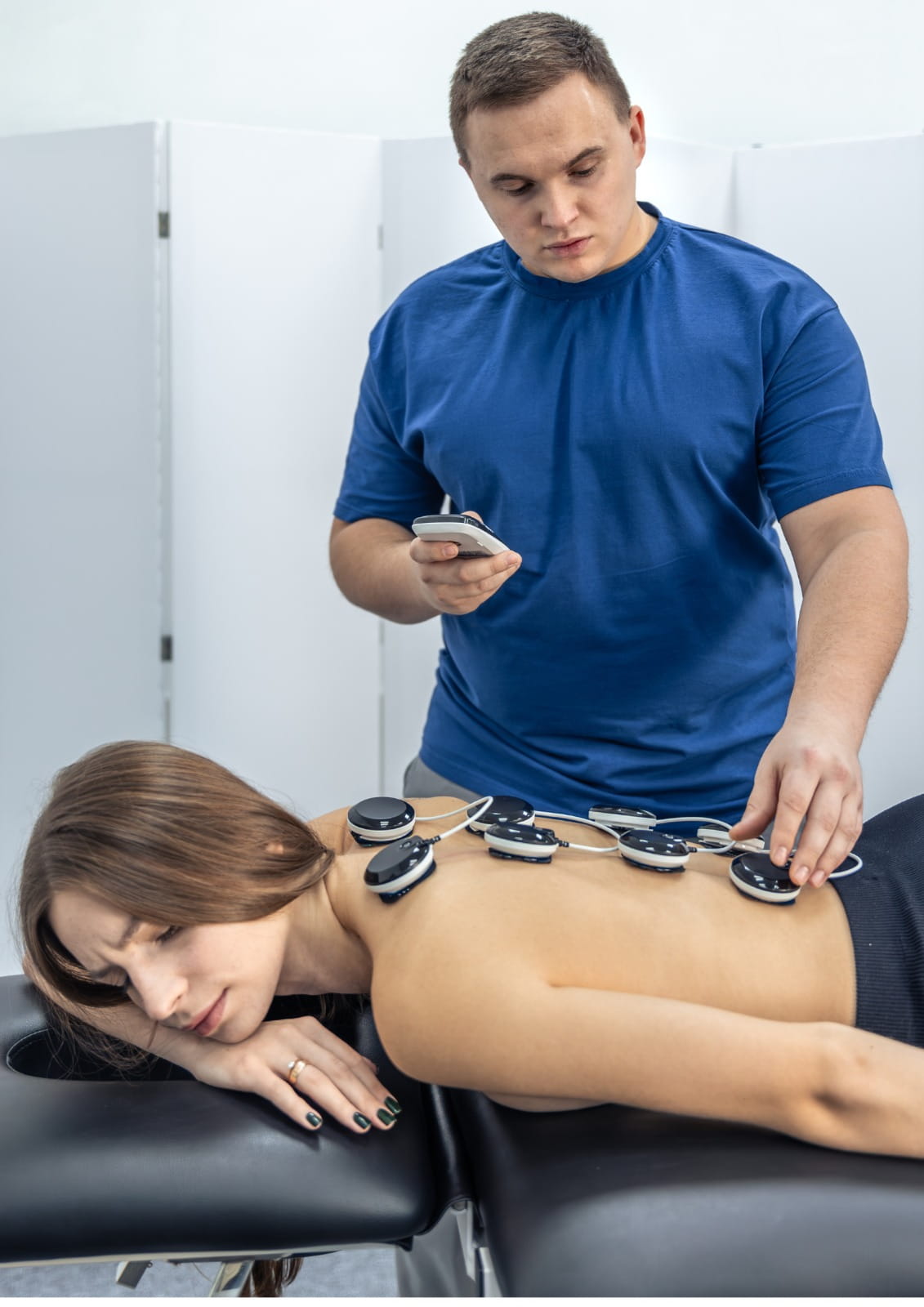
If you are experiencing back pain, neck stiffness, muscle tension, sports injuries, muscle weakness, or difficulty recovering after physical strain, Electrotherapy in Dubai may be recommended as part of a personalized physiotherapy and rehabilitation program. At RamaCare Polyclinic, our DHA-licensed physiotherapists use appropriate electrotherapy techniques alongside clinical assessment, therapeutic exercise, and other rehabilitation approaches according to each patient’s condition and recovery goals.Electrotherapy uses controlled electrical stimulation delivered through electrodes placed on the skin.Depending on the modality and treatment goal, it may help manage pain, support muscle activation, reduce muscle spasms, and complement rehabilitation. Electrotherapy may be used as part of physiotherapy care for conditions such as back and neck pain, muscle stiffness, sports injuries, selected nerve-related symptoms, joint problems, and post-surgical rehabilitation.Treatment suitability, intensity, duration, and frequency are determined by the physiotherapist after assessing your symptoms, medical history, physical function, and rehabilitation needs.
Safety & Medical Disclaimer: Electrotherapy is not suitable for every patient or every condition. Treatment recommendations depend on the patient’s medical history, symptoms, physical assessment, and the specific electrotherapy modality being considered. Treatment outcomes and recovery timelines vary between individuals.
Understanding Electrotherapy
What Is Electrotherapy?
Electrotherapy is a physiotherapy modality that uses controlled electrical stimulation to influence nerves and muscles through electrodes placed on the skin.
Different forms of electrotherapy may be used for different rehabilitation goals. Depending on the technique selected, electrical stimulation can be used to support pain management, muscle activation, muscle relaxation, and functional rehabilitation.
Electrotherapy is generally used as part of a broader physiotherapy plan rather than as a standalone solution. Your physiotherapist may combine it with therapeutic exercises, stretching, mobility work, manual techniques, posture correction, and home-based rehabilitation when appropriate.
At RamaCare Polyclinic, the treatment approach is personalised according to your condition, symptoms, physical limitations, and recovery objectives.
Types of Electrotherapy Used
Depending on the patient’s condition and rehabilitation requirements, a physiotherapist may recommend different forms of electrical stimulation, including:
- •TENS (Transcutaneous Electrical Nerve Stimulation): Commonly used as part of pain-management programs.
- •EMS (Electrical Muscle Stimulation): May be used to support muscle activation and strengthening.
- •IFT (Interferential Therapy): May be used for pain management and as part of selected rehabilitation programs.
- •Muscle Stimulation: May support activation of weak or underused muscles when clinically appropriate.
- •Nerve Stimulation: May be incorporated into rehabilitation where stimulation is considered appropriate for the patient’s condition.
The specific modality and settings are selected by the physiotherapist following assessment.
Conditions That May Be Managed With Electrotherapy
Electrotherapy may be incorporated into physiotherapy programs for a range of musculoskeletal and rehabilitation concerns, including:
- •Back and neck pain
- •Muscle spasms and stiffness
- •Selected joint pain
- •Sports injuries
- •Muscle weakness
- •Shoulder and knee problems
- •Selected nerve-related symptoms
- •Post-surgical rehabilitation
- •Reduced mobility
- •Recovery following physical strain
Electrotherapy is not appropriate for every condition. A physiotherapy assessment helps determine whether electrical stimulation is suitable and whether another treatment approach or a combination of therapies would be more appropriate.
Who May Benefit From Electrotherapy?
Electrotherapy may be considered for patients experiencing:
- •Acute or persistent musculoskeletal pain
- •Muscle tightness or spasms
- •Muscle weakness or reduced activation
- •Limited movement or stiffness
- •Certain rehabilitation-related mobility limitations
- •Recovery needs following injury or surgery
- •Selected nerve-related symptoms
Your physiotherapist will assess the underlying problem rather than relying on electrotherapy alone. The treatment plan may include exercises and other physiotherapy techniques to address movement, strength, flexibility, and functional limitations.
How Long Does an Electrotherapy Session Take?
The duration of treatment varies according to the selected modality, treatment area, and overall physiotherapy plan.
At RamaCare, the initial assessment may take approximately 20–30 minutes, while the electrotherapy component may be shorter and integrated into the wider physiotherapy session.
The number of sessions cannot be determined in advance for every patient. Your physiotherapist will recommend a suitable schedule based on your condition and response to treatment.
Quick Facts
The Problem: Pain, Muscle Weakness & Nerve Dysfunction
Pain, muscle weakness, poor posture, nerve compression, and chronic inflammation can affect mobility, physical performance, sleep quality, and overall quality of life. Many patients rely on temporary pain relief methods that may not address the underlying cause of muscle tension, nerve dysfunction, or reduced mobility. Electrotherapy helps stimulate muscles and nerves naturally while supporting circulation, rehabilitation, and long-term recovery.
Muscle Stiffness & Chronic Pain
Persistent muscle tension, stiffness, and chronic pain can affect the back, neck, shoulders, and joints, limiting flexibility, mobility, and overall physical comfort.
Nerve Compression & Reduced Nerve Function
Conditions such as sciatica, cervical radiculopathy, and nerve irritation may cause tingling, numbness, weakness, and delayed muscle response, affecting movement and daily activities.
Poor Blood Circulation
Reduced circulation may slow oxygen and nutrient delivery to muscles and tissues, increasing fatigue, delaying healing, and prolonging recovery after injury or physical stress.
Inflammation & Tissue Damage
Chronic inflammation and soft tissue injuries can lead to swelling, discomfort, reduced joint movement, and prolonged rehabilitation needs.
Stress & Muscular Fatigue
Mental stress, repetitive work, and poor ergonomics often contribute to muscle tightness, posture-related pain, headaches, and reduced flexibility.
Joint Degeneration & Wear
Age-related wear, repetitive strain, and untreated injuries may contribute to joint stiffness, cartilage degeneration, arthritis, and chronic discomfort.
Postural Imbalances & Spinal Misalignment
Poor posture and spinal strain place excessive pressure on muscles and nerves, contributing to chronic neck pain, back pain, shoulder tension, and restricted mobility.
Repetitive Motion & Overuse Injuries
Repetitive activities, lifting, sports strain, and overexertion may cause tendonitis, bursitis, muscle fatigue, and recurring musculoskeletal pain.
Sedentary Lifestyle & Weak Muscles
Lack of physical activity and prolonged sitting can weaken muscles, reduce joint support, increase stiffness, and negatively affect long-term musculoskeletal health.
Our Solution: Advanced Electrotherapy in Dubai for Pain Relief & Muscle Recovery
At RamaCare Polyclinic, our electrotherapy in Dubai is designed to reduce pain, improve muscle function, stimulate nerve activity, and support faster recovery through safe and non-invasive physiotherapy care. Using advanced electrical stimulation technology, our DHA-licensed physiotherapists create personalized rehabilitation programs tailored to each patient’s condition, pain severity, and recovery goals. Electrotherapy is widely used in physiotherapy and rehabilitation to help relieve chronic pain, improve mobility, reduce inflammation, strengthen muscles, and restore physical function without surgery or long-term medication use.
Pain Relief & Muscle Relaxation
Reduces pain signals, eases muscle spasms, and provides effective relief from chronic pain and physical discomfort.
Nerve Stimulation & Muscle Activation
Improves nerve communication, activates weak muscles, and restores natural movement patterns.
Improved Blood Circulation
Enhances blood flow and oxygen delivery to support tissue repair and muscle recovery.
Inflammation Reduction & Healing Support
Helps reduce swelling and inflammation while supporting the body’s healing response.
Stress Reduction & Functional Recovery
Relaxes muscles, improves flexibility, and restores mobility during recovery.
Electrotherapy Treatment Process in Dubai
At RamaCare Polyclinic, each electrotherapy treatment follows a structured, personalised process. From initial assessment to progress review, every step is designed around your condition, symptoms, and rehabilitation goals.
Comprehensive Physiotherapy Assessment
Before treatment, the physiotherapist reviews your symptoms, medical history, physical limitations, and rehabilitation goals. This assessment helps determine whether electrotherapy is suitable for you and which modality may be appropriate.
Key Activities
- Medical and treatment history
- Symptom evaluation
- Musculoskeletal examination
- Pain and movement assessment
- Muscle and functional assessment
- Posture and mobility evaluation
- Identification of the appropriate treatment approach
Personalised Electrotherapy Session
If electrotherapy is recommended, electrodes are positioned on the appropriate treatment area according to the selected modality and clinical objective. The physiotherapist controls the stimulation settings and monitors your response throughout the session. You may experience a mild tingling or stimulation sensation depending on the type and intensity of treatment. Treatment should remain within a comfortable and clinically appropriate range. The physiotherapist may adjust the intensity based on your response and treatment requirements.
Rehabilitation and Home-Care Guidance
Electrotherapy may be combined with other physiotherapy interventions to support functional recovery. Your physiotherapist may also monitor your progress and adjust the treatment plan as your condition changes.
Key Activities
- Therapeutic exercises
- Stretching
- Mobility exercises
- Strengthening
- Posture correction
- Ergonomic guidance
- Home exercise programs
- Activity modification
Progress Review
Your response to treatment is reviewed throughout the rehabilitation process. The number and frequency of sessions depend on the diagnosis, treatment goals, response to therapy, and overall rehabilitation plan.
Key Activities
- Pain levels
- Muscle function
- Mobility
- Strength
- Flexibility
- Functional ability
- Ability to perform daily activities
Benefits of Electrotherapy
When appropriately selected and administered as part of physiotherapy, electrotherapy may provide several rehabilitation benefits.
Pain Management
Muscle Activation
Support for Muscle Relaxation
Support During Rehabilitation
Improved Participation in Physiotherapy
Non-Invasive Treatment
Electrotherapy vs Other Physiotherapy Treatments
Electrotherapy is one of several modalities that may be used in physiotherapy. The most appropriate treatment depends on your diagnosis, symptoms, physical assessment, and rehabilitation goals. In many cases, physiotherapy works best through a combination of appropriate interventions rather than relying on one modality.
| Treatment | Main Purpose | Clinical Context |
|---|---|---|
| Electrotherapy | Electrical stimulation for selected pain-management, muscle-activation, and rehabilitation goals | One component within a broader physiotherapy and rehabilitation program |
| Therapeutic Exercise | Strength, mobility, flexibility, balance, and functional recovery | Often the foundation of longer-term physiotherapy rehabilitation plans |
| Manual Therapy | Selected hands-on techniques to support movement and symptom management | Used in combination with exercise and other modalities when appropriate |
| Ultrasound Therapy | Therapeutic ultrasound may be used as part of selected rehabilitation programs | Targets tissue-level circulation and healing support when clinically indicated |
| Dry Needling | A specialised technique that may be used for selected muscular and myofascial problems | Administered only after appropriate assessment and when clinically suitable |
Why Choose RamaCare for Electrotherapy in Dubai?
Choosing an appropriate physiotherapy clinic is an important part of your rehabilitation journey.
At RamaCare Polyclinic, our physiotherapy approach begins with assessment rather than applying the same treatment to every patient.
Our DHA-licensed physiotherapists consider your symptoms, medical history, movement limitations, treatment goals, and response to therapy when developing a rehabilitation plan.
What You Can Expect at RamaCare
Comprehensive physiotherapy assessment
Personalised electrotherapy treatment planning
DHA-licensed physiotherapists
Modern electrotherapy equipment
Individualised rehabilitation programs
Guidance on exercises and home care
Progress monitoring throughout treatment
Patient-focused clinical care
Electrotherapy may be recommended as one component of a broader rehabilitation program designed around your individual needs.
Looking for multi-specialty care in Jumeirah 1? See visiting our Jumeirah 1 clinic for directions, parking and opening hours.
Real Success Stories from Dubai Patients
Verified testimonials from patients who experienced pain relief, improved mobility, and successful rehabilitation outcomes through personalized physiotherapy care.


Average Rating
Google Reviews
Patient Reviews
On Google
Departments
Under one roof
Days a week
Open 10am–10pm
Meet Our Electrotherapy Specialists in Dubai
DHA-licensed physiotherapists with experience in advanced electrotherapy modalities and personalised musculoskeletal rehabilitation.
Comprehensive 1-on-1 Consultation
Individual assessment based on your symptoms, lifestyle and health goals.
Personalised Care Protocol
Evidence-based treatment protocols tailored for comfortable and effective results.
DHA-Licensed Medical Quality
Certified healthcare standards in our modern Jumeirah 1 clinical facility.

Jeena Mathew
BPT, MPT (Physiotherapy)
Musculoskeletal Physiotherapy
8+ Years ExperienceKey Expertise
- Back Pain & Sciatica: Manual therapy and strengthening
- Neck Pain: Joint mobility and posture advice
- Shoulder & Knee Pain: Rehabilitation
Payment & Insurance
- Cash Accepted
- Credit & Debit Cards Accepted
- Flexible Payment Plans Available
- 0% Interest Installments (T&C Apply)
- We Accept Payments via Tabby (Split into Easy, Interest-Free Installments)
Insurance & Reimbursement Policy
- Reimbursement Only – We currently accept insurance on a reimbursement basis.
- Patients are required to make payment at the time of service.
- Detailed Invoices Provided for Claim Submission.
- Complete Documentation Assistance for Smooth Reimbursement Process.

Content Reviewed by Jeena Mathew
Musculoskeletal Physiotherapy Specialist
BPT, MPT (Physiotherapy) · DHA Licensed Physiotherapist • 8+ Years Clinical Experience
Frequently Asked Questions
Answers to common questions about electrotherapy, treatment suitability, session details, and rehabilitation.
What is electrotherapy used for?
Is electrotherapy painful?
How many electrotherapy sessions will I need?
How long does an electrotherapy session take?
Can electrotherapy help with back pain?
Can electrotherapy help muscle weakness?
What is the difference between TENS and EMS?
Can I return to my normal activities after electrotherapy?
Is electrotherapy suitable for everyone?
Is electrotherapy used alone?
Is Electrotherapy Safe?
What Does Electrotherapy Feel Like?
Complete Physiotherapy Services
Book an Electrotherapy Consultation in Dubai
If you are experiencing pain, muscle stiffness, weakness, or mobility limitations, a physiotherapy assessment can help determine the most appropriate treatment approach. At RamaCare Polyclinic, our DHA-licensed physiotherapists assess your condition and develop a personalised rehabilitation plan based on your symptoms and recovery goals. Book your Electrotherapy Consultation in Dubai today.
Get In Touch
Call Us
+971 04 286 2006
Chat with us instantly
query@ramacarepolyclinic.com
Clinic Address
12 Al Dhiyafah Rd - Jumeirah Terrace Building,
Ground Floor, Jumeirah 1 - Dubai
Clinic Hours
Request Appointment
DHA Licensed
Certified physiotherapy clinic
Experienced Team
15+ Years Combined
4.8/5 Google Rating
217 reviews
4.8/5 Rating
Verified Patient Reviews