
Pizhichil Treatment in Dubai, Jumeirah 1
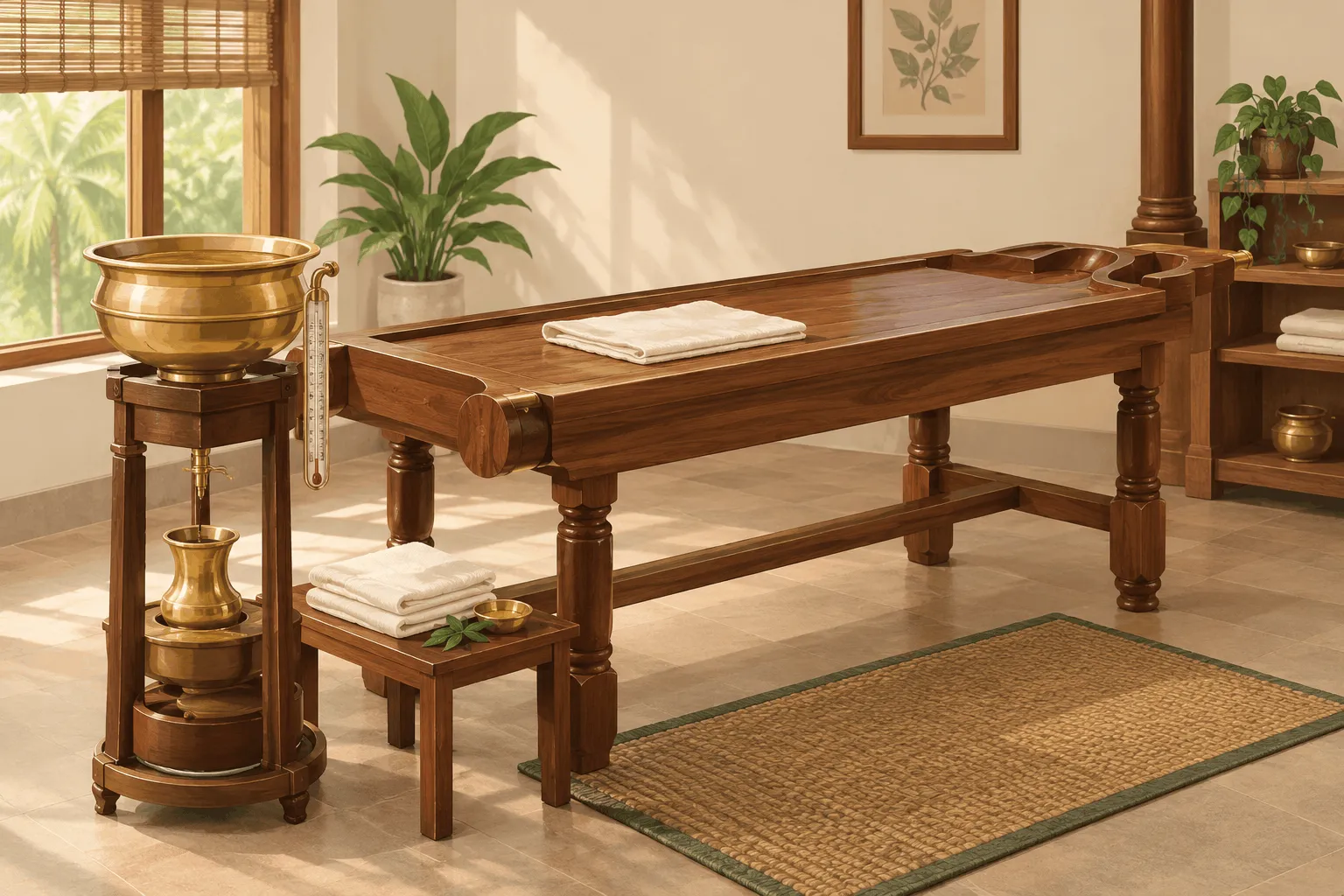
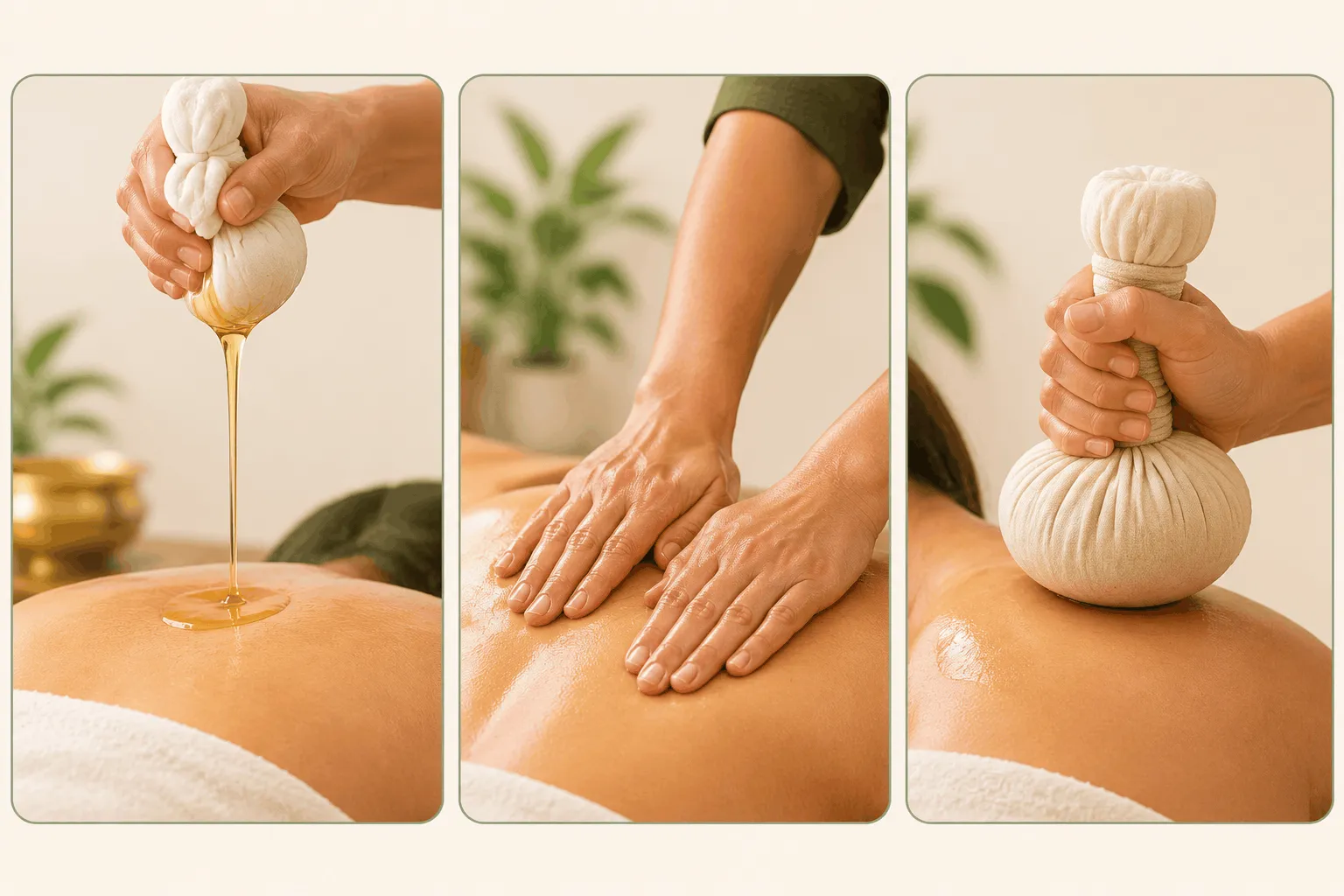
Pizhichil is a traditional Ayurvedic therapy in which warm medicated oil is poured over the body in a steady stream while two therapists massage in a coordinated rhythm. The name comes from a Malayalam word meaning squeezing, a nod to the oil-soaked cloth traditionally used to deliver the flow. It comes from Kerala's Ayurvedic tradition and is sometimes called Sarvanga Dhara or Kayaseka.
If you are searching for Pizhichil treatment Dubai, you probably want to know three things: what happens, whether it might ease stiffness or tension, and whether it is safe. Unlike an ordinary massage, Pizhichil involves continuous warm oil, careful temperature control and an assessment beforehand. It is also a traditional therapy, not a proven cure.
RamaCare Polyclinic lists Pizhichil among the therapies in its Ayurvedic treatments at its clinic on Al Dhiyafah Road in Jumeirah 1, Dubai. Therapies there follow a consultation with the Ayurvedic doctor, so suitability and availability are confirmed with the clinic before you book.
What Is Pizhichil Therapy?
Oleation (Snehana) & Warmth (Swedana)
In classical Kerala Ayurveda, Pizhichil combines two traditional ideas: snehana, the application of oil, and swedana, the application of warmth. Pizhichil delivers both at once. Warm medicated oil is poured, or squeezed from a cloth, over the whole body or a chosen area while the therapists massage. Some people describe it as an Ayurvedic oil bath, and it is one of the best-known traditional Ayurvedic oil treatments in Kerala-style practice.
Why warm oil? In Ayurvedic thinking, oil and heat make the body feel supple and loose. That is a traditional explanation, not a biomedical mechanism. In modern terms the claim is more modest: warmth, touch and a calm, unhurried setting tend to help people relax, at least for a while.
Doctor's Supervision & Calibration
Trained practitioners are central. Descriptions from Kerala institutions commonly involve two therapists working in step under a doctor's supervision, because temperature, flow and pressure need constant adjustment. Protocols differ between traditions, practitioners and clinics. The choice of oil, the temperature, the body positions and the length of a session are clinical decisions rather than fixed rules.
How Is Pizhichil Traditionally Performed?
Practice varies between providers, so treat this as a general outline rather than a description of any one clinic's protocol.
Consultation
The practitioner asks about your symptoms, goals and previous treatment.
Initial dialogue establishes clinical boundaries, patient expectations, and whether warm oil therapy aligns with current medical status.
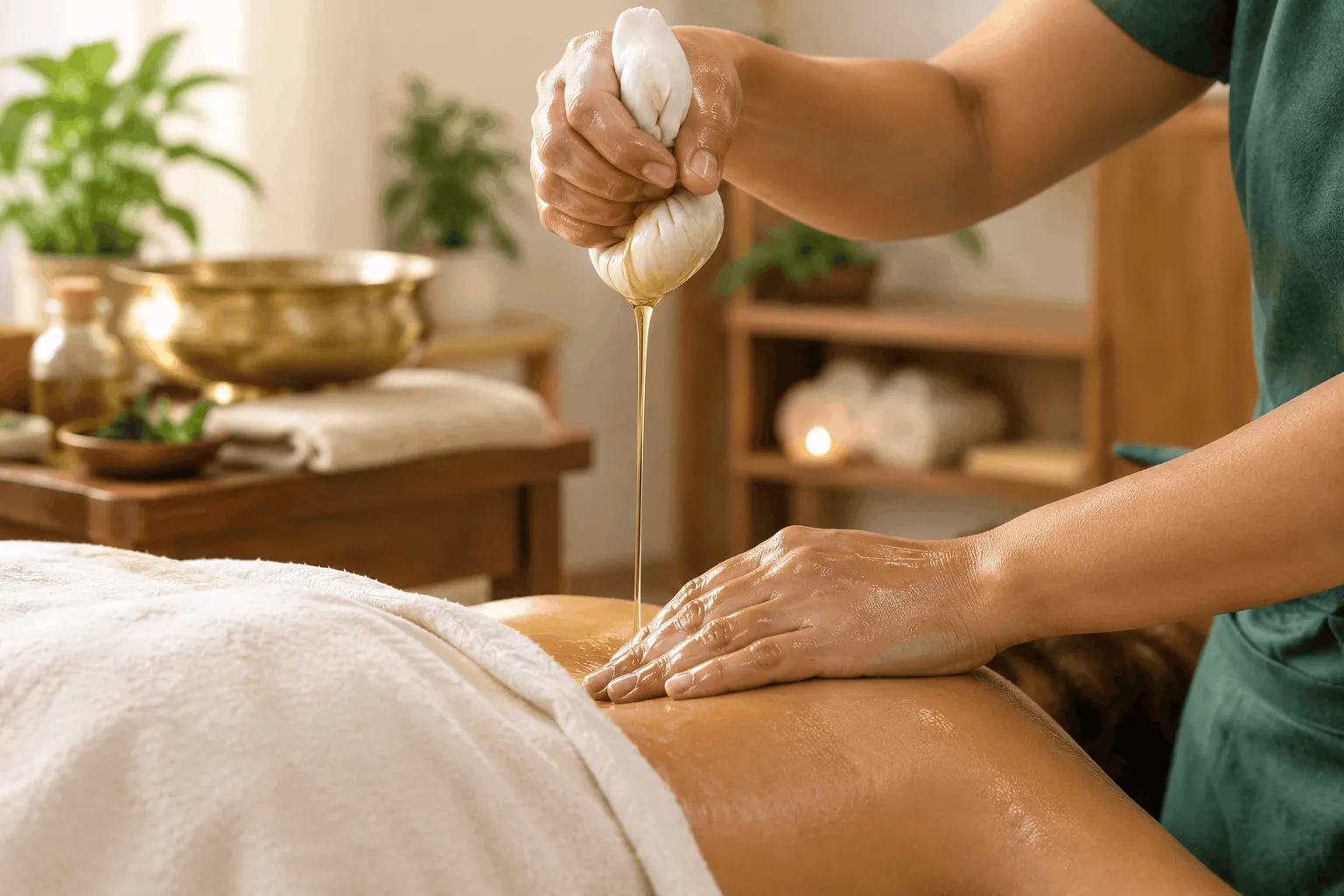
Session length, oil volume, temperature and the number of visits all depend on the protocol and the provider. Some Kerala descriptions mention a run of consecutive daily sessions, while a single session may be offered elsewhere, so ask the clinic what it actually does. This is not something to try at home: heated oil and slippery floors are a poor mix without trained hands.
Potential Benefits of Pizhichil Treatment
Here is what can reasonably be said, with each point labelled by the kind of support behind it.
Relaxation
A plausible short-term effect. Warmth, rhythmic touch and a quiet room help many people unwind. This is a general response to massage-type care rather than something specific to Pizhichil.
Temporary muscle comfort
A plausible short-term effect. Some people feel looser afterwards. How long it lasts varies, and it should not be mistaken for treating the cause of tension.
Stiffness and discomfort
Traditional use. Ayurvedic texts describe warm oil therapies for stiffness, but good-quality trials specific to Pizhichil are limited.
The experience itself
Many people value a supervised, unhurried session with a trained practitioner. That counts for something, but it is not a clinical outcome.
Pizhichil does not treat the underlying cause of a medical condition, and results differ from person to person. Anyone promising detoxification, permanent relief or guaranteed improvement is going beyond the evidence.
Pizhichil for Joint Stiffness and Muscle Discomfort
People explore warm oil therapies for stiffness because the sensation is soothing and the tradition is long. It helps to separate two ideas: feeling more comfortable for a while, and treating why the stiffness is there. Pizhichil may offer the first to some people. It does not repair joints, restore damaged nerves or treat arthritis.
Persistent or unexplained pain needs assessment. Stiffness can come from overuse, posture, inflammation, injury or a joint condition, and the right care depends on which. Where evidence-based treatment is indicated, such as physiotherapy, medication or imaging, that should lead.
Pizhichil for Back and Neck Discomfort
Back and neck discomfort has many causes, including muscle strain, desk posture, disc problems, nerve irritation and joint wear. Not every pain pattern suits heated oil, and a therapy that feels good for tight muscles may be the wrong choice for something else.
If symptoms are persistent or keep returning, get a clinical assessment first. Physiotherapy often plays a central role, and RamaCare's Ayurvedic doctor can point you to the physiotherapists in the same building. If back pain is your main concern, the clinic's page on back pain treatment is a better starting point.
- Weakness or numbness in an arm or leg
- Loss of bladder or bowel control
- Fever, or pain after a significant fall or accident
- Unexplained weight loss
- Chest pain, or pain that is rapidly getting worse
Pizhichil is not a substitute for diagnosis, physiotherapy or prescribed treatment.
Who May Consider Pizhichil?
Pizhichil may be worth asking about if you are an adult curious about traditional Ayurvedic therapies, if you want to understand an oil-based treatment before deciding, or if you live with stiffness or discomfort and have already had medical advice. None of these groups is automatically suitable. That depends on your health history, symptoms, skin condition, sensitivity to heat and the protocol proposed. A treatment that suits one person can be wrong for another, which is why assessment comes first.
Who Should Avoid It or Seek Medical Advice First?
Pizhichil may be unsuitable, or need extra precautions, if you have:
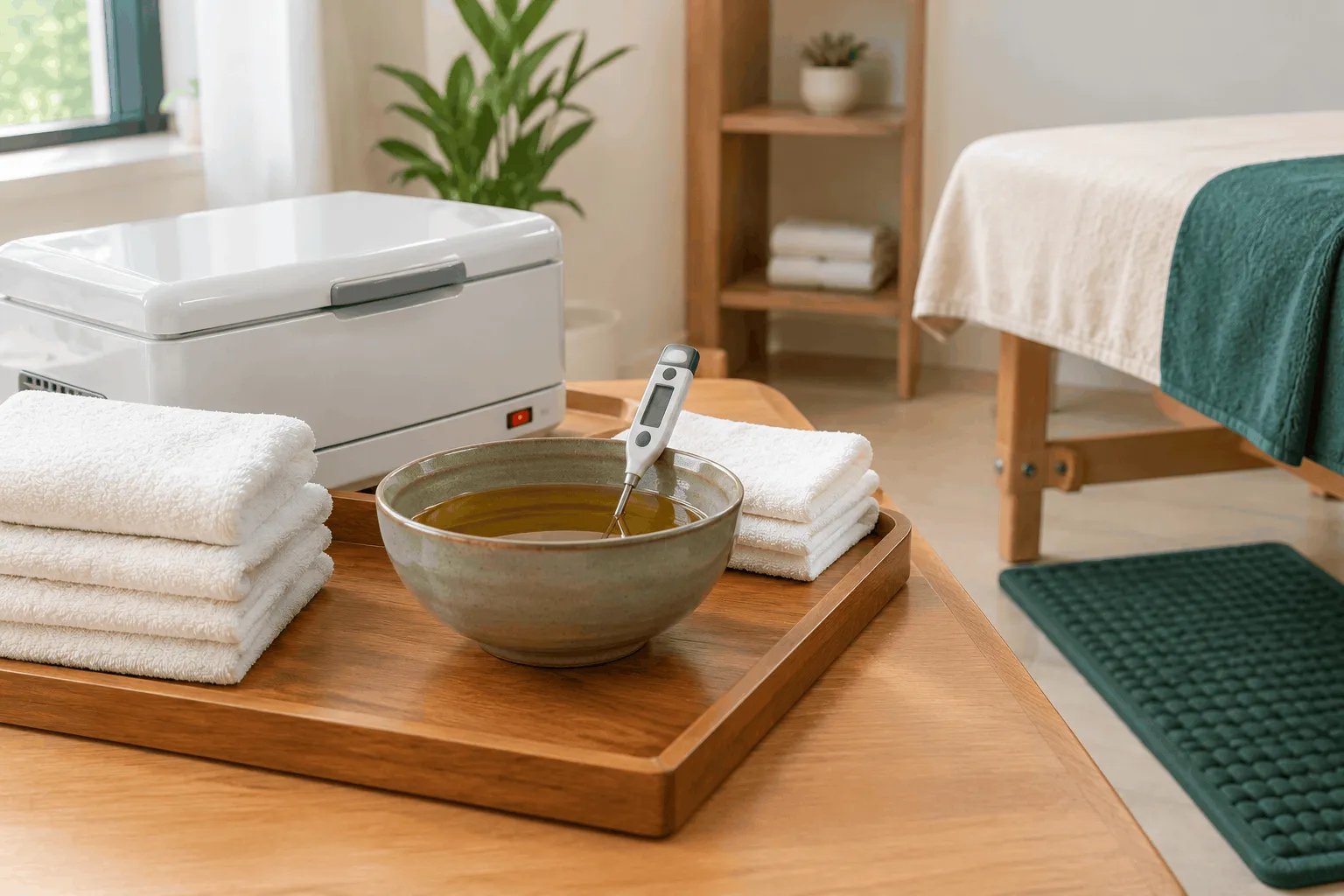
This list is not exhaustive. Risks of any warm oil therapy include burns from oil that is too hot, skin irritation or allergy, bruising or tenderness from manual techniques, dizziness, and slips on oily floors. A qualified professional should review your situation before treatment, and you should tell the therapist straight away if anything feels too hot or uncomfortable.
What Happens During an Initial Consultation?
A responsible consultation covers your main symptoms and goals, medical history and current medication, allergies, skin conditions and heat sensitivity, and previous treatments and diagnoses. It should also decide whether you need medical assessment first, and include an honest discussion of expected comfort, limitations, risks and alternatives. You should be asked for informed consent and told that you can stop at any point.
At RamaCare, the first Ayurvedic appointment is with Dr. Shamna Keloth Meethal, who reviews your history and medicines and carries out a Prakriti assessment before recommending therapies. Bring your prescriptions and any recent reports.
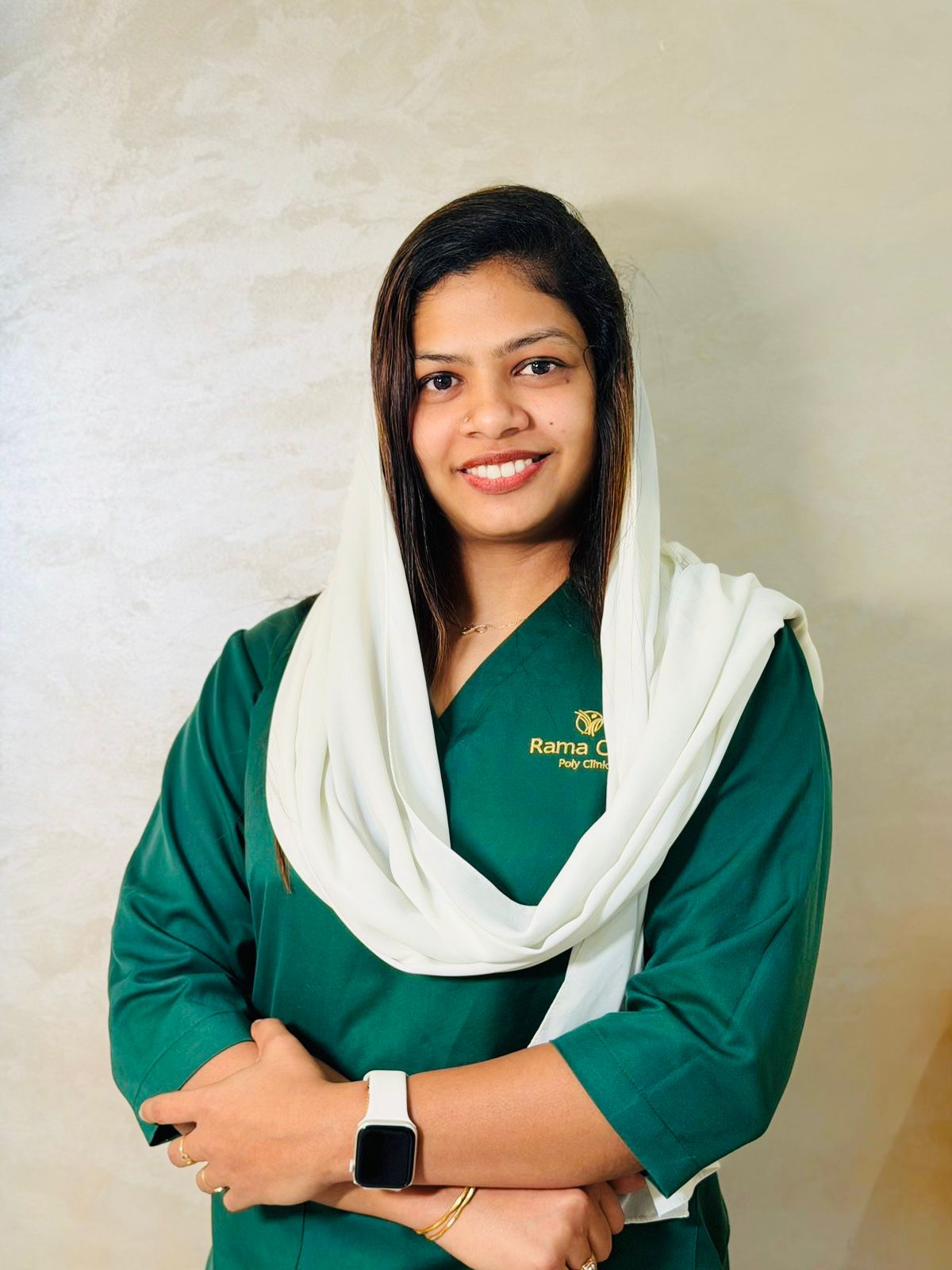
Dr. Shamna Keloth Meethal
Ayurveda Doctor (BAMS)
DHA-Licensed • RamaCare Polyclinic Jumeirah 1
Pizhichil Compared With Other Ayurvedic Therapies
Many Ayurvedic therapies in Dubai use oil and warmth, which makes them easy to confuse. Pizhichil is sometimes marketed as a Pizhichil massage, but the pouring is what sets it apart.
| Therapy | Technique | Traditional focus |
|---|---|---|
PizhichilCurrent Page Continuous Oil Stream (Sarvanga Dhara) | Continuous warm oil poured over the body with simultaneous massage | Whole body or a chosen area |
| Manual Warm Herbal Massage | Oil massage by hand, without continuous pouring | General oil massage of the body |
| Herbal Pouch Compress Therapy | Warm herbal boluses or poultices pressed onto the body | Stiff muscles and joints |
| Cranial Stream Relaxation | A slow stream of warm oil over the forehead | Head-centred relaxation |
In short, Abhyanga centres on massage, Pizhichil adds poured warm oil, and Kizhi uses warmed herbal boluses instead. Shirodhara is a different, head-focused experience. None is universally better, and they are not interchangeable. Your doctor decides which, if any, suits you.
What Should You Expect After Treatment?
Give yourself time to notice how your body responds, and avoid rushing straight into a demanding schedule. Keep your skin clean as your practitioner advises. Report persistent irritation, burning, dizziness or unusual discomfort to the clinic. Do not assume that soreness or a flare-up means the treatment is working; it may mean the opposite. Seek medical attention for concerning symptoms such as chest pain, sudden weakness or severe pain. Do not expect a detox effect, and follow only the restrictions your practitioner actually gives you.
Choosing an Ayurvedic Clinic for Pizhichil in Dubai
Whoever you choose, these questions help you judge a provider for Pizhichil treatment in Dubai:
Are the clinic and the practitioners licensed? In Dubai you can check licences on the DHA Sheryan directory.
Is Pizhichil genuinely offered, and who performs it?
How is suitability assessed, and what would rule you out?
How are oil temperature, hygiene and comfort managed?
Are risks and limits explained honestly?
Will the clinic refer you for medical assessment when needed?
Are advertising claims realistic, with no promises of cures?
A polyclinic setting can help, because a medical or physiotherapy opinion is down the corridor rather than across the city. Whatever you decide, be wary of any Ayurvedic clinic in Dubai that guarantees results.
Pizhichil Treatment at RamaCare Polyclinic
RamaCare Polyclinic is a DHA-licensed clinic at 12 Al Dhiyafah Road, Jumeirah Terrace Building, Ground Floor, Jumeirah 1, Dubai. Its Ayurveda department lists Pizhichil alongside Abhyanga, Kizhi, Shirodhara and Panchakarma. Every patient first sees Dr. Shamna Keloth Meethal (BAMS), and therapies are given by a Kerala-trained, DHA-licensed therapist of the same gender as the patient, in the spirit of Kerala Ayurvedic treatment in Dubai. The clinic is open every day from 10am to 10pm. You can read more about visiting the Jumeirah 1 clinic.
For Ayurveda treatment in Jumeirah 1, ask the team whether Pizhichil suits you, how long a session takes and when appointments are available:
Benefit from immediate inter-departmental collaboration with our General Physician and Physiotherapists under the same roof.
Frequently Asked Questions About Pizhichil Treatment Dubai
Closing Summary and Next Step
Pizhichil is a traditional Ayurvedic therapy in which warm oil is poured over the body alongside coordinated massage. For some people it offers relaxation and temporary comfort. Claims beyond that rest on tradition and limited evidence, which is why a good provider is candid about both. Suitability depends on your health, your symptoms and your skin, so the assessment matters more than the name of the therapy.
Pizhichil Treatment Dubai
RamaCare Polyclinic • Jumeirah 1