
PRP Hair Treatment Recovery: What to Expect Day by Day
Booking a PRP session is the easy part. What most people actually worry about afterward is recovery — how much downtime to plan for, whether it's safe to wash their hair the next morning, and when it's okay to hit the gym again. If you've searched "PRP hair treatment recovery," you're probably trying to plan around it rather than just wondering out of curiosity, and that's a smart way to approach any treatment.
The good news is that PRP (Platelet Rich Plasma) recovery is generally mild compared to more invasive hair restoration procedures. Still, recovery isn't identical for everyone — your scalp sensitivity, how your body responds to the injections, and how closely you follow aftercare instructions all play a role in how smooth those first few days feel.
At RamaCare Polyclinic in Dubai, we walk every patient through exactly what to expect before they leave the clinic, because knowing what's normal (and what isn't) makes the whole recovery process far less stressful. Whether you're already booked in or still exploring hair loss treatment in Dubai options, this guide covers the full PRP hair treatment recovery timeline — from the first 24 hours through the months that follow — along with aftercare instructions, common mistakes to avoid, and honest answers to the questions patients ask us most.

What Happens After PRP Hair Treatment?
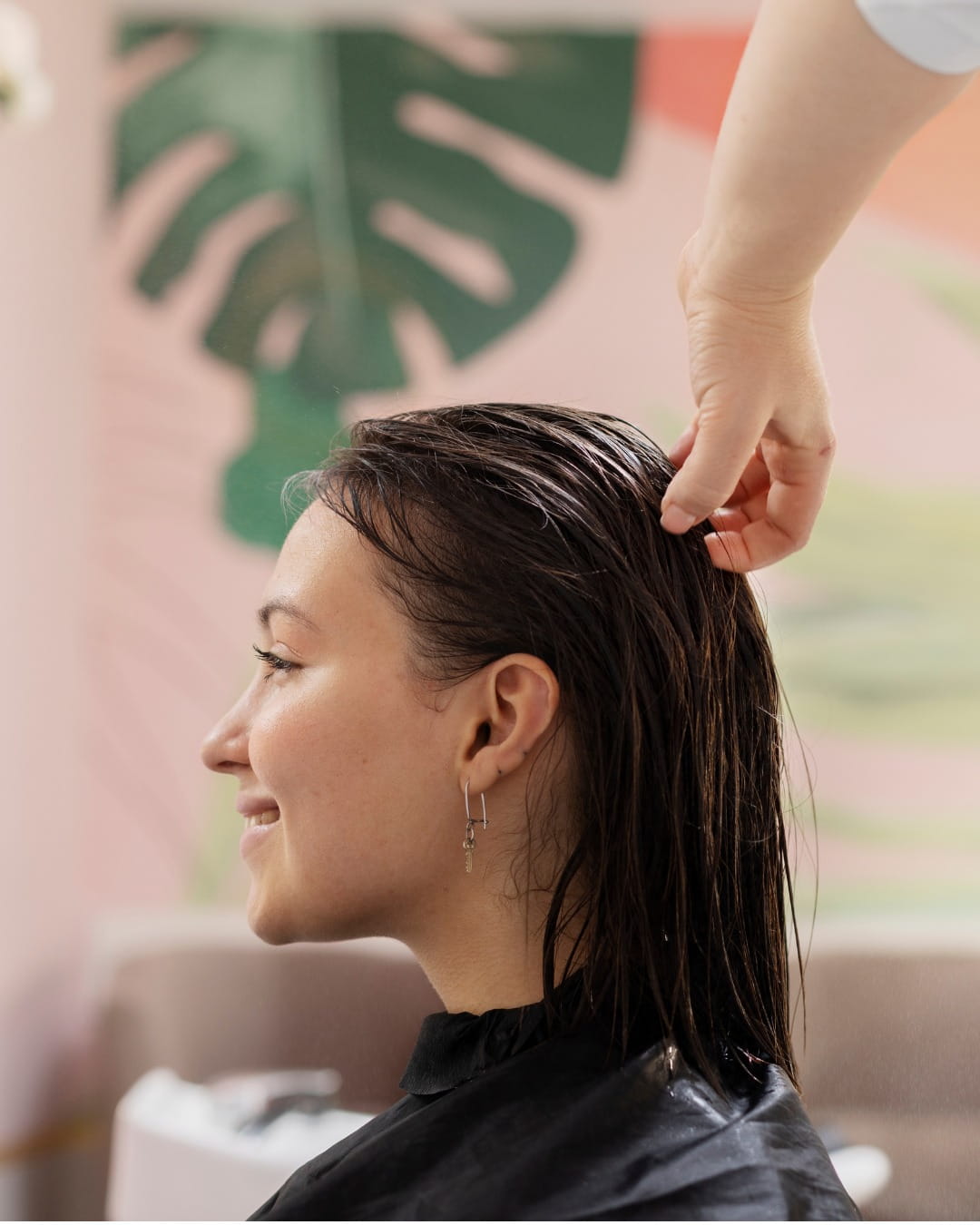
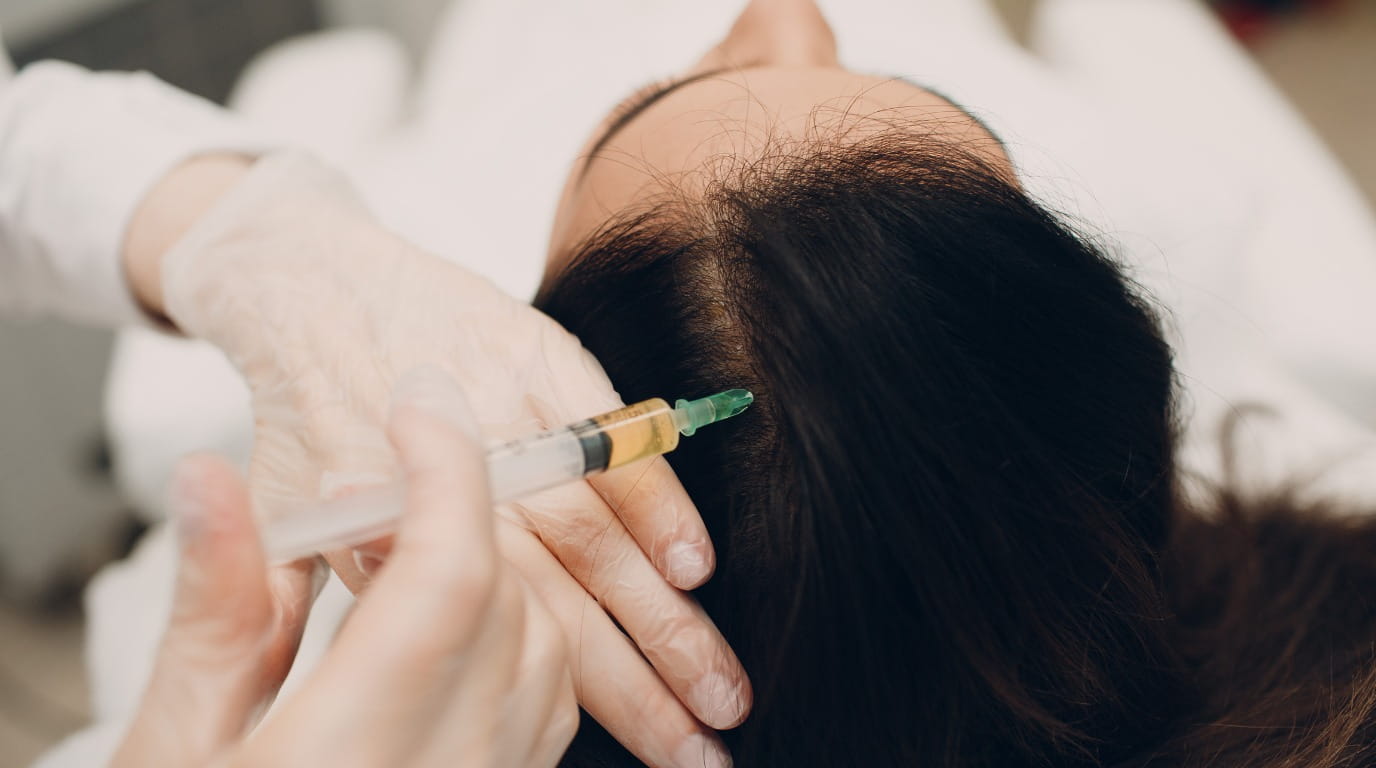
Right after your session, your scalp will likely feel tight, tender, or mildly swollen — similar to how skin reacts after a series of small injections, because that's essentially what's happened. The concentrated platelets are now sitting in the treated areas of your scalp, and your body starts responding to those growth factors almost immediately at a cellular level, even though nothing is visible yet.
Most patients are able to leave the clinic and go about a fairly normal day, which is one of the reasons Hair PRP Treatment in Dubai is popular compared to more invasive hair restoration options. That said, "normal day" doesn't mean zero precautions — a short list of aftercare steps in the first 24 hours makes a real difference to comfort and outcomes.
PRP Hair Treatment Recovery Timeline
Most of the visible recovery — redness, tenderness, minor swelling — resolves within 3 to 5 days. Full biological recovery, where follicles are actively responding, continues quietly for months afterward.
Initial Reactions
Scalp tenderness, tightness, possible mild swelling or redness at injection sites
Discomfort Fades
Swelling and redness typically start improving; mild itchiness as the scalp heals
Resolution
Most visible scalp reactions resolve; scalp returns to feeling normal to the touch
Follicle Transition
Little visible hair change yet; some patients notice slightly increased shedding as follicles cycle
Gradual Regrowth
Gradual, cumulative improvements in hair density become more noticeable
Recovery Stages In Detail
Recovery During the First 24 Hours
The first day is when most of the temporary discomfort happens. It's common to notice:
- Mild to moderate tenderness across the treated scalp
- Small red bumps at injection sites, similar to mosquito bites
- Slight swelling, occasionally extending toward the forehead
- A feeling of tightness across the scalp
Most of this settles within 24 to 48 hours. We generally advise patients to skip washing their hair, avoid touching or scratching the scalp unnecessarily, and skip strenuous activity on day one.
What Is Normal After PRP?
Mild tenderness, small red bumps, slight swelling, and minor itchiness in the first few days are all considered normal. Symptoms that are mild, localized to the scalp, and improving day over day are expected.
Temporary Side Effects
Common, short-lived PRP treatment side effects include:
- Scalp tenderness or soreness
- Mild swelling, sometimes migrating slightly toward the forehead
- Small bruises at injection sites
- Temporary redness
- Mild headache on the day of treatment
These typically resolve within a few days without any specific treatment beyond basic comfort measures like avoiding pressure on the scalp.
Signs You Should Contact Your Doctor
While complications are uncommon with PRP, contact your clinic if you notice any of the following:
- Increasing pain rather than gradual improvement
- Spreading redness or warmth beyond the treated area
- Pus, discharge, or an unpleasant odor at injection sites
- Fever or feeling generally unwell
- Swelling that worsens after day 2–3 instead of improving
Trust your instincts here — it's always better to check in with a qualified hair specialist in Dubai than to wait out something that doesn't feel right.
PRP Hair Treatment Aftercare Instructions
- Avoid washing your hair for at least 24 hours
- Skip strenuous exercise for 24–48 hours
- Avoid touching, scratching, or massaging the scalp
- Skip hair styling products (gels, sprays) for 24–48 hours
- Avoid direct sun exposure on the scalp
- Sleep with your head slightly elevated the first night, if comfortable
- Follow any medication or supplement guidance from your clinician
Following these hair PRP aftercare instructions closely in the first 48 hours tends to make the rest of recovery noticeably smoother.
Activities to Avoid After PRP
For the first day or two, it's best to avoid:
- Intense workouts or activities that cause heavy sweating
- Swimming pools, saunas, and steam rooms
- Coloring or chemically treating your hair
- Alcohol consumption on the day of treatment
- Blood-thinning medications or supplements (unless cleared by your doctor)
Washing Your Hair After PRP
Most clinics recommend waiting at least 24 hours before washing your hair, and using a gentle, sulfate-free shampoo when you do. Avoid scrubbing the scalp vigorously for the first few days — a light, gentle massage-free wash is enough. Hot water can also aggravate tenderness, so lukewarm water is a better choice early in recovery.
Exercise After PRP
Light activity is generally fine the same day, but it's best to wait 24–48 hours before resuming intense exercise. Sweating heavily can irritate freshly treated injection sites and increase the risk of minor infection if bacteria comes into contact with the scalp. A short walk is usually fine; a heavy gym session is better postponed by a day or two.
Sun Exposure and Swimming
Direct sun exposure on an already sensitive scalp can increase irritation, so a hat (worn loosely, without rubbing) or shade is a good idea for the first couple of days. Swimming pools and the ocean should generally be avoided for at least 48 hours, both because of chlorine/salt irritation and because of infection risk at injection sites.
Diet and Nutrition During Recovery
While diet alone won't dramatically change your PRP results, supporting your body with good nutrition is a sensible habit during recovery and beyond:
Adequate protein intake
since hair is largely made of protein
Iron-rich foods
particularly important for patients with any degree of iron deficiency
Hydration
which supports general healing
Reducing alcohol and heavily processed foods
in the days around treatment
Some patients ask about supplements like biotin, zinc, or vitamin D. These may support general hair health, but they aren't a substitute for addressing an underlying cause of hair loss, and megadosing isn't recommended. It's worth discussing any supplement plan with your clinician during your hair PRP consultation, especially if you're taking other medications. If you're also weighing budget alongside your recovery plan, our PRP Hair Treatment Cost in Dubai page breaks down what typically factors into pricing.
Factors That Affect Recovery
Recovery experience varies from patient to patient based on:
Skin sensitivity
some scalps are simply more reactive than others
Number of injection sites
more extensive treatment areas can mean slightly more initial tenderness
Adherence to aftercare
skipping instructions tends to extend discomfort
General health
conditions affecting healing or clotting can influence bruising and swelling
Individual pain tolerance
perception of "mild" versus "moderate" discomfort varies
When Will New Hair Growth Be Visible?
Most patients start noticing early regrowth around 2–3 months post-treatment, with more visible density improvements by months 4–6.
It's important to separate "recovery" (the healing of the scalp itself, done within about a week) from "results" (the biological hair growth process, which takes months). Expecting visible hair growth within the recovery window itself is one of the most common sources of disappointment — not because PRP isn't working, but because expectations were set around the wrong timeframe.
Recovery Tips for Better Results
- Stick closely to your clinic's aftercare instructions, especially in the first 48 hours
- Don't skip or delay follow-up sessions without discussing it with your clinician
- Keep a simple photo log under consistent lighting to track gradual change accurately
- Manage stress and sleep, both of which influence hair growth cycles
- Be patient — the biggest recovery mistake is judging results too early
Ask about complementary options like hair regrowth treatment in Dubai or hair mesotherapy in Dubai if you're looking to support your PRP results further.
Common Recovery Mistakes
- Washing hair too soon and irritating fresh injection sites
- Judging results within the first month, before biological changes have had time to appear
- Skipping aftercare instructions because symptoms feel mild
- Over-exercising in the first 24–48 hours, increasing sweat-related irritation
- Panicking over temporary shedding, which is often a normal part of the cycle reset
- Missing follow-up sessions, which reduces the cumulative benefit of the protocol
PRP Recovery vs Hair Transplant Recovery
If you're weighing these two paths, our team can walk you through both during a consultation, including how each fits your lifestyle and recovery tolerance.
| PRP Recovery | Hair Transplant Recovery | |
|---|---|---|
| Downtime | Minimal — often none | Several days to weeks |
| Visible healing | Mild redness/swelling, days | Scabbing, redness, weeks |
| Return to work | Usually same day or next day | Often several days off recommended |
| Exercise restriction | 24–48 hours | 1–4 weeks depending on procedure |
| Discomfort level | Mild | Moderate, sometimes more with surgical sites |
Why Patients Choose RamaCare Polyclinic for PRP Recovery Support
Personalized consultations
that set realistic recovery and results expectations from day one
Experienced medical professionals
who talk you through exactly what to expect, not just a generic printed handout
Advanced PRP techniques
tailored to your scalp's specific needs
Individual recovery guidance
including how to handle any concerns that come up between sessions
Modern facilities
in a convenient Dubai location, accessible to patients across the city and nearby areas like Jumeirah
Frequently Asked Questions
Ready to Plan Your PRP Recovery?
If you'd like personalized advice on what to expect — before, during, and after treatment — the next step is a one-on-one consultation with our team.
Conclusion
Understanding PRP hair treatment recovery in advance takes a lot of the guesswork — and worry — out of the process. Most of the visible recovery wraps up within about a week, while the deeper biological response that drives actual hair growth unfolds gradually over several months. Following your aftercare instructions closely in those first 48 hours, staying consistent with your session schedule, and giving your scalp realistic time to respond all make a genuine difference in how smoothly your PRP hair treatment recovery goes. If you still have questions specific to your situation, a personal consultation is always the most reliable way to get a clear answer.
Related Hair Treatment Guides
Hair PRP Treatment in Dubai
Explore our core PRP treatment page for a full breakdown of the procedure itself, before you get to the recovery stage.
PRP Hair Treatment Before and After
See a realistic, month-by-month picture of how results typically build once recovery is behind you.
Hair Loss Treatment in Dubai
A broader look at hair loss treatment options if you're still comparing approaches beyond PRP.
Hair Fall Treatment in Dubai
Useful if excessive shedding, rather than pattern thinning, is your primary concern.
PRP Hair Treatment Cost in Dubai
A transparent look at pricing factors, helpful for planning your full treatment and recovery journey.
Hair Regrowth Treatment Dubai
Covers additional treatments that can complement PRP during and after your recovery period.
Hair Mesotherapy in Dubai
Compare mesotherapy's approach and recovery profile against PRP to see which suits your goals.
Content Reviewed by Dr. Sahar Zomorrodi
General Practitioner & Aesthetic Specialist
MD · DHA Licensed General Practitioner • 10+ Years Clinical Experience
Medical Disclaimer
This content is for informational purposes only and does not replace professional medical advice, diagnosis, or treatment. Always consult a qualified healthcare provider regarding any medical condition. Individual results vary, and no specific outcome is guaranteed.