
Hair Regrowth
Treatment Dubai:
Options, Results & Expectations
If your hair has been thinning, your hairline has started to recede, your crown feels sparser than it used to, your part looks wider in photos, you're seeing more hair than usual in the shower drain, or your hair just seems to be growing more slowly and finely — you're probably here because you want to know one thing: can this be fixed, and how?
It's a reasonable question, and it deserves an honest answer rather than a sales pitch. Hair regrowth isn't a single, guaranteed outcome that every treatment produces for every person. Whether — and how much — your hair can regrow depends heavily on what caused the thinning in the first place and on the condition of the hair follicles that remain. Two people with visually similar thinning can have completely different underlying causes, and therefore completely different treatment paths and expected outcomes.
At RamaCare Polyclinic in Dubai, we approach hair regrowth as something that starts with understanding why your hair is behaving the way it is — not with jumping straight to a treatment menu. This page is designed to walk you through what hair regrowth actually means, why hair stops growing normally, what treatment approaches exist (including PRP hair treatment), what timelines are realistic, and how to evaluate whether a clinic is being straightforward with you. We won't promise you a permanent cure or a guaranteed result — no responsible clinic can — but we will give you a clear, medically grounded picture to bring into your consultation.
What Is the Best Treatment for Hair Regrowth?
There is no single treatment that is “best” for everyone. The most appropriate approach depends on the underlying cause of hair loss, its severity and duration, the condition of the remaining hair follicles, your medical history, and your personal goals. For some patients, PRP or nutritional correction may be part of the plan; for others, medical management or a hair transplant may be more relevant; and for some, a combination of approaches is used. The only reliable way to determine the right option for you is a proper hair and scalp assessment with a qualified healthcare professional.

RamaCare Hair Consultation in Dubai
What Is
Hair Regrowth?
“Hair regrowth” gets used loosely online, so it's worth being precise about what it actually means — and what it doesn't.
At its core, hair regrowth refers to new hair emerging from follicles, whether that's a follicle that had gone dormant becoming active again, or a fine, miniaturized hair growing thicker and more visible over time. That's different from a few related but distinct concepts patients often conflate:
Regrowth vs. reduced shedding
Shedding less hair than before is a positive sign, but it isn't the same as new growth — it may simply mean your existing hair is staying on your scalp longer.
Hair density vs. hair thickness
Density refers to how many hairs occupy a given area of scalp; thickness refers to how wide each individual strand is. You can have improved thickness without more density, or vice versa.
Maintenance vs. new growth
Some treatments and habits primarily help maintain the hair you currently have (slowing further loss), which is different from actively stimulating new growth.
Crucial Follicle Fact
It's also important to be direct about something many hair-loss websites gloss over: not all hair loss is reversible. Whether regrowth is possible at all depends on whether there are still living, functioning follicles under the scalp surface. If a follicle has been inactive for a very long time, or has been replaced by scar tissue, no topical, injectable, or oral treatment can bring it back — which is exactly why proper diagnosis has to come before any treatment discussion.
Why Does Hair Stop Growing?
Hair loss and slowed growth can stem from a wide range of causes, often overlapping. Understanding the general categories helps explain why there's no one-size-fits-all treatment.
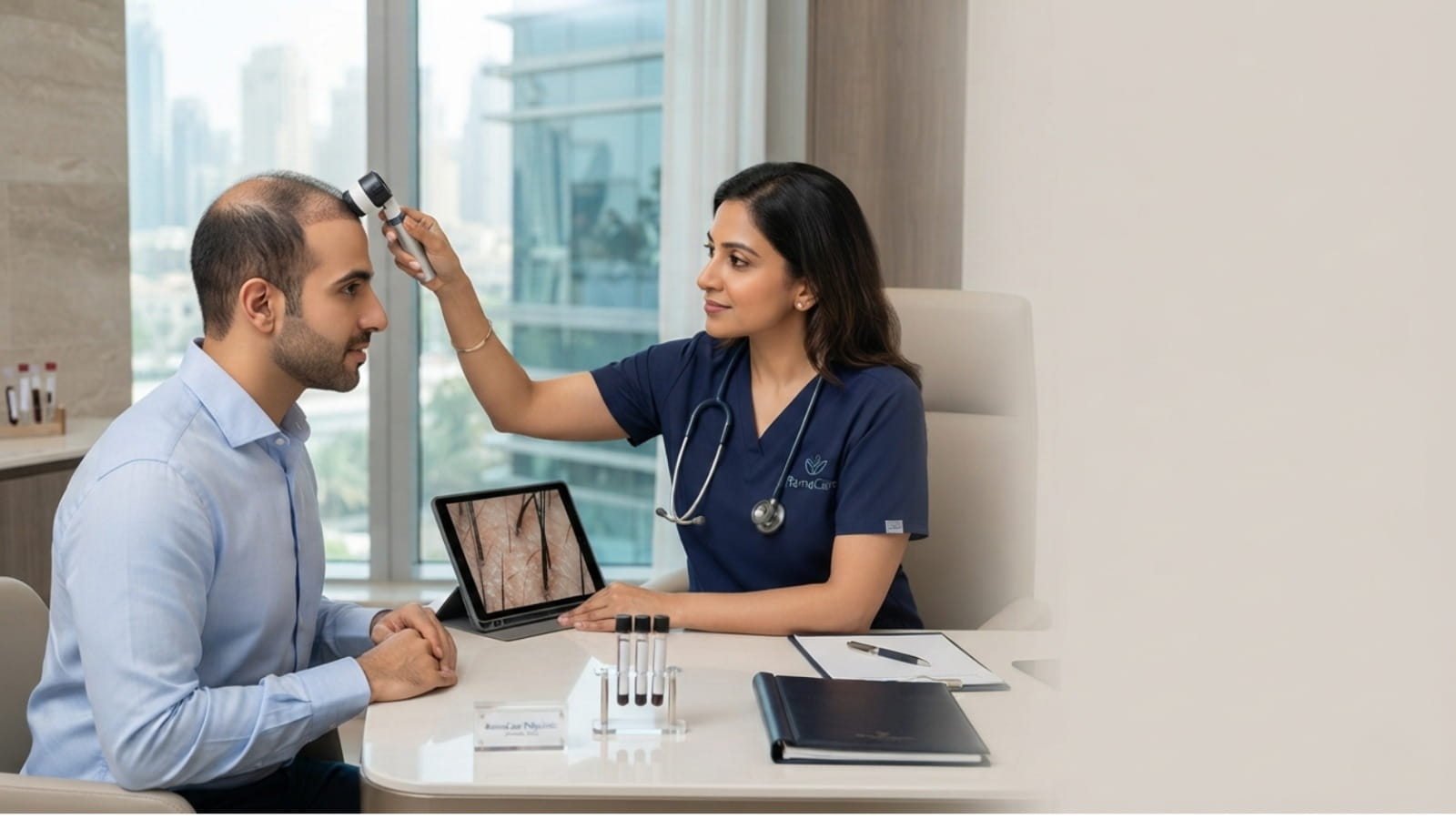
Scalp Examination & Assessment
Genetic Hair Loss
Androgenetic alopecia — commonly known as male or female pattern hair loss — is a genetically influenced, hormone-sensitive process where hair follicles gradually shrink (miniaturize) over time, producing progressively finer and shorter hairs until, in some cases, growth stops altogether. It's one of the most common causes of gradual thinning in both men and women.
Stress
Significant physical or emotional stress can trigger a temporary shedding pattern known as telogen effluvium, where a larger-than-usual number of hairs shift into the shedding phase at once. This type of hair loss is often — though not always — temporary once the underlying stressor resolves.
Nutritional Factors
Certain nutritional deficiencies are associated with hair thinning, including insufficient:
Hormonal Changes
Hormonal shifts can significantly affect hair growth, including those related to:
- Pregnancy — hormonal changes during pregnancy can temporarily affect the hair cycle
- Postpartum changes — many women experience noticeable shedding in the months after childbirth as hormone levels normalize
- Menopause — hormonal shifts during this transition can affect hair density and texture
- PCOS (Polycystic Ovary Syndrome) — hormonal imbalances associated with PCOS can contribute to thinning
- Other hormonal factors, including thyroid-related hormones, discussed further below
Other Influences
- Medications: Certain medications list hair thinning as a potential side effect. If you suspect a medication may be contributing to your hair loss, this should be discussed with the prescribing doctor rather than self-managed.
- Rapid Weight Loss: Significant or rapid weight loss can act as a physical stressor on the body, sometimes triggering temporary shedding similar to stress-related hair loss.
- Aging: Hair naturally tends to thin somewhat with age as part of the normal aging process, independent of other specific causes.
- Traction Alopecia: Hairstyles that place consistent tension on the hair — tight ponytails, braids, or extensions — can gradually damage the follicle and, if prolonged, lead to permanent hair loss in the affected areas.
- Excessive Heat or Chemical Treatments: Frequent heat styling, chemical relaxing, or coloring can weaken the hair shaft over time, contributing to breakage that may be mistaken for hair loss from the root.
Medical & Clinical
Thyroid Problems
Both underactive and overactive thyroid conditions can disrupt the hair growth cycle and contribute to diffuse thinning, which is one of many reasons unexplained hair loss often warrants a broader medical evaluation.
Alopecia Areata
This is an autoimmune condition where the immune system mistakenly attacks hair follicles, often producing patchy hair loss. It behaves very differently from pattern hair loss and typically requires a different diagnostic and treatment pathway.
Scalp Conditions
Various scalp conditions can affect hair growth, including: seborrheic dermatitis, psoriasis, scalp infections, and inflammation of the scalp more generally. Active scalp conditions often need to be addressed before — or alongside — any hair-regrowth treatment, since ongoing inflammation can interfere with the treatment environment.
Hair Growth Cycle
and Regrowth
To understand why regrowth takes time — and why no treatment works overnight — it helps to understand the natural hair growth cycle, which occurs in four stages:
- Anagen (growth phase) — the active phase where the follicle produces hair, typically lasting several years
- Catagen (transition phase) — a brief phase where the follicle shrinks and growth stops
- Telogen (resting phase) — a resting period, typically a few months, before the hair is eventually shed
- Exogen (shedding phase) — the phase where the resting hair is released, making way for a new growth cycle to begin
At any given time, different hairs on your scalp are in different phases of this cycle. Hair regrowth treatments generally aim to influence this cycle — for example, by supporting more follicles in entering or remaining in the anagen phase — which is why meaningful change is measured in months, not days. For more detail, visit our guide to the Hair Growth Cycle.
Anagen
active phase where the follicle produces hair, lasting several years
Catagen
brief phase where the follicle shrinks and growth stops
Telogen
resting period, typically a few months, before the hair is shed
Exogen
phase where the resting hair is released, making way for a new growth cycle
Can Thinning
Hair Grow Back?
This is one of the most common — and most nuanced — questions we hear, and the honest answer is: it depends.
The determining factor in almost every case is whether functioning follicles remain and what originally caused the hair loss. This is general educational information, not a diagnosis — the only way to know which category applies to you is a proper in-person assessment.
Temporary shedding
Temporary shedding (such as stress-related or postpartum shedding) often improves on its own once the underlying trigger resolves, sometimes without any specific treatment.
Early-stage thinning
Early-stage thinning, where follicles are miniaturized but still active, may respond to appropriate treatment and lifestyle changes, though outcomes vary.
Genetic hair loss
Genetic hair loss is progressive by nature; treatment may help slow the process or support existing follicles, but it does not reverse the underlying genetic tendency.
Advanced follicular loss
Advanced follicular loss, where follicles have been inactive for a long period, is much less likely to respond to non-surgical treatment.
Scarring hair loss
Scarring hair loss, where follicles have been structurally replaced by scar tissue, generally cannot regrow hair through medical treatment alone.
Underlying medical causes
Underlying medical causes (thyroid conditions, nutritional deficiencies, certain medications) may improve once the root cause is identified and addressed.
Hair Regrowth Treatment Options
There isn't one universal “hair regrowth treatment” — there's a range of approaches, often used individually or in combination depending on the diagnosis.
PRP Hair Treatment
PRP (Platelet-Rich Plasma) therapy involves drawing a small sample of your own blood, processing it to concentrate the platelets, and injecting that concentrate into thinning areas of the scalp. The idea is that growth factors within platelets may help support the follicular environment. PRP may be considered for certain hair-loss conditions, though candidacy depends on the underlying cause and follicle health, and results — where they occur — typically unfold gradually over multiple sessions, with limitations that should be discussed openly during consultation.
Hair Mesotherapy
Hair mesotherapy involves injecting a formulated solution — often containing vitamins, minerals, or other active ingredients — directly into the scalp. It works through a different mechanism than PRP, since it introduces external formulations rather than concentrating the patient's own blood components. Because the two treatments differ in approach, suitability can vary from patient to patient, and one is not universally “better” than the other.
Medical Management
Some causes of hair loss — such as thyroid dysfunction, hormonal imbalances, or confirmed nutritional deficiencies — may require medical management based on a proper diagnosis. This might involve addressing the underlying condition directly rather than treating the scalp in isolation. We won't list specific medications or dosages here, since that decision belongs in a clinical consultation, not a blog post.
Nutritional and Lifestyle Support
Supporting overall hair health through nutrition and lifestyle can play a meaningful supporting role, including adequate protein intake, balanced, varied nutrition, sufficient sleep, stress management, gentle hair care practices, and good scalp hygiene. Lifestyle measures support a healthy environment for hair growth, but they cannot reverse every type of hair loss — particularly genetic or scarring causes.
Hair Transplant
A hair transplant is a surgical procedure that relocates hair follicles from a donor area (usually the back or sides of the scalp, where hair tends to be more resistant to thinning) to areas of significant hair loss. It may be considered when there is stable donor hair and more advanced or localized loss that isn't expected to respond well to non-surgical treatment. Candidate assessment, donor hair evaluation, and a defined recovery period are all part of this pathway — and, as with any hair treatment, diagnosis should always come before deciding on transplantation.
PRP for
Hair Regrowth
Because PRP is one of the more frequently asked-about options, it deserves a closer look. To be direct: PRP cannot regenerate every lost follicle, and it is not a guaranteed solution for every type or stage of hair loss.
What PRP stands for:
Platelet-Rich Plasma — a concentration of platelets derived from your own blood.
PRP Preparation:
The drawn blood is placed in a centrifuge to separate components, creating a highly concentrated plasma rich in growth factors.
How your blood is processed:
A small blood sample is drawn and placed in a centrifuge, which separates the blood components and concentrates the platelet-rich portion for use.
How PRP is applied to the scalp:
The concentrated plasma is injected into areas of the scalp experiencing thinning, typically using a fine needle across multiple small injection points.
Why treatment is planned individually:
The number of sessions, spacing between sessions, and overall protocol are typically tailored to the patient's diagnosis and how they respond, rather than following a fixed universal schedule.
Why results take time:
As explained above, hair growth follows a multi-month biological cycle. PRP doesn't produce instant visible change — any response, where it occurs, unfolds gradually.
What factors influence outcomes:
The underlying cause of hair loss, follicle health, severity and duration of thinning, age, overall health, and individual biological response all play a role — which is why the same treatment can produce different results in different people.
Why follow-up matters:
Ongoing assessment allows your clinician to track your progress, decide whether to continue, adjust, or reconsider the treatment plan, rather than committing to a fixed number of sessions regardless of response.
Hair Regrowth
Treatment Timeline
There is no single universal timeline that applies to every patient — the table below is a general guide, not a guarantee.
Before Treatment
Everything starts with assessment and treatment planning — reviewing your history, examining your scalp, and, where relevant, discussing further diagnostic steps before deciding on a treatment approach.
Immediately After Treatment
Depending on the treatment chosen, you may experience temporary, treatment-related effects such as mild scalp tenderness, redness, or minor swelling. These reflect the treatment process itself, not an indication of how well it's working.
Early Stage
In the initial weeks, visible regrowth should not be expected. The scalp is settling, and any biological response your treatment may be supporting is still in its earliest stages.
Developing Stage
Over the following months, some patients begin to notice gradual changes worth monitoring — shifts in shedding pattern, hair texture, or early signs in consistent progress photos. This is typically when follow-up assessments become clinically useful.
Later Stage
Further along in the treatment course, more noticeable results — where they occur — tend to become apparent. Outcomes still vary considerably between patients and require consistent, ongoing assessment rather than a single end-point evaluation.
| Stage | What May Happen | What Patients Should Know |
|---|---|---|
| Initial | Assessment, diagnosis, and treatment planning take place | This stage determines whether treatment is appropriate at all, and which approach fits your situation |
| Early | Scalp recovers from any procedure; no visible regrowth expected yet | It's too early at this point to judge whether treatment is working |
| Developing | Some patients notice gradual shifts in shedding or texture | Response is inconsistent between patients and best tracked with structured photos and follow-up |
| Later | More noticeable change may become apparent in responders; others see limited change | Continued assessment helps determine whether to continue, adjust, or explore other options |
Factors That Affect
Hair Regrowth
A wide range of factors influence whether — and how much — hair regrowth is achievable:
Cause of hair loss
different causes carry very different regrowth potential
Duration of hair loss
longer-standing thinning may involve more follicle miniaturization
Age
follicle activity and healing response can change with age
Genetics
particularly relevant in pattern hair loss
Follicle condition
whether follicles are dormant but viable, or no longer functional
Scalp health
active inflammation or infection can interfere with treatment response
Hormonal factors
imbalances may need to be addressed for treatment to be effective
Nutritional status
deficiencies can limit the hair's ability to grow well
Overall health
general health status affects healing and biological response
Treatment selection
the appropriateness of the chosen approach for your specific cause
Treatment consistency
attending the full recommended course and follow-ups
Individual response
ultimately, biology varies from person to person
Who May Benefit From
Hair Regrowth Treatment?
Generally speaking, people who may be reasonable candidates for regrowth-focused treatment include those with certain forms of non-scarring hair loss, patients with early or moderate thinning where follicles remain active, and patients whose contributing factors (such as a nutritional deficiency or manageable hormonal imbalance) can be identified and addressed. This is a general pattern, not a diagnosis — suitability always needs to be confirmed through a professional assessment rather than self-identification based on symptoms alone.
Who May Need
a Different Approach?
Some patients are better served by a different strategy than standard regrowth-focused treatment, including those with:
- Advanced follicular loss, where follicles are no longer viable
- Scarring alopecia, where follicle structures have been replaced by scar tissue
- Active scalp disease requiring treatment before any hair procedure
- Unexplained sudden hair loss, which usually warrants diagnostic evaluation first
- Certain medical conditions contributing to hair loss that need direct management
- Situations where transplant or medical management may be more appropriate than injectable or topical treatments alone
This is general information, not a diagnosis of your specific situation — if any of this sounds like what you're experiencing, the right next step is a proper assessment rather than self-selecting a treatment.
Hair Regrowth for Men
In men, thinning commonly presents as a receding hairline, crown thinning, or general diffuse thinning — most often related to male pattern hair loss, a genetically influenced condition. Treatment approaches and expected outcomes depend heavily on the underlying cause, stage of thinning, and individual response, which is why two men with visually similar hairlines may be offered different treatment plans.
Hair Regrowth for Women
Women more often experience diffuse thinning or a widening centre part rather than a receding hairline. Common contributing factors include postpartum shedding, menopause-related hormonal shifts, and other hormonal changes, alongside nutritional factors. Because women's hair loss frequently has an identifiable hormonal or nutritional component, unexplained thinning in women often warrants a broader assessment for underlying causes rather than assuming it's purely genetic.
Treatment Comparisons
PRP vs Hair Mesotherapy
Full PRP vs Mesotherapy Guide| Feature | PRP | Hair Mesotherapy |
|---|---|---|
| Basic approach | Uses concentrated platelets from the patient's own blood | Uses an injected formulation of vitamins, minerals, or other active ingredients |
| Main components | Platelets and plasma from the patient's blood | Externally formulated solution, which can vary by protocol |
| Procedure | Blood draw, processing via centrifuge, then injection | Direct injection of the prepared solution, without a blood draw |
| Treatment planning | Series of sessions, spacing based on individual response | Follows its own protocol and schedule, often clinic-specific |
| Expected timeline | Gradual changes generally assessed over several months | Timeline depends on the specific formulation and protocol used |
| Recovery | Minimal downtime; mild, short-term scalp sensitivity | Generally minimal downtime, varying by formulation |
| Candidate suitability | Depends on hair-loss cause and follicle health | Depends on the specific formulation and patient needs |
| Limitations | Not effective for every cause of hair loss; response varies | Efficacy and consistency can vary depending on formulation |
How to Choose a Hair
Regrowth Clinic in Dubai
Not all clinics approach hair regrowth the same way, and the difference matters. When evaluating a clinic, look for:
Hair Regrowth Treatment Cost in Dubai
We're not going to invent specific prices here, because accurate cost depends entirely on your individual treatment plan. In general, cost tends to be influenced by: the type of treatment selected, the number of sessions recommended, the severity of thinning being addressed, the initial consultation, any diagnostic assessment required, the specific treatment protocol followed, and follow-up requirements built into the plan.
For more detail specifically on PRP pricing structure, see our PRP Hair Treatment Cost in Dubai page, or discuss your specific situation during a consultation.
- Qualified healthcare professionals overseeing your assessment and treatment
- Proper hair-loss assessment, including a review of your history and a scalp examination
- Diagnosis before treatment — not treatment offered before the cause is understood
- Personalized treatment planning rather than a fixed package applied to everyone
- Realistic expectations communicated clearly, including limitations
- Transparent pricing, without pressure to commit before you understand what's involved
- Patient safety prioritized throughout the process
- Follow-up built into the treatment plan, not treated as optional
- Appropriate documentation of your assessment and treatment plan
- No guaranteed-results claims, since no ethical clinic can promise a specific outcome
Red Flags to Watch For
Be cautious of clinics that show any of the following:
- Guaranteed regrowth claims
- “One treatment works for everyone” messaging
- No scalp assessment before recommending treatment
- No review of your medical history
- Pressure to purchase large treatment packages upfront
- Before-and-after images that seem unrealistic or lack context
- No discussion of the treatment's limitations
- Unclear or unverifiable practitioner qualifications
A clinic that's confident in its approach should have no problem being transparent about all of the above.
How to Track
Hair Regrowth
Because meaningful change happens gradually, a structured tracking approach gives you a far more accurate picture than daily observation. Consider:
- Baseline photographs taken before starting any treatment
- Consistent lighting for every photo
- Same camera angle each time
- Similar hairstyle — ideally dry and unstyled
- Same scalp areas photographed each time
- Consistent intervals, such as monthly
- Hair-density observations, noted alongside your photos
- Shedding observations, such as approximate hair counts during washing or brushing
- Professional follow-up, so your clinician can assess your photos and progress objectively
Daily mirror checking tends to make gradual change very difficult to notice — our eyes adapt to slow shifts over time, which is exactly why so many patients underestimate (or overestimate) their own progress without a structured comparison method.
How to Support
Healthy Hair Growth
While no daily habit can reverse every type of hair loss, the following practices support the healthiest possible environment for hair growth:
- Eat a balanced diet with a variety of nutrients
- Consume adequate protein, since hair is largely protein-based
- Avoid excessive heat styling
- Avoid tight hairstyles that place tension on the scalp
- Manage stress where possible
- Maintain good scalp hygiene
- Treat any scalp conditions appropriately, ideally under professional guidance
- Avoid unnecessary supplements taken without a confirmed deficiency
- Follow your clinician's specific treatment instructions closely
Common Hair Regrowth Myths
Myth: Cutting hair makes it grow faster.
Fact: Cutting hair affects the hair shaft, not the follicle beneath the scalp. It doesn't influence how quickly hair grows from the root.
Myth: Every hair-loss problem can be reversed.
Fact: Reversibility depends on the cause and whether functioning follicles remain. Some forms of hair loss, such as advanced scarring alopecia, generally cannot be reversed with medical treatment.
Myth: More supplements always mean faster growth.
Fact: Supplements only help if you have a confirmed deficiency. Taking excess vitamins or minerals without one doesn't speed up growth and can, in some cases, cause harm.
Myth: PRP works for everyone.
Fact: Response to PRP varies significantly based on the cause of hair loss, follicle health, and individual biology. Some patients see limited or no benefit.
Myth: One treatment can permanently restore all lost hair.
Fact: Most causes of hair loss, particularly genetic hair loss, are progressive. Long-term management — not a single fix — is usually the more realistic framing.
Myth: Hair loss only affects older people.
Fact: Hair loss can begin at any adult age and can be triggered by genetics, stress, hormones, nutrition, or medical conditions, regardless of age.
Myth: Expensive treatment automatically means better results.
Fact: Price alone doesn't indicate treatment quality. A thorough assessment and appropriate treatment plan matter far more than cost.
Hair Regrowth Treatment in Dubai
Dubai offers a wide range of clinics providing hair regrowth treatment, and the quality of care can vary significantly depending on how thoroughly a clinic approaches diagnosis and planning. When searching for hair regrowth treatment in Dubai, it's worth prioritizing a hair specialist in Dubai who starts with assessment rather than jumping straight to a treatment menu. A well-run hair clinic in Dubai should be able to explain why a particular approach is being recommended for your specific situation — not simply offer the same package to everyone who walks in.
Given Dubai's climate — high heat, sun exposure, and frequent use of air conditioning — scalp health considerations may also factor into your consultation. Whether you're looking into a hair loss clinic in Dubai for pattern hair loss, postpartum shedding, or unexplained thinning, prioritizing realistic expectations and proper follow-up over dramatic marketing claims will serve you better in the long run.
Why Choose
RamaCare Polyclinic?
At RamaCare Polyclinic, our approach to hair regrowth begins with understanding your specific situation, not assuming a one-size-fits-all path. This generally includes:
- Personalized consultation to understand your history and concerns
- Hair and scalp assessment to help identify contributing factors
- Individualized treatment planning, rather than a fixed universal protocol
- Patient education, so you understand what's realistic at each stage
- A range of hair treatment options, including PRP, discussed based on your situation
- Follow-up guidance to monitor your progress over time
- A convenient Dubai location, making ongoing care practical
Frequently Asked Questions
Hair loss has multiple possible causes, and hair regrowth potential differs significantly between patients. Treatment suitability requires a professional assessment and cannot be reliably determined from online information alone. This page is educational and general in nature and does not replace a consultation with a qualified healthcare professional. If you are experiencing sudden, severe, painful, or patchy hair loss, please seek professional medical evaluation rather than relying on self-assessment.
Book a Hair Regrowth Consultation in Dubai
The most useful next step isn't browsing more before-and-after photos — it's having an honest conversation about your specific hair and scalp with a qualified professional. At RamaCare Polyclinic, our consultations are built around understanding your hair-loss concerns, exploring possible underlying causes, assessing treatment suitability, discussing an expected timeline, and outlining personalized treatment options — without guarantees, pressure, or fear-based sales tactics.
Book a Hair Regrowth Consultation in Dubai to start with a proper assessment, not a generic treatment package.
Related Hair Treatment Guides
A full overview of the PRP procedure, from consultation through to the injection process itself.
A broader look at the range of hair-loss treatment options available beyond regrowth-focused approaches.
Guidance specifically addressing excessive hair shedding and its possible causes.
A breakdown of the anagen, catagen, telogen, and exogen phases underlying how hair treatments work over time.
A detailed guide to the many possible underlying causes of hair loss.
What realistic PRP outcomes and timelines tend to look like.
How to properly interpret progress photography and avoid common comparison mistakes.
What to expect in the days immediately following a PRP session.
The factors that influence PRP pricing and how treatment plans are structured.
An overview of mesotherapy as an alternative or complementary scalp treatment.
A side-by-side comparison of these two injectable scalp treatments.
A comparison of non-surgical PRP and surgical hair transplantation.
What to look for when choosing a hair-loss specialist.
What to expect from a comprehensive hair-loss clinic visit, from diagnosis to treatment planning.
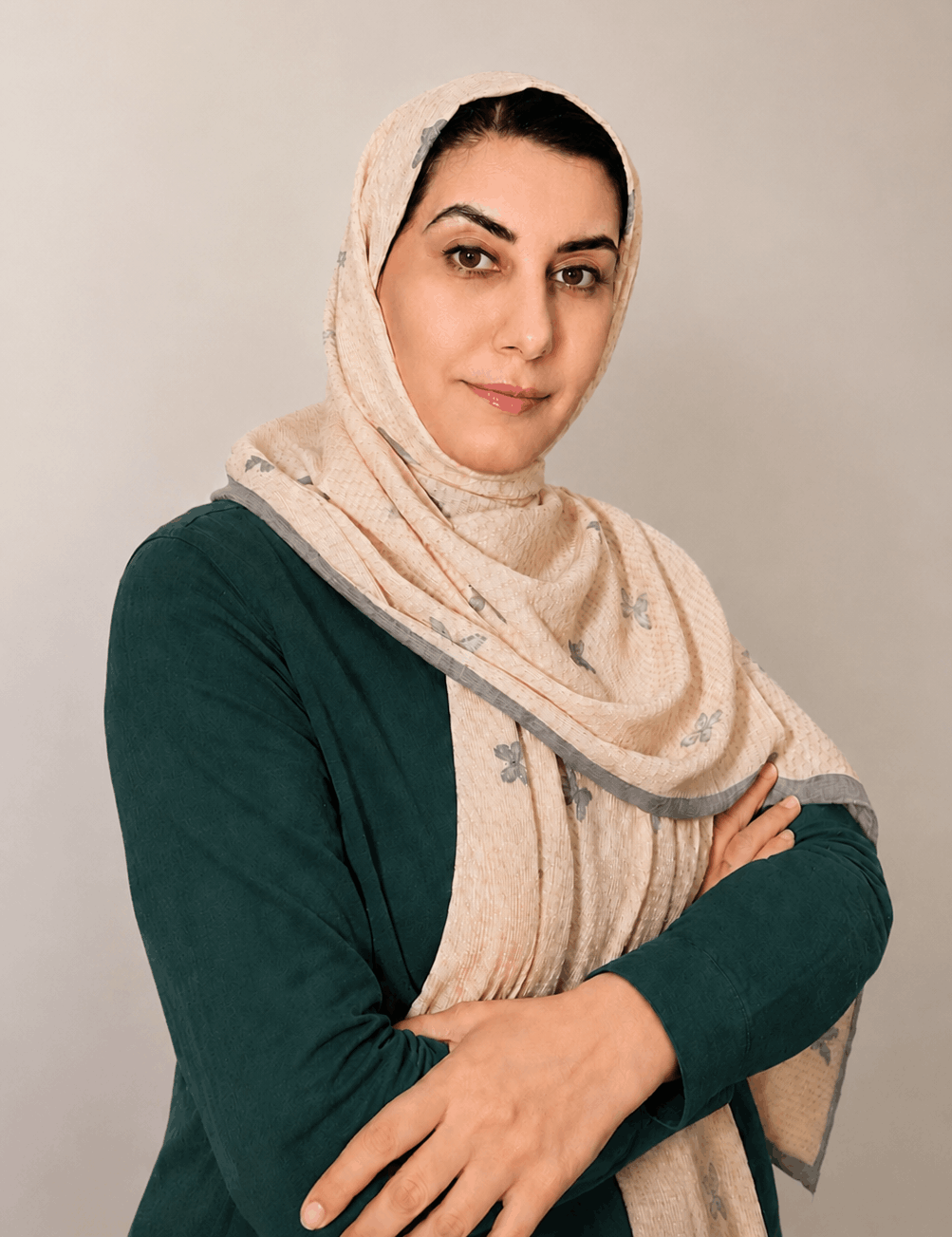
Content Reviewed by Dr. Sahar Zomorrodi
General Practitioner & Aesthetic Specialist
MD · DHA Licensed General Practitioner • 10+ Years Clinical Experience