
PRP vs Hair Transplant in Dubai: Which One Fits Your Journey?
Hair loss is one of the most common concerns people bring to a dermatologist or hair specialist, and it's also one of the most confusing to research on your own. Search "PRP vs Hair Transplant in Dubai" and you'll find dozens of opinions, but very few clear, balanced explanations of how the two treatments actually differ and who each one suits.
Hair thinning can come from several directions — genetics, hormonal shifts, stress, nutritional gaps, or simply age. Because the causes vary so much from person to person, the right treatment isn't the same for everyone either. Someone in the early stages of thinning may respond well to a non-surgical option, while someone with more extensive, long-standing hair loss may need a different approach altogether.
That's really the heart of the PRP vs Hair Transplant in Dubai decision: it's not about which treatment is "better" in the abstract, but which one matches your stage of hair loss, your goals, and your lifestyle. At RamaCare Polyclinic in Dubai, we sit down with every patient to walk through both options honestly, including where each one falls short, before recommending a path forward. This guide breaks down how PRP and hair transplants work, how they compare across results, recovery, cost factors, and candidacy, and how a specialist typically decides which one fits your situation.
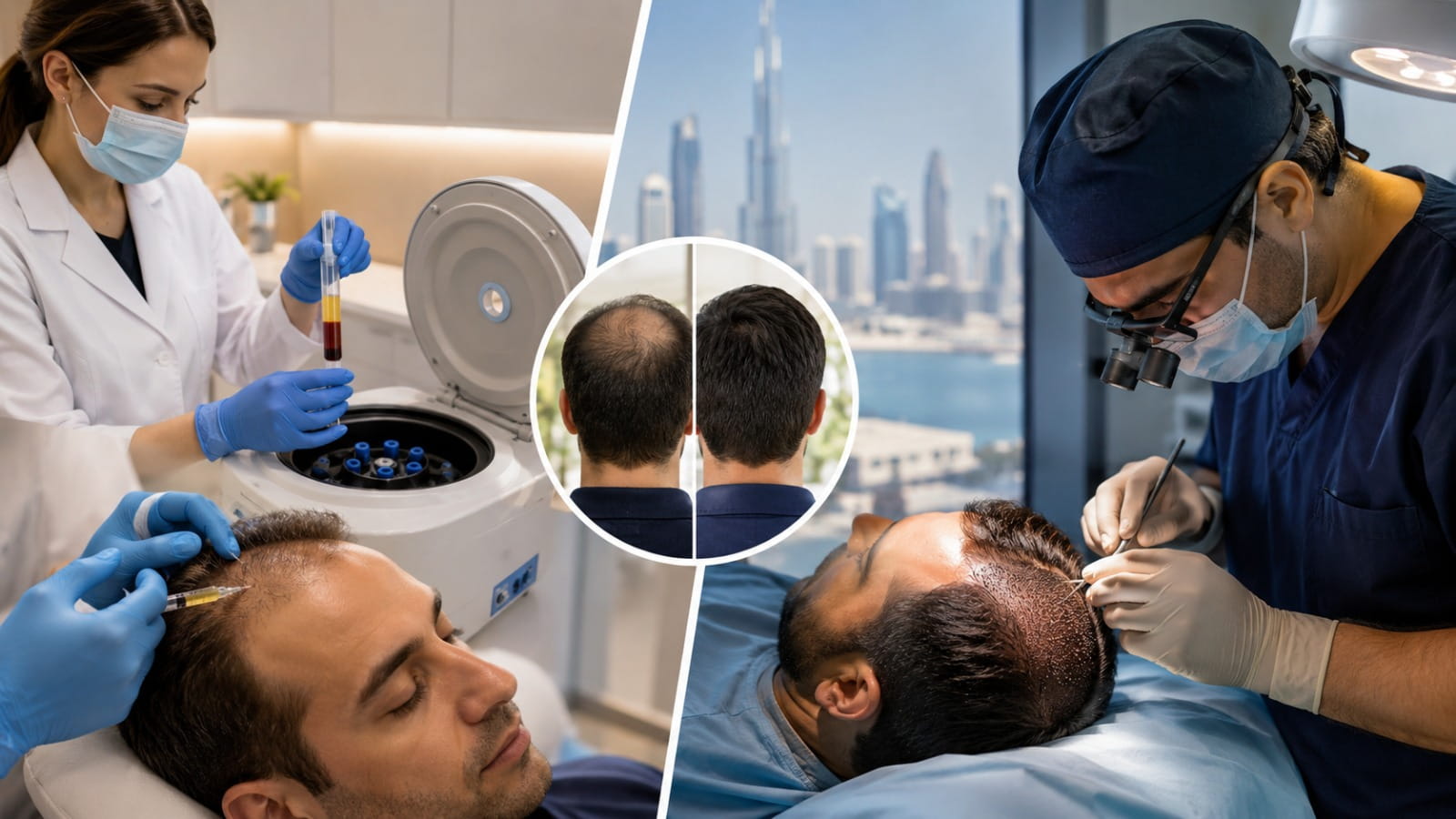
Comparative Insights
Stimulation: Uses concentrated growth factors to revitalize thinning hair and active follicles.
Relocation: Surgically redistributes healthy donor follicles into completely bald regions.
Understanding Hair Loss
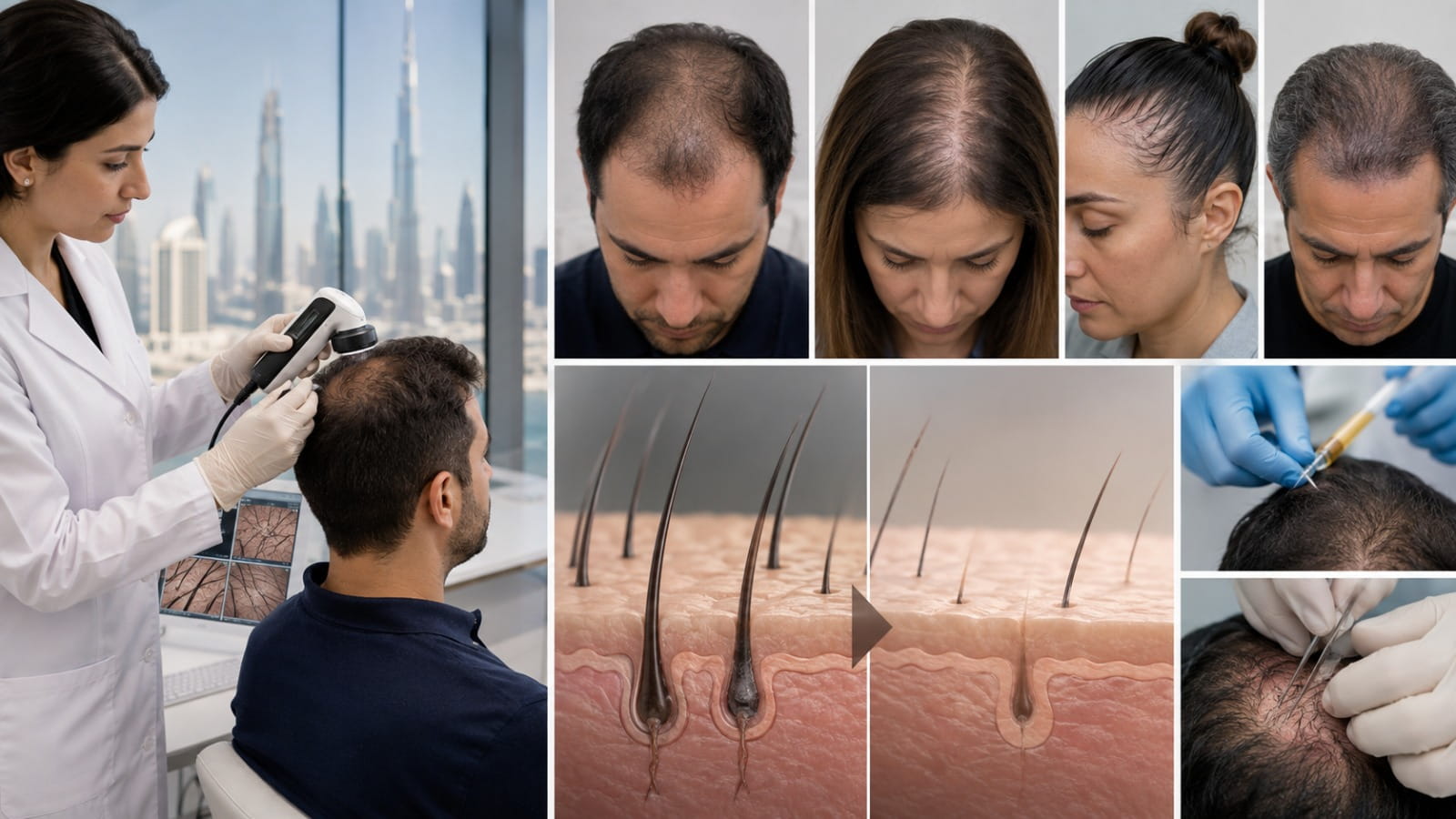
Before comparing treatments, it helps to understand what's actually happening to the hair. Most hair loss falls into a few broad categories:
Androgenetic alopecia (pattern hair loss)
the most common cause in both men and women, driven largely by genetics and hormone sensitivity in the follicles
Telogen effluvium
temporary, diffuse shedding often triggered by stress, illness, or nutritional deficiency
Traction alopecia
gradual thinning caused by tight hairstyles or repeated pulling
Age-related thinning
a natural, gradual reduction in hair density over time
The type and stage of hair loss matters enormously when choosing between treatments. PRP tends to work best where follicles are thinning but still present and active. A hair transplant, by contrast, is designed for areas where follicles have stopped producing hair altogether. A proper diagnosis — not a guess based on how your hairline looks in the mirror — is the starting point for any treatment decision, which is why an initial evaluation with a hair specialist in Dubai is worth doing before committing to either path.
What Is PRP Hair Treatment?
PRP, or Platelet Rich Plasma therapy, is a non-surgical treatment that uses a concentrated portion of your own blood platelets to stimulate hair follicles. It's grown popular as an accessible entry point into hair restoration precisely because it involves no incisions, no grafts, and comparatively little downtime.
Hair PRP Treatment in Dubai is typically offered as a series of sessions rather than a single visit, since the growth-factor stimulation builds gradually over repeated treatments. It's often positioned as a way to slow further thinning and support the health of existing follicles, rather than as a method for creating hair where none currently exists.
What Is a Hair Transplant?
A hair transplant is a surgical procedure that physically relocates hair follicles from a donor area — usually the back or sides of the scalp, where hair tends to be more resistant to hormonal thinning — to the areas experiencing hair loss. Unlike PRP, a transplant can restore visible density in areas that are already bald or significantly thinned, because it introduces new, functioning follicles rather than stimulating existing ones.
The two main techniques are Follicular Unit Extraction (FUE) and Follicular Unit Transplantation (FUT), which differ mainly in how the donor follicles are harvested. Both aim for a natural-looking hairline and distribution, but the choice between them depends on factors like the size of the area being treated and the patient's donor hair characteristics.
How the Treatments Work
A step-by-step comparative look at the clinical biological processes.
How PRP Works
A small blood sample is drawn, similar to a routine blood test
The sample is processed in a centrifuge to separate and concentrate the platelets
The platelet-rich plasma is injected into the scalp, targeting areas of thinning
Growth factors within the platelets are believed to support the follicle's growth phase and improve local blood supply
Because PRP works with your body's own biological signaling rather than introducing new tissue, its effects tend to build gradually across a treatment series rather than appearing after one visit.
How Hair Transplants Work
Mapping the donor area and the recipient (thinning or balding) area
Harvesting individual follicular units (FUE) or a strip of scalp tissue that is later divided into grafts (FUT)
Creating tiny recipient sites in the treatment area, angled to match natural hair growth direction
Placing the harvested grafts into the recipient sites
The transplanted follicles typically shed within the first few weeks — a normal and expected part of the process — before entering a new growth cycle in their relocated position over the following months.
PRP vs Hair Transplant: Key Differences
PRP is a non-surgical treatment that stimulates existing follicles, while a hair transplant surgically relocates active follicles into thinning or bald areas. PRP suits early, diffuse thinning; transplants suit more advanced or localized hair loss.
PRP Hair Treatment
StimulationHair Transplant
SurgeryWhich Treatment Is Better for Early Hair Loss?
For early-stage thinning — where hair is becoming finer or less dense but hasn't disappeared entirely — PRP is often the first option a specialist will discuss. The logic is straightforward: PRP works by supporting follicles that are still active, so it tends to be most effective before those follicles have gone dormant.
This is also the stage where non-invasive hair loss treatment in Dubai options in general tend to offer the most favorable outcomes, since there's more existing biology to work with. Catching thinning early and addressing it proactively, rather than waiting to see how it progresses, generally gives a wider range of treatment choices.
Which Option Is Better for Advanced Hair Loss?
Once an area has been bald for an extended period, the follicles there are typically no longer active, and no amount of biological stimulation can restart something that isn't present. This is where a hair transplant becomes the more realistic option, since it introduces new follicles rather than relying on existing ones.
That said, "advanced" doesn't automatically rule out every non-surgical approach. Some patients with advanced loss in one area still have areas of thinning, rather than complete baldness, elsewhere on the scalp — and a specialist may recommend a transplant for the bald regions alongside supportive treatment for the thinning ones.
PRP vs Hair Transplant Results
PRP typically produces subtler improvements in hair density and thickness, visible gradually over months. Hair transplant results are generally more dramatic and visible, since new follicles are physically placed in previously bald areas — but they also take months to mature into their final appearance.
Recovery Time Comparison
| Feature | PRP Recovery | Hair Transplant |
|---|---|---|
| Typical downtime | Minimal — often none | Several days to a couple of weeks |
| Visible healing | Mild redness or tenderness, days | Scabbing and redness at both donor and recipient sites, weeks |
| Return to work | Usually same day or next day | Often several days off recommended |
| Activity restrictions | 24–48 hours | 1–4 weeks, depending on the technique used |
PRP recovery is generally quick and low-key, which is one reason it appeals to patients who don't want treatment to interrupt their routine. For a detailed, day-by-day breakdown of what recovery actually feels like, see our full guide to PRP Hair Treatment Recovery. Hair transplant recovery takes longer and involves more visible healing, though most of the more noticeable effects — scabbing, redness — resolve within the first couple of weeks.
Procedure & Comfort Profile
Complexity of Procedure
A PRP session is typically completed within an hour and requires no anesthesia beyond a topical numbing agent, if used at all. A hair transplant is a longer, more involved procedure — often several hours, depending on the number of grafts — and requires local anesthesia across the donor and recipient areas. This difference in complexity is part of why the two treatments sit at different points on the invasiveness spectrum, even though both are performed on an outpatient basis.
Pain and Comfort
PRP is generally well tolerated, with most patients describing the sensation as mild pinching or pressure during the injections, and some tenderness afterward. Hair transplants involve more discomfort during the procedure itself, though local anesthesia keeps this manageable, and post-procedure soreness at the donor and recipient sites is common for the first several days. Neither treatment is typically described as severely painful, but transplants involve a longer window of post-procedure sensitivity.
Downtime and Schedule
Downtime is one of the more practical, day-to-day factors patients weigh. PRP's downtime is minimal enough that many patients schedule sessions around a lunch break or a light workday. Hair transplants require more deliberate planning — most clinics recommend at least a few days away from strenuous activity and public appearances, since the donor and recipient areas need visible time to heal before scabbing fully resolves.
Number of Sessions Required
PRP is designed around a series of sessions, typically spaced several weeks apart initially, followed by periodic maintenance visits to sustain results. A hair transplant is usually a single procedure, though very large or advanced cases are sometimes staged across more than one session. This is a meaningful difference in commitment: PRP asks for ongoing visits over time, while a transplant front-loads the commitment into one (or occasionally two) larger procedures.
Longevity of Results
PRP's effects are generally considered to require maintenance — without periodic touch-up sessions, the stimulating effect on existing follicles tends to fade over time. Hair transplant results, by contrast, are generally considered long-lasting, since the relocated follicles typically retain their original resistance to the hormonal factors that caused hair loss in their original location. That said, "long-lasting" doesn't mean "immune to future change" — surrounding non-transplanted hair can continue to thin naturally, which is one reason some patients pursue PRP alongside a transplant to support the hair around the transplanted area.
Can PRP Be Combined?
Yes — this is actually one of the more common approaches in modern hair restoration, rather than an either/or decision. PRP is sometimes used before a transplant to assess how existing follicles respond, and more frequently used after a transplant to support the healing process and encourage the transplanted grafts into their new growth cycle. It may also be used on surrounding non-transplanted areas to help manage ongoing thinning that the transplant itself doesn't address.
Risks & Side Effects Matrix
| Risk Assessment | PRP Therapy | Hair Transplant |
|---|---|---|
| Common, mild effects | Tenderness, minor swelling, temporary redness | Swelling, scabbing, temporary numbness at donor/recipient sites |
| Less common risks | Minor bruising, mild headache | Infection, scarring, unnatural-looking growth if poorly planned |
| Recovery-related risk | Very low | Requires careful aftercare to reduce infection risk |
Both treatments are generally considered safe when performed by qualified professionals, but as with any medical procedure, risks exist and outcomes aren't guaranteed. A thorough consultation should always include an honest discussion of what could go wrong, not just the best-case scenario.
Success Rates
Success for PRP is typically measured in terms of reduced shedding and modest improvements in hair thickness and density — outcomes that are real but incremental, and that vary based on how much active follicle function remains. Success for hair transplants is generally measured by graft survival rate and the naturalness of the final hairline, which depend heavily on surgical technique and the patient's own healing response. Neither treatment can promise a specific numerical outcome for an individual patient, and any provider who guarantees an exact result is a red flag worth taking seriously.
Candidacy Guidelines
Identify which option aligns with your goals and hair condition.
Ideal Candidate for PRP
- Are in the early to moderate stages of thinning, with follicles still active
- Want to slow further hair loss rather than restore density in bald areas
- Prefer a non-surgical approach with minimal downtime
- Are willing to commit to an ongoing series of sessions and maintenance visits
- Have realistic expectations about gradual, modest improvement rather than dramatic transformation
Ideal Candidate for Transplant
- Have areas of significant or complete baldness, not just thinning
- Have a healthy, sufficient donor area to harvest follicles from
- Are looking for a more permanent, one-time solution rather than ongoing treatments
- Are prepared for a longer recovery period and more involved aftercare
- Understand that results take several months to fully mature
Lifestyle Factors That Influence Results
Stress levels
chronic stress can contribute to shedding and may affect how well either treatment performs
Diet and nutrition
adequate protein, iron, and overall nutrition support healthy hair growth cycles generally
Smoking
often associated with poorer healing and circulation, which can affect both PRP response and transplant graft survival
Sun exposure and scalp care
protecting the scalp, especially during recovery, supports better healing
Consistency with follow-up care
skipping recommended maintenance sessions or aftercare steps tends to reduce the durability of results for either treatment
Questions to Ask
- What stage is my hair loss at, and which follicles are still active?
- What outcome is realistic for someone with my specific pattern of hair loss?
- How many sessions or procedures would my treatment plan likely involve?
- What does recovery look like for me specifically, given my lifestyle and schedule?
- What are the risks, and how are they minimized at this clinic?
- Could a combination approach make sense for my case?
- What happens if my hair loss continues to progress after treatment?
Cost Comparison in Dubai
PRP is generally less expensive per session than a hair transplant, but requires ongoing sessions over time, while a transplant involves a larger upfront cost for what's typically a one-time procedure. Actual pricing depends on your specific case.
PRP Cost Influencers
- Number of sessions recommended in your treatment plan
- The extent of the scalp area being treated
- Whether maintenance sessions are bundled into a package
Transplant Cost Influencers
- Number of grafts required
- The technique used (FUE generally involves more time per graft than FUT)
- The surgeon's experience and the clinic's technology
- Whether the case requires more than one session
Because pricing depends so much on individual factors, the most reliable way to understand your own cost is a personal consultation rather than a general estimate. Our PRP Hair Treatment Cost in Dubai page breaks down these factors in more depth if you'd like to explore PRP pricing specifically.
How a Specialist Determines the Right Option
A qualified specialist typically starts with a scalp examination to assess the pattern, stage, and likely cause of hair loss, sometimes supported by diagnostic tools that evaluate follicle density and activity. From there, the discussion usually covers your goals, your tolerance for downtime and ongoing sessions, your donor hair quality (if a transplant is being considered), and any underlying health factors that could affect either treatment.
Why Patients Choose RamaCare Polyclinic
Deciding between PRP and a hair transplant isn't a decision to make from a search engine alone — it deserves a real conversation with someone who can examine your scalp and talk through your specific situation. At RamaCare Polyclinic in Dubai, patients choose us for:
Personalized Consultations
Assessing your specific stage of hair loss before recommending any treatment.
Experienced Medical Staff
Explaining the honest trade-offs of each option, not just the benefits.
Individual Treatment Planning
Creating custom plans, including combined approaches if suited for your case.
Modern Facilities
Located conveniently in Jumeirah 1, easily accessible for patients across Dubai.
If you're also curious about broader options beyond these two treatments, our hair regrowth treatment in Dubai and hair mesotherapy in Dubai pages cover additional approaches some patients consider alongside or instead of PRP and transplants. And if ongoing shedding, rather than pattern baldness, is your main concern, our hair fall treatment in Dubai guide may be a more relevant starting point.
Frequently Asked Questions
Ready to Find Out Which Option Fits You?
The only way to know for certain whether PRP, a hair transplant, or a combination of both is right for you is a hands-on evaluation with a specialist who can examine your scalp and discuss your goals directly.
Conclusion
There's no single right answer to the PRP vs Hair Transplant in Dubai question — the right treatment depends on your stage of hair loss, how much active follicle function remains, your tolerance for downtime and ongoing sessions, and your personal goals. PRP offers a lower-commitment, non-surgical way to support existing hair, while a hair transplant offers a more permanent solution for areas that have already gone bald. For many patients, the most honest answer is that the two aren't strictly competitors — they can work together as part of a broader hair restoration plan. Whichever direction feels right on paper, a personal consultation is the most reliable way to turn that general understanding into a specific, realistic plan for your own hair.
Related Hair Treatment Guides
Hair PRP Treatment in Dubai
Explore the full breakdown of the PRP procedure itself, including what a typical session involves.
PRP Hair Treatment Before and After
See a realistic, month-by-month picture of how PRP results typically build over time.
PRP Hair Treatment Recovery
A day-by-day look at what to expect after a PRP session, from the first 24 hours through full recovery.
Hair Loss Treatment in Dubai
A broader look at hair loss treatment options if you're still comparing approaches beyond PRP and transplants.
Hair Fall Treatment in Dubai
Useful if ongoing shedding, rather than pattern baldness, is your primary concern.
PRP Hair Treatment Cost in Dubai
A transparent look at the factors that typically influence PRP pricing.
Hair Growth Treatment in Dubai
Covers additional treatments that can complement PRP or support results after a transplant.
Hair Mesotherapy in Dubai
Compare mesotherapy's approach and recovery profile against PRP to see which suits your goals.
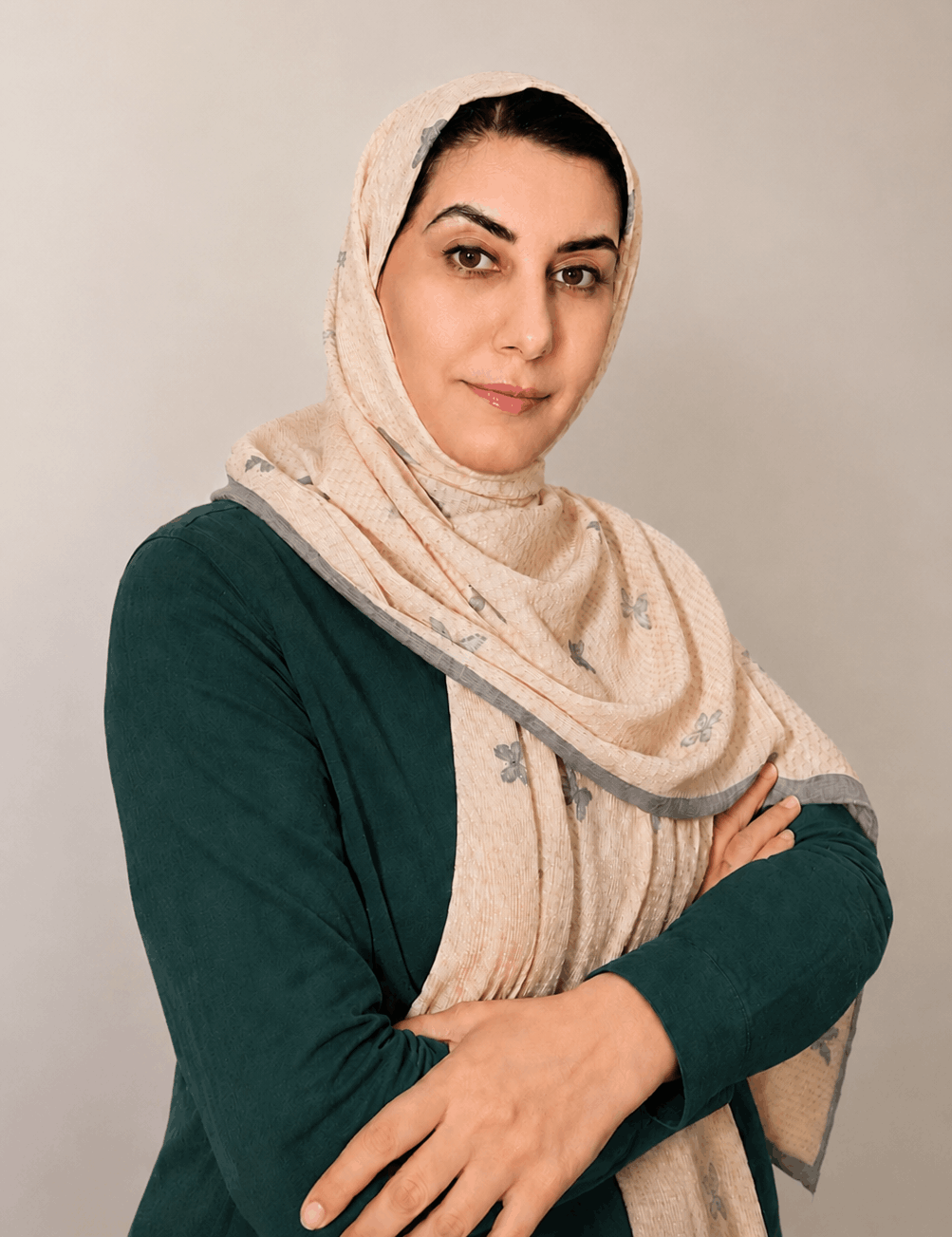
Content Reviewed by Dr. Sahar Zomorrodi
General Practitioner & Aesthetic Specialist
MD · DHA Licensed General Practitioner • 10+ Years Clinical Experience
Not sure which treatment fits your hair loss?
Book a scalp assessment today