
Hair Growth Cycle
Ever wondered why you find hair on your pillow every morning, yet you’re not going bald? The answer lies in the Hair Growth Cycle — a natural, repeating process every strand on your head goes through, whether you notice it or not.
Understanding this cycle isn’t just biology trivia. It’s the foundation for knowing what’s normal shedding, what might be a warning sign, and which treatments actually make sense for your hair concern. Hair loss can happen for many reasons — genetics, hormones, stress, nutrition, or simply time — and each of these factors interacts with the hair growth cycle differently.
At RamaCare Polyclinic in Dubai, we often find that patients feel far less anxious about their hair once they understand how this cycle actually works. Knowing the difference between everyday shedding and a disrupted growth cycle can completely change how you approach treatment — and whether options like PRP or Hair Mesotherapy make sense for you.
This guide walks through the hair growth cycle stage by stage, in plain language, along with the timeline you can realistically expect and how modern treatments work with — not against — your body’s natural process.
Educational Diagram
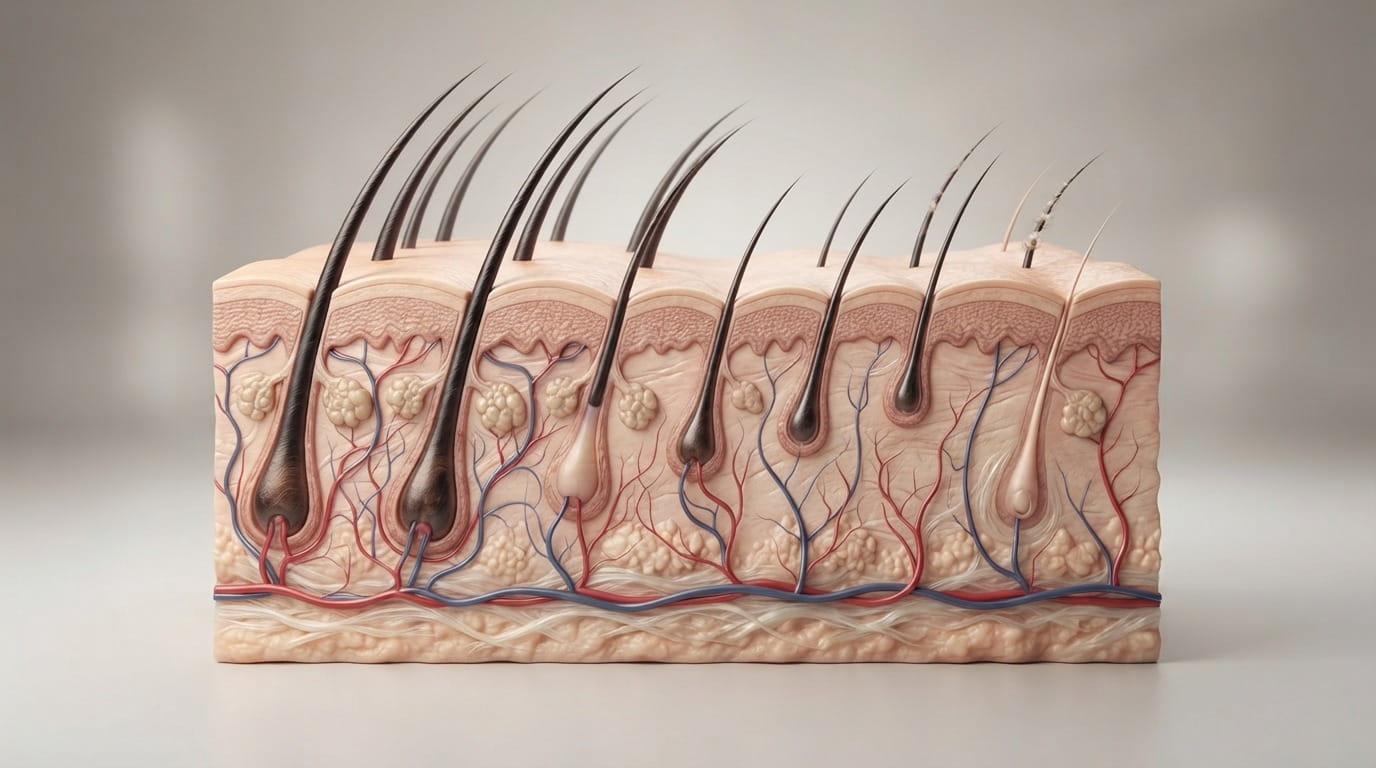
Anagen catagen telogen exogen phases illustration Dubai clinic
What Is the Hair Growth Cycle?
The hair growth cycle is the natural process each hair follicle goes through — growing, transitioning, resting, and shedding — before starting the cycle again. Every follicle on your scalp moves through this cycle independently, which is why you never lose all your hair at once.
Think of your scalp as having thousands of individual follicles, each on its own personal timeline. While one follicle might be in an active growth phase, the one right next to it could be resting or shedding. This staggered pattern is exactly why healthy hair looks full and continuous, even though every strand is quietly cycling through its own stages behind the scenes.
Why the Hair Growth Cycle Matters
Understanding the hair growth cycle helps answer some of the most common questions patients bring to a hair specialist in Dubai:
- Is the hair loss I’m seeing normal, or a sign of something else?
- Why do some treatments take months to show results?
- Why does hair sometimes seem to “shed more” during certain seasons or life events?
- How do treatments like PRP or Hair Mesotherapy actually help?
Without this context, hair loss can feel confusing and alarming. With it, patients tend to make more informed, realistic decisions about their hair growth treatment options.
Hair Follicle Anatomy
Each hair follicle is a small but complex structure embedded in the skin. Key parts include:
- Hair bulb — the base of the follicle where cell division occurs
- Dermal papilla — a cluster of cells that supplies nutrients and signals for growth
- Hair shaft — the visible part of the hair above the scalp
- Sebaceous gland — attached to the follicle, producing natural oils that condition the scalp
- Arrector pili muscle — the tiny muscle responsible for “goosebumps,” attached to each follicle
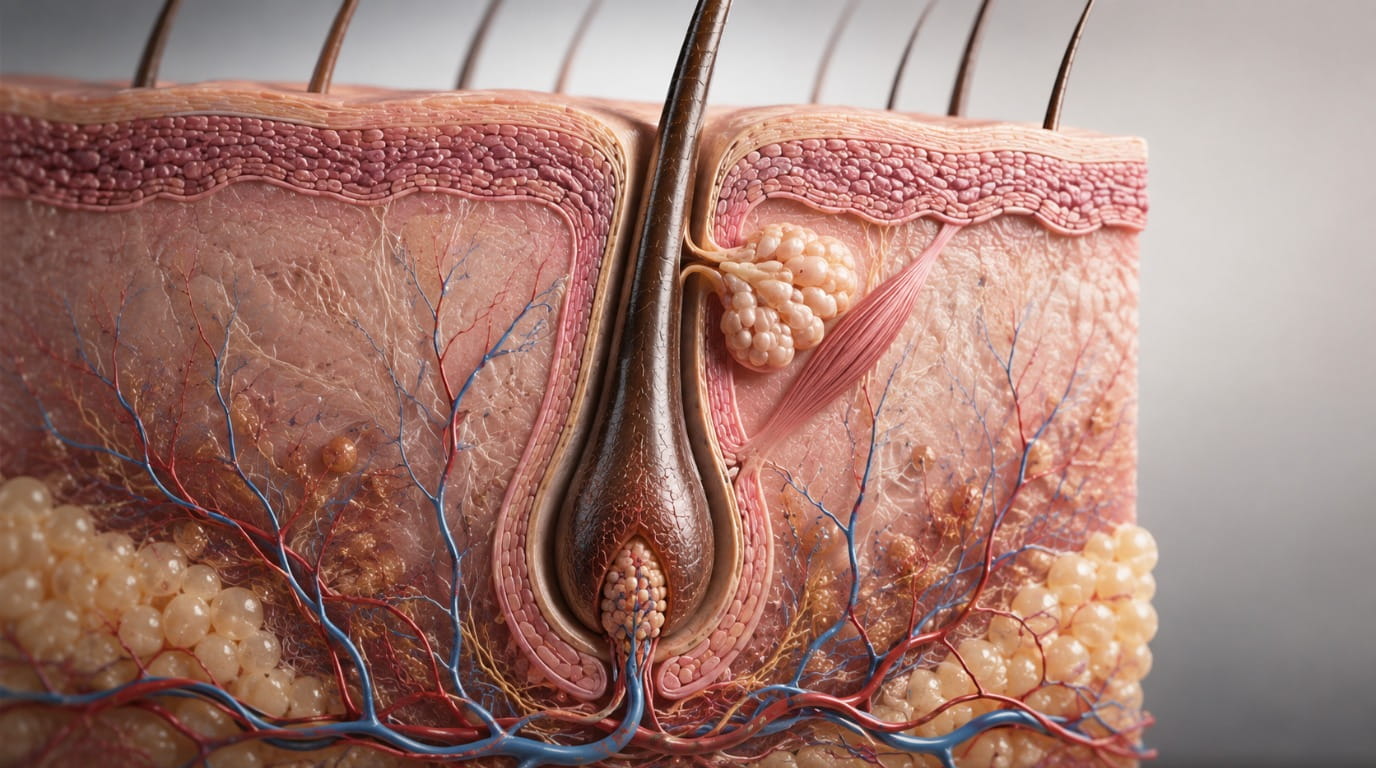
The health of the dermal papilla, in particular, plays a major role in how well a follicle performs through each stage of the hair growth cycle. This is one reason treatments that target the scalp’s nutrient supply — like PRP and Hair Mesotherapy — are often discussed in the context of supporting healthy hair follicles.
The Four Stages of the Hair Growth Cycle
The four stages of the hair growth cycle are Anagen (growth), Catagen (transition), Telogen (resting), and Exogen (shedding). Each follicle repeats this cycle throughout a person’s lifetime.
Anagen Phase (Growth Stage)
This is the active growth phase, where cells in the hair bulb divide rapidly, pushing the hair shaft upward. Most of the hair on a healthy scalp — generally the majority of follicles at any given time — is in this phase. The length of the anagen phase largely determines how long your hair can naturally grow.
Catagen Phase (Transition Stage)
A short transitional phase where hair growth slows and the follicle begins to shrink. The hair detaches from its blood supply but remains in place. Only a small percentage of follicles are typically in this phase at any time.
Telogen Phase (Resting Stage)
During this phase, the follicle is inactive, but the hair strand generally stays in place. This is considered a normal, necessary “rest period” before the follicle prepares for a new growth cycle.
Exogen Phase (Shedding Stage)
Sometimes described as part of the telogen phase, exogen is when the old hair is finally released and sheds from the scalp — often to make room for a new hair beginning its own anagen phase underneath. Key takeaway: Shedding hair isn’t a sign of failure — it’s simply the natural conclusion of one follicle’s cycle before it starts again.
Hair Growth Timeline
| Stage | What Happens | Average Duration |
|---|---|---|
| Anagen | Active growth; cells divide rapidly to lengthen the hair shaft | Roughly 2–7 years |
| Catagen | Growth slows; follicle shrinks and detaches from blood supply | Roughly 2–3 weeks |
| Telogen | Follicle rests; hair remains in place but isn’t growing | Roughly 2–3 months |
| Exogen | Old hair sheds; new hair may begin growing underneath | Ongoing, overlaps with early anagen |
These durations are general averages and can vary from person to person based on genetics, age, health, and other individual factors.
How Long Does Each Phase Last?
The anagen (growth) phase typically lasts several years, the catagen (transition) phase lasts a few weeks, the telogen (resting) phase lasts a few months, and the exogen (shedding) phase overlaps with the start of a new cycle.
Because roughly 85–90% of scalp hair is usually in the anagen phase at any given time, most people don’t notice the cycle happening at all — until something disrupts the balance, causing more follicles than usual to shift into the resting or shedding phases simultaneously.
Normal Hair Shedding vs Hair Loss
One of the most common concerns we hear at RamaCare Polyclinic is: “Is this normal shedding, or is this hair loss?” Here’s a general comparison:
| Factor | Normal Shedding | Possible Hair Loss |
|---|---|---|
| Daily hair count | Roughly 50–100 strands per day | Noticeably more than usual, over weeks |
| Pattern | Evenly distributed across scalp | Localized thinning, receding, or bald patches |
| Regrowth | New hair typically replaces shed hair | Little to no visible regrowth in thinning areas |
| Duration | Short-term fluctuations (e.g., seasonal) | Persistent over several months |
| Associated symptoms | None | Scalp itching, redness, or visible follicle changes |
If shedding feels excessive, prolonged, or is accompanied by visible thinning, it’s worth speaking with a hair specialist in Dubai rather than waiting to see if it resolves on its own.
Why Hair Growth Slows Down
Several factors can shorten the anagen phase or push more follicles into resting and shedding phases prematurely, including:
Common Causes of Hair Loss
Genetics
Androgenetic alopecia (pattern hair loss) is the most common cause, largely inherited.
Hormonal changes
Pregnancy, postpartum shifts, thyroid disorders, and PCOS can all affect the cycle.
Stress
Significant physical or emotional stress can trigger a condition called telogen effluvium, pushing more hair into the resting phase at once.
Nutritional deficiencies
Low iron, vitamin D, zinc, or protein intake can impair healthy follicle function.
Medical conditions
Autoimmune conditions, scalp infections, and certain skin disorders can disrupt the cycle.
Aging
The anagen phase naturally shortens with age, often resulting in finer, shorter hair growth over time.
Medications
Certain drugs, including some used for chemotherapy, blood pressure, or mood disorders, can affect hair growth as a side effect.
How PRP Supports the Hair Growth Cycle
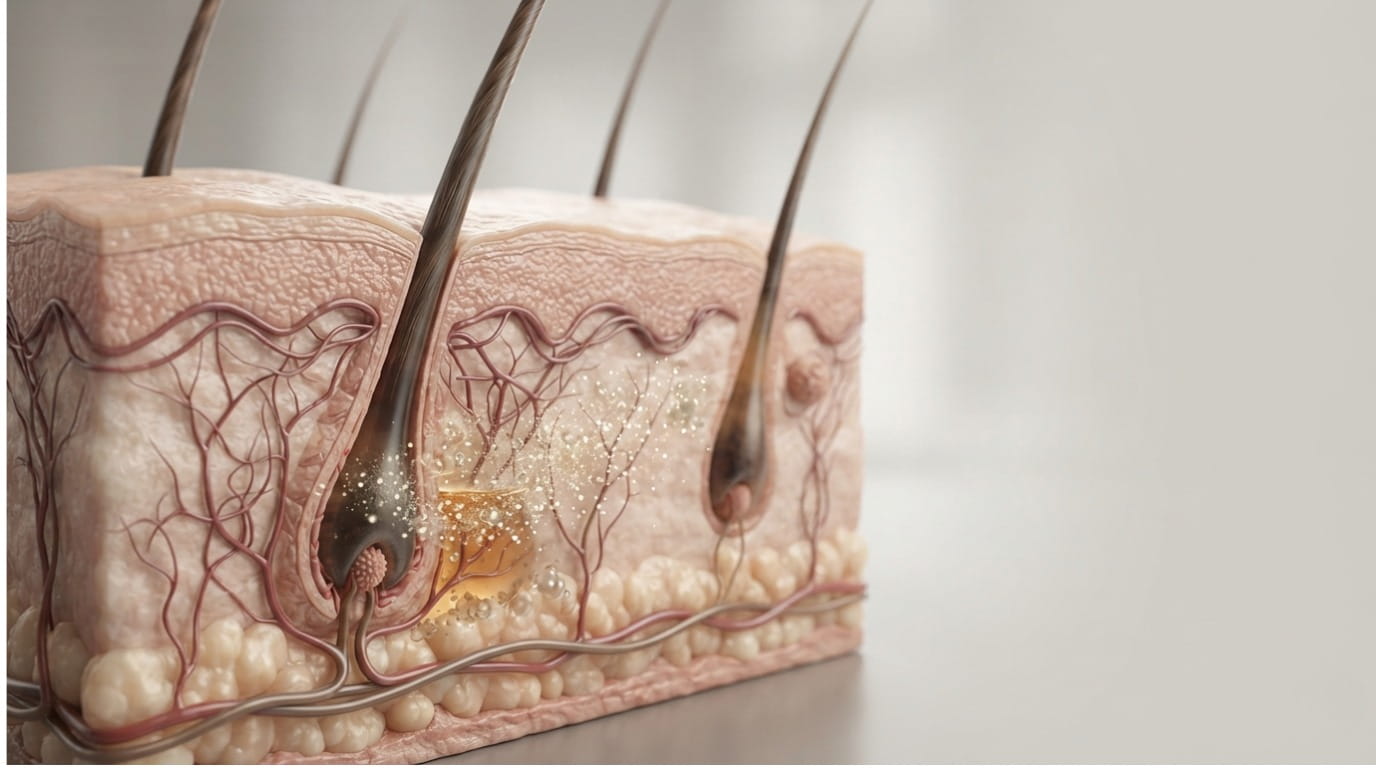
PRP (Platelet Rich Plasma) uses a concentrated portion of the patient’s own blood, injected into the scalp to potentially support the follicle’s growth environment. The idea behind PRP hair treatment is that growth factors found naturally in platelets may help extend or support the anagen phase in follicles that are still active but weakening.
PRP doesn’t reverse the cycle or reactivate follicles that have stopped functioning altogether — but it’s frequently discussed as a way to support existing follicles through their natural growth phase. You can read more about the procedure on our Hair PRP Treatment in Dubai page.
How Hair Mesotherapy Supports Hair Growth
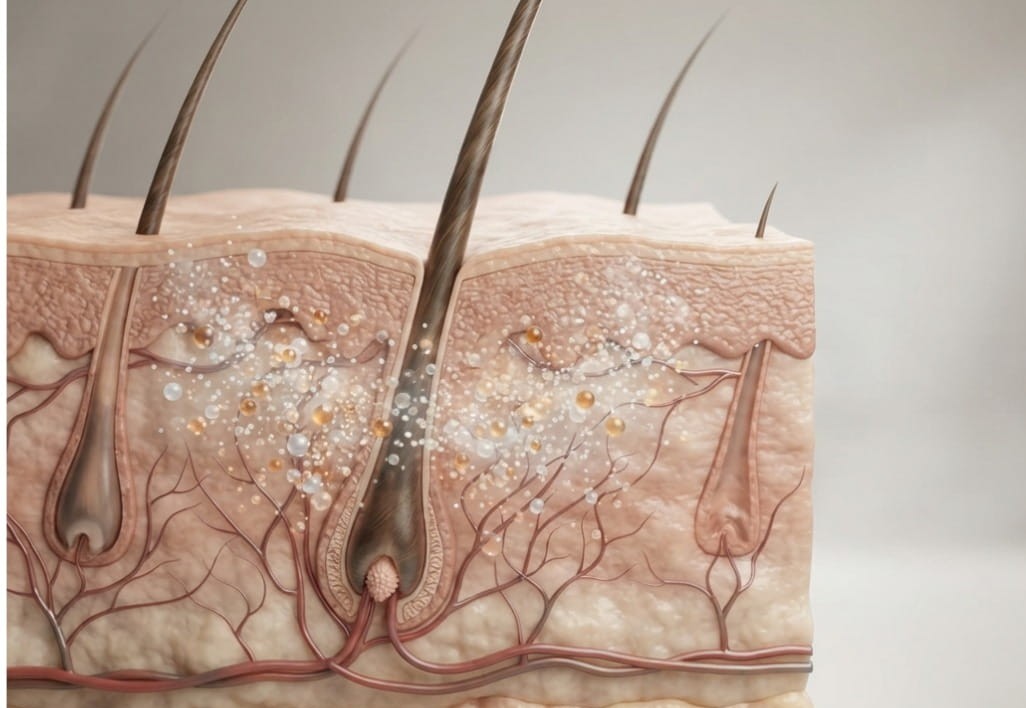
Hair Mesotherapy delivers a customized blend of vitamins, minerals, and amino acids directly into the scalp’s mid-layer. Rather than relying on the body’s own biological material like PRP, this approach focuses on directly nourishing the follicle environment, which may help support healthier conditions for the anagen phase.
Because it addresses nutrient delivery specifically, Hair Mesotherapy is often discussed for hair loss connected to nutritional gaps or general scalp health. Learn more on our Hair Mesotherapy in Dubai page, or compare the two options directly on our PRP vs Hair Mesotherapy in Dubai guide.
Hair Growth Cycle After a Hair Transplant
After a hair transplant, transplanted follicles typically go through a temporary shedding phase within the first few weeks — which can be alarming for patients unfamiliar with the process, but is generally considered a normal part of the cycle resetting. New growth usually begins gradually as the follicles enter a fresh anagen phase.
Because this process takes time and follows the same natural cycle described above, patience is essential. If you’re weighing surgical versus non-surgical options, our PRP vs Hair Transplant in Dubai comparison may help clarify which path fits your situation.
Gender Differences in the Hair Growth Cycle
Hair Growth Cycle in Men
In men, pattern hair loss is often linked to genetic sensitivity to hormones, which can gradually shorten the anagen phase in affected follicles — typically starting at the hairline or crown. Over repeated cycles, affected follicles may produce progressively finer, shorter hair. This is why early intervention is frequently discussed as more effective than waiting until hair loss has significantly progressed.
Hair Growth Cycle in Women
Women more commonly experience diffuse thinning across the scalp rather than a localized pattern. This can be connected to hormonal shifts (such as postpartum changes or menopause), thyroid function, nutritional status, or stress-related disruptions to the growth cycle. Because the underlying cause varies so much, treatment recommendations for women are usually individualized after a thorough scalp assessment.
Hair Growth Cycle and Seasonal Hair Loss
Some people notice increased shedding during certain times of year, often in late summer or early autumn. While research on seasonal shedding patterns is still evolving, many specialists believe temporary environmental and hormonal shifts may cause a larger-than-usual number of follicles to enter the telogen phase simultaneously. This kind of shedding is usually temporary and tends to resolve without treatment, though persistent or severe shedding should still be evaluated.
Foods That Support Healthy Hair Growth
While diet alone can’t reverse genetic hair loss, proper nutrition supports the biological processes behind the hair growth cycle. Helpful food groups include:
Protein-rich foods
eggs, fish, legumes — hair is largely made of protein
Iron-rich foods
leafy greens, red meat, lentils — supports oxygen delivery to follicles
Omega-3 fatty acids
salmon, walnuts, flaxseed — supports scalp health
Vitamin C-rich foods
citrus, berries — supports collagen production and iron absorption
Zinc-rich foods
nuts, seeds, whole grains — supports follicle repair and function
Vitamins and Minerals for Hair Health
| Nutrient | Role in Hair Growth |
|---|---|
| Biotin (B7) | Supports keratin production |
| Vitamin D | Linked to follicle cycling activity |
| Iron | Supports oxygen delivery to hair follicles |
| Zinc | Supports tissue growth and repair |
| Vitamin E | Antioxidant support for scalp health |
| Omega-3s | Supports scalp hydration and inflammation control |
Deficiencies in any of these can potentially disrupt the normal hair growth cycle, which is why a health and nutrition review is often part of a thorough consultation.
Lifestyle Tips for Healthy Hair
Myths About the Hair Growth Cycle
Myth: Cutting your hair makes it grow faster.
Fact: Trimming affects the hair shaft, not the follicle — it has no impact on the growth cycle itself.
Myth: Losing more than 100 hairs a day always means baldness.
Fact: Daily shedding fluctuates naturally and isn’t automatically a sign of permanent hair loss.
Myth: Hair loss only happens to older people.
Fact: Hair thinning can begin at any age, particularly with genetic, hormonal, or stress-related triggers.
Myth: Once a follicle stops producing hair, nothing can be done.
Fact: While dormant follicles are harder to support, treatments like PRP and Hair Mesotherapy are often discussed for follicles that are still active but weakening — which is why earlier evaluation tends to offer more options.
When to See a Hair Specialist
Consider booking a consultation with a hair specialist in Dubai if you notice:
Early evaluation generally gives specialists more options to work with, since follicles that are still active tend to respond better to supportive treatments than those that have been dormant for a long time.
Frequently Asked Questions
Why Choose RamaCare Polyclinic
Understanding your hair growth cycle is only the first step — knowing what to do with that information is where a trusted clinic makes the difference. At RamaCare Polyclinic, patients across Dubai, including those from areas like Jumeirah, choose us for:
Take the Next Step Toward Healthier Hair
Understanding the hair growth cycle is valuable — but a personalized assessment is what turns that knowledge into an actual plan. Book Appointment with RamaCare Polyclinic today, or Contact Us if you have questions before your visit.
Conclusion
The hair growth cycle is a continuous, natural process made up of four distinct stages — anagen, catagen, telogen, and exogen — that every hair follicle experiences throughout life. Understanding this cycle helps explain why hair sheds daily, why some hair loss is temporary while other forms are more persistent, and why treatments like PRP and Hair Mesotherapy work gradually rather than instantly.
If you’ve noticed changes in your hair and aren’t sure whether it reflects a normal part of the hair growth cycle or something worth addressing, a professional evaluation is the most reliable way to find out. The team at RamaCare Polyclinic is ready to assess your scalp, explain where your hair currently stands in its growth cycle, and help you build a realistic, personalized plan going forward.
This content is intended for informational purposes and does not constitute medical advice. Individual hair growth patterns and treatment outcomes vary and are not guaranteed. Please consult a licensed medical professional at RamaCare Polyclinic for a personalized assessment.
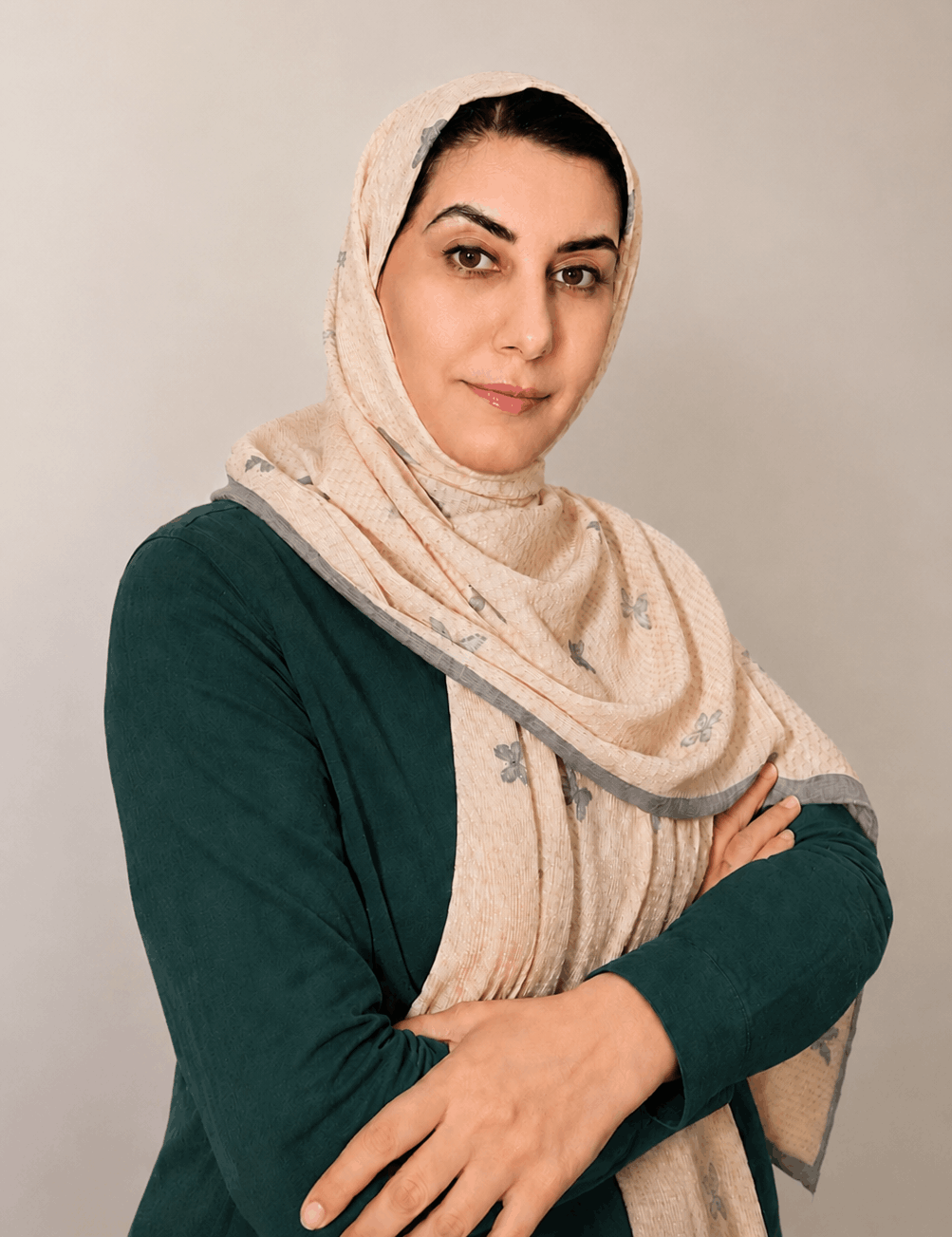
Content Reviewed by Dr. Sahar Zomorrodi
General Practitioner & Aesthetic Specialist
MD · DHA Licensed General Practitioner • 10+ Years Clinical Experience