
Hair Loss Clinic Dubai:
Diagnosis, Treatment & Care
RamaCare Polyclinic approaches hair and scalp concerns with a structured, health-centered model. Understand what is happening before deciding on a treatment path, guided by honest clinical assessment.

Location
RamaCare Polyclinic, Jumeirah 1, Dubai
Hair Loss Clinic Dubai: Diagnosis, Treatment & Care
If you've noticed more hair on your pillow, in the shower drain, or on your hairbrush than usual, you're not alone — and you're not without options. Hair thinning, a receding hairline, a widening part, crown thinning, patchy bald spots, or sudden shedding can all feel unsettling, especially when the cause isn't obvious.
The truth is that hair loss rarely has a single explanation. It can be genetic, hormonal, nutritional, stress-related, linked to a scalp condition, or a combination of several factors at once. This is exactly why visiting a dedicated hair loss clinic in Dubai can be useful — a proper assessment helps identify what is actually happening before deciding on a treatment path, rather than guessing based on generic advice or unverified online remedies.
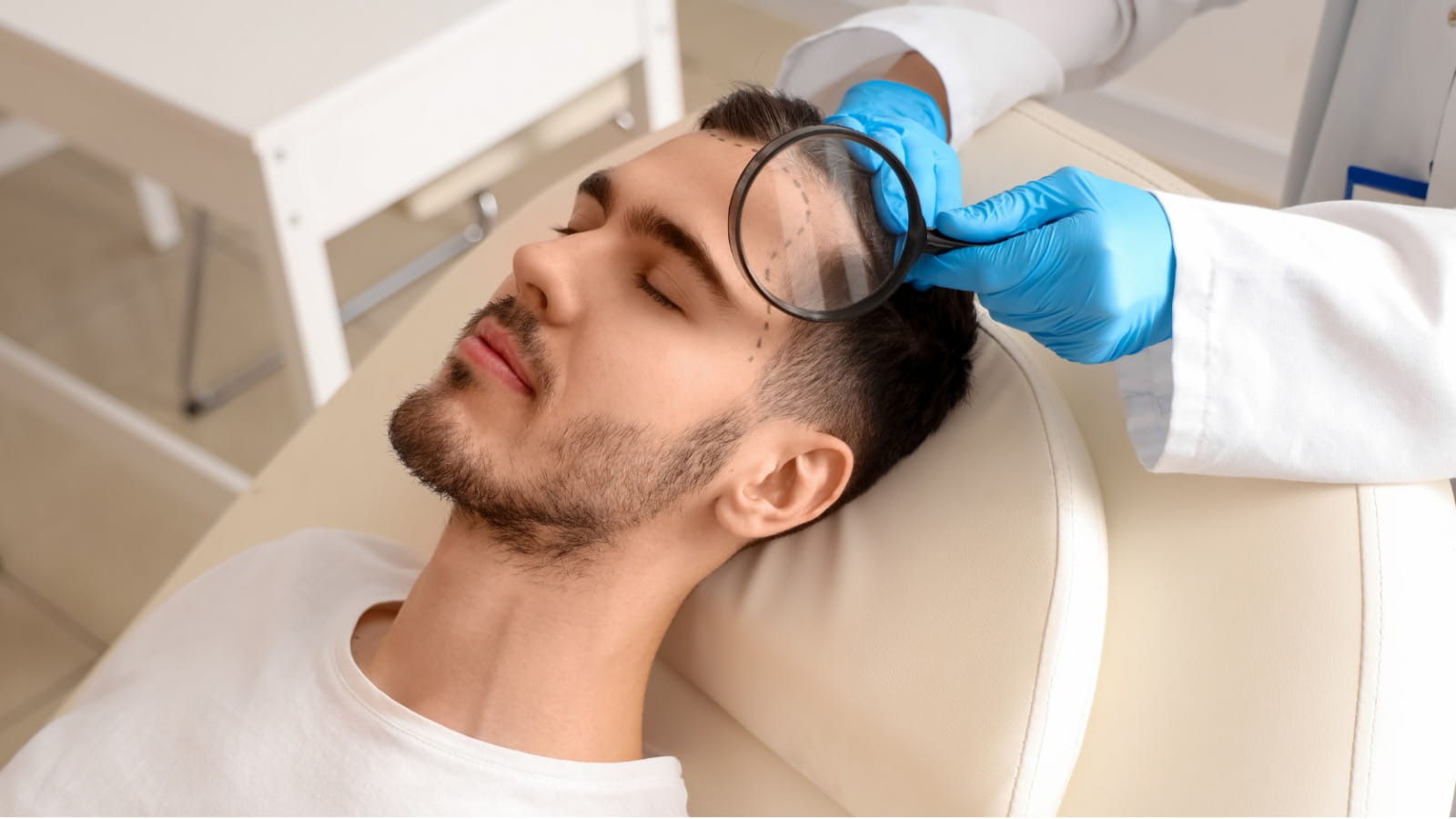
At RamaCare Polyclinic in Dubai, hair and scalp concerns are approached the way any health concern should be: with a structured consultation, a review of your history, an examination of your scalp and hair pattern, and — when clinically appropriate — further testing. From there, a treatment plan can be discussed based on what's realistic for your specific situation.
"It's important to set expectations honestly from the start: no clinic can promise guaranteed regrowth, and no single treatment works identically for everyone. What a good hair loss clinic can offer is a clear diagnostic process, honest communication about what's possible, and ongoing guidance as you decide how to move forward."
What Is a Hair Loss Clinic?
In short: A hair loss clinic assesses your hair and scalp, reviews your medical history, identifies possible causes of shedding or thinning, and helps plan a treatment approach — rather than offering the same solution to every patient.
Hair and scalp assessment
A visual and sometimes magnified examination of the scalp and hair shafts.
Medical history review
Covering general health, medications, family history, and recent life changes.
Hair-loss pattern evaluation
Determining whether the pattern is diffuse, localized, patchy, or following a recognizable pattern such as androgenetic alopecia.
Identification of possible causes
Genetic, hormonal, nutritional, inflammatory, or related to an underlying medical condition.
Treatment planning
Discussing options appropriate to the likely cause and the patient's goals.
Follow-up and progress monitoring
Since hair changes are gradual, reassessment over time matters.
Clinic Differences & Overlaps
These terms overlap but aren't identical, and no single type of professional is automatically the right choice for every case:
Dermatology Clinic
Focuses on skin and scalp disease broadly, including conditions like psoriasis or seborrheic dermatitis that can affect hair.
Trichologist
Specializes specifically in hair and scalp health, though scope of practice varies by qualification and jurisdiction.
Hair Specialist
A general term that can refer to a dermatologist, cosmetic physician, or other clinician with a focus on hair concerns.
Hair Transplant Clinic
Focuses specifically on surgical hair restoration and is generally relevant only after non-surgical causes have been considered.
A multispecialty setting such as a polyclinic can be a practical starting point, since it allows your case to be reviewed and, if needed, directed toward the right kind of further care.
When Should You Visit a Hair Loss Clinic?
Not every instance of shedding needs a clinic visit — but certain signs are worth having checked. Click on the signs below that apply to you to evaluate your current situation:
Clinical Guidance
Sudden, severe, painful, or patchy hair loss in particular should be professionally assessed rather than managed with over-the-counter products alone, since these presentations can sometimes point to an underlying condition that benefits from timely evaluation.
Common Hair Loss Causes
In short: Hair loss can stem from genetics, hormones, nutrition, stress, thyroid function, scalp conditions, medications, or a combination of these — which is why identifying the specific cause matters more than treating symptoms alone.
Genetic Hair Loss (Androgenetic Alopecia)
The most common cause of progressive hair thinning in both men and women is androgenetic alopecia — a genetically influenced, hormone-sensitive process that typically follows a recognizable pattern (receding hairline and crown thinning in men; diffuse thinning and a widening part in women).
Hormonal Changes
Hormonal shifts can affect the hair growth cycle, including those related to: Pregnancy, the postpartum period, menopause, polycystic ovary syndrome (PCOS), or other hormonal imbalances.
Stress
Significant physical or emotional stress can trigger a temporary shedding pattern known as telogen effluvium, where more hairs than usual enter the shedding phase a few months after the stressful event. This is generally temporary, though it should still be discussed with a clinician if persistent.
Nutritional Factors
Deficiencies in certain nutrients have been associated with hair shedding, including: Iron, Vitamin D, Vitamin B12, Zinc, and Protein. Nutritional deficiencies should be confirmed through appropriate testing rather than assumed, and supplementation should be guided by a clinician.
Thyroid Disorders
Both an underactive and overactive thyroid can be associated with hair thinning, which is one reason thyroid function may be assessed when hair loss is diffuse or unexplained.
Alopecia Areata
An autoimmune condition that causes patchy hair loss, sometimes progressing further. This pattern typically warrants specific clinical evaluation.
Scalp Conditions
Several scalp conditions can contribute to hair loss or make it more noticeable, including: Seborrheic dermatitis, psoriasis, scalp infections, or general inflammation of the scalp.
Medications
Certain medications list hair shedding as a possible side effect. If you suspect a medication is contributing, this should be discussed with your prescribing doctor rather than stopped independently.
Rapid Weight Loss
Significant or rapid weight loss, particularly from restrictive dieting or after certain medical procedures, can trigger temporary shedding.
Aging
Hair naturally tends to thin and change texture with age, independent of other causes.
Tight Hairstyles
Consistently tight hairstyles (tight ponytails, braids, or extensions) can cause traction alopecia, a gradual, mechanical form of hair loss along the hairline or areas under tension.
Heat and Chemical Damage
Frequent heat styling and chemical treatments (coloring, relaxing, perming) can weaken the hair shaft, leading to breakage that may be mistaken for hair loss.
Chronic Medical Conditions
Certain chronic illnesses can be associated with hair changes as part of a broader clinical picture, which is another reason a full medical history matters during assessment.
For a deeper look at individual causes, see our dedicated guide:
Hair Loss Causes GuideNormal Hair Shedding vs. Hair Loss
It's normal to shed some hair every day as part of the natural hair growth cycle. The challenge is telling normal shedding apart from a pattern that needs attention.
- Gradual, consistent daily shedding
- Hair regrows to replace what's shed
- No visible bald patches
- Hairline and crown density remain stable
- Shedding without scalp symptoms
- Hair breakage limited to styling stress
- Sudden or dramatic increase in shedding
- Visible thinning that doesn't recover over time
- Patchy or localized bald spots
- Receding hairline or widening crown/part
- Shedding accompanied by itching, redness, or scaling
- Hair thinning at the roots, not just breakage at the tips
There is no single "correct" number of hairs a person should shed per day that applies to everyone, so this table is meant as a general guide rather than a diagnostic threshold. If you're unsure which category your experience falls into, that uncertainty itself is a reasonable reason to book an assessment.
How Hair Loss Is Assessed
In short: Hair loss is typically assessed through a medical history review, a scalp and hair examination, and — when clinically indicated — magnified scalp imaging (trichoscopy) or blood tests, rather than through a single standard test for everyone.
Medical history
General health background, recent illnesses, medications, and lifestyle factors.
Family history
Since genetic hair loss patterns often run in families.
Hair-loss pattern
Diffuse, patterned, patchy, or localized to specific areas.
Scalp examination
Checking for redness, scaling, inflammation, or scarring.
Hair density assessment
Comparing density across different areas of the scalp.
Trichoscopy or dermoscopic assessment when appropriate
A magnified, non-invasive way to examine hair shafts and scalp skin more closely.
Blood tests when clinically indicated
Such as thyroid function, iron studies, or vitamin levels, ordered based on your presentation.

Which of these steps apply to you depends on your specific history and what the clinician observes during your consultation — not every patient needs every test.

What to Expect During Your First Visit
1. Consultation
You'll discuss when your hair loss started, how it has progressed, and any related symptoms.
2. Medical history
Your general health, medications, family history, and hair-care habits are reviewed.
3. Scalp assessment
A visual and, where relevant, magnified examination of your scalp and hair.
4. Possible causes
Based on findings, your clinician will discuss what might be contributing to your hair loss.
5. Treatment options
If a treatment path is appropriate, options are discussed along with realistic expectations.
6. Expected timeline
You'll be given a general sense of how long meaningful change typically takes to become visible.
7. Aftercare
Guidance on hair care, scalp care, or lifestyle adjustments that may support your treatment plan.
8. Follow-up
A plan for reassessment, since hair changes are best evaluated over time rather than after a single visit.
Hair Loss Treatment Options
Treatment for hair loss depends entirely on the underlying cause identified during assessment — there is no universal treatment that suits every patient.
PRP Hair Treatment
Platelet-rich plasma (PRP) treatment involves preparing a concentration of platelets from a patient's own blood and applying it to the scalp. It may be considered for certain hair-thinning patterns, though suitability depends on individual assessment.
Hair Mesotherapy
Hair mesotherapy involves delivering a preparation of vitamins, minerals, or other agents directly into the scalp. It differs from PRP in composition and mechanism, and suitability varies by patient and underlying cause.
Medical Management
Some forms of hair loss, particularly those linked to hormonal imbalance, thyroid dysfunction, or inflammatory scalp conditions, may be addressed through medical management once a diagnosis is confirmed. This page does not offer prescribing guidance.
Lifestyle and Nutritional Support
General supportive measures can include a balanced diet, adequate protein intake, sufficient sleep, stress management, and gentle hair-care practices. These measures can support overall hair health.
Hair Transplant
A hair transplant is a surgical procedure that relocates hair follicles from a donor area to areas of thinning or baldness. It may be considered for appropriate candidates after non-surgical options have been discussed.
PRP for Hair Loss
Because PRP is one of the more frequently asked-about treatments, here's a closer look at how it generally works:
What PRP is
A treatment using a concentration of platelets separated from a small sample of the patient's own blood.
How it's prepared
Blood is drawn and processed (typically using centrifugation) to isolate the platelet-rich portion.
How it's administered
The prepared plasma is applied to the scalp, usually via injection, in the areas being treated.
Why multiple sessions
Hair growth is a gradual biological process, so a treatment series is commonly discussed.
How results develop
Any changes tend to appear gradually over a period of months, in line with the hair growth cycle.
Patient suitability
Not every cause of hair loss responds to PRP, which is why assessment comes first.
Temporary side effects
As with any injection-based procedure, temporary redness, tenderness, or mild swelling can occur.
Recovery expectations
Most patients resume normal activities shortly afterward, though aftercare is provided.

To explore this further, see: PRP Hair Treatment Before and After, PRP Hair Treatment Recovery, and PRP Hair Treatment Cost in Dubai. Results are not guaranteed and vary from patient to patient.
PRP vs. Hair Mesotherapy
Neither option is universally "better" — suitability depends on your diagnosis and goals, which is why this is discussed during consultation.
Read the detailed PRP vs Mesotherapy comparison| Feature | PRP | Hair Mesotherapy |
|---|---|---|
| Basic approach | Uses the patient's own blood-derived platelets | Uses injected vitamin, mineral, or nutrient-based preparations |
| Main components | Platelet-rich plasma from the patient | Formulated solutions (non-autologous) |
| Procedure | Blood draw, processing, then scalp injection | Direct scalp injection of a prepared solution |
| Recovery | Generally minimal downtime | Generally minimal downtime |
| Treatment planning | Typically planned as a session series | Typically planned as a session series |
| Limitations | Not suitable for every cause of hair loss | Not suitable for every cause of hair loss |
| Feature | PRP | Hair Transplant |
|---|---|---|
| Treatment type | Non-surgical, injection-based | Surgical procedure |
| Surgical procedure | No | Yes |
| Main purpose | Supporting existing hair/scalp health in selected cases | Relocating hair follicles to thinning or bald areas |
| Recovery | Minimal downtime | Longer recovery period, with specific aftercare |
| Candidate suitability | Assessed individually; broader range of candidates | Requires specific donor-area and scalp assessment |
| Long-term considerations | May require maintenance sessions | Generally intended as a longer-term surgical solution |
PRP vs. Hair Transplant
These treatments are not necessarily interchangeable, and some patients may be advised to consider one, the other, or a combination based on their diagnosis.
Read the detailed PRP vs Transplant guideUnderstanding the Hair Growth Cycle
Hair grows in a repeating cycle made up of four phases. Because hair follicles don't all cycle in sync, hair treatments generally do not produce instant visible changes.
Anagen
Growth Phase
The active phase during which hair grows, lasting anywhere from two to several years.
Catagen
Transition Phase
A short transitional phase where hair growth slows and the follicle begins to shrink.
Telogen
Resting Phase
A resting phase where the hair is not actively growing but remains in the follicle.
Exogen
Shedding Phase
The phase where the resting hair is shed, making way for a new growth cycle.

Meaningful results — where they occur — tend to unfold gradually. For a deeper understanding of the biological process, see our guide to the Hair Growth Cycle.
Hair Loss in Men
In men, common presentations include a receding hairline and crown thinning, often associated with male pattern hair loss (androgenetic alopecia), which has a strong genetic component. However, not every male patient's hair loss is genetic — stress, scalp conditions, nutritional factors, medications, and other causes can also contribute or coexist with a genetic pattern, which is why assessment matters even when a pattern looks "typical."
Hair Loss in Women
In women, hair loss more often presents as diffuse thinning across the scalp or a widening part rather than a receding hairline. Common contributing factors include hormonal changes (pregnancy, postpartum shedding, menopause), nutritional factors, and underlying medical conditions. Because female pattern hair loss can resemble other causes on the surface, identifying the underlying driver is particularly important before choosing a treatment path.
Hair Loss in Different Age Groups
Regardless of age, sudden or unusual hair loss deserves professional evaluation rather than assumptions based on age alone.
Hair Loss and Dubai's Climate
Dubai's climate — intense heat, sun exposure, high humidity at times, and frequent swimming or sweating — can affect how your hair feels and behaves, even if it isn't a direct cause of permanent hair loss on its own. Considerations relevant to the local climate include:
"It's worth being clear that Dubai's climate is not established as a direct cause of permanent hair loss — but it can influence hair condition and, in some cases, make existing thinning more noticeable or contribute to breakage that's mistaken for hair loss."
How to Choose a Hair Loss Clinic in Dubai
Choosing where to seek care matters. Consider the following when evaluating a clinic:
What to Look For:
- Qualified healthcare professionals involved in your assessment and care
- Appropriate hair-loss assessment rather than treatment offered without evaluation
- Individualized treatment plans based on your specific findings, not a one-size-fits-all package
- Transparent communication about what a treatment can and cannot realistically achieve
- Realistic expectations set from the first conversation
- Patient safety prioritized throughout the process
- Appropriate follow-up to monitor progress over time
- Clear explanation of costs before you commit to treatment
- Relevant treatment experience with hair and scalp concerns specifically
- No guaranteed results promised — because no ethical clinic can guarantee biological outcomes
Be Cautious of Clinics That:
- Promise guaranteed regrowth
- Recommend the exact same treatment to every patient regardless of diagnosis
- Skip assessment entirely and move straight to selling treatment
- Pressure you into large upfront packages
- Downplay or hide possible risks and limitations
- Rely on unrealistic or unverifiable before-and-after claims
Why Choose RamaCare Polyclinic?
RamaCare Polyclinic approaches hair and scalp concerns as part of a broader, patient-centered healthcare model. What this generally means for patients:
- A personalized consultation as the starting point for any hair or scalp concern
- An individual hair and scalp assessment rather than a generic recommendation
- Treatment planning based on your specific findings and goals, discussed openly with you
- Access to PRP and other hair-treatment options, where clinically appropriate
- Patient education so you understand your options, not just a sales pitch
- Follow-up guidance to help track how your hair and scalp respond over time
- A multispecialty healthcare environment, useful if your hair loss turns out to be connected to a broader health factor (thyroid, hormonal, nutritional, etc.)
- A convenient Jumeirah Terrace location for consultations and follow-up visits
RamaCare Polyclinic does not claim to be the only or automatically the "best" option for every patient — the right clinic is the one that takes the time to properly assess your specific situation.
Costs, Sessions & Results Timeline
Understanding pricing, required sessions, and expected timelines helps set realistic expectations from the start.
Treatment Cost
Hair loss treatment costs in Dubai vary considerably and depend on several factors rather than a single fixed price. These typically include:
- ● The type of treatment recommended (PRP, mesotherapy, etc.)
- ● The number of sessions required based on response
- ● The severity and pattern of your hair loss
- ● Diagnostic assessment, such as blood tests
- ● Combined treatment plans
For more detail specific to PRP, see PRP Hair Treatment Cost in Dubai.
Number of Treatments
There's no universal number of sessions that applies to everyone. The number of treatments depends on:
- ● The diagnosis behind your hair loss
- ● The severity of thinning or shedding at assessment
- ● The type of treatment chosen
- ● How you respond to treatment over time
- ● Your clinical goals
Rather than committing to a fixed package upfront, a reasonable approach is to begin with assessment and an initial treatment phase.
Expected Timeline
Hair loss treatment results are generally gradual rather than immediate, because hair grows in cycles that unfold over months:
- ● Hair grows in cycles, and progress takes time.
- ● PRP is not expected to produce instant changes.
- ● Hormonal/nutritional causes resolve differently.
- ● Regular follow-up is important to evaluate efficacy.
For more detail on PRP recovery, see PRP Hair Treatment Recovery.
Hair Loss Prevention and Daily Care
While not every form of hair loss is preventable, general hair and scalp care practices can support overall hair health:
Common Hair Loss Myths
Separating facts from common misconceptions is essential for understanding your hair loss path:
Myth: "All hair loss is permanent."
Fact: Many forms of hair loss — including stress-related shedding and some nutritional causes — are temporary and can improve once the underlying trigger is addressed.
Myth: "PRP works for everyone."
Fact: PRP may be appropriate for some hair-loss patterns but not others. Suitability depends on individual assessment.
Myth: "More supplements always mean faster hair growth."
Fact: Supplementing beyond what your body needs does not speed up hair growth and isn't a substitute for identifying the actual cause of shedding.
Myth: "Cutting hair makes it grow thicker."
Fact: Cutting hair affects the visible ends, not the follicle, and does not change the rate or thickness of new growth.
Myth: "Hair loss only affects older people."
Fact: Hair loss can occur at almost any adult age and, in some cases, in adolescence, depending on the cause.
Myth: "A single treatment can permanently stop hair loss."
Fact: Most causes of hair loss require ongoing management or maintenance rather than a one-time fix, particularly genetic pattern hair loss.
Frequently Asked Questions
Medical Disclaimer
Hair loss can have many possible causes, and treatment suitability varies from person to person. The information on this page is intended for general educational purposes and cannot replace an in-person clinical assessment. If you are experiencing sudden, severe, painful, or patchy hair loss, please consult a qualified healthcare professional for proper evaluation.
Book a Hair Loss Consultation in Dubai
If you're concerned about hair thinning, shedding, or scalp changes, the most useful next step is a proper consultation rather than guesswork. Speak with a qualified healthcare professional at RamaCare Polyclinic about your hair and scalp concerns.
Related Hair Treatment Guides
Hair Loss Causes
A closer look at the medical, hormonal, and lifestyle factors that can contribute to hair thinning and shedding.
Hair Growth Cycle
Understand the four phases of hair growth and why most treatments take time to show visible results.
Hair Loss Treatment in Dubai
An overview of treatment approaches available for different types and causes of hair loss.
Hair Fall Treatment in Dubai
Guidance specifically focused on managing excessive hair fall and shedding.
Hair PRP Treatment in Dubai
A detailed look at platelet-rich plasma treatment, including the process, candidacy, and what to expect.
Hair Regrowth Treatment Dubai
An overview of options that may support hair regrowth once an underlying cause has been identified.
Hair Mesotherapy in Dubai
Learn how mesotherapy works for hair and scalp concerns and how it compares to other treatments.
PRP Hair Treatment Before and After
What realistic progress can look like over the course of PRP treatment.
PRP Hair Treatment Recovery
What to expect in the days and weeks following a PRP session.
PRP Hair Treatment Cost in Dubai
A breakdown of the factors that influence PRP treatment pricing.
PRP vs Hair Mesotherapy
A side-by-side comparison to help you understand how these two treatments differ.
PRP vs Hair Transplant in Dubai
A comparison of non-surgical PRP and surgical hair transplant to help you understand which may suit your situation.
Best Hair Specialist in Dubai
Guidance on what to look for when choosing a hair specialist for your assessment and care.
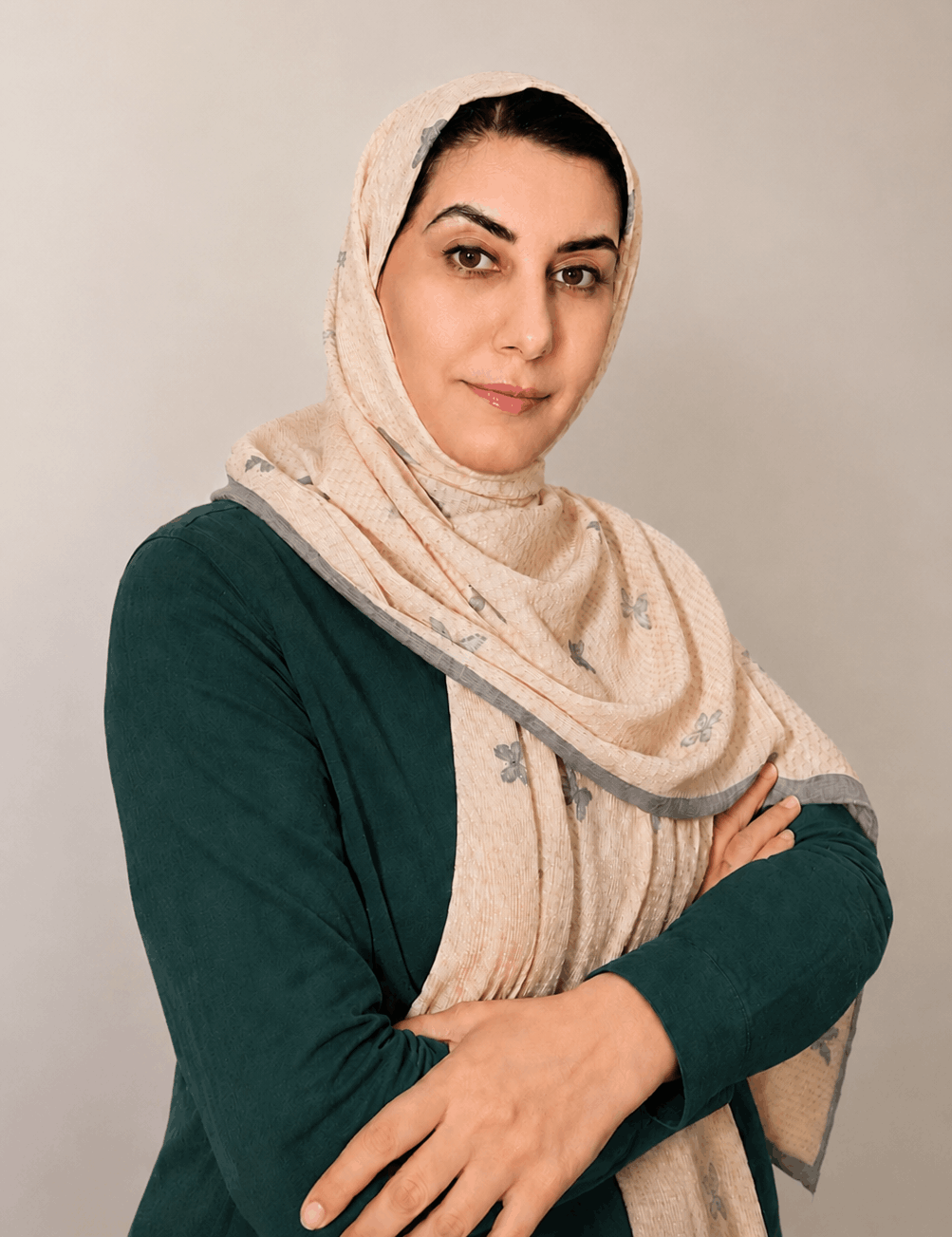
Content Reviewed by Dr. Sahar Zomorrodi
General Practitioner & Aesthetic Specialist
MD · DHA Licensed General Practitioner • 10+ Years Clinical Experience