
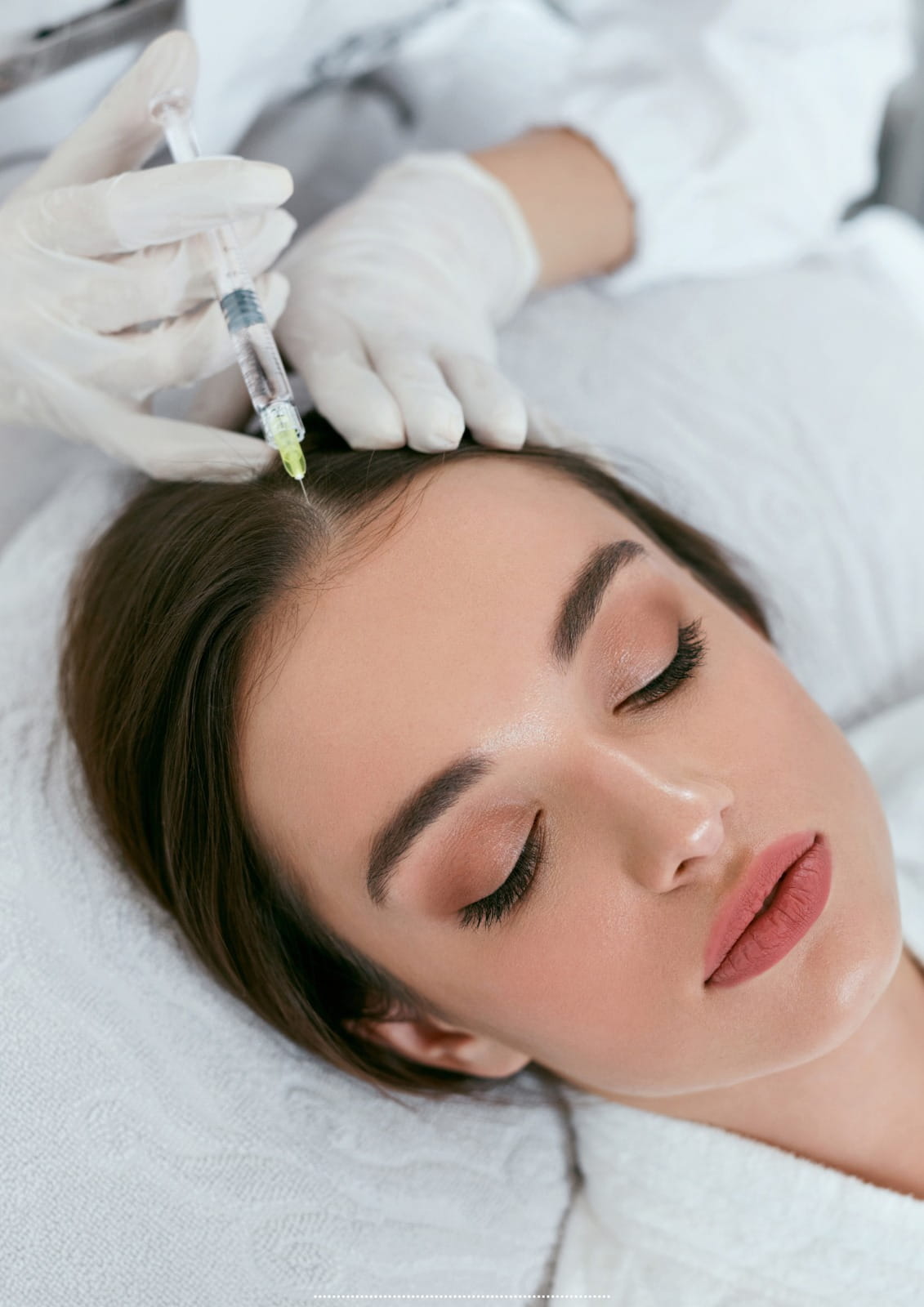
PRP Hair Treatment Results: Timeline, Expectations & Progress
If you're researching PRP for hair loss, you've probably already seen dramatic before-and-after photos online and wondered: will this actually work for me, and how long will it take? It's a fair question, and an important one to answer honestly rather than with marketing promises.
Most patients who respond to PRP begin noticing subtler signs — such as somewhat reduced shedding or slightly stronger-feeling hair — within roughly two to three months, with more noticeable density-related changes sometimes becoming apparent over four to six months or longer, often after multiple sessions. This is a general pattern, not a guarantee: some people notice changes sooner, some later, and some may not respond significantly at all. The actual timeline depends on the cause of your hair loss, the severity of thinning, your overall health, and how your body responds to treatment. A proper assessment at consultation is the only reliable way to estimate what to expect in your specific case.
Hair is deeply personal. When it starts thinning, it's natural to want quick answers and quick results. But Platelet-Rich Plasma (PRP) therapy doesn't work like a switch that flips overnight — it works with your body's own biology, which means the timeline, the pattern of change, and the degree of improvement will differ from person to person. Some patients notice reduced shedding within a couple of months. Others need a full course of sessions before they or the people around them start to notice a difference. And for some, PRP may only be one part of a broader hair-loss management plan.
At RamaCare Polyclinic in Dubai, we believe patients deserve a realistic picture before they commit to any treatment — not an idealized one. This guide walks through what PRP hair treatment results generally look like, when changes tend to appear, what influences your individual outcome, and how to fairly evaluate your own progress instead of comparing yourself to someone else's photos. If you're also curious about the procedure itself, our Hair PRP Treatment in Dubai page covers what happens during a session.
This article does not promise guaranteed regrowth, permanent results, or a specific percentage of improvement — because no responsible clinic can promise that for a biological treatment. What it will do is help you understand what's realistic, what's not, and what questions to bring to your consultation.
What Are PRP Hair Treatment Results?
PRP (Platelet-Rich Plasma) therapy involves drawing a small sample of your own blood, processing it to concentrate the platelets, and injecting that concentrate into areas of the scalp experiencing thinning. The theory behind it is that the growth factors in platelets may help support the hair follicle environment.
When patients talk about “results,” they're usually picturing one thing: more visible hair. But in reality, PRP outcomes tend to fall along a spectrum, and it helps to understand the different categories before you start treatment:

Reduced Shedding
Noticing fewer hairs on your pillow, in the shower drain, or on your brush.
Visible Density Improvement
The scalp appearing less see-through in certain areas, often assessed through photos or trichoscopy rather than a quick mirror glance.
Stronger-Looking Hair
Existing hairs appearing thicker or less fine, without necessarily meaning new follicles have activated.
New Hair Growth
Genuinely new hairs emerging from follicles that had gone dormant — the most significant but also least guaranteed outcome.
It's important to understand that these are not the same thing, and a good outcome for one patient may look completely different from a good outcome for another. PRP is also not a guaranteed cure for every type of hair loss — its role, and the degree to which it can help, depends heavily on why the hair loss is happening in the first place. This is why results should always be assessed over a period of months, not days, and ideally under the guidance of the clinician who is following your case.
PRP Hair Treatment Results Timeline
- Mild scalp tenderness at injection sites
- Temporary redness of the treated area
- Minor swelling, particularly on the forehead or scalp
- Small, pinpoint injection-site marks
- Temporary discomfort when touching the scalp
None of this reflects treatment “working” or “not working” — it’s simply the expected response to the injections themselves. Dramatic hair growth should never be expected immediately after a session; the biological process PRP aims to support takes time to unfold.
Over the following days, the scalp typically settles, redness fades, and any tenderness resolves. It’s also completely normal to continue experiencing your usual daily hair shedding during this period — PRP does not stop the natural hair cycle overnight, and a stray hair here or there is not a sign of failure. Following your clinician’s aftercare instructions during this window supports a comfortable recovery and reduces unnecessary irritation. For a full breakdown of what to do (and avoid) in the days after treatment, see our guide on PRP Hair Treatment Recovery.
In the weeks that follow, some patients begin to notice subtle differences — perhaps a little less shedding, or hair that feels slightly less fragile. Others notice nothing at all in this early window, which is also normal. Because hair growth is a slow biological process, it’s best not to read too much into very early changes (or the lack of them) at this stage.
Around the two-to-four-month mark, some patients start to notice more consistent changes: a gradual shift in hair texture, a possible change in the pattern of shedding, or early signs of density improvement when comparing scalp photos taken under consistent conditions. This is typically when clinics recommend monitoring progress more formally, often alongside a follow-up session, since PRP is generally administered as a series rather than a single treatment.
More noticeable changes — where density improvement becomes apparent to the patient or to people around them — generally require more time, often several months into a full treatment course, and vary considerably between individuals. Whether and how much a person’s hair responds by this stage depends on a combination of factors including the underlying cause of hair loss, the health of the remaining follicles, the degree of thinning already present, age, overall health, the specific treatment plan followed, and simple individual biological variation. Some patients see meaningful change; others see modest change; and some see limited change, which is why ongoing clinical follow-up matters.
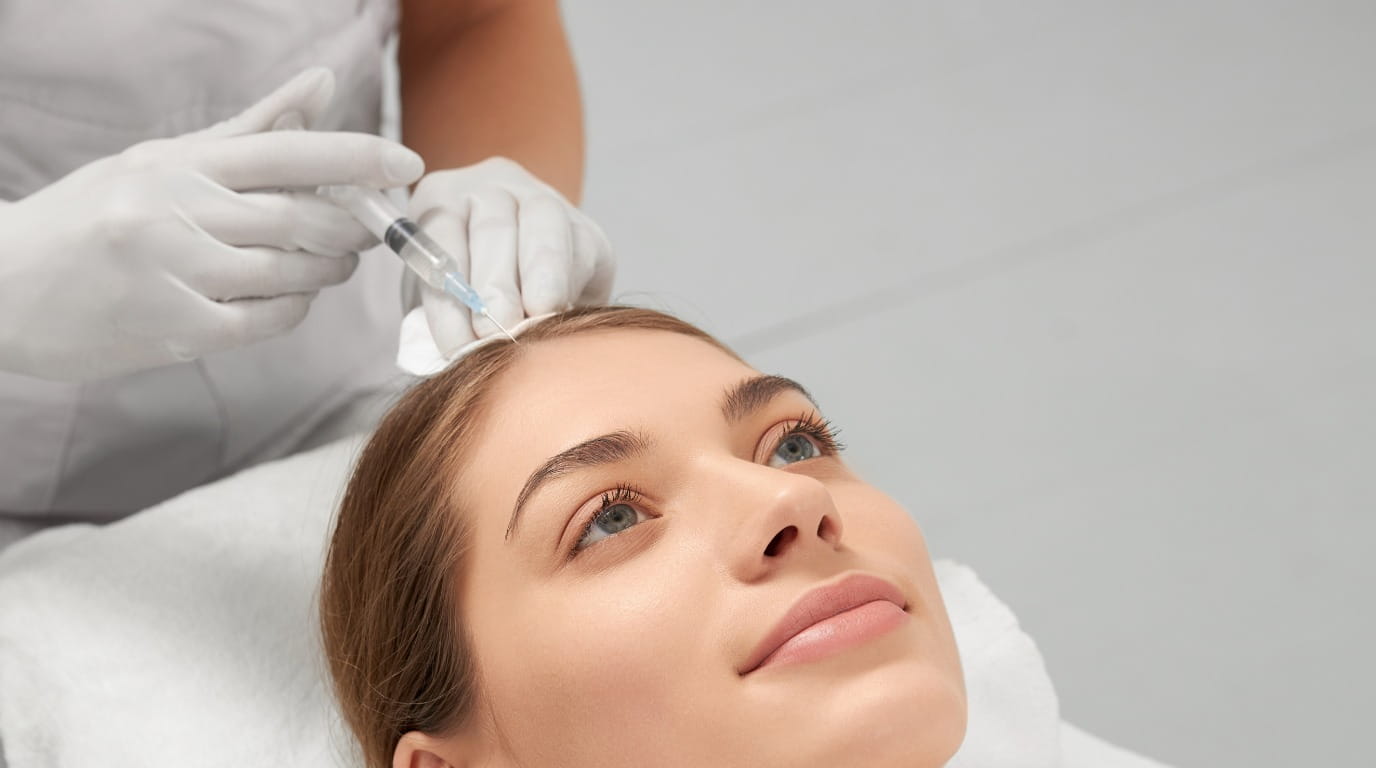
PRP Results Month by Month
The table below offers a general, patient-friendly overview. It is not a promise of what will happen in your case — actual timing and degree of change vary by individual.
What Patients May Notice
Scalp recovering from injections; shedding pattern usually unchanged; no visible density change expected yet
What to Remember
This stage reflects healing, not treatment efficacy — it’s too early to judge results
What Do Good PRP Hair Results Look Like?
“Good results” doesn't always mean a head full of new hair. In clinical practice, meaningful progress can show up in several different ways, including:

It's worth understanding the difference between three related but distinct concepts:
Hair Density
Refers to the number of hairs per unit area of scalp.
Hair Shaft Thickness
Refers to how thick each individual hair strand is — thicker shafts can make hair look fuller even without more strands.
New Follicular Growth
Refers to genuinely new hairs emerging from follicles, which is a different (and less consistently achieved) outcome than the two above.
A patient might see real improvement in shaft thickness and shedding without significant new follicular growth, and that can still represent a worthwhile clinical outcome depending on their goals and starting point. This is exactly why a single “before and after” photo can be misleading if you don't know which of these categories actually changed.

PRP Before and After Photos
Before-and-after photographs can be a genuinely useful way to track progress — but only when interpreted carefully. When reviewing your own photos, or anyone else's, keep these factors in mind:
This last point matters more than people often realize. Seeing a compelling transformation photo online does not mean you will experience the same outcome — the person in that photo may have had a different underlying cause, an earlier stage of thinning, or simply a more favorable individual response. For a deeper look at how to properly evaluate progress photography, see our dedicated guide to PRP Hair Treatment Before and After.
Factors That Affect PRP Hair Treatment Results
PRP outcomes are influenced by a wide combination of factors, which is exactly why results should always be considered in the context of a proper hair-loss assessment rather than in isolation:
Underlying Cause
Genetic thinning, stress-related shedding, and other causes may respond differently
Severity of Thinning
Earlier-stage thinning with more surviving follicles generally has more to work with
Age
Follicle activity and general healing response can shift with age
Follicle Health
Dormant but viable follicles behave differently than follicles that have been inactive for a long time
Duration of Hair Loss
Longer-standing hair loss may respond differently than recent-onset thinning
Overall Health
General health status can influence tissue response and healing
Nutritional Status
Deficiencies affecting hair growth may need to be addressed alongside PRP
Hormonal Factors
Hormonal imbalances contributing to hair loss may need separate management
Scalp Health
Conditions like inflammation or infection can affect the treatment area
Treatment Protocol
The specific technique and preparation method used
Number of Sessions
A single session versus a full recommended course
Follow-Up
Consistent attendance at review appointments allows adjustments when needed
Individual Biological Response
Ultimately, no two people respond identically to the same treatment
Because of this complexity, PRP is best approached as one component of a broader, individualized hair-loss management plan rather than a standalone quick fix.
Who May Respond Better to PRP?
In general clinical experience, certain patterns are more commonly associated with a favorable response, including patients with certain types of hair thinning where follicles are relatively preserved, and those in earlier or moderate stages of thinning where there is still active but weakened follicular activity to support. That said, this is not a universal patient profile, and individual response can still vary significantly even among patients who appear similar on paper. Ultimately, whether PRP is a suitable option — and how likely it is to help — can only be properly determined by a qualified healthcare professional after a scalp and hair-loss assessment.
Who May Not Be an Ideal Candidate?
- Advanced, irreversible follicular loss, where follicles are no longer viable
- Certain scarring alopecias, where the follicle structure itself has been replaced by scar tissue
- Active scalp conditions that require treatment before any hair-restoration procedure is considered
- Unexplained sudden hair loss, which typically warrants diagnostic evaluation first
- Conditions better addressed through another medical approach, depending on the underlying cause
This is general information, not a diagnosis of your situation. If any of these apply to you, or if you're unsure which category your hair loss falls into, a proper in-person or medical assessment is the necessary next step before pursuing any treatment.
How PRP Supports the Hair Growth Cycle
Hair grows in cycles, and understanding this cycle helps explain why PRP results take time:
The active phase where hair follicles produce new hair, lasting years
A short transitional phase where growth stops
A resting period before the hair is eventually shed
The phase where the resting hair is released and a new cycle can begin
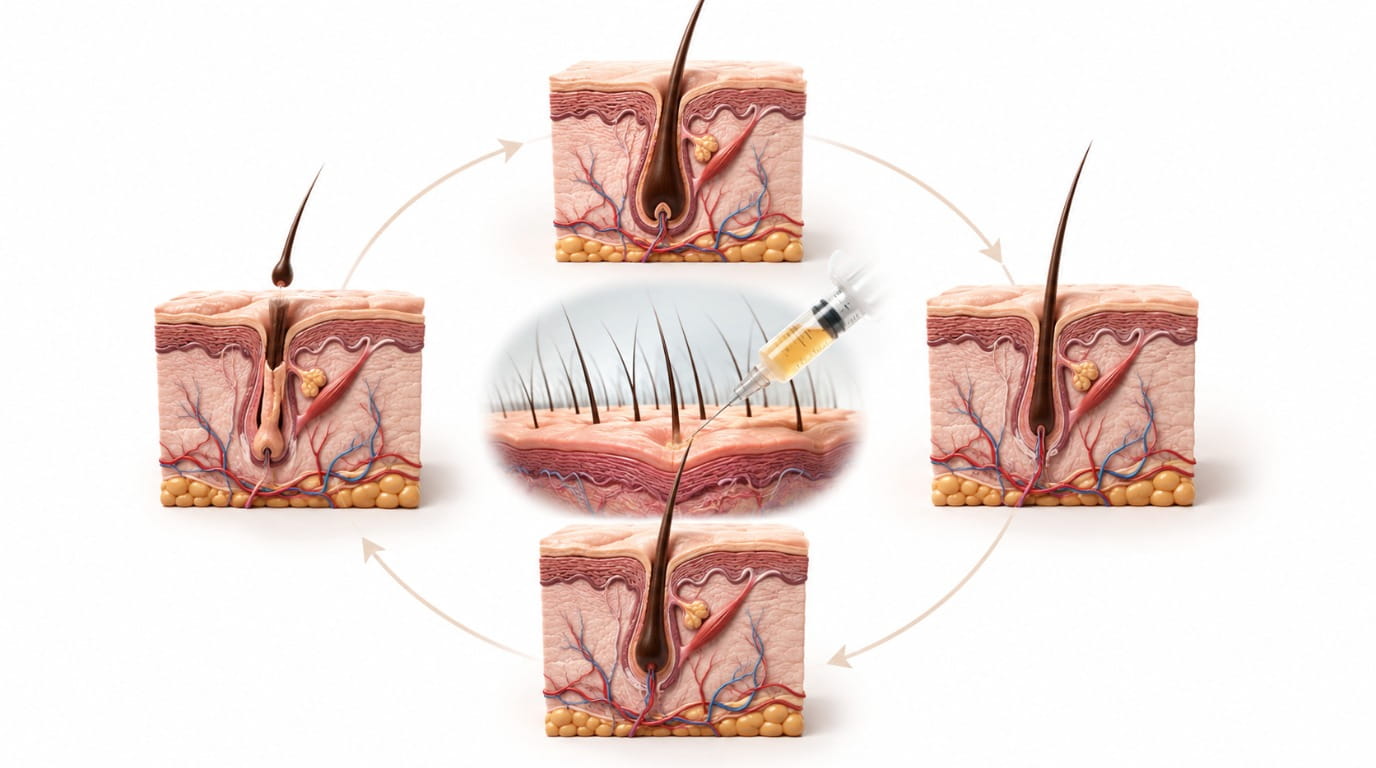
PRP is thought to interact with this cycle at the follicular level, which is precisely why its effects unfold gradually rather than instantly — you're not simply adding hair, you're potentially influencing a biological cycle that operates over months. For a more detailed explanation, visit our guide on the Hair Growth Cycle.
PRP Results for Different Types of Hair Loss
Not all hair loss is the same, and PRP's suitability and expected results can vary depending on the underlying condition. It's important not to assume PRP is equally appropriate for every cause of thinning — a proper diagnosis matters more than the treatment choice itself.
For a broader overview, see our guide to Hair Loss Causes.
In men, thinning commonly presents as a receding hairline, crown thinning, or diffuse thinning across the scalp. Reported changes with PRP can include shifts in density in the treated areas, though the degree of visible improvement varies widely between individuals depending on the stage and pattern of hair loss present. As with all patients, individual variation is the rule rather than the exception.
Women more commonly experience diffuse thinning, a widening centre part, or an overall reduction in density rather than a receding hairline. Hormonal factors — including those related to pregnancy, postpartum changes, or other hormonal shifts — can play a significant role and may need to be considered alongside PRP as part of a broader treatment plan.
How Many PRP Sessions Are Needed?
There is no single fixed number of sessions that applies to every patient. Treatment plans vary based on the individual's diagnosis, severity of thinning, and how they respond over time. Many patients are recommended a series of initial sessions spaced weeks apart, with periodic maintenance sessions discussed afterward depending on progress. The right number of sessions for you should be determined through clinical assessment and ongoing evaluation of your response — not a generic protocol applied to everyone. Learn more about what a treatment course typically involves on our Hair PRP Treatment in Dubai page.
How Long Do PRP Hair Results Last?
How long results last also varies by patient. Because many forms of hair loss — particularly genetic hair loss — are progressive by nature, PRP does not permanently halt the underlying process for everyone. Some patients benefit from periodic maintenance sessions to help sustain results over time, and the underlying cause of hair loss continues to matter throughout. Long-term management, rather than a one-time fix, is often the more realistic framing for anyone considering PRP. Claiming that PRP permanently stops hair loss would not be an accurate representation of how this treatment generally works.
What If I Don't See Results?
If you've completed several sessions and aren't seeing the progress you hoped for, that's worth addressing directly with your clinician rather than assuming more sessions are automatically the answer. Slow or limited progress may call for:
Limited results are not necessarily a sign that anything went “wrong” — they may simply reflect that PRP alone isn't sufficient for your particular type of hair loss, and that's valuable information for adjusting your plan.
PRP Results vs Hair Mesotherapy
Patients often ask how PRP compares to hair mesotherapy, another injectable scalp treatment. Here's a general comparison:
For a deeper comparison, see PRP vs Hair Mesotherapy.
PRP Results vs Hair Transplant
PRP and hair transplantation are fundamentally different treatments with different goals:
These two approaches are sometimes used together rather than as competing alternatives — a decision best made with a qualified clinician. Read more in our guide to PRP vs Hair Transplant in Dubai.
PRP Hair Treatment Cost and Results
It's worth resisting the temptation to judge PRP purely by price. A lower-cost option that skips proper assessment or follows a generic protocol isn't necessarily better value than a more thorough approach tailored to your specific hair-loss pattern. Several factors typically influence overall cost, including:
- The number of sessions recommended
- The specific treatment protocol followed
- The initial consultation and assessment
- Follow-up appointments included in the plan
- Any patient-specific requirements identified during assessment
We won't list specific prices here, since accurate figures depend on your individual treatment plan. For current details, see our PRP Hair Treatment Cost in Dubai page or book a consultation.
How to Maximize the Chance of Good Results
While no clinic can guarantee outcomes, there are steps patients can take that may support a better overall experience and response:
Follow aftercare instructions provided after each session
Attend recommended follow-up appointments so your clinician can track progress and adjust as needed
Manage underlying medical conditions that may be contributing to hair loss
Maintain balanced nutrition, since nutritional status can affect hair health
Avoid excessive heat styling and tight hairstyles that place tension (traction) on the scalp
Manage any active scalp conditions in coordination with your provider
Avoid smoking where relevant, as it can affect circulation and healing
Follow your clinician's specific treatment plan rather than self-adjusting the schedule
Track your progress consistently using the methods outlined below
None of these steps guarantee a particular result, but they support the conditions under which PRP has the best chance of doing what it's designed to do.
How to Track PRP Results
Because change is gradual, a structured tracking system is far more reliable than relying on memory or daily mirror checks. Consider the following approach:
- Take baseline photos before your first session
- Use the same lighting every time you photograph your scalp
- Use the same camera angle and distance
- Style your hair the same way for each photo (ideally dry, unstyled)
- Photograph the same scalp area consistently
- Space your photos at consistent intervals — for example, monthly
- Note observations about density in specific zones
- Note shedding patterns, such as hair counts on your pillow or in the shower
- Bring your photo log to follow-up appointments so your clinician can assess objectively
Daily mirror checks make it genuinely difficult to notice gradual change — the human eye adapts to slow shifts over time, which is why so many patients underestimate their own progress (or lack of it) without a structured comparison method.

Common Mistakes When Evaluating PRP Results
Patients sometimes draw the wrong conclusions about their treatment because of how they're evaluating it. Common pitfalls include:
Avoiding these mistakes leads to a much more accurate — and fair — picture of how your treatment is actually going.
PRP Hair Treatment Results in Dubai
Dubai has a wide range of clinics offering PRP hair treatment, and results can genuinely differ depending on how thoroughly a clinic approaches assessment and planning. When considering PRP hair treatment in Dubai, it's worth prioritizing a hair specialist in Dubai who focuses on individualized diagnosis rather than a one-size-fits-all injection protocol. A proper hair loss treatment in Dubai pathway typically starts with understanding why the hair loss is happening, not simply proceeding straight to treatment.
Given Dubai's climate and lifestyle factors — sun exposure, air conditioning, and water quality among them — scalp health considerations may also be part of a well-rounded consultation. The most reliable path to a fair outcome assessment is choosing a hair clinic in Dubai that prioritizes realistic expectations, individualized planning, and consistent follow-up over dramatic marketing claims.
Why Choose RamaCare Polyclinic?
At RamaCare Polyclinic, our approach to hair-loss consultation and PRP treatment centers on understanding each patient's specific situation before recommending any treatment path. This generally includes:
We believe patients make better decisions when they understand both the possibilities and the limitations of a treatment — and PRP is no exception.
Frequently Asked Questions
Medical Disclaimer
PRP hair treatment results vary significantly between individuals, and hair loss can have many possible underlying causes, not all of which respond to PRP in the same way. Treatment suitability differs from patient to patient and should only be determined following an individual medical assessment. The information on this page is educational and general in nature, and it cannot replace a consultation with a qualified healthcare professional. If you are experiencing sudden, severe, painful, or patchy hair loss, please seek professional medical evaluation promptly rather than relying on general online information.
Book a PRP Hair Consultation in Dubai
If you're considering PRP for hair loss, the most useful next step isn't reading another before-and-after gallery — it's having a conversation with a qualified professional about your specific hair and scalp. At RamaCare Polyclinic, our consultations are designed to help you understand whether PRP may be suitable for you, what a realistic timeline might look like, and how a personalized treatment plan could be structured around your goals.
Book a PRP Hair Consultation in Dubai to discuss your hair-loss concerns, treatment suitability, expected timeline, and a plan tailored to you.
Related Hair Treatment Guides

Content Reviewed by Dr. Sahar Zomorrodi
General Practitioner & Aesthetic Specialist
MD · DHA Licensed General Practitioner • 10+ Years Clinical Experience